

More news on this day
British Airways passengers on a transatlantic flight from London to Houston faced nearly two days of disruption after an emergency diversion to Newfoundland left them stranded in sub-zero temperatures without access to their checked luggage.
Get the latest news straight to your inbox!
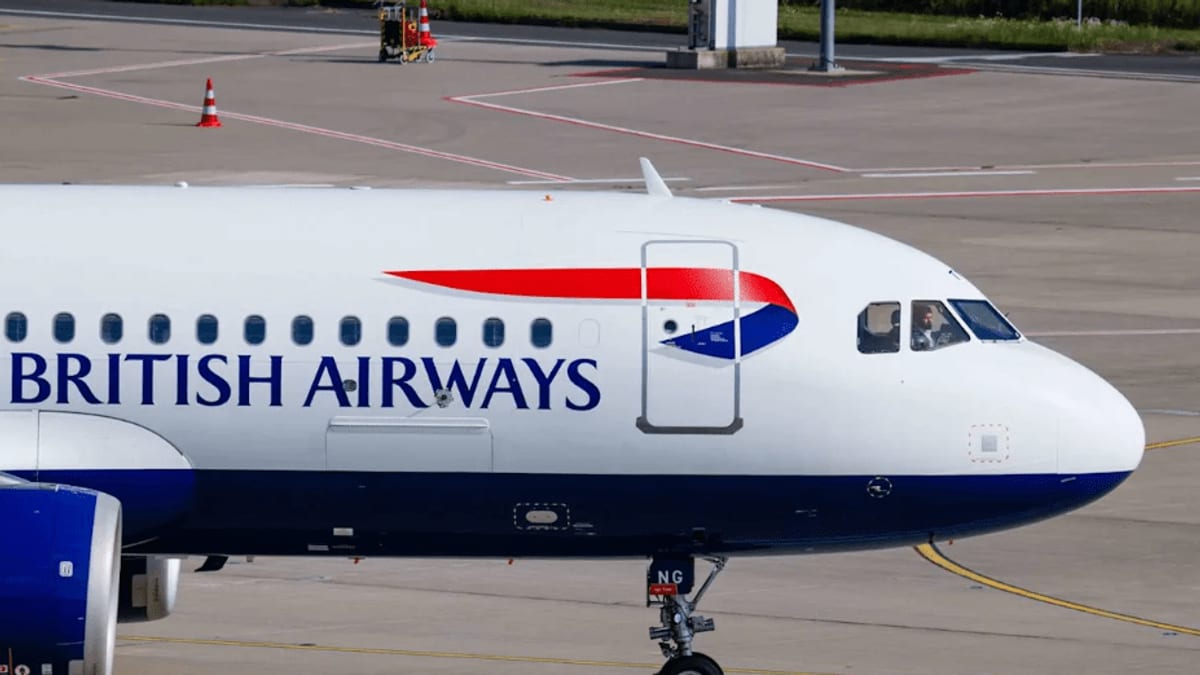
Unexpected Diversion on Transatlantic Route
According to publicly available flight reports, the disruption began on March 31, 2026, when British Airways flight BA195 departed London Heathrow on a scheduled service to Houston. Midway across the Atlantic, the aircraft diverted to Gander, Newfoundland, due to a medical situation involving a passenger on board.
Coverage of the incident indicates that after the unscheduled landing, the situation grew more complicated when a subsequent technical issue prevented the aircraft from continuing its journey. The combination of an emergency medical stop and an unexpected mechanical problem turned what should have been a routine long-haul flight into a prolonged ordeal for the 260-plus passengers on board.
Tracking data and news summaries suggest that the aircraft remained on the ground in Newfoundland while engineers assessed the problem and the airline arranged onward transport. With limited infrastructure compared with major hubs, the small Canadian airport became an overnight holding point for a wide mix of business and leisure travelers bound for Texas.
The diversion highlights how quickly long-haul operations can unravel once a flight is forced off its planned route, especially when the nearest suitable airport is in a remote, harsh environment far from passengers’ intended destination.
Passengers Report Long Waits and Difficult Conditions
Accounts compiled in recent coverage describe passengers spending close to 48 hours in and around Gander before they were finally able to continue their trips. Many travelers were reportedly housed in local hotels, while others waited extended periods at the airport for updates as British Airways worked to secure accommodation and alternative flights.
Public reports emphasize that temperatures in the region were well below freezing, and passengers were left without access to their checked luggage for much of the disruption. That meant limited access to winter clothing, medication, and other essentials, adding to the discomfort of an already stressful situation.
Images and descriptions circulating in media coverage refer to families with young children, elderly passengers, and business travelers all facing uncertainty about when they would reach Houston. The lack of clear information at times, combined with the physical challenges of the environment, appears to have contributed to mounting frustration among those affected.
Commentary around the incident notes that while many travelers accepted the initial medical diversion as unavoidable, patience began to wear thin as delays stretched from hours into days, particularly for those with onward connections or time-sensitive plans in the United States.
British Airways Response and Passenger Support
British Airways has acknowledged the diversion and subsequent disruption, with public statements cited in multiple reports indicating that the emergency landing was treated as a priority for safety and medical reasons. After the technical issue emerged, the airline began arranging accommodation, meals, and new travel plans for the stranded customers.
Recent coverage indicates that the carrier committed to covering hotel and meal costs during the extended stop and offered affected passengers travel vouchers worth several hundred dollars as a gesture of goodwill. These measures are presented as an attempt to recognize both the inconvenience and the length of the delay.
Operationally, the airline was required to coordinate with local ground handlers, airport authorities, and maintenance providers in a location that does not routinely handle high volumes of widebody diversions. Aviation analysts quoted in background material suggest that such circumstances can slow the process of sourcing spare parts, positioning technical crews, and finding replacement aircraft or seats on alternative flights.
The incident also unfolded at a time when British Airways and other major carriers were already contending with broader schedule pressures, making it harder to rebook dozens of passengers at short notice on suitable services into Houston or nearby gateways.
What the Incident Reveals About Diversions and Passenger Rights
Aviation data reviewed in recent travel industry material suggests that medical issues are a leading cause of unscheduled diversions on long-haul flights, with most events resolved safely and without long-term impact. The Newfoundland case stands out because the initial emergency was followed by a separate technical problem that greatly extended the disruption.
Travel rights specialists point out that when diversions occur for medical emergencies, airlines generally are not required to pay statutory compensation under UK and EU-style passenger regulations, since such events are usually categorized as extraordinary circumstances. However, duty-of-care obligations, including meals, reasonable accommodation, and transportation to and from hotels, still apply when passengers are left stranded overnight away from home.
In this case, publicly available information indicates that British Airways provided lodging and meal arrangements in Newfoundland, along with additional vouchers. Whether individual passengers may still pursue formal compensation claims could depend on how regulators ultimately assess the technical fault that followed the emergency landing and how long specific travelers were delayed in reaching their final destinations.
The disruption has renewed discussion among consumer advocates and frequent flyers about the resilience of global route networks, especially for airlines serving distant secondary airports. When an unscheduled stop occurs far from major hubs, carriers can face difficulties sourcing spare aircraft, accommodating several hundred travelers locally, and maintaining clear communication as plans evolve.
Wider Scrutiny of Airline Disruption Handling
The Newfoundland diversion comes against a backdrop of heightened scrutiny of British Airways’ recent operational reliability. In early April 2026, separate data from travel industry trackers showed the airline among several major carriers experiencing elevated levels of delays and cancellations at key airports, leaving travelers across Europe and North America facing missed connections and overnight stays.
Consumer forums and social media posts over recent weeks have frequently highlighted concerns about customer communication during irregular operations. Travelers describe long queues at help desks, difficulty reaching call centers, and uncertainty about rebooking options when flights are canceled or severely delayed.
Industry commentators note that large network airlines continue to rebuild schedules and staffing levels in the wake of years of volatility, while also managing aircraft maintenance demands and airspace constraints in certain regions. These pressures can reduce operational flexibility, meaning that when an unexpected diversion like BA195’s occurs, the ripple effects are felt more acutely by passengers.
For travelers, experts in passenger rights and travel planning advise keeping essential items, such as medication, chargers, and a change of clothes, in carry-on bags whenever possible. They also recommend documenting expenses, keeping boarding passes and disruption notices, and reviewing applicable compensation rules after events like the Newfoundland diversion, which can stretch a single flight into an unplanned multi-day journey.