

More news on this day
A British Airways service from Hong Kong to the United Kingdom has become the focus of intense scrutiny after a passenger died mid-flight, triggering an unscheduled diversion, lengthy delays and mounting complaints from travelers about communication and onboard conditions.
Get the latest news straight to your inbox!
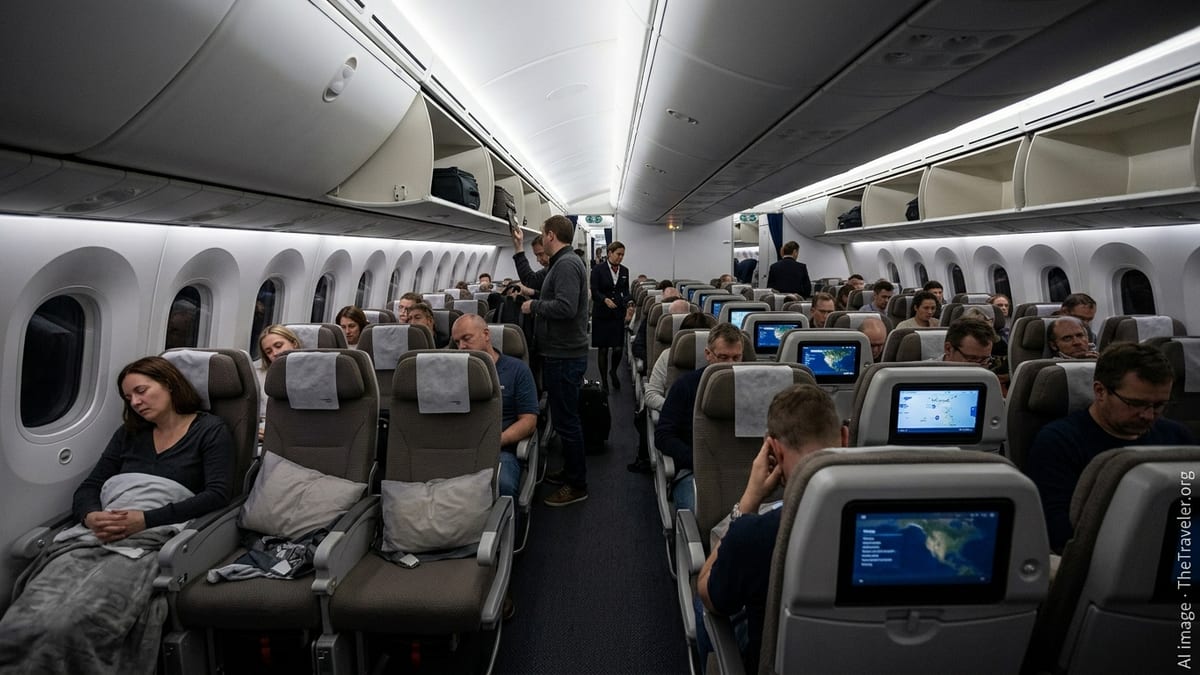
Tragic Mid-Flight Death Leads to Diversion
According to multiple media reports and flight-tracking data, a British Airways Hong Kong to UK service was forced to divert after a passenger suffered a serious medical emergency and later died while the aircraft was still en route. Publicly available information indicates that crew members initiated emergency procedures and requested priority handling, before the decision was taken to divert to an alternate airport rather than continue to the planned destination in Britain.
Data from aviation tracking platforms suggests the widebody jet departed Hong Kong International Airport on time for its overnight westbound sector but began diverting several hours into the journey as it crossed central Asia. The aircraft descended and altered course toward a nearer airport where medical personnel could meet the flight, a standard response when an onboard medical situation is deemed critical.
The diversion meant the flight landed far from its intended UK arrival point, leaving hundreds of passengers unexpectedly stranded in a transit hub with limited information about next steps. While such decisions are primarily made for safety reasons and to give the affected passenger the fastest access to medical care, the consequences for the rest of the journey can be extensive, particularly on long-haul intercontinental routes.
Publicly available aviation safety data shows that in-flight medical emergencies are not uncommon on long sectors, though deaths remain relatively rare. When they do occur, airlines must balance duty-of-care obligations to the individual involved with the broader responsibility to all passengers on board, often under significant time pressure and with incomplete information.
Long Delays, Missed Connections and Overnight Disruption
Reports from passengers indicate that the diversion triggered a cascade of delays that stretched into many hours. Travelers described missed onward connections to domestic UK destinations and European cities, as well as confusion over rebooking options once the aircraft was on the ground at the diversion airport.
Some passengers said that after the aircraft landed, they were held onboard for an extended period while local authorities and ground teams dealt with the medical emergency and carried out formalities related to the death. Only later were travelers allowed to disembark, by which time many had already missed scheduled onward flights and were facing overnight stays or lengthy waits in the terminal.
Publicly available social media posts suggest that rebooking arrangements were uneven, with some passengers moved quickly onto alternative services while others reported difficulty obtaining clear information about new itineraries, hotel accommodation or meal provision. For travelers who had already been in transit for many hours from Asia, the added delay and uncertainty compounded fatigue and stress.
Travel industry analysts note that a diversion mid-ocean or over sparsely served regions can severely limit an airline’s immediate options for getting passengers to their final destinations. Aircraft positioning, crew duty-time limits and limited spare capacity on parallel routes can all slow down efforts to return operations to normal, even for a large network carrier.
Onboard Conditions and Communication Under Fire
Beyond the shock of the death itself, the most persistent complaints emerging from publicly accessible passenger accounts focus on onboard communication and comfort during the extended disruption. Several travelers have described limited updates about what was happening and how long the delay might last, especially in the period between the medical emergency being recognized and the aircraft finally landing.
Passengers also reported discomfort related to cabin temperature, lighting and access to food and water as the situation unfolded. On long-haul flights that are already scheduled to last more than 12 hours, any additional holding time in the air or on the ground can stretch onboard catering resources and push both travelers and crew to the limits of their endurance.
Some aviation commentators point out that flight attendants and flight crew can find themselves under exceptional emotional and operational strain during an in-flight death, while simultaneously managing safety procedures, paperwork and passenger expectations. However, consumer rights advocates argue that airlines should have robust contingency plans, including clear communication protocols, to support travelers caught up in such rare but high-impact events.
The incident has reignited debate about how airlines handle transparency in crisis situations. Travel forums and consumer groups frequently highlight communication lapses as one of the most damaging elements of flight disruptions, often more memorable to passengers than the delay itself.
Passenger Rights and Potential Compensation
The circumstances surrounding this incident have also raised questions about what compensation, if any, affected travelers might be entitled to under UK and European passenger-protection rules. Under UK261 regulations, passengers on flights arriving into or departing from the United Kingdom may be eligible for financial compensation when long delays or cancellations are caused by factors within an airline’s control, such as technical issues or crew shortages.
However, publicly available guidance typically categorizes serious medical emergencies and unexpected deaths as extraordinary circumstances beyond an airline’s direct control. In such cases, standard practice is that cash compensation is not automatically owed, provided the airline can demonstrate that it took all reasonable measures to minimize the disruption.
Even when compensation is not due, airlines remain responsible for providing care in the form of meals, refreshments and accommodation for stranded passengers during extended delays, depending on the length of the disruption and the distance of the flight. Travel specialists suggest that affected passengers should retain boarding passes, receipts and any written communication from the airline to support potential claims for reimbursement of out-of-pocket expenses.
Consumer advocates also advise travelers to check their travel insurance policies, as some plans offer additional coverage for missed connections, overnight stays and incidental costs arising from route diversions, even when the underlying cause is considered beyond the airline’s control.
Broader Impact on the Hong Kong–UK Route
The incident comes at a sensitive time for British Airways’ long-haul operations in Asia. Recent coverage in regional outlets has highlighted schedule adjustments and temporary suspensions affecting Hong Kong services, citing a combination of crewing challenges and broader network reshuffles. For frequent travelers on the Hong Kong to UK route, the latest disruption adds to a perception of heightened operational volatility and unpredictability.
Analysts note that the Hong Kong–London corridor remains strategically important, connecting two major financial hubs and feeding extensive onward networks in Europe and Asia. Operational issues on such flagship routes can have outsized reputational impact, particularly when they involve highly emotive events such as an in-flight death.
Industry observers expect that a detailed internal review will follow, examining not only the medical response and diversion decision, but also the handling of passengers during and after the incident. While the priority in any such emergency is the preservation of life and the dignified treatment of the deceased, airlines are increasingly judged on how they support the wider cabin of travelers who suddenly find their journey upended.
For now, the episode underscores the complex realities of long-haul travel, where rare but serious onboard events can swiftly cascade into large-scale disruption. As passengers continue to share their experiences and seek redress, the response of British Airways will be closely watched by regulators, consumer groups and the wider traveling public alike.