

More news on this day
Active travel company Backroads is reporting more than 10 percent growth in demand for its itineraries in and around United States national parks, underscoring how hiking, biking and glamping-focused vacations remain a powerful draw for travelers seeking nature-based escapes.
Get the latest news straight to your inbox!
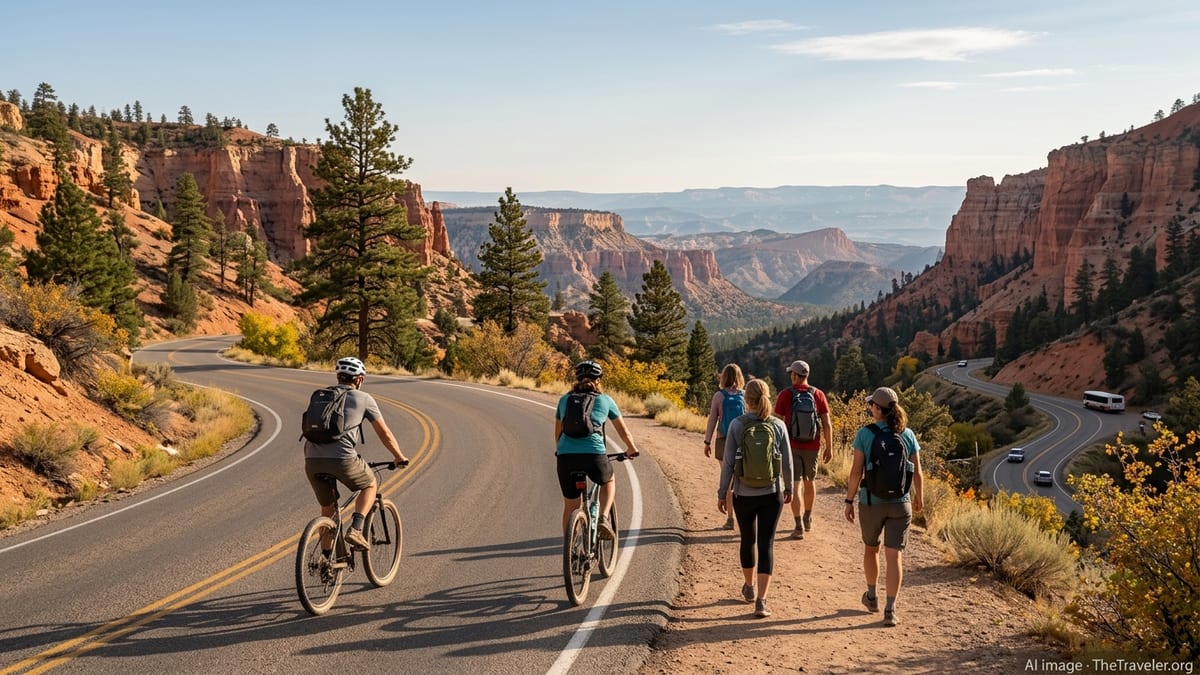
Backroads Rides Momentum of Outdoor Travel Boom
According to recent trend outlooks and press materials from the California-based tour operator, Backroads is entering 2026 with projected growth of more than 10 percent across its active travel portfolio, with US national park programs among the standout performers. The company highlights strong advance bookings on hiking, biking and multi-adventure trips that incorporate iconic parks from Yellowstone and Grand Teton to Arches, Zion and Acadia.
Publicly available information shows that this anticipated expansion is nearly twice the company’s post-pandemic growth pace, reflecting how interest in outdoor-oriented trips has evolved from a short-lived surge into a durable travel habit. While early in the pandemic many travelers turned to national parks as one of the few open and spacious options, recent patterns indicate that guests are now deliberately choosing active itineraries as a preferred vacation style rather than a temporary substitute for city or international travel.
Industry coverage and tourism data suggest that this operator-level growth is unfolding against a broader backdrop of strong visitation to America’s public lands. National Park Service statistics for recent years show overall park visits trending above 320 million annually, reinforcing the continued appeal of marquee landscapes such as the Grand Canyon, Yosemite and Great Smoky Mountains for both independent travelers and guided-tour guests.
Backroads positions its growth as part of this wider shift toward experiential, wellness-focused travel. Reports on the company’s booking trends point to rising interest in itineraries that blend calorie-burning activity with comfortable lodging, immersive scenery and regional food and wine, a formula that adapts especially well to national park settings.
National Parks Anchor New Itineraries and Glamping Experiences
Backroads has been steadily expanding its footprint in and around US national parks, adding routes and departures that leverage gateway communities, scenic byways and privately operated camp and lodge partners. Recent program announcements highlight new and expanded offerings tied to parks such as Yellowstone, Arches and Acadia, often marketed as ways to experience high-demand landscapes with fewer logistics headaches for guests.
One notable development is the company’s collaboration with luxury outdoor accommodation brands to roll out additional glamping itineraries near major parks. Trade publications report that these partnerships aim to significantly increase the number of co-branded trips that pair tented camps or safari-style canvas suites with guided hiking and biking in adjacent protected areas. For travelers wary of traditional camping but still drawn to starry skies and campfire settings, this format offers a compromise between comfort and immersion.
Backroads’ national park programs are also evolving to reflect changing visitor management on public lands. Many high-profile parks have implemented timed-entry systems, parking controls or permit lotteries for popular trails. Tour operators are responding by adjusting routes, traveling at off-peak times and using less-trafficked access points, positioning guided active trips as a way to experience busy parks with more predictability.
The company’s communications emphasize itineraries that combine well-known highlights with quieter corners of park ecosystems, such as secondary canyons, lesser-used rim viewpoints and surrounding national forests. This approach aligns with broader conservation messaging that encourages visitors to “spread out” and discover lesser-known sites in order to reduce pressure on a handful of famous vistas.
Diverse Travelers Drive Demand for Active National Park Vacations
Reports on Backroads’ booking patterns indicate that the surge in active travel to US national parks is being fueled by a broader mix of travelers than in the past. Multi-generational families, solo travelers and women-only groups all feature prominently in the company’s recent growth narrative, highlighting how guided outdoor itineraries are no longer seen as a niche product for hardcore adventurers.
Over the past two years, Backroads has made a particular push into women-focused hiking and walking adventures, with trade coverage noting a sharp increase in capacity and projected guest numbers for these departures. Many of these trips incorporate national park settings or neighboring public lands, where well-marked trails, established infrastructure and striking scenery provide an accessible backdrop for first-time or returning active travelers.
Family and private-group travel are also contributing to the double-digit growth. Public information shows that Backroads offers departures calibrated to different age ranges, from younger children to adult offspring, often using national parks as anchor destinations for celebrations, reunions or graduation trips. The combination of guided activity and built-in logistics appeals to relatives who may have differing fitness levels but share a desire to experience headline natural attractions together.
At the same time, the company notes increased interest from repeat guests booking back-to-back itineraries or returning to new regions after a positive first experience. In the national park context, this might mean travelers who start with a classic Grand Canyon and Zion route and later branch out to less familiar parks such as Capitol Reef, Great Basin or Acadia.
Trend Tied to Broader Shift Toward Wellness and Experiential Travel
The more than 10 percent growth reported by Backroads in active travel demand dovetails with wider industry trends that place movement, wellness and authenticity at the center of trip planning. Travel analysts and recent surveys show travelers increasingly prioritizing vacations that combine physical activity, time outdoors and cultural connection over purely passive sightseeing.
National parks have become a natural focal point for this shift. Trails, scenic drives and ranger programs offer built-in opportunities for exercise and learning, while gateway towns provide access to local food, lodging and guiding services. For operators like Backroads, this mix allows for itineraries that satisfy guests seeking both physical challenge and comfort, whether through e-bike support, van shuttles or carefully paced hiking days.
Environmental considerations are also shaping how active trips are marketed and designed. While commercial tours inevitably carry a footprint, active operators increasingly frame small-group national park itineraries as a lower-impact alternative to large coach tours, pointing to smaller vehicle sizes, slower travel and an emphasis on leave-no-trace practices. This messaging resonates with travelers who want to engage with iconic landscapes while remaining mindful of congestion and climate impacts.
Looking ahead to the next several seasons, published forecasts suggest that if current demand patterns hold, active travel in US national parks will likely continue to expand beyond the traditional summer peak. Shoulder-season departures in spring and fall may play a growing role in managing visitor flows, providing cooler hiking conditions and spreading economic benefits more evenly across park-adjacent communities.
Implications for Park Gateways and Local Economies
The reported expansion of Backroads’ national park business carries implications beyond the tour operator itself. As more travelers book structured hiking and biking trips, gateway communities from Utah to Maine are seeing additional demand for boutique lodging, restaurants, outfitters and transportation services that support these itineraries.
Tourism research indicates that guided active travelers tend to spend across a range of local businesses, from cafes and breweries to art galleries and gear shops, often before and after their official trip dates. This spending can help diversify revenue in towns that have historically relied on short, drive-through visits or single-activity markets such as alpine skiing.
At the same time, the continued growth of both independent and guided visitation is adding pressure to housing, infrastructure and conservation budgets in some destinations. With national park visits again topping the 300-million mark nationwide, local governments and land managers are weighing how to balance economic gains with the need to protect landscapes, wildlife and community character.
For now, Backroads’ more than 10 percent growth outlook in active travel to US national park regions serves as one indicator of how enthusiastically travelers are embracing America’s protected landscapes. As new itineraries roll out and booking windows stretch further into the future, the intersection of adventure tourism, conservation and community planning around these parks is poised to remain a central storyline for the travel industry.