

More news on this day
Thousands of travelers across Canada are facing unexpected overnight stays and missed connections as bad weather triggers at least 56 new flight cancellations and nearly 400 delays at major hubs including Vancouver, Toronto, Montreal and Calgary.
Get the latest news straight to your inbox!
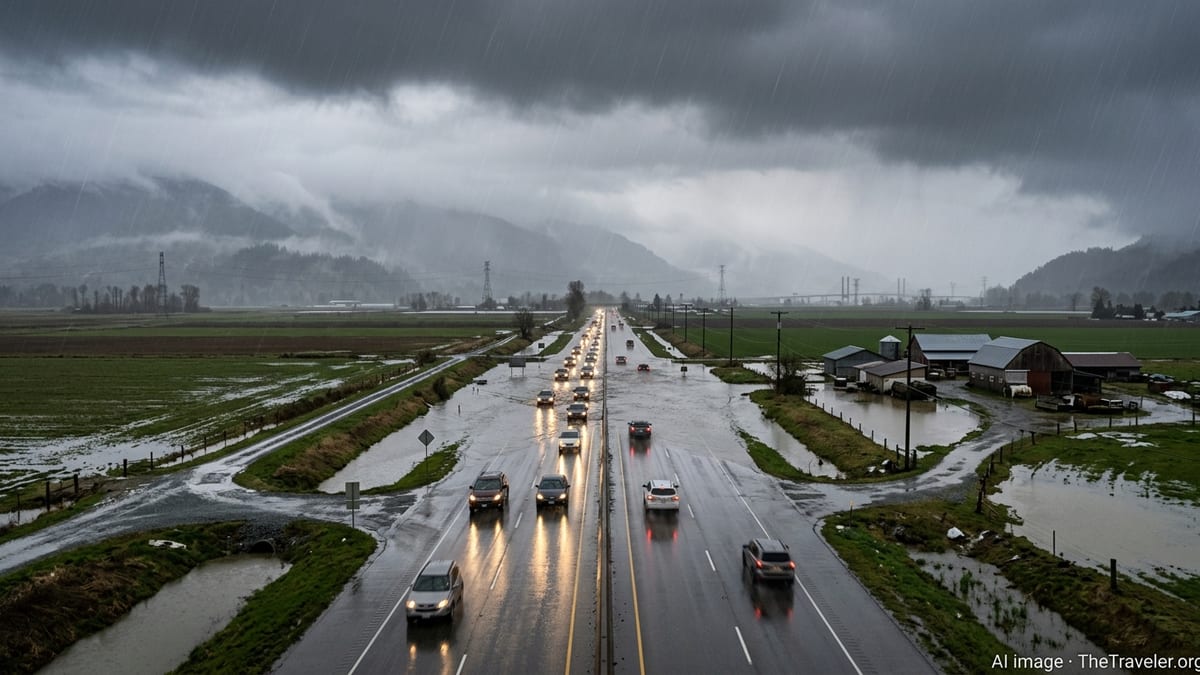
Winter Weather Wave Hits Canada’s Busiest Airports
Publicly available flight tracking data and airport status boards on April 4 indicate a fresh wave of operational disruptions rippling through Canada’s key aviation gateways. The latest figures show at least 56 new flights scrubbed and about 378 delayed at large airports such as Vancouver International, Toronto Pearson, Montreal Trudeau and Calgary International, with additional knock-on effects at regional facilities.
The disruptions come on the heels of a turbulent late winter across North America, with a series of storms in March and early April producing heavy snow, freezing rain and strong crosswinds in parts of western and central Canada. Meteorological reports describe periods of reduced visibility and challenging runway conditions around the Rockies and the Prairies, forcing airports to slow operations and airlines to scale back schedules.
Operational summaries suggest that the impacts are most pronounced during peak departure banks in the morning and late afternoon, when ground delays, de-icing backlogs and air traffic flow restrictions combine to push back departure times. As the day wears on, those delays cascade through cross-country networks, leaving aircraft and crews out of position for later flights.
The result is a patchwork of cancellations across domestic and transborder routes, many concentrated on short-haul shuttles linking major Canadian cities. These routes are often operated by regional affiliates that play a critical role in feeding passengers into long-haul services, magnifying the disruption when even a single leg is removed.
Regional and Mainline Carriers Feel the Strain
Among the airlines most exposed to the current weather pattern are Canada’s regional operators and their mainline partners. Jazz Aviation, which flies under the Air Canada Express brand, has been prominently affected on routes linking Calgary, Vancouver and smaller western communities, according to real-time schedule snapshots and historical performance data.
WestJet Encore, the regional arm of WestJet, is also facing mounting operational pressure. Flight statistics compiled by independent tracking services show elevated delay rates on some core domestic corridors, including services between Vancouver, Calgary and Toronto, where winter weather and associated flow controls can quickly ripple through tightly wound schedules.
Air Canada’s mainline operation, along with other carriers that rely on western hubs, is contending with the combined effect of weather and network complexity. Published analyses of the airline’s recent performance highlight that, while completion rates remain high on an annual basis, short bursts of severe conditions around key hubs can lead to concentrated pockets of cancellations and missed connections.
The latest disruptions arrive at a time when Canadian airlines are already reevaluating their networks for the upcoming summer period. Recent coverage of schedule changes shows several carriers trimming transborder and secondary routes, in part to shore up reliability on core domestic services where winter variability is a recurring concern.
Hubs From Vancouver to Montreal Grapple With Knock-On Effects
Vancouver International, often the first Canadian gateway to feel the impact of Pacific storm systems and mountain weather, has seen repeated rounds of delays this season. When arrival and departure rates are reduced by low ceilings, gusty winds or heavy precipitation, airport operations prioritize safety, which can leave aircraft waiting for gates, towing crews and de-icing resources.
Calgary International, one of WestJet’s primary hubs and an important node for both East West and northbound traffic, has also experienced significant strain under recent snowfalls and cold snaps. Travelers transiting through Calgary report longer connection times and schedule changes as airlines consolidate passengers onto fewer flights to keep the network moving during disruptive periods.
In central Canada, Toronto Pearson and Montreal Trudeau are dealing with their own weather challenges, from lake effect snow to bouts of freezing rain. Even when conditions briefly improve, residual congestion on the ground and in surrounding airspace can keep departure queues long. Published travel advisories urge passengers at these airports to check their flight status frequently and arrive with extra time, given the potential for sudden gate changes or runway configuration shifts.
Regional airports linked to these hubs are feeling a secondary impact. When major carriers preemptively cancel or delay feeder flights to maintain overall network stability, communities that depend on one or two daily services may face extended gaps in connectivity, leaving passengers with limited alternatives.
Passengers Face Overnight Stays, Rebookings and Compensation Questions
The human impact of the current disruption is evident in images and accounts shared across social media and traveler forums, where Canadians describe crowded terminals, long customer service lines and improvised overnight arrangements. Many travelers report missed family events, business meetings and onward international connections as the cascading delays turn what should have been routine two or three hour hops into all day ordeals.
Publicly available guidance from airlines and federal regulators underscores that weather related cancellations are generally categorized as outside carrier control, which can limit eligibility for cash compensation. However, consumer advocacy groups continue to encourage passengers to carefully document the reasons shown in their flight records and to keep receipts for meals and lodging in case cost recovery is possible under airline policies or credit card protections.
For those still trying to reach their destinations, published advice from travel experts emphasizes flexibility. Same day rebookings through alternative hubs, accepting connections in the United States where feasible, and traveling with carry on baggage only can improve the odds of making it onto an available seat. Monitoring both airline apps and airport departure boards is crucial, since last minute aircraft swaps and crew reassignments can open up new routing options.
With forecasts pointing to continued unsettled weather in parts of western and central Canada, operational data suggests that schedule reliability may remain fragile in the short term. Travelers planning to pass through Vancouver, Calgary, Toronto or Montreal in the coming days are being urged by travel industry commentators to build in extra buffer time, consider travel insurance that specifically addresses weather disruptions, and be prepared for further last minute changes as airlines work to stabilize their networks.