

More news on this day
Wintry conditions across large parts of Canada have triggered a fresh wave of flight delays and cancellations at major hubs, snarling travel plans for thousands of passengers and exposing ongoing vulnerabilities in the country’s busy air network.
Get the latest news straight to your inbox!
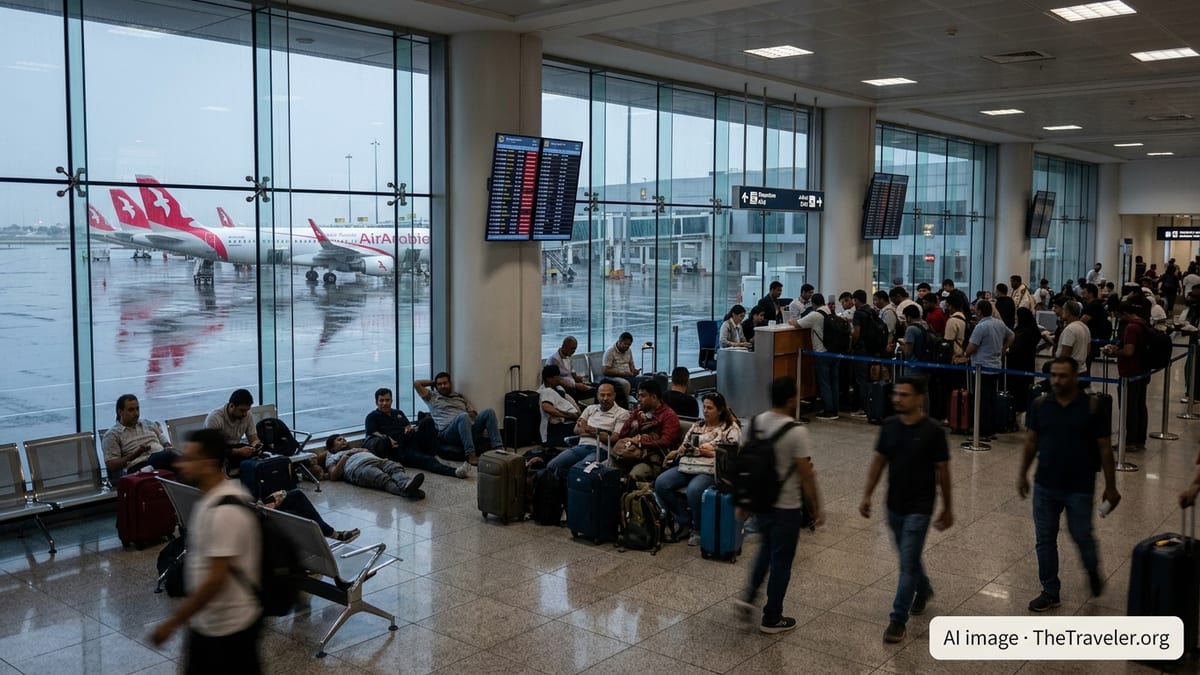
Storm Systems Pressure Canada’s Busiest Airports
Publicly available flight-tracking dashboards for early April indicate that Toronto Pearson, Vancouver International and Montreal Trudeau are once again at the center of significant disruption, as active weather systems bring a mix of snow, freezing rain and low cloud to key approaches. Data compiled by aviation analytics sites and passenger-rights platforms shows that Canada’s three largest hubs have recorded dozens of cancellations and hundreds of delays in recent days, with ripple effects reaching Calgary, Edmonton, Ottawa and regional centers.
The latest turbulence follows a winter dominated by severe weather events, including record snowfalls in southern Ontario in late January and a powerful blizzard that swept parts of Atlantic Canada and the northeastern United States in February. Those earlier storms produced some of the highest daily cancellation totals since the height of the pandemic and underscored how quickly airport operations can seize up when heavy snow combines with extreme cold and strong winds.
Although conditions have moderated since the most intense midwinter episodes, meteorological summaries and airport advisories point to a pattern of frequent, smaller disturbances that continue to challenge day-to-day reliability. Even modest snow bands or bouts of freezing drizzle can force crews to slow the pace of departures and arrivals, particularly during the morning and evening peaks when runways, taxiways and de-icing bays are under maximum strain.
Environment Canada bulletins in recent days have flagged variable visibility and changing precipitation types along key air corridors in southern Ontario, the Lower Mainland of British Columbia and parts of Quebec. Those shifts can require rapid changes to runway configurations and approach procedures, adding another layer of complexity for air traffic controllers and airport operations teams already working close to capacity.
De Icing Bottlenecks and Runway Capacity Drive Cascading Delays
Operational records and previous disruption analyses suggest that one of the most persistent choke points in bad weather is de-icing. At hubs such as Toronto Pearson and Calgary International, long lines of aircraft can build up at de-icing facilities when snow intensity increases or temperatures hover near the threshold where fluid effectiveness declines. That can turn what began as a minor timetable adjustment into a significant departure backlog.
Once departures start to stack up, the knock on effects can spread quickly through an airline’s network. Aircraft arriving late into a hub may miss their planned turnaround window for the next leg, forcing carriers to reshuffle equipment, consolidate services or cancel entire rotations. Published coverage of past Canadian storms shows that a single day of intense snowfall at Pearson has, on multiple occasions, resulted in several hundred cancellations and delays nationwide as aircraft and crews fall out of position.
Runway capacity is another critical variable. When winds shift or braking action deteriorates on a primary runway, airports may be forced to rely on secondary configurations that accommodate fewer movements per hour. During recent storms, publicly accessible operations feeds from Canadian airports have shown extended arrival holds and departure metering as controllers balance safety margins with pressure to move waiting traffic. In extreme cases, such as protracted whiteout conditions or ice accretion, whole departure banks can be scrubbed in advance to keep the situation manageable.
These dynamics mean that passengers departing secondary cities are often caught up in disruptions that originate hundreds or even thousands of kilometers away. A weather-related backlog in Toronto or Vancouver can reduce available aircraft for routes connecting mid-sized markets, leaving travelers in places like Regina, Saskatoon or Halifax facing last-minute cancellations even when local conditions appear relatively calm.
Airlines Issue Weather Waivers as Travelers Scramble
In response to the latest round of bad weather, Canadian carriers have continued to rely on so-called “pre-cancellation” strategies and flexible change policies to manage demand. Publicly available information on airline travel advisory pages shows that major operators have been posting weather notices and, in some cases, waiving change fees for affected routes, particularly where forecasts point to heavy snow or freezing rain at multiple hubs at once.
Analysts note that canceling flights in advance can reduce the number of passengers stranded at airports and free up ground resources to focus on rebooking and essential operations. However, published commentary from passenger groups and consumer advocates indicates that travelers still experience long waits on customer service lines, limited same-day alternatives and challenges securing accommodation when disruptions stretch overnight.
For those currently booked to travel through Canada’s main hubs, widely shared guidance from government agencies and air passenger rights organizations emphasizes the importance of monitoring flight status closely and resisting the urge to head to the airport before confirming that a flight is operating. These sources also recommend building extra time into itineraries that involve connections, particularly international links that may be affected by both North American weather and overseas constraints.
Travel insurance specialists and compensation firms point out that eligibility for refunds, vouchers or statutory compensation often depends on whether the disruption is classified as within the airline’s control. Bad weather itself is typically considered outside that category, but secondary issues such as crew scheduling or aircraft maintenance can in some cases trigger additional obligations. Passengers are advised, in publicly available guidance, to keep documentation of delays and cancellations in case they choose to pursue claims once the immediate travel rush has passed.
Winter of Discontent Highlights Structural Strains
The latest bout of weather-driven gridlock comes on the heels of a difficult winter for Canada’s aviation system more broadly. Reports from transport observers and industry publications describe a network still working to rebuild resilience after the pandemic, with staffing constraints in ground handling, maintenance and air traffic control intersecting with increasingly volatile weather patterns.
January’s record snowfall in the Greater Toronto Area, which produced Pearson’s heaviest single-day accumulation on record, and February’s powerful blizzard in Atlantic Canada both served as stress tests. According to historical summaries and news coverage of those events, Canadian carriers and airports struggled to clear backlogs quickly, with some passengers facing multi-day waits for seats and knock on cancellations extending well beyond the end of the storms themselves.
Experts writing in aviation and climate-focused outlets have also highlighted how the geography of Canada’s air network amplifies the impact of bad weather. With a relatively small number of large hubs funnelling traffic across a vast territory, any prolonged disruption at Toronto, Vancouver or Montreal can severely limit options, especially for travelers from smaller communities where frequencies are already thin.
The current pattern of rolling storm systems suggests that these vulnerabilities will remain in focus through the rest of the spring travel shoulder season. As Canadian airlines release their summer schedules and ramp up transborder and transatlantic capacity, attention is likely to remain on whether incremental operational changes and new investments in de-icing infrastructure, runway maintenance and staffing can prevent a repeat of the worst winter gridlock when next year’s storms arrive.
What Passengers Can Expect in the Days Ahead
Forecasts from Environment Canada indicate that, while the most intense cold has lifted, additional bands of snow and mixed precipitation remain possible for parts of southern Ontario, Quebec and the Prairies in the coming days. That suggests that intermittent disruptions at Canada’s major hubs are likely to persist, even if they do not reach the levels seen during the most severe midwinter episodes.
Travelers planning near-term journeys through Toronto, Vancouver, Montreal or Calgary can expect a continued emphasis on schedule adjustments, with airlines trimming some frequencies, consolidating under-booked services and deploying larger aircraft on core routes to absorb displaced passengers. Airport operations bulletins show ongoing work to keep runways, taxiways and ramp areas clear and to maintain adequate supplies of de-icing fluid during peak waves of snow and freezing drizzle.
Published travel advice from tourism boards, consumer agencies and airline information portals encourages passengers to treat itineraries through Canada’s largest hubs with extra caution until weather patterns stabilize. That includes building in longer connection times, avoiding the last flight of the day on critical legs where possible, and preparing for the possibility of extended waits on the ground.
With Canadian hubs serving as key links between North America, Europe and the Asia Pacific region, the performance of these airports in adverse weather has implications far beyond domestic travel. As the latest storms demonstrate, even a single day of difficult conditions can reverberate across global networks, leaving travelers far from Canada suddenly grappling with missed connections, diversions and unexpected overnight stays as bad weather snarls flights across the country’s major hubs.