

More news on this day
The Bahamas is sharpening its appeal to high-end vacationers with a new focus on compact, high-quality island experiences that compress logistics and expand beach time, pairing luxury stays with faster access, streamlined air and sea connections, and curated, all-in-one itineraries across its most desirable cays.
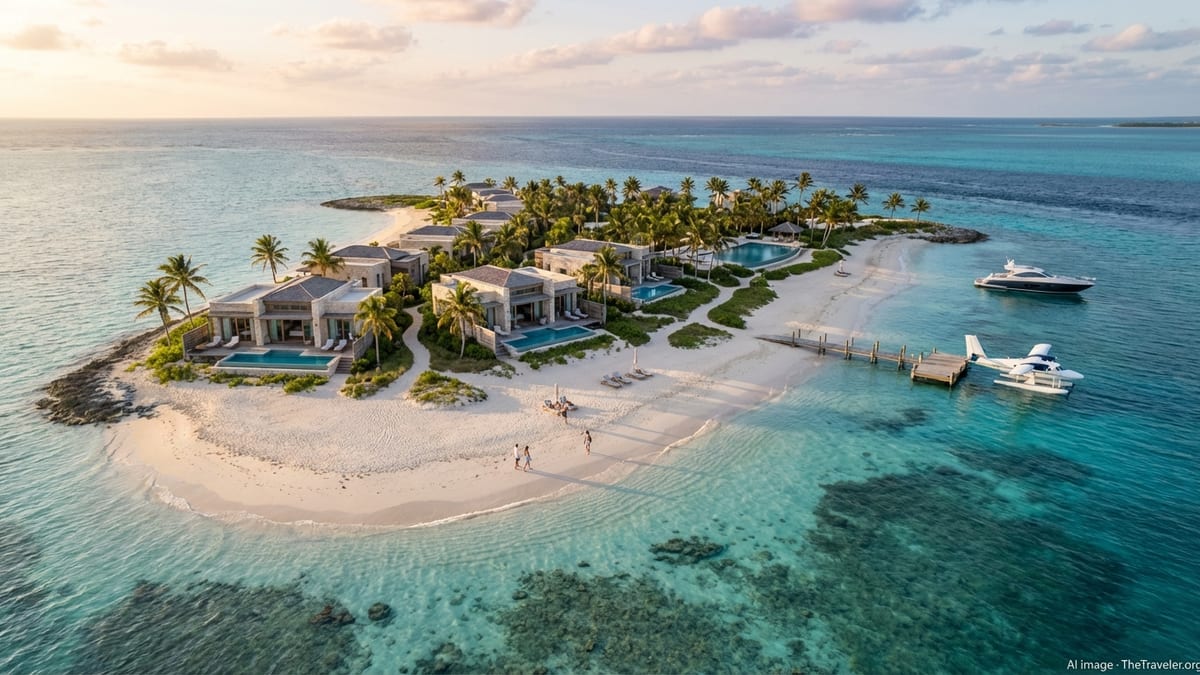
A New Model for High-End Island Time
Tourism planners and hotel partners in The Bahamas are increasingly centering their offers on a compact style of luxury break designed for travelers who prioritize convenience and maximum hours on the beach over sprawling, multi-stop itineraries. Rather than encouraging visitors to hop across several islands in one trip, new packages and products emphasize one carefully chosen base, short transfers and high-quality experiences within easy reach.
Officials at the Ministry of Tourism, Investments and Aviation have framed the strategy as part of a broader effort to make visits to the archipelago feel more seamless, with a premium placed on minimizing friction from arrival to resort check-in. Industry briefings and recent statements highlight a push to align new resort developments, upgraded airports and growing private transfer options with this promise of quick access to sand and sea once travelers land.
The approach reflects the changing expectations of luxury travelers, who are increasingly willing to spend for time-saving comforts such as fast-track arrival, private aviation and concierge-style planning, but less interested in spending a day of their short vacations in transit. In The Bahamas, where some of the most coveted beaches sit only minutes from international gateways, tourism stakeholders are positioning this geography as a competitive advantage.
By grouping high-end resorts, private cays and curated excursions around key hubs such as Nassau and Paradise Island, Exuma, Abaco and Eleuthera, the destination is effectively packaging the idea of a “compact island” experience: everything a visitor wants, within a short ride of the runway, with little need for intermediate stops, long drives or complex transfers.
Fast-Track Arrivals and Short Transfers
One cornerstone of the compact model is the effort to shorten the journey from aircraft door to beach lounger. Bahamian officials and private operators have steadily upgraded both hard infrastructure and soft services at Lynden Pindling International Airport in Nassau and at a network of Out Island airfields, backing this with growing domestic and regional airlift. In practice, this means more direct flights into islands that once required multiple stops, and more small aircraft links that connect international arrivals straight to resort-focused runways.
Private helicopter and seaplane services operating out of Nassau and other hubs further compress travel times for those seeking a premium transfer. Helicopter charters shuttle travelers to Harbour Island, Eleuthera and the Exumas in under half an hour, while luxury seaplane services land directly at resort docks or offshore sandbars, eliminating long boat rides and intermediate taxi legs. These options, while aimed at the higher end of the market, embody the core promise of the new Bahamas experience: trading hours of logistics for minutes of scenic flight.
Growing domestic airlift into islands like Abaco, North Eleuthera and Bimini also contributes to this shift. Regional carriers and charter services have added frequencies and new routes that link major United States gateways and Nassau to smaller Bahamian airports, giving visitors more flexibility on arrival and departure times. Industry analysts say that this denser network is critical to convincing time-poor travelers that they can reach lesser-known islands without sacrificing an entire vacation day in transit.
At ground level, luxury resorts and tour operators are increasingly bundling private transfers into their packages, promising guests a single point of contact from baggage claim to check-in. Some properties now coordinate with customs, immigration and transport providers to ensure that vehicles are waiting at the curb as soon as passengers clear formalities, preserving the sense of an uninterrupted, door-to-beach journey.
High-End Hubs Built Around the Beach
The renewed focus on compact, high-quality stays is shaping where and how investment flows across the archipelago. New developments in Nassau and Paradise Island, Grand Bahama, Abaco, Exuma and Eleuthera are being planned with direct beach access, walkable layouts and integrated marinas or piers that keep boat trips short and optional. For many properties, the beach is not simply an amenity but the organizing principle of the entire resort.
Large-scale projects on Grand Bahama, including the redevelopment of established waterfront resorts and the creation of private beach clubs for cruise passengers, are designed so that guests can move from ship or plane to loungers in a matter of minutes. Plans typically call for cabana-lined shorelines, overwater bungalows, marinas and beach clubs clustered within walking distance, deliberately avoiding the need for shuttles or lengthy internal transport.
In the Out Islands, luxury brands are zeroing in on smaller, more intimate parcels such as private cays and peninsulas, where they can offer secluded beaches while still staying close to existing airstrips. New private island and semi-private peninsula projects feature limited room counts, all-suite accommodations and overwater or beachfront villas, often with staff-to-guest ratios that support high-touch service without sprawling grounds that require golf carts to navigate.
The Nassau and Paradise Island area, long a centerpiece of Bahamian tourism, continues to evolve around this compact luxury idea as well. High-end resorts emphasize proximity to both the beach and urban amenities, with guests able to walk from rooms to casinos, dining, marinas and historic sites, reducing the need for extensive planning or transportation once they arrive.
Curated Itineraries for Maximum Beach Time
Beyond the physical infrastructure, The Bahamas is steadily reshaping how it packages and sells its experiences. Tour operators, hotel groups and the national tourism agency are promoting itineraries that front-load beach time and simplify decision-making, often under the banner of “seamless” or “effortless” escapes. Travelers can now book stays where snorkeling excursions, boat trips to nearby sandbars and beach picnics are pre-arranged, requiring little more than a daily confirmation with the concierge.
Many resort concierges and destination management companies report increased demand for one- and two-day “micro itineraries” that keep guests within a tight radius of their base. These might include a morning swim with turtles or rays, an afternoon on a pink-sand or powder-white beach, and a sunset cruise, all reachable in under an hour from the main property. The appeal lies in variety without long travel times, especially for visitors on four- or five-night breaks.
Food and drink programming is also being drawn closer to the shoreline. Pop-up beach grills, chef-led dinners on the sand and open-air rum bars allow guests to enjoy Bahamian cuisine without retreating far inland. For travelers who equate vacation value with minutes spent in sight of the water, this trend reinforces the sense that almost every aspect of the trip can happen within a beach-centric bubble.
Short-stay packages marketed through international tour operators and airline vacation brands echo this compact, curated approach. Sample offers typically combine three to seven nights at beachfront properties with bundled airport transfers and a limited roster of included excursions, pitched at travelers who prefer a “plug-and-play” resort experience where virtually no time is lost to planning on arrival.
Private Islands, Cruise Beach Clubs and Tailored Day Visits
Parallel to the resort sector, cruise lines and private island operators are refining their own versions of compact, high-quality beach experiences inside The Bahamas. Purpose-built beachfront destinations on private islands and peninsulas are designed almost entirely around a single day of maximum sun, sand and water, with guests stepping off ships or tenders onto beaches lined with loungers, water sports centers and dining venues just a few steps away.
These private enclaves, some of them developed in partnership with the Bahamian government, concentrate amenities into walkable zones rather than spreading them along miles of shoreline. Visitors can move from shaded cabanas to shallow lagoons, snorkeling reefs, family water play areas and quiet coves in minutes, making it easier to sample multiple experiences in a single visit without the feel of rushing.
For travelers staying in land-based accommodations, a growing menu of day-trip options brings the same philosophy to bear. Charter boats, shared excursions and small-group tours depart from hubs such as Nassau, Exuma and Abaco for nearby cays where guests can spend a few focused hours on sandbars, swimming with marine life or exploring blue holes before returning to their main resort. Operators stress punctual departures and condensed routes so that time spent on the water feels leisurely rather than like a long commute.
Tourism officials view these high-quality day experiences as both a complement to and a feeder for longer stays. Visitors who first encounter The Bahamas as a compact beach day during a cruise call can later return for a land vacation framed around the same priorities: minimal transfers, concentrated beauty and high-touch service on and near the shoreline.
Infrastructure, Airlift and the Convenience Factor
The shift toward compact luxury experiences is closely tied to ongoing infrastructure development across The Bahamas. Government budget documents and industry planning sessions repeatedly highlight airport upgrades, ferry dock improvements and road works as central to tourism strategy for 2025 and 2026. The aim is to smooth the “last mile” from port or airport to hotel, an area where delays and congestion can quickly erode the perception of convenience.
Expanding international and domestic airlift remains a priority. Additional routes from key United States hubs, as well as increased capacity to Out Island airports, are intended to reduce connection times and open more islands to short-break visitors. For destinations such as Abaco, Eleuthera and Bimini, new or expanded services have the potential to transform once-remote getaways into weekend options for travelers from cities like Miami, Fort Lauderdale, Atlanta and New York.
Industry groups including hotel and promotion boards have pushed for improved signage, wayfinding and arrival services at smaller airfields, arguing that a polished first impression is particularly important for high-end guests. Some airports are introducing or expanding VIP lounges, priority security and customs lanes, and partnerships with private aviation providers in order to support guests who are paying a premium specifically to save time.
Behind the scenes, digital tools such as online pre-clearance forms, enhanced booking platforms and unified payment systems are gradually reducing paperwork and friction. While much of this modernization work is not visible in marketing materials, the cumulative effect, according to hoteliers, is a guest journey that feels closer to a single, uninterrupted experience from the moment a ticket is booked.
Sustainability and Local Impact in a High-End Market
As The Bahamas deepens its focus on the highest tiers of the tourism market, officials and partners are also emphasizing sustainability and local benefit as essential components of the compact luxury model. New resort and private island projects are subject to environmental assessments and are increasingly expected to integrate measures that protect fragile coastlines, coral reefs and mangroves, which are themselves key to the long-term appeal of Bahamian beaches.
Initiatives in marine conservation, including reef restoration tourism in select areas, align with the broader trend of giving visitors high-quality experiences without requiring long transfers. Guests can join guided coral planting sessions or educational snorkeling tours near major hubs, combining hands-on conservation with the convenience of short boat rides and half-day formats that still leave ample time for beachside relaxation.
Economic planners stress that targeted, higher-spend tourism can help support jobs and small businesses across the islands when it is paired with local sourcing and entrepreneurship. Artisans, guides, restaurateurs and transport operators stand to benefit from visitors who, even on short, compact stays, are prepared to pay for premium, locally flavored services that enhance their limited time on the ground.
Some resorts and cruise beach clubs have set up vendor villages and markets adjacent to their primary beach zones, allowing guests to browse crafts, sample local cuisine or book independent guided tours within footsteps of their loungers. This approach aims to keep the guest experience conveniently contained while still opening meaningful channels for community participation.
Meeting the Demands of Time-Poor Luxury Travelers
Globally, the profile of the luxury traveler is shifting toward guests who are wealthier but often have less time to spare, and The Bahamas is positioning its new compact island experiences as a direct answer to this demographic. The pitch is straightforward: a short flight from major North American cities, swift arrival formalities, a brief transfer and immediate immersion in a high-end beach environment.
Travel advisors report that clients are increasingly asking not only about the quality of accommodations and beaches but also about the number of steps from gate to sand. Questions about average transfer times, reliability of domestic flights and options for private charters have become central to trip planning, driving destinations to compete on convenience as much as on natural beauty.
For The Bahamas, the evolving balance between luxury, convenience and sustainability will shape how this compact model develops over the next several years. As new resorts come online, airlift expands and cruise beach clubs welcome their first waves of guests, travelers seeking a concentrated blend of ease and indulgence will be watching to see whether the destination can deliver on its promise of more beach time and fewer travel headaches.
If early moves are any indication, the country is betting that by tightly choreographing the journey from plane or ship to powder-soft sand, it can cement its reputation as one of the Caribbean’s most efficient and rewarding escapes for high-end visitors.