

More news on this day
Bahrain has joined a widening group of nations, including India, the UAE, Saudi Arabia, Jordan, Turkey and Azerbaijan, facing sweeping travel restrictions and partial airspace shutdowns as the United Kingdom issues tough new guidance in response to escalating military strikes between Iran, the United States and Israel.
Get the latest news straight to your inbox!
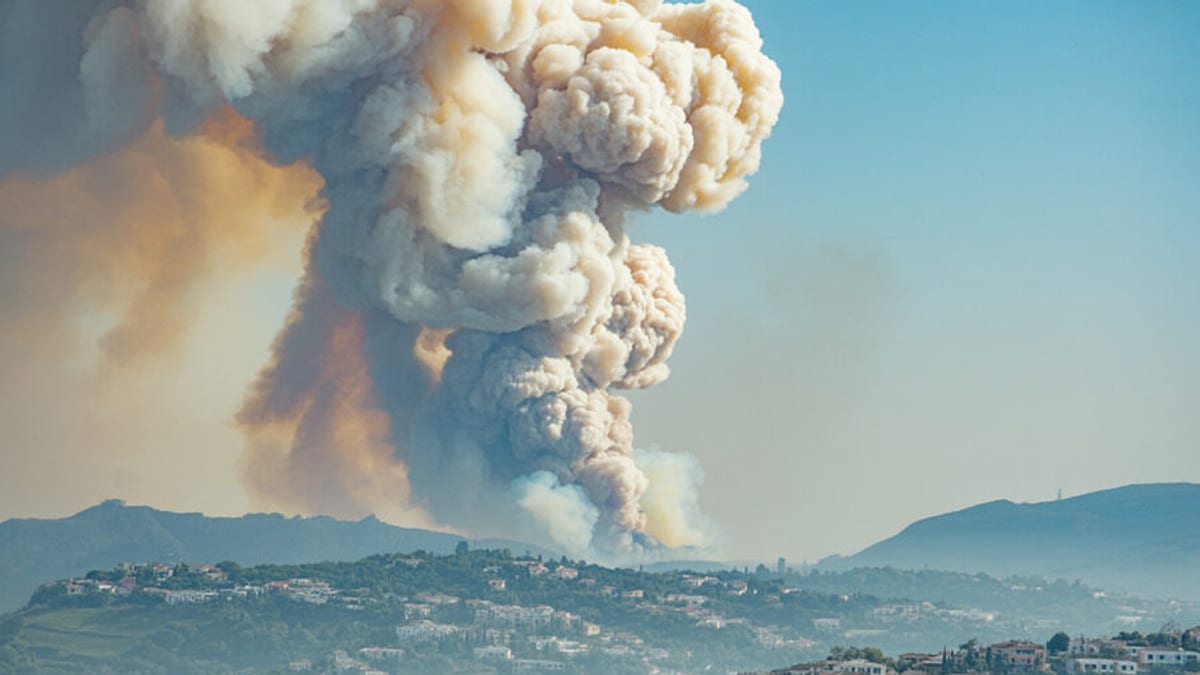
Image by Latest International / Global Travel News, Breaking World Travel News
UK Hardens Travel Advice as Conflict Widens
The United Kingdom has sharply tightened its official guidance for travel across the Middle East and adjoining regions following the launch of extensive US and Israeli strikes on Iranian targets on 28 February 2026 and Iran’s retaliatory missile and drone attacks on Gulf states. Publicly available information shows that British authorities now advise against all but essential travel to multiple countries affected by the conflict, while urging travelers already in the region to register their details and prepare for disruption.
According to recent coverage, the tougher stance reflects both direct security risks from ongoing military operations and the secondary impact of fast-changing airspace restrictions across the Gulf, Levant and parts of South and Central Asia. The UK advisory highlights the likelihood of sudden flight cancellations, lengthy diversions and limited consular access in areas experiencing active hostilities or damaged airport infrastructure.
Travel industry commentary indicates that British carriers have reacted swiftly to the updated risk assessments. British Airways has suspended flights to Bahrain, Jordan and Israel, alongside routes to Dubai and Doha, and extended cancellations well into the spring schedule, underscoring expectations that instability in regional skies may persist for weeks or months rather than days.
Bahrain’s Airspace Closures Ripple Through Global Networks
Bahrain, host to the United States Navy’s 5th Fleet headquarters, has become a focal point of the aviation fallout. Reports compiled after the 28 February strikes describe Iranian missiles and drones hitting targets in and around Manama, including areas close to Bahrain International Airport, leading to temporary suspension of civilian operations and heightened restrictions in the country’s flight information region.
Industry trackers show that Bahrain’s airspace has been included in a cluster of shutdowns and severe limitations stretching from Iran and Iraq to Kuwait, Qatar and parts of the United Arab Emirates. Airlines have responded by cancelling services or rerouting long haul flights around the Gulf, adding substantial time and cost to journeys linking Europe with South and Southeast Asia.
Travel forums and aviation monitoring communities note that Gulf Air, Bahrain’s flag carrier, has faced significant schedule disruption, with services to and from Manama curtailed while authorities assess damage and review security procedures. Some passengers transiting through Bahrain report unplanned stopovers of several days as they wait for alternative routings via relatively less affected hubs in Oman, Egypt or Saudi Arabia.
Thirty-Plus States Caught in Expanding Web of Restrictions
Beyond the core conflict zone, a much larger belt of more than thirty countries is now experiencing knock-on effects from airspace shutdowns and heightened risk assessments. Publicly available analyses list Iran, Israel, the Palestinian territories, Iraq, Syria, Lebanon, Yemen, Jordan, Saudi Arabia, the UAE, Qatar, Kuwait, Bahrain and Oman among the states directly touched by closures or severe restrictions on overflights.
Farther afield, India, Turkey, Azerbaijan and several Central and South Asian countries have become critical diversion corridors for airlines seeking to bypass closed skies over the northern Gulf and parts of the Levant. This has created bottlenecks in busy corridors between Europe and Asia, with some carriers filing longer flight plans that arc over Egypt and the Red Sea or route north across the Caucasus and Central Asia.
Travel and aviation specialists indicate that carriers from Europe, Asia and North America are conducting rolling risk reviews for overflight of any state deemed within range of Iranian missiles or vulnerable to spillover incidents. In practice, this has translated into temporary avoidance of wide swaths of Middle Eastern and adjacent airspace, concentrating traffic over a reduced set of approved corridors and placing further pressure on air traffic management systems in countries like India and Turkey.
India, UAE, Saudi Arabia and Jordan Juggle Passenger Flows
India has emerged as both a frontline state for route diversions and a source of large numbers of stranded passengers. National carriers have announced successive waves of cancellations to Gulf destinations, including Dubai, Abu Dhabi, Dammam, Doha, Jeddah, Muscat, Riyadh and Tel Aviv, while gradually restoring selected long haul services to North America and Europe that can safely skirt conflict areas.
In the Gulf, the UAE and Saudi Arabia have adopted a mixed approach, combining periods of partial airspace closure with targeted suspensions of flights on the most exposed routes. Dubai and Abu Dhabi, two of the world’s busiest transit hubs, have seen intermittent shutdowns and delays after missile interceptions produced debris near runways and forced ground holds, according to airport statements cited in regional coverage. Saudi carriers, meanwhile, have temporarily halted services to several neighboring capitals while maintaining limited operations from Riyadh, Jeddah and Dhahran under tightened security protocols.
Jordan has also been drawn into the disruption, with airspace restrictions and flight cancellations affecting travel to and from Amman. Regional news outlets report that airlines including British Airways and Gulf carriers have canceled or reduced frequencies on routes linking Jordan to Europe and the Gulf, further constraining options for travelers attempting to rebook around closures in Bahrain, Qatar and Kuwait.
Stranded Travelers, Repatriation Flights and Evolving Risks
The cumulative effect of the closures has left tens of thousands of travelers stranded or facing extended detours. Reports from airports in the Gulf and along key diversion routes describe crowded terminals as passengers wait for seats on limited replacement flights. Many travelers bound for the UK, Europe, North America and East Asia have been forced to accept multi leg itineraries involving overnight stops in secondary hubs as airlines seek any viable path around the shuttered corridors.
Governments including the UK have turned to special charter and repatriation services to bring citizens home from countries such as Qatar, the UAE, Saudi Arabia, Bahrain and Iraq, where commercial options have been sharply reduced. According to recent travel industry reporting, joint operations involving both military and civilian aircraft have already returned tens of thousands of people, though demand for seats continues to exceed capacity in some locations.
Security analysts caution that the pattern of airspace restrictions remains highly fluid, with closures and partial reopenings changing on a daily basis as military operations evolve and states reassess risk to civilian aviation. Travelers are being urged by airlines, insurers and government advisories to maintain flexible plans, monitor airline communications closely and be prepared for last minute changes, particularly on itineraries transiting the Gulf, Levant and neighboring regions now caught in the crosswinds of the Iran, US and Israel confrontation.