

More news on this day
Bahrain has joined a widening group of countries, including the United States, India, Australia, Germany, France and Canada, in tightening controls on Middle East airspace, as Etihad Airways extends flexible rebooking and refund options for passengers whose travel plans have been disrupted.
Get the latest news straight to your inbox!
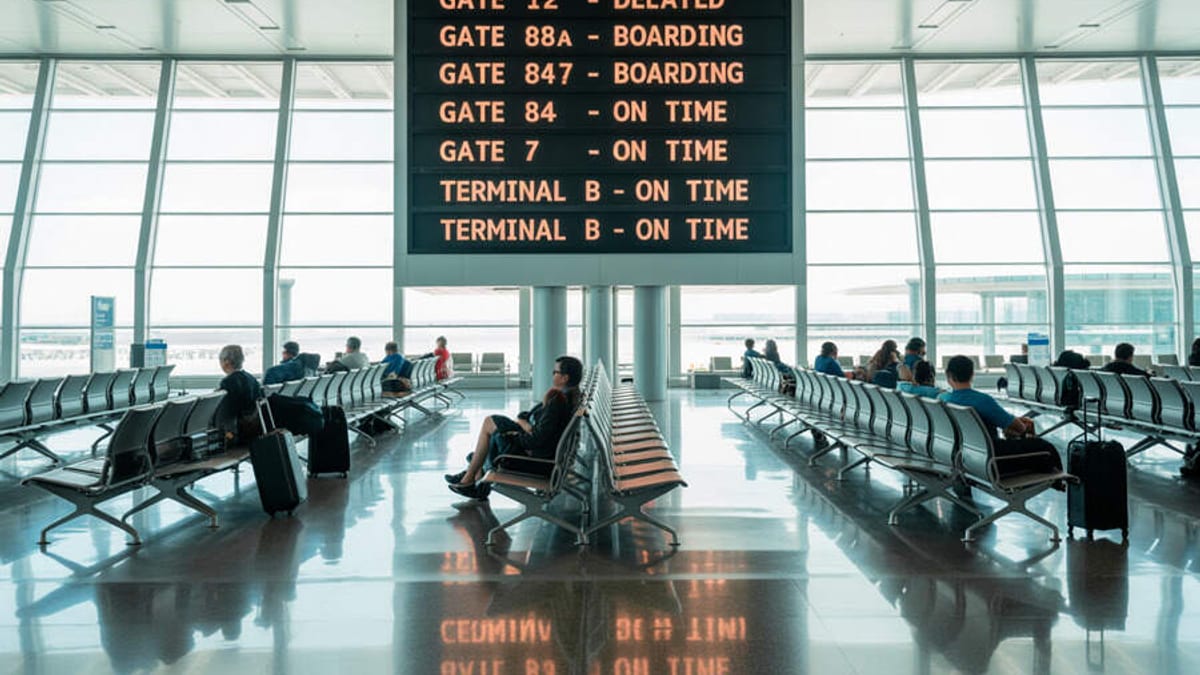
Image by Global Travel Alerts, Advisories, International Travel Alerts
Wider Wave of Airspace Restrictions Reaches Bahrain
Recent regional tensions and safety concerns have prompted Bahrain to align with a growing list of governments responding to airspace risks over parts of the Middle East. Publicly available advisories show that Bahrain has implemented restrictions and operational limits affecting flights in its flight information region, adding to measures already taken by the United States, India, Australia, Germany, France, Canada and several other states.
The moves broadly mirror earlier steps by Western and Asian governments that have warned airlines away from designated conflict zones or imposed limitations on overflights at certain altitudes. In many cases, these advisories apply not only to national carriers but also to any operator registered in those jurisdictions, effectively shrinking the pool of airlines willing or able to use affected corridors.
For international travelers, these changes translate into longer routings, potential technical stops and an elevated risk of last minute schedule revisions. Airlines have been recalibrating flight paths across the Gulf region and beyond, increasing flying times and operational costs while attempting to maintain basic connectivity for key markets in Europe, North America and Asia.
Industry analysts note that Bahrain’s decision underscores how regional airspace challenges have shifted from isolated notices to a more coordinated global response. Carriers now face a complex web of national restrictions, each with its own safety guidance, timelines and compliance requirements that must be met on a flight by flight basis.
Global Governments Tighten Guidance on Middle East Overflights
Authorities in major aviation markets such as the United States, India, Australia, Germany, France and Canada have steadily strengthened their guidance for airlines operating in or near conflict affected areas. Public documents from aviation regulators and risk advisory bodies indicate that operators are being urged to avoid specified flight information regions, exercise extreme caution along certain airways, and continuously review risk assessments for routes crossing the Gulf and surrounding territories.
These measures reflect a more cautious posture toward overflight risk, influenced by past incidents in other parts of the world where civilian aircraft were caught in the vicinity of military activity. While formal airspace closures remain relatively limited, layered restrictions and advisories are achieving a similar practical effect by steering commercial traffic away from contested skies.
European agencies in particular have been updating conflict zone information bulletins with revised validity dates and expanded geographic scope. This has created a dynamic environment in which route planners must track frequent changes and airlines must rapidly adjust networks to remain in compliance while preserving commercially viable schedules.
The convergence of guidance from North American, European and Asia Pacific regulators has contributed to a de facto reconfiguration of key long haul corridors. Flights linking Europe and North America with South Asia, Southeast Asia and Australasia are increasingly routed along more southerly or northerly tracks, depending on the carrier and its regulatory obligations.
Etihad Airways Extends Travel Waiver for Disrupted Itineraries
Against this backdrop, Etihad Airways has broadened and extended its travel waiver policy for customers whose plans are affected by airspace restrictions and operational disruptions. According to publicly available information shared through airline communications and traveler updates, the Abu Dhabi based carrier is allowing eligible passengers greater flexibility to change travel dates, reroute journeys or request refunds.
The extended waiver generally applies to tickets issued before specified cutoff dates, with original travel falling within particular time windows during the current period of disruption. In many cases, travelers are permitted to rebook onto alternative Etihad operated flights within an extended validity period without incurring change fees, although fare differences may apply if the new itinerary is more expensive.
Etihad has also advised passengers to monitor flight status closely before heading to the airport, reflecting the possibility of last minute operational changes as airspace conditions and regulatory directives evolve. Reports from passenger channels indicate that affected customers are receiving direct notifications outlining their options, including rebooking, credit vouchers and, in certain cases, full refunds.
The decision to prolong the waiver aligns Etihad with a broader industry trend in which Gulf and global carriers are offering enhanced flexibility to manage widespread schedule volatility. Such policies are designed to reduce customer uncertainty and limit airport congestion while airlines and regulators work through a fluid operational landscape.
Operational Impact on Routes Across the Gulf and Beyond
The combination of Bahrain’s restrictions and similar policies from other governments is reshaping traffic flows across the Gulf region. Airlines are increasingly opting for detours that bypass the most sensitive airspace, adding flight time and fuel burn but reducing exposure to rapidly changing risk profiles. For some carriers, the operational impact includes temporary suspension of routes, consolidation of frequencies or deployment of different aircraft types that can accommodate revised fuel and payload requirements.
Travelers connecting through major hubs in the Middle East are experiencing a mix of schedule changes, extended layovers and, in some cases, short notice cancellations. Airlines are attempting to mitigate these effects by adjusting bank structures at their hubs, re timing departures to align with new routings and prioritizing high demand city pairs where feasible.
Bahrain’s position in regional aviation means that its stance on airspace usage is particularly relevant for flights linking nearby hubs and secondary cities. Restrictions over or around Bahraini airspace can affect not only direct services to the kingdom but also through traffic that would normally transit the area en route between other destinations.
Logistics and cargo operations are also feeling the effects of rerouting. Freight forwarders and integrators have reported longer transit times and the need to redesign multimodal solutions that combine air, sea and land segments to maintain service reliability on key trade lanes passing through or near the Gulf.
What Travelers Should Watch in the Coming Weeks
For passengers planning trips involving the Middle East, Europe, North America or South Asia in the near term, the evolving pattern of airspace restrictions and airline waivers remains a critical factor. Travel specialists recommend that customers pay close attention to the specific eligibility criteria of Etihad’s extended waiver and similar policies from other carriers, including ticket issuance dates, original travel periods and deadlines for rebooking.
Because measures by Bahrain, the United States, India, Australia, Germany, France, Canada and other countries may be updated with limited notice, travelers are advised to check both airline operational updates and official travel advisories before departure. This is especially important for itineraries relying on tight connections through regional hubs, where even modest schedule changes can disrupt onward journeys.
Industry observers expect that airlines will continue to adjust networks as risk assessments and regulatory guidance evolve. If airspace constraints persist, carriers may further consolidate services, extend flexible booking policies or introduce additional temporary capacity on alternate corridors that remain open.
In the meantime, Etihad’s decision to extend its travel waiver offers affected passengers a measure of flexibility at a time of heightened uncertainty. For many travelers, understanding the scope of available options and acting quickly to secure revised itineraries will be key to keeping long planned trips on track.