

More news on this day
Bali is consolidating its reputation as one of the world’s most sought-after destinations, drawing millions of visitors with its rich Hindu culture, dramatic volcanic landscapes and expanding menu of adventure travel experiences, even as local authorities refine tourism rules to protect the island’s environment and traditions.
Get the latest news straight to your inbox!
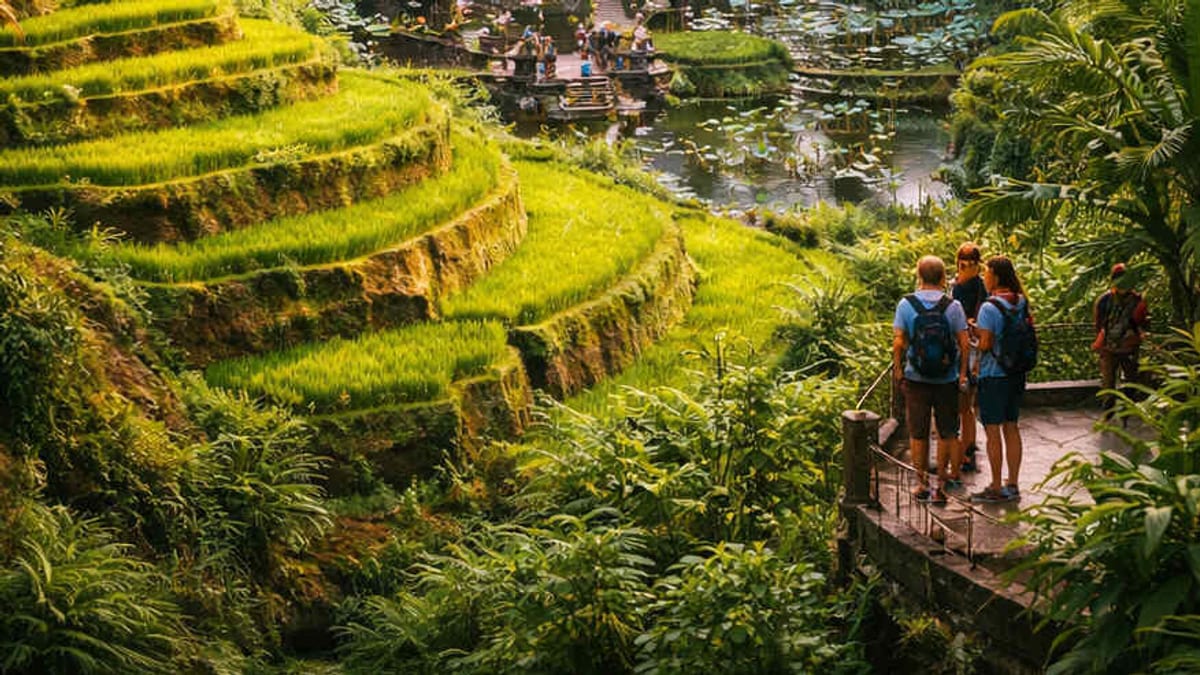
Image by Travel And Tour World
Tourism Rebound Positions Bali Among Global Leaders
Recent visitor data indicates that Bali has not only recovered from the pandemic downturn but is now surpassing previous records, reinforcing its role as Indonesia’s flagship destination within a global tourism market that reached roughly 1.45 billion international arrivals in 2024. National statistics consistently list Bali at the top of Indonesia’s most visited regions, and regional media report that the island welcomed more than 6 million international visitors in 2024 and over 7 million in 2025, underscoring sustained growth.
Industry analyses describe Bali as a benchmark for Southeast Asian tourism, citing its mix of accessible pricing, established hospitality infrastructure and a broad spectrum of experiences from beach resorts to rural homestays. Travel and lifestyle publications continue to feature the island prominently in destination rankings, while hospitality awards for properties in areas such as Nusa Dua, Uluwatu and Ubud highlight Bali’s competitiveness in the global resort market.
Observers note that this growth is increasingly shaped by policy choices aimed at higher quality and more responsible tourism rather than sheer volume. The introduction of a local tourism levy for foreign visitors in 2024, followed by updated visitor guidelines through a 2025 circular letter, points to a deliberate strategy to ensure that arrivals translate into sustainable economic benefits and more respectful engagement with the island’s communities.
Cultural Magnetism Underpins Bali’s Appeal
Bali’s enduring pull is rooted in its distinctive Hindu culture, which is interwoven with daily life and visible across the island in offerings, shrines and elaborate ceremonies. Travel reporting emphasizes that visitors are drawn not only to iconic temples such as Besakih, Tanah Lot and Lempuyang, but also to neighborhood rituals and processions that unfold in villages and urban districts alike, offering a sense of immersion rarely found in other mass-market beach destinations.
Publicly available information on the island’s new code of conduct shows that cultural preservation is central to current tourism policy. The 2025 guidelines outline expectations for modest dress at temples and other sacred sites, discourage disruptive behavior around religious ceremonies and call for greater awareness of Balinese customs, from temple etiquette to the observance of Nyepi, the annual day of silence. These measures position culture not simply as a marketable asset but as a foundation that visitors are asked to respect.
At the same time, cultural events remain a major draw. Coverage of Bali’s arts and festival calendar highlights regular dance performances, gamelan concerts and craft markets from Ubud to Gianyar, as well as film, music and wellness festivals that attract international audiences. Many of these events are framed by local organizers as opportunities to share Balinese heritage on contemporary platforms, expanding the island’s profile while reinforcing community identity.
From Surf Breaks to Volcano Ridges: A Hub for Adventure Travel
The island’s geography allows Bali to market itself as an adventure playground in addition to a cultural and wellness retreat. Travel features spotlight world-class surf breaks in Canggu, Uluwatu and Keramas, along with diving and snorkeling sites around Nusa Penida, Nusa Lembongan and the northeast coast that offer encounters with manta rays, coral gardens and historic wrecks. Rafting on rivers such as the Ayung and Telaga Waja, canyoning in forested gorges and mountain biking through terraced rice fields further broaden the adventure portfolio.
Hiking and trekking are also gaining prominence, with sunrise ascents of Mount Batur and more demanding treks on Mount Agung frequently cited in guide materials. Operators increasingly pair these activities with environmental messaging, reflecting a wider industry pivot toward low-impact, small-group experiences. Reports on sustainable tourism in Indonesia point to Bali as a testing ground for nature-based products that can boost local livelihoods while encouraging visitors to engage more thoughtfully with fragile ecosystems.
The adventure segment is being supported by improvements in infrastructure and services, including better road links to northern and eastern regions and the growth of certified guides and equipment providers. At the same time, new regulations around traffic safety and licensed operators signal an attempt to reduce accident risks associated with motorbike rentals and informal tour services, which have been recurring concerns in regional coverage.
Digital Nomads and Long-Stay Travelers Add New Energy
Bali’s rise is also tied to its popularity with remote workers and long-stay visitors, particularly in areas like Canggu, Berawa and Ubud, where coworking spaces, cafes and coliving hubs have proliferated. Academic research published in 2026 on digital nomad infrastructure points to Bali as a prominent case, noting the emergence of high-speed broadband, 5G coverage in key corridors and a cluster of shared offices that serve an international community of freelancers and entrepreneurs.
Specialist rankings of beach destinations for remote work, as well as tax and visa indexes for digital nomads, often reference Bali as a notable example of a traditional holiday island that has evolved into a year-round lifestyle destination. Analysts suggest that this segment diversifies the tourism base by extending stays beyond the typical two-week vacation pattern and supporting businesses such as language schools, wellness studios and creative agencies.
Policy developments are reshaping how these travelers interact with the island. National immigration reforms announced for 2025 streamlined several visa categories, while separate coverage of Bali’s tourism rules clarified that working on a standard tourist visa is treated as a violation. Advisory articles aimed at foreign residents and remote workers underscore the need to align stay arrangements with the updated visa framework, reflecting a broader effort to balance openness with regulatory oversight.
New Rules Aim to Balance Growth With Sustainability
Bali’s emergence as a leading global destination is unfolding alongside a tightening of tourism regulations designed to address overtourism, environmental pressures and a minority of high-profile behavior incidents. According to regional news outlets, Circular Letter Number 7 of 2025 sets out obligations and prohibitions for foreign tourists, including requirements to use licensed guides for certain activities, exchange currency only at authorized providers and comply fully with local traffic laws when renting motorbikes or cars.
The same guidelines reinforce the island’s waste reduction campaign by discouraging single-use plastics and encouraging visitors to participate in local cleanliness initiatives. Reports note that the foreign tourist levy introduced in 2024 is earmarked for cultural preservation and environmental management, suggesting that rising arrivals will be more directly linked to conservation funding and community programs.
Travel analysts argue that these measures form part of a broader repositioning of Bali from a low-cost mass tourism stop to a destination that prioritizes quality and responsibility. Commentary in international media describes the island as an early test case for how popular beach destinations can maintain global appeal while setting clearer expectations for visitor conduct, resource use and community impact.
Despite occasional concerns about crowding and regulation fatigue, current trends show that interest in Bali remains strong across multiple segments, from first-time holidaymakers and adventure seekers to wellness travelers and remote workers. For now, the combination of vibrant culture, striking natural scenery and increasingly structured tourism management is helping the island hold its place near the top of travelers’ global wish lists.