

More news on this day
Bali is on track for a record breaking tourism year in 2026, with recent data and industry projections indicating that international arrivals are nearing seven million, cementing the Indonesian island’s status as one of the world’s most sought after cultural and beach destinations.
Get the latest news straight to your inbox!
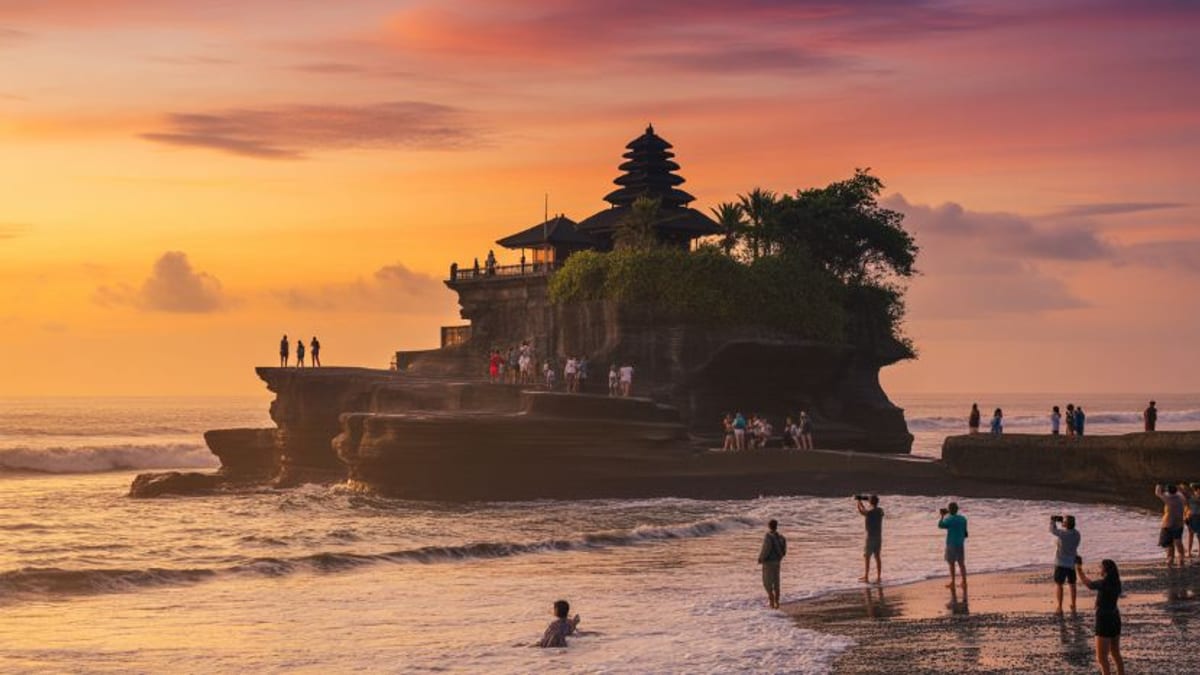
Image by Travel and Tour World – Tourism, Airline, Destination, MICE, Gobal Travel Market, Hotel news that you will find only over here.
A Record Surge Built on Post-Pandemic Recovery
Recent figures from Bali’s statistics agency and airport operators show that international arrivals have climbed steadily since borders reopened, with 6.33 million foreign tourists recorded in 2024 and close to seven million by air and sea in 2025, setting the stage for another peak in 2026 as capacity and routes expand further.
Industry analyses covering early 2026 note that passenger movements at I Gusti Ngurah Rai International Airport have been running above last year’s levels during major holiday periods, suggesting that the island is now moving beyond recovery into a new phase of record volume.
Travel and investment reports describe Bali as a standout in Southeast Asia’s rebound, with international visitors accounting for a growing share of traffic and average spending edging higher as the market tilts toward long haul travelers and premium segments.
At the same time, local planners have signaled a shift in focus from pure numbers to what is often framed as quality tourism, emphasizing culturally respectful travel, environmental protection and better management of visitor flows across the island.
Culture, Temples and Landscapes Driving the Boom
The current surge is closely tied to the island’s longstanding appeal as a center of Balinese Hindu culture, where ceremonies, offerings and dance remain woven into daily life and are prominently showcased in established visitor hubs from Ubud to coastal temple sites.
Historic temples such as Tanah Lot on the west coast, cliffside Uluwatu in the south and the water temples of central and eastern Bali have featured heavily in recent destination marketing, reinforcing the perception of Bali as a living spiritual landscape rather than a purely resort driven destination.
Beyond religious sites, the island’s terraced rice fields around Tegallalang, volcanic highlands near Mount Batur and quieter northern and eastern coasts have been promoted as alternatives to crowded beaches, encouraging travelers to extend their stays and disperse spending into rural communities.
Reports from regional tourism analysts suggest that this broader mix of cultural attractions and natural scenery has helped Bali appeal simultaneously to first time visitors seeking iconic photo spots and repeat travelers looking for slower, more immersive experiences.
New Rules, Tourism Levy and Visitor Conduct
Growth is being accompanied by regulatory changes that visitors in 2026 need to understand before arrival, including a provincial tourism levy of 150,000 rupiah per international traveler, introduced to support cultural and environmental programs across Bali.
Publicly available information from the Bali provincial government describes the levy as a local fee separate from national visas, generally payable online through approved platforms or at designated payment points, with travelers encouraged to complete the process before exploring the island.
In addition, new provincial level rules scheduled for full implementation in 2026 are designed to better screen foreign visitors, focusing on financial preparedness, length of stay and planned activities, as authorities seek to discourage behavior that conflicts with local norms or circumvents immigration rules.
Guidelines circulated through government and tourism industry channels also emphasize dress codes at temples, respect for ongoing ceremonies, prohibitions on climbing sacred structures and stricter enforcement of traffic and accommodation regulations in popular areas.
Practical Entry Information and On the Ground Logistics
Most international visitors arrive at I Gusti Ngurah Rai International Airport near Denpasar, where a dense schedule of flights from Australia, Southeast Asia, the Middle East and parts of Europe has underpinned the latest surge in arrivals and brought pre pandemic level connectivity back to the island.
Travel advisories and airline guidance indicate that many nationalities continue to use Indonesia’s visa on arrival system, which requires a valid passport with sufficient remaining validity, proof of onward travel and payment of a visa fee on entry, although some travelers may be eligible for e visas obtained in advance.
The airport is connected to major tourist zones by toll road and arterial routes, but increased passenger volumes have led to more frequent congestion, particularly around peak arrival banks and long weekends, leading local tourism bodies to encourage pre booked transfers and realistic transfer times for connecting domestic flights.
Accommodation data compiled by hotel associations for 2025 points to high occupancy in south Bali beach areas and Ubud during peak seasons, making early reservations advisable for 2026 trips, especially for visitors seeking boutique stays, wellness retreats or villas with specific amenities.
Balancing Overtourism Concerns with Sustainable Experiences
The return to record numbers has revived longstanding debates about overtourism in Bali, including pressure on water resources, traffic congestion, waste management and the cultural impact of large visitor numbers in traditionally quiet villages and temple complexes.
Provincial policy documents and recent sustainability reports for the island highlight efforts to direct more visitors toward lesser known regions, expand community based tourism products and support cultural preservation through channeling a portion of the tourism levy into heritage and environmental projects.
Travel advisories aimed at international audiences increasingly encourage visitors to choose licensed guides, respect zoning rules for short term rentals, minimize plastic waste and support locally owned businesses, all framed as practical steps individual travelers can take to help Bali manage its rapid growth.
As 2026 unfolds, the combination of record arrivals, new regulations and mounting sustainability initiatives is reshaping what it means to visit Bali, asking travelers not only to enjoy temples, beaches and rice terraces, but also to participate in a more responsible model of island tourism.