

More news on this day
Bangkok has secured a place among Asia’s top city rankings for 2026, with a series of newly released indices and travel surveys highlighting Thailand’s capital as one of the region’s leading urban destinations for tourism, competitiveness and lifestyle.
Get the latest news straight to your inbox!
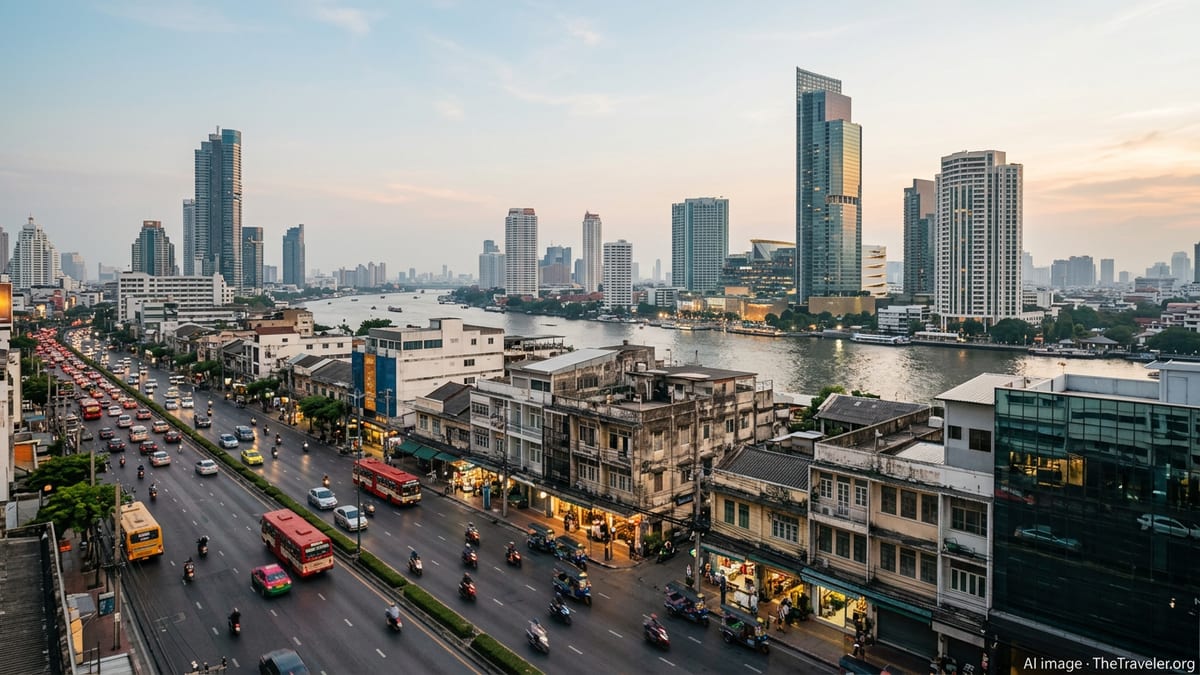
Multiple 2026 Rankings Push Bangkok to the Forefront
Recent 2026-focused rankings from travel and urban research organizations point to a clear trend: Bangkok is consolidating its position among Asia’s top cities. DestinAsian’s Readers’ Choice Awards 2026 name Bangkok the Best City in Asia, placing it at the head of a regional top 10 list that includes long-established hubs such as Tokyo, Singapore and Hong Kong, and reinforcing the Thai capital’s status in the upper tier of Asian destinations.
Complementing that recognition, Time Out’s newly published 2026 World’s Best Cities list places Bangkok within the global top 10 and among the highest-ranked Asian cities. The survey, which draws on resident feedback and expert assessment, focuses on everyday quality of life as well as travel appeal, emphasizing factors like walkability, nightlife, culture, food and affordability. Bangkok’s strong showing in this list confirms its position within Asia’s urban elite.
These achievements follow Bangkok’s recent appearance in broader global city reports such as the World’s Best Cities 2026 ranking by Resonance Consultancy, where it has been climbing steadily through the tiers. The convergence of tourism awards and multi-metric city indices suggests that Bangkok is now viewed as more than a stopover or short-stay destination, and firmly as one of Asia’s leading metropolitan centers.
Tourism Momentum Lifts Bangkok’s Regional Standing
Bangkok’s advance in Asia’s top city rankings is closely tied to its robust tourism performance heading into 2026. Euromonitor International and related industry analyses have identified the city among the world’s most visited destinations, with projections indicating that Bangkok remains a key gateway for international arrivals to Asia. Travel-focused data from eDreams ODIGEO’s Year in Travel and other platforms show Bangkok as one of the most searched global destinations for 2026, signalling continued demand from long-haul and regional travelers alike.
Newspaper and trade coverage of The New York Times’ “52 Places to Go in 2026” list reports that Bangkok has been placed within the top tier of global destinations, and as one of the highest ranked cities in Asia. That visibility has amplified the capital’s profile among international travelers considering where to go next, especially those seeking cities that combine major-city dynamism with distinctive local character.
Regional tourism studies further highlight Bangkok’s role as a primary entry point to Southeast Asia, feeding travel flows to secondary Thai destinations such as Phuket and Chiang Mai as well as neighboring countries. With air connectivity expanding and a dense hospitality network that ranges from budget stays to luxury hotels, the city’s tourism infrastructure supports the rankings that now place it securely among Asia’s top urban destinations.
Urban Competitiveness and Liveability Indices Recognize Progress
Beyond visitor numbers, Bangkok’s inclusion in Asia’s top city rankings for 2026 reflects its improving performance in broader measures of competitiveness and liveability. The 2025/2026 Global South City Competitiveness Index highlights Bangkok as one of the leading cities in emerging economies, citing its role in trade, services and regional logistics. In this benchmark, the Thai capital is grouped with a short list of high-performing metropolitan areas that are considered standard-setters for urban growth in the Global South.
The World’s Best Cities 2026 report produced by Resonance Consultancy also places Bangkok in the top ranks globally, with especially strong scores in categories related to “lovability,” culture and nightlife. Coverage of the report notes that while Bangkok still faces challenges in areas such as transit and air quality, its improvements in tourism recovery, creative industries and investment have contributed to its elevated position among Asian peers.
Other analytical publications on liveability and urban performance show Bangkok gradually improving its scores over recent years. While the city may not yet match the highest-performing Asian capitals on every infrastructure or environmental metric, its upward trajectory across multiple indices supports the view that Bangkok is advancing into the upper echelon of regional cities.
Culture, Food and Everyday City Life Drive Appeal
Survey-based rankings repeatedly point to the same set of strengths underpinning Bangkok’s climb into Asia’s top 10 city rankings: cultural richness, culinary diversity and an energetic street-level experience. DestinAsian’s awards coverage highlights Bangkok’s temples, riverside neighborhoods and historic districts, alongside its contemporary design hotels and rooftop bars, as key elements in the city’s appeal to regional and long-haul travelers.
Time Out’s assessments similarly emphasize everyday experiences rather than only marquee attractions. Respondents and reviewers cite Bangkok’s street food scenes, markets and nightlife, as well as its growing roster of galleries, co-working spaces and creative districts. These characteristics have helped the city stand out against strong competition from other Asian metropolises that may score higher on formal infrastructure but lack the same perceived vibrancy and affordability.
Bangkok’s reputation as a city that can be both budget-friendly and aspirational adds to its draw. Visitors and residents can access neighborhood eateries and local transport at relatively low cost, while high-end hotels, shopping malls and fine-dining venues cater to premium demand. This mix of accessible daily life and headline attractions is frequently cited in the rankings that now place Bangkok among Asia’s top cities for 2026.
Implications for Thailand’s Regional Role
Bangkok’s ascent into Asia’s top city rankings for 2026 has broader implications for Thailand’s position in the region. Strong city-level performance aids the country’s efforts to attract investment, host international events and promote new industries such as digital services and creative sectors. City competitiveness reports note that metropolitan hubs like Bangkok often function as gateways for national economies, shaping global perceptions of their dynamism and openness.
Published commentary from Thai and regional media suggests that the city’s stronger ranking profile may support policy efforts aimed at upgrading public transport, expanding green spaces and improving environmental resilience. As Bangkok appears more frequently alongside Asia’s top-ranked cities, expectations for ongoing improvements in urban management, livability and sustainability are likely to increase.
For travelers, the clustering of high-profile recognitions in 2026 means Bangkok is set to feature prominently in trip-planning decisions for the coming years. For policymakers and businesses, the city’s top-tier status within Asia’s city rankings underscores both the opportunities and the responsibilities that come with greater global visibility, as Bangkok seeks to balance rapid growth with the qualities that have propelled it into the region’s top 10.