

More news on this day
A fresh round of sudden flight cancellations by Bangkok Airways, China Eastern Airlines, Gulf Air and other carriers has left passengers stranded at Bangkok’s Suvarnabhumi Airport, disrupting key regional links to Shanghai, Manama, Kuala Lumpur and several other cities as airlines react to wider airspace and operational challenges.
Get the latest news straight to your inbox!
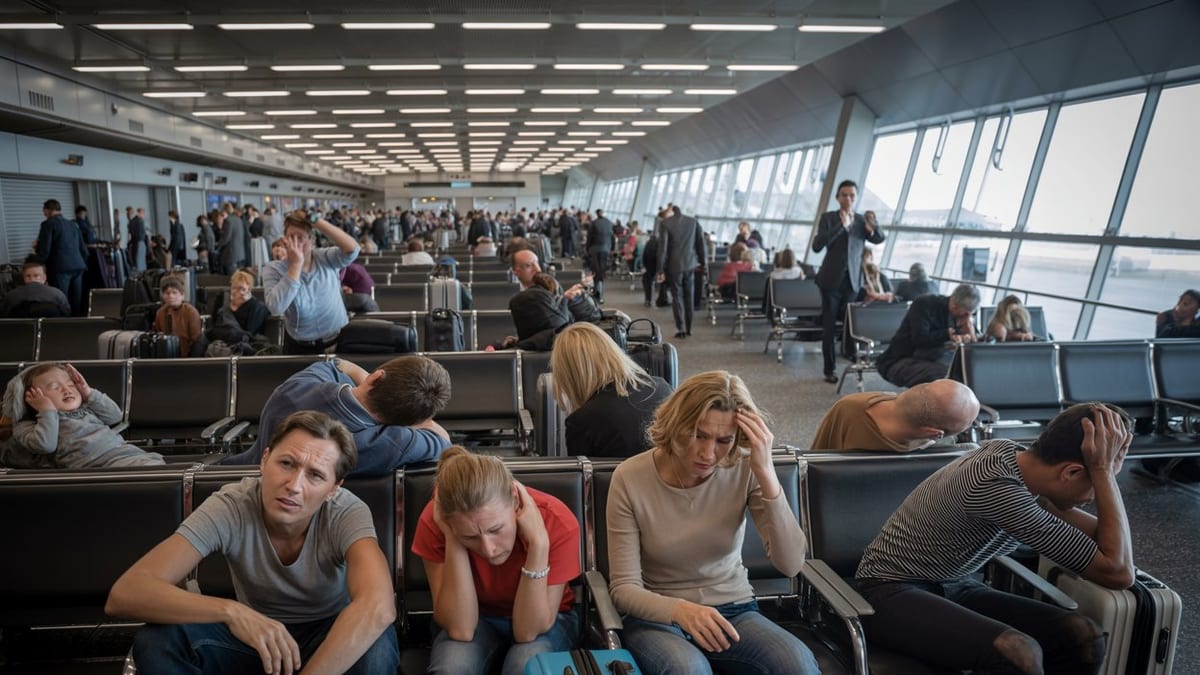
Four High Profile Cancellations Hit Bangkok on the Same Day
Recent operational data and published airline updates indicate that at least four high profile flights serving Bangkok’s Suvarnabhumi Airport were withdrawn from schedules or cancelled at short notice, affecting services to Shanghai, Manama, Kuala Lumpur and an additional regional destination. While details vary by carrier, the result for travelers has been the same: crowded departure halls, long rebooking queues and rising uncertainty for those using Bangkok as a transit gateway.
Bangkok Airways has reportedly removed a key regional sector from its timetable, affecting passengers connecting through Suvarnabhumi to Southeast Asian destinations. In parallel, China Eastern Airlines has cancelled a Shanghai bound rotation, interrupting one of the main mainland China links used by both leisure and business travelers moving between Thailand and the Yangtze River Delta.
Gulf Air’s schedule adjustments have further complicated connectivity between Bangkok and the Gulf region, with at least one Manama service withdrawn as carriers in the Middle East continue to reshape networks in response to ongoing airspace constraints. Separate reports also point to a cancelled service involving Kuala Lumpur, narrowing options on one of the busiest city pairs in Southeast Asia and forcing some travelers onto indirect routings.
The clustering of these cancellations within a short window has amplified the disruption. Individual incidents involving a single airline are common in regional aviation, but simultaneous action by multiple carriers at a hub as busy as Suvarnabhumi has created a ripple effect across onward connections throughout Asia and the Middle East.
Regional Airspace Disruptions and Operational Pressures
A review of publicly available aviation briefings and industry coverage suggests that the cancellations at Bangkok are not isolated events but part of broader instability across Asian and Gulf air corridors. Recent analyses of traffic flows highlight repeated disruptions around key Middle Eastern airspace, prompting rerouting, extended flight times and schedule thinning on some long haul and connecting services.
Gulf carriers, including Gulf Air, have already been adjusting networks to navigate these constraints, at times shifting aircraft to alternative hubs or intermediate stops to keep core routes viable. When such changes intersect with aircraft positioning issues, crew duty limits or short term safety assessments, selective cancellations on routes like Bangkok to Manama can emerge with little prior warning for passengers.
For China Eastern Airlines, the cancellations come against a backdrop of intense capacity recalibration across major Chinese hubs such as Shanghai. Traffic growth, changing demand patterns and evolving slot strategies have led to short term switches between aircraft types, frequencies and departure times. In some cases, Bangkok rotations have been among those adjusted, particularly when carriers are trying to protect higher yielding trunk routes while managing fleet utilization.
Short haul regional operators like Bangkok Airways are exposed in a different way. Their networks depend heavily on feeding and distributing passengers from long haul and regional partners. When those partners alter schedules or temporarily suspend flights, it can undermine the commercial logic of certain spokes, leading the airline to pull specific flights from the timetable or consolidate services to maintain load factors and control costs.
Stranded Passengers Face Long Queues and Limited Alternatives
Travel forums, social channels and local media coverage from late March describe scenes of stranded travelers at Suvarnabhumi seeking new itineraries after finding their departures cancelled or heavily delayed. Many passengers had onward connections through Shanghai, Manama or Kuala Lumpur and suddenly faced the prospect of overnight stays, missed tours or lost business appointments.
Rebooking has proved particularly challenging for those relying on Middle East connections to Europe, as ongoing airspace disruptions have already compressed capacity on several key corridors. Travelers report that some alternative routings involve detours through secondary hubs or require multiple stops, increasing both journey time and cost.
Those affected by the China Eastern cancellation are encountering a different bottleneck. Shanghai is a critical gateway for flights deeper into mainland China, North Asia and Europe. When one of the Bangkok to Shanghai legs disappears, seats on remaining services and competing carriers can quickly sell out, especially during peak travel weeks or holiday periods.
In the case of the affected Bangkok Airways and Kuala Lumpur services, passengers may still find alternatives on other airlines operating the same city pair, but these options often involve higher last minute fares. Travelers caught in the middle of these disruptions are also raising concerns about communication, noting that in some instances notifications of schedule changes or cancellations arrived only hours before departure.
What Travelers Flying Through Bangkok Should Do Now
Given the combination of airline specific decisions and wider regional constraints, travelers planning to pass through Suvarnabhumi in the coming days and weeks are being advised by travel industry commentators to monitor their bookings closely. Checking flight status repeatedly in the 24 to 48 hours before departure can provide early warning of changes and create a small window to secure better alternatives.
Public guidance from consumer organizations and aviation analysts emphasizes the importance of understanding ticket conditions. Travelers who booked through online travel agencies may need to work through those intermediaries for rebooking or refunds, which can slow response times when cancellations occur suddenly. Those who purchased directly from airlines may have more flexibility to shift to different dates, routes or partner carriers on the same ticket stock.
Observers also note that passengers with time sensitive connections through Shanghai, Manama or Kuala Lumpur should consider building longer layovers into their itineraries where possible. A modest buffer can absorb minor delays and reduce the risk of misconnecting when schedules are in flux. In extreme cases, some travelers are choosing to route around affected corridors entirely, even if it means slightly longer journeys via alternative hubs.
For those already stranded in Bangkok, airport information desks, airline service counters and accredited travel agents in the terminal remain the primary channels for real time options. While hotel and meal support policies differ by carrier and ticket type, keeping receipts and documenting communication with airlines can be important if passengers later seek compensation under applicable consumer protection frameworks.
Outlook for Routes Linking Bangkok With Shanghai, Manama and Kuala Lumpur
Industry commentary suggests that the underlying demand for travel between Bangkok and key cities such as Shanghai, Manama and Kuala Lumpur remains strong, driven by tourism, trade and labor migration. The recent cancellations appear more closely tied to temporary operational and airspace constraints than to structural weakness in these markets.
In China, airlines including China Eastern continue to adjust capacity season by season, and there are indications that carriers plan to maintain or even expand overall international connectivity from hubs like Shanghai over the medium term. This implies that Bangkok services are likely to remain part of core regional networks, though individual flight numbers and timings may shift.
For Gulf Air and other Middle East based operators, the outlook depends heavily on how quickly regional airspace patterns stabilize. As routes are rebalanced and alternative corridors solidify, Bangkok is expected to retain its role as a key Southeast Asian destination, but some flights may rout via secondary hubs or operate at altered frequencies until conditions normalize.
On the intra Asean side, Bangkok Airways and other regional carriers are positioning themselves to capture resilient tourism flows between Thailand and neighboring countries such as Malaysia. Short term cancellations and consolidations may continue as airlines fine tune schedules, yet the broader trend still points to dense connectivity between Bangkok and Kuala Lumpur and other nearby cities once current operational headwinds ease.