

More news on this day
Bangladesh and Malaysia are moving to deepen cooperation in higher education, skills development and travel, positioning their emerging partnership as a new educational tourism corridor linking South and Southeast Asia.
Get the latest news straight to your inbox!
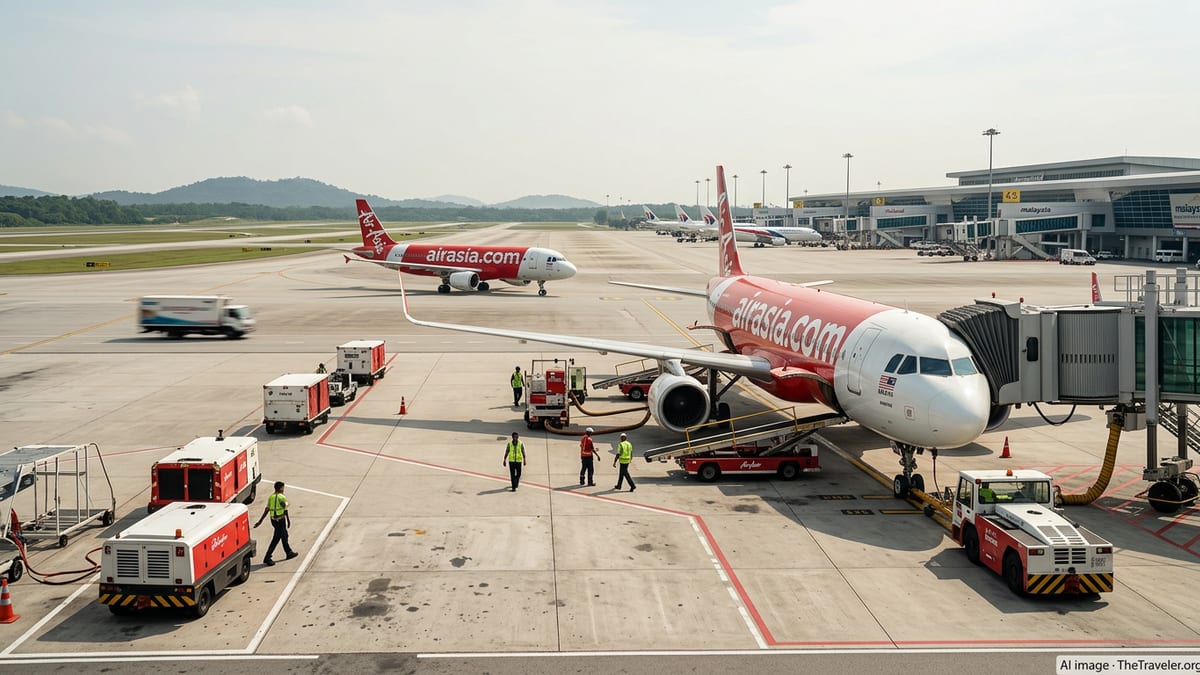
High-level agreements turn focus toward educational tourism
Recent high-level meetings between Dhaka and Putrajaya have placed education and skills development at the center of a wider push to renew bilateral ties. Publicly available information shows that the two governments have agreed to expand collaboration in higher education, joint research and talent development, alongside more traditional areas such as trade and labor mobility.
Reports from regional outlets indicate that one of the new cooperation tracks explicitly highlights educational tourism, with both sides viewing student mobility and short-term training as a way to stimulate air travel, hospitality and related services. The approach aligns with Bangladesh’s interest in diversifying its overseas study destinations and Malaysia’s broader strategy to promote itself as a hub for international education.
The growing policy focus comes at a time when Southeast Asia’s education market is becoming more competitive, as countries seek to attract fee-paying foreign students and position their universities in global rankings. Within this landscape, a structured Bangladesh Malaysia education corridor is being framed as a mutually beneficial pathway for academic upgrading, tourism receipts and long-term people-to-people links.
Analysts note that placing educational tourism on the official agenda allows future agreements to integrate both mobility and visitor experience, encouraging stays that combine study with travel across multiple Malaysian and Bangladeshi destinations.
University MoUs create concrete pathways for students
Alongside government-level initiatives, universities from both countries have been signing a series of memoranda of understanding that give the emerging framework operational detail. In one recent example reported by Bangladeshi media, the State University of Bangladesh concluded an MoU with Malaysia’s INTI International University to deepen cooperation in teaching, research and academic exchange, including student mobility and joint activities on each campus.
Another agreement reported in Dhaka coverage involved International Standard University in Bangladesh and Asia e University in Malaysia, with the two institutions committing to expand higher study opportunities, joint research initiatives and faculty collaboration. These arrangements are positioned as platforms for dual and twinning programmes, allowing Bangladeshi students to begin their studies at home before transferring to Malaysian campuses.
Observers of the sector say that such university-to-university deals are critical in translating diplomatic statements into actual student flows. They typically cover credit transfer, visiting scholar schemes and short-term mobility windows, lowering administrative barriers for participants and giving travel agents and education consultants tangible programmes to promote.
As these partnerships multiply, both countries are expected to see a gradual increase in multi-directional movement, with Malaysian students and academics also gaining structured access to Bangladeshi institutions for research, fieldwork and cultural immersion.
Skills, TVET and labor market needs drive the agenda
Skills development and technical and vocational education and training are at the core of the new collaboration. Malaysia’s recently updated higher education internationalisation policy for 2025 to 2030 highlights TVET, industry linkages and short-course training as key channels for attracting foreign learners, including from South Asia. Public documents describe plans to scale up international internships, professional certifications and applied programmes connected to labor market demand.
Bangladesh, meanwhile, has been prioritising outward mobility in technical and skills-focused areas to support its aspirations for higher productivity and diversified exports. Government planning papers referenced in local reporting show that study missions to Malaysia are being organised to examine global skills ecosystems and gender-responsive TVET models, with the intention of adapting lessons for domestic institutions.
The convergence of these interests allows the two countries to frame educational tourism not only as a degree-focused pipeline, but also as a channel for shorter skills boot camps, industry attachments and professional upskilling. Tourism operators are expected to benefit from cohorts of TVET and professional learners who travel for several weeks or months, often accompanied by family members.
Sector analysts suggest that, over time, a skills-focused corridor could also support more regulated pathways for Bangladeshi graduates to access Malaysian labor market opportunities, particularly in high-demand technical fields. This would link education, mobility and employment within a single policy conversation, while keeping the emphasis on formal qualifications and recognised training routes.
Cultural exchange and soft power enhance the travel offer
Cultural exchange is emerging as an important dimension of the Bangladesh Malaysia education link. Malaysian universities have reported rising participation of Bangladeshi students in multicultural festivals, volunteer projects and youth workshops that emphasise cross-cultural understanding and shared regional futures. Such activities are designed to complement classroom learning and make campuses more attractive for international visitors.
At the same time, Bangladeshi institutions hosting visiting Malaysian students and faculty members are increasingly highlighting heritage, language and community engagement as part of short-term programmes. This includes curated visits to historic sites, coastal regions and emerging tourism destinations, which universities package alongside seminars and laboratory sessions.
Travel sector observers point out that this blend of study and cultural immersion strengthens both countries’ soft power, as alumni often return home with lasting impressions and networks. In practical terms, it also lengthens average stays and spreads spending beyond capital cities into secondary destinations, supporting airlines, hotels and local tour operators.
Over the medium term, the cultural travel component is likely to become a key selling point in marketing campaigns targeting Bangladeshi students and their families, who often look for environments perceived as welcoming, Muslim-friendly and relatively affordable compared with traditional Western study destinations.
Outlook: building a structured South Asia–Southeast Asia education corridor
Looking ahead, policymakers and sector stakeholders are positioning Bangladesh Malaysia cooperation as part of a broader South Asia Southeast Asia education and skills corridor. Malaysia has long promoted itself as a cost-competitive international study hub, while Bangladesh represents one of the region’s fastest-growing outbound student markets, especially at undergraduate and postgraduate levels.
International education data compiled by market researchers and multilateral agencies show that Malaysia already hosts several thousand Bangladeshi students across public and private institutions, with demand concentrated in business, engineering, IT and health sciences. Interest is gradually extending into hospitality, creative industries and TVET programmes that provide clearer links to employment.
As new agreements in higher education and skills development are implemented, observers expect a more structured ecosystem to emerge. This could involve joint promotional campaigns, education fairs that highlight co-branded programmes, and greater coordination between immigration, tourism and education authorities to streamline visa and travel arrangements for students and their accompanying family members.
For now, the latest moves indicate that both countries see educational tourism not merely as a niche, but as a strategic pillar of their bilateral relationship. How effectively Bangladesh and Malaysia turn high-level commitments into accessible, high-quality programmes will shape whether the corridor becomes a model for South Asia Southeast Asia cooperation in the decade ahead.