

More news on this day
A routine American Airlines departure from Charlotte Douglas International Airport turned into an unusual wildlife encounter when a dense swarm of bees clustered on one of the aircraft’s engines, delaying the flight and captivating viewers after video of the incident spread online.
Get the latest news straight to your inbox!
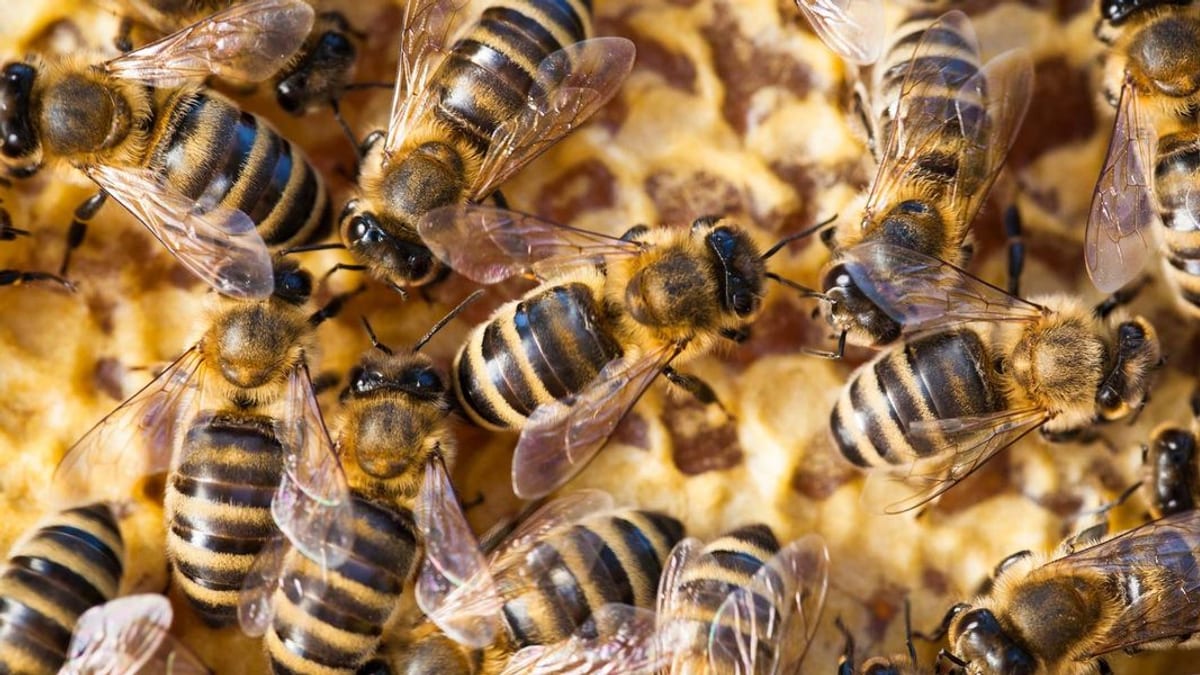
Bee-Covered Engine Brings Boarding to a Halt
According to multiple reports, the incident occurred at Charlotte Douglas International Airport when ground crews and passengers noticed thousands of bees gathering on the outer surface of a jet engine as the aircraft prepared for departure. The flight, operated by American Airlines, was scheduled to leave the North Carolina hub for a domestic destination when activity at the gate abruptly slowed.
Publicly available coverage indicates the insects formed a thick, dark cluster on the engine housing near the front of the aircraft, making it impossible for the plane to taxi safely. Standard pre-departure procedures require engines and surrounding surfaces to be free of hazards, so the aircraft remained parked at the gate while airport personnel assessed the situation.
Video recorded from the terminal windows and onboard seats shows the aircraft stationary with airport staff gathered near the affected engine. The scene drew attention from nearby passengers, many of whom were already seated and ready for pushback before learning that the cause of the delay was an unexpected bee swarm.
Reports indicate the delay lasted roughly an hour before the aircraft received clearance to depart. The flight later continued to its destination without additional disruption.
Viral Video Highlights Unusual Airport Wildlife Encounter
The bee swarm gained wider attention after footage was shared by news outlets and social media accounts focused on viral clips. One video segment, circulated by broadcast partners and online entertainment platforms, shows a close view of the engine shrouded in bees while airport workers in high-visibility vests stand nearby, monitoring the cluster.
Screenshots and clips show ground staff moving cautiously around the aircraft as the insects remain concentrated in a single thick patch. In the background of some recordings, the terminal concourse appears full, with passengers gathered at the windows to watch the scene unfold.
The images quickly drew comparisons to earlier wildlife interruptions that have occasionally disrupted air travel, including reports of birds on runways, animals straying onto taxiways, and previous bee-related delays at other airports around the world. Travel watchers on social platforms highlighted the episode as another example of how even a fully boarded flight can be held up by forces far outside a carrier’s control.
Commentary surrounding the video often mixed mild frustration at the delay with appreciation for the unusual sight. Many online observers noted that the incident seemed to end safely and calmly, which likely contributed to the clip’s lighthearted reception.
Safe Removal Effort Involves Beekeeper and Ground Crew
Coverage of the episode indicates that airport staff called in a beekeeper to manage the removal. The specialist worked alongside ground personnel to detach the swarm from the engine area without harming the aircraft or nearby workers. Visuals from the scene show workers using a container resembling a wooden hive box to collect the bees.
Reports state that the bees were transferred away from the jet and relocated, allowing technicians and ground crew to reinspect the engine exterior. Once the swarm had been cleared and safety checks completed, the aircraft was permitted to resume preparations for departure.
Airlines and airports follow detailed safety protocols whenever foreign objects or wildlife are detected near critical components such as engines, landing gear, or control surfaces. Though the bees never entered the engine itself, their presence on the nacelle was enough to warrant a full stop in activity until the area could be secured.
Observers noted that cabin announcements kept passengers informed about the delay, with some travelers sharing images and short clips in real time as the removal effort unfolded outside their windows.
Bees and Flight Operations: Rare but Not Unprecedented
While an entire swarm settling on an engine remains unusual, bee related disruptions are not entirely new to aviation. Published reports from previous years describe similar incidents at airports in North America and Asia, where large clusters of bees formed on aircraft wings, jet bridges, or boarding stairs, often attracted by sheltered surfaces or residual scents.
In most cases, operations pause until bee experts or trained staff can relocate the insects. The process typically emphasizes both flight safety and pollinator protection, reflecting growing public awareness of the ecological importance of bees.
Industry observers note that these occurrences are infrequent compared with other operational challenges such as weather delays or technical checks. Yet they illustrate how complex the airport environment can be, with everything from wildlife to ground vehicle placement capable of affecting punctual departures.
For travelers, such incidents serve as a reminder that even seemingly minor environmental factors can influence schedules. For aviation planners, they underscore the need for flexible procedures that can adapt to unexpected conditions on the ramp.
Passenger Experience and Travel Takeaways
For passengers aboard the affected American Airlines flight in Charlotte, the bee swarm translated into a relatively modest delay but a highly memorable story. Reports suggest the hold at the gate lasted about an hour, after which the aircraft completed its journey without further incident.
Those already seated during the delay experienced an extended on board wait while the removal unfolded outside, a common scenario when safety issues arise after boarding. Travelers in the terminal watched from a distance, some recording the scene as crews worked around the engine and beekeeper equipment.
For future flyers, travel experts often recommend allowing extra connection time when possible, particularly through major hubs where even minor interruptions can ripple through tight itineraries. Unusual events like a bee swarm are impossible to predict, but broader planning can reduce the stress of missed connections if delays occur.
As the video continues to circulate, the Charlotte incident joins a small but growing list of wildlife related aviation stories that capture public attention. In this case, the bees were safely removed, the aircraft departed, and travelers gained an unexpected glimpse into the many variables that can influence a day of air travel.