

More news on this day
A routine American Airlines departure from Charlotte Douglas International Airport turned into an unlikely viral moment when a dense swarm of bees clustered on one of the aircraft’s engines, forcing ground crews to halt takeoff and passengers to wait while the insects were safely removed.
Get the latest news straight to your inbox!
Unexpected Wildlife Encounter on the Tarmac
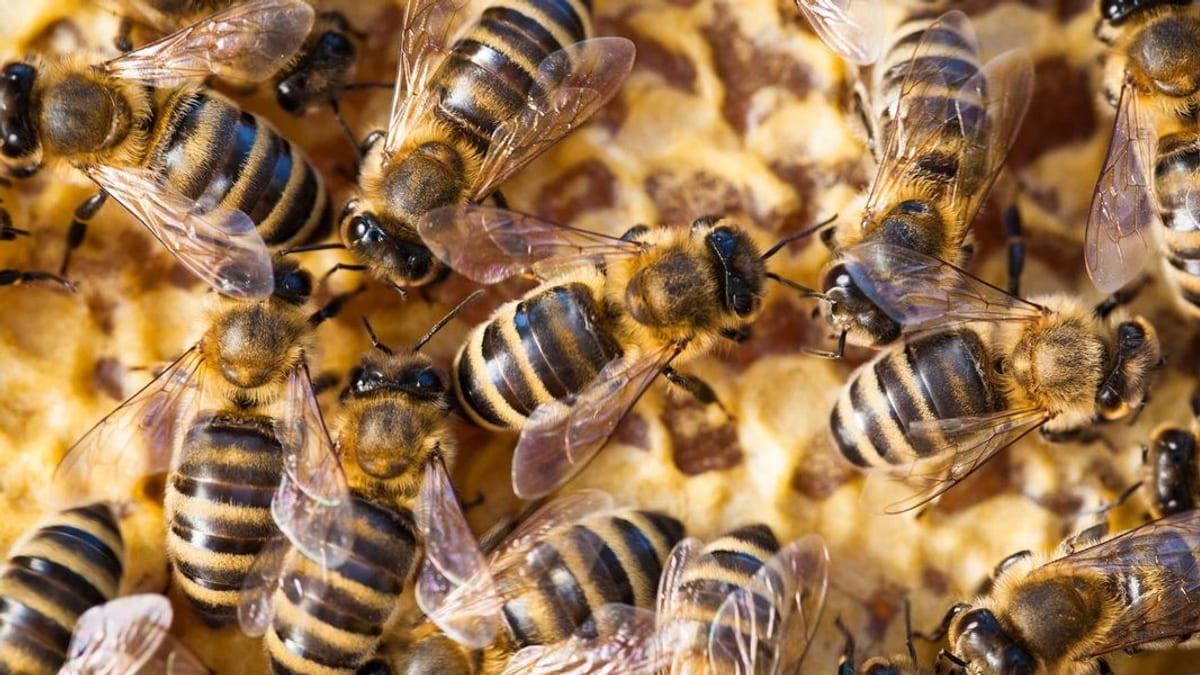
The incident occurred at Charlotte Douglas International Airport as the aircraft prepared to depart for San Francisco. Passengers were seated and ready for pushback when the crew and ground personnel noticed thousands of bees gathering on the outer surface of one of the plane’s turbines, according to multiple media reports.
Video captured from a window seat shows the bees massed around the engine housing while the aircraft remains parked at the gate. The unusual scene quickly drew attention inside the cabin, and later online, as travelers documented the delay from their seats.
Reports indicate the swarm prompted an immediate pause in departure procedures while airport workers assessed the situation. Ground crews kept the aircraft stationary as they coordinated with specialists to remove the bees without harming passengers or equipment.
The delay lasted roughly one hour before the aircraft was cleared to depart. Published coverage notes that there were no injuries reported and no damage to the aircraft as a result of the encounter.
Viral Video Shows Beekeepers at Work
The bee incident gained national attention after a passenger’s video was widely shared on social media and picked up by outlets including WWL in New Orleans and radio and online news platforms. The footage shows beekeepers and airport workers approaching the aircraft on the tarmac as they prepare to deal with the swarm.
In the video, personnel can be seen carefully positioning equipment next to the affected engine area. Reports describe how the bees were gradually coaxed into a special containment box, a standard tool for relocating swarms. The process was carried out at the gate with the aircraft powered down and passengers observing from the cabin windows.
Social media users reacted with a mix of fascination and disbelief at the rare cause of delay. While passengers are accustomed to waiting for weather, maintenance, or air traffic congestion, a mass of bees on an engine falls into a much more unusual category of disruption.
The rapid spread of the video reflects how even brief, localized incidents at airports can reach global audiences in a matter of hours. Clips of the swarm and its removal were reposted across platforms, often accompanied by lighthearted commentary about “nature” affecting flight schedules in unexpected ways.
How Airports Handle Swarming Bees
Bees occasionally settle on vehicles and structures when a hive is relocating, and airports are not immune to that natural behavior. Aviation facilities rely on a mix of wildlife management teams and contracted beekeeping services to handle these situations safely and efficiently.
Publicly available information indicates that when swarms appear on or near aircraft, the priority is to keep people at a safe distance while trained specialists assess the size and location of the cluster. Engines remain off, and any movement of the aircraft is suspended until the swarm is removed.
In Charlotte, reports describe how a beekeeper worked methodically around the engine, transferring the insects into a swarm box for relocation. This approach allows airports to protect passengers and equipment while avoiding the destruction of bees, which play a crucial role in pollination and local ecosystems.
Such incidents are rare compared with more familiar wildlife concerns like birds near runways, but they are part of a broader effort to manage the intersection between busy aviation hubs and the surrounding environment. When they do occur, they tend to be resolved within a relatively short window, as in the Charlotte case.
Minor Delay, Major Online Attention
Reports suggest the American Airlines flight ultimately departed about an hour behind schedule, a relatively modest delay by commercial aviation standards. Passengers continued on to San Francisco without further reported complications, and the aircraft returned to normal service.
Despite the limited operational impact, the bee swarm captured far more attention online than many longer or more disruptive delays. The combination of striking visuals, clear safety procedures, and an unusual explanation for a late departure made it highly shareable content.
The episode also offered a glimpse into behind the scenes coordination at major airports. Even in a case involving insects on an engine instead of mechanical issues or extreme weather, departure decisions still hinge on inspections, risk assessments, and collaboration between airline staff, airport operations, and outside specialists.
For travelers, the story serves as a reminder that not every delay fits the typical patterns seen on departure boards. In this case, a short wait on the tarmac became a viral travel moment, and a rare example of how a swarm of bees briefly grounded a modern jet before both passengers and pollinators were safely on their way again.