

More news on this day
A swarm of bees clustering on the engine of an American Airlines jet at Charlotte Douglas International Airport briefly grounded a flight bound for San Francisco, turning an ordinary departure into a viral social media moment and a reminder of how even small natural intrusions can disrupt modern air travel.
Get the latest news straight to your inbox!
Viral Clip Captures Unusual Tarmac Standoff
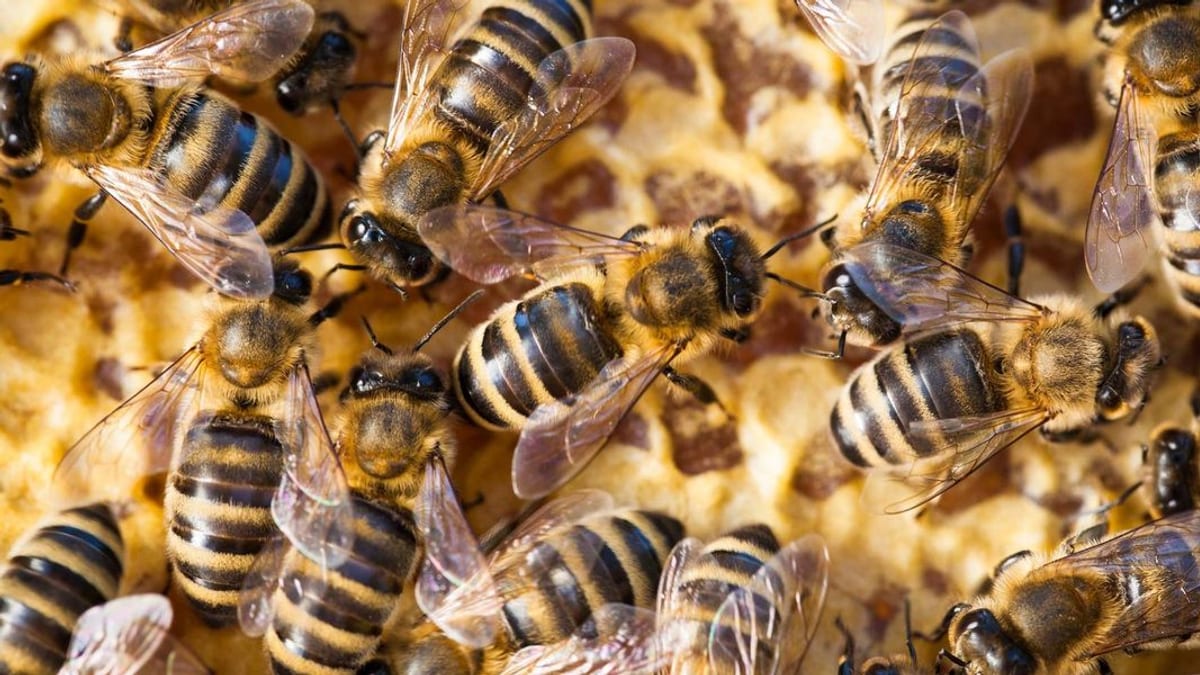
The incident unfolded at Charlotte Douglas International Airport in late March, when passengers preparing for departure noticed an unusually dense cluster of insects on one of the aircraft’s engines. Video recorded from a window seat shows hundreds of bees gathering on the engine cowling while the jet remains parked at the gate.
According to published coverage, the aircraft was scheduled to operate an American Airlines flight from Charlotte to San Francisco. The takeoff was delayed while airport personnel evaluated how to clear the insects safely from the exterior of the plane. Reports indicate the delay lasted roughly an hour before the bees were removed and the flight continued.
The footage gained traction after being shared by regional television outlets and then reposted across social platforms. Viewers were struck both by the surreal image of bees blanketing an airliner and by the passengers’ surprise at seeing their departure paused by pollinators rather than the more typical causes such as weather or crew scheduling.
Publicly available reports do not indicate any injuries to passengers or crew, and there is no suggestion the bees caused mechanical damage. The incident remained largely a curiosity, underscoring how rare it is for wildlife interactions on the tarmac to directly affect departure times.
How Bees End Up on Aircraft
While the Charlotte episode drew attention because of the widely shared video, beekeeping experts note that such swarms are a natural part of honeybee behavior. During warmer months, colonies sometimes divide when a queen and a portion of worker bees leave their hive in search of a new home. In transit, these swarms temporarily cluster on convenient surfaces that offer a place to rest and regroup.
Airport environments, with their broad open spaces and numerous structures, can inadvertently provide attractive resting spots. Smooth, sun-warmed surfaces such as airframes, jet bridges and light poles may appeal to swarming bees seeking a temporary perch. The swarm on the American Airlines jet in Charlotte appeared to use the engine cowling in just that way, forming a compact mass that would have been unstable to disturb without proper handling.
Industry guidance typically calls for airport operators to involve pest management specialists or local beekeeping organizations when significant bee activity is detected near passenger areas or aircraft. The aim is to relocate the insects without harming them whenever possible, while also preventing stings and avoiding interference with equipment.
Reports related to the Charlotte incident indicate that an airport crew was dispatched to deal with the bees before the aircraft pushed back from the gate. Relocation efforts can include gently brushing or vacuuming bees into a transport box and moving them to a more suitable location away from the airfield, depending on local protocols and the availability of specialists.
Operational Safety Takes Priority During Wildlife Encounters
For airlines and airports, even seemingly minor wildlife encounters are treated with caution. While a cluster of bees on an engine nacelle does not pose the same risks as a bird strike during takeoff, any foreign presence on or near key components prompts a careful review. Standard practice is to ensure that surfaces are clear and that insects or debris will not be ingested into engines or obstruct sensors and vents once the aircraft is in motion.
Publicly available aviation safety materials emphasize that crews and ground staff are trained to halt departures if something unusual is observed on the airframe. From loose panels to unexpected wildlife, many potential issues can trigger an additional inspection. Although these checks can frustrate travelers eager to leave on time, they are central to the industry’s layered safety approach.
Wildlife-related disruptions at airports more commonly involve birds, rodents or, in some regions, larger animals straying onto runways. Bee swarms are far less frequent in comparison, but the Charlotte case illustrates how changing weather patterns and urban development can occasionally bring pollinators into closer contact with infrastructure.
In this situation, publicly available reporting suggests the precautionary measures worked as intended. The aircraft remained at the gate while teams dealt with the bees, and the flight departed once the airframe was deemed clear, demonstrating how operational priorities can temporarily outweigh punctuality.
Passenger Reaction and Social Media Buzz
For passengers on board, the delay meant an unexpected wait, but it also provided a front-row view of a rare tarmac scene. The viral video shows travelers filming through the windows as they zoom in on the engine and react to the growing swarm. Some commentary circulating online treated the episode as a moment of levity in an otherwise routine travel day.
Social media users quickly amplified the story, pairing the images with puns about “no-fly zones,” “bee lines” and “frequent stinger miles.” The lighthearted responses contrasted with the more serious tone that often surrounds airline delays, which are frequently linked to storms, technology issues or air traffic congestion.
At the same time, the incident sparked wider discussion about how airlines and airports respond to unexpected disruptions. Commenters highlighted the trade-off between on-time performance and safety, noting that a short delay to handle a wildlife issue is far preferable to pressing ahead with unanswered questions about the aircraft’s condition.
The episode also added to a broader online genre of travel clips that show behind-the-scenes aspects of aviation. From de-icing operations to wildlife removals, such videos offer a glimpse of the complex logistics that keep flights operating, reminding viewers that what happens on the tarmac can be just as eventful as what happens in the cabin.
Bees, Climate and the Future of Travel Disruptions
The bee swarm in Charlotte arrives at a time when many regions are reporting shifts in insect activity corresponding with warmer seasonal patterns. Recent coverage from parts of the southern United States has pointed to higher-than-usual bee activity following mild winters, with pest control services describing an uptick in calls related to hives and swarms in residential areas.
While scientists note that individual incidents cannot be directly tied to long-term climate trends without specific study, aviation observers increasingly consider how environmental changes might influence day-to-day operations. More intense storms, higher temperatures and shifting wildlife behaviors all have the potential to add new variables to an already complex system.
For travelers, the Charlotte bee story serves as a vivid example of an unconventional disruptor. It suggests that as airports coexist with the natural world around them, the range of possible interruptions can extend beyond mechanical issues or airspace congestion to include everything from bees on an engine to birds near a runway.
In practical terms, the incident highlights the importance of flexible scheduling, contingency planning and clear communication when unusual delays occur. Although the bee swarm added only about an hour to the journey, the viral video ensured that this particular delay will be remembered less for the inconvenience and more for the extraordinary sight of pollinators temporarily grounding a modern jet.