

More news on this day
Beijing has been confirmed as the host city for the inaugural China International MICE Exchange (CIMX) in 2026, a new global trade platform that is expected to elevate the Chinese capital’s profile in the international meetings, incentives, conferences and exhibitions sector.
Get the latest news straight to your inbox!
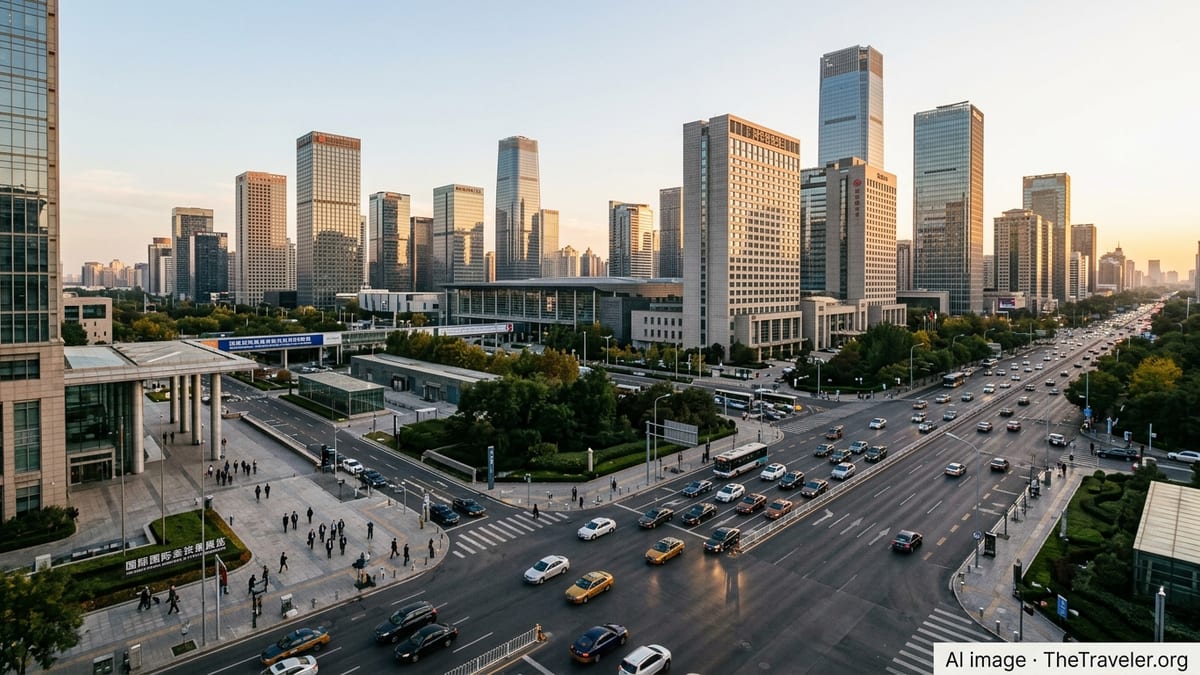
New Global MICE Platform Debuts in Beijing
Publicly available information shows that CIMX, branded as the China International MICE Exchange, will take place in Beijing from 3 to 5 November 2026. The launch positions the event as a dedicated platform for the global meetings and business events industry to connect with China’s fast‑growing MICE market.
According to published coverage and event materials, CIMX 2026 is designed as a combined exhibition, hosted buyer programme and conference focused on the full business events value chain. Organisers indicate that the show will bring together destinations, venues, hotel groups, airlines, cruise operators, technology providers and destination management companies with qualified buyers from China and overseas.
The concept responds to renewed international interest in China as a meetings and incentives destination. Reports indicate that industry stakeholders have been seeking a purpose‑built, internationally oriented MICE platform on the Chinese mainland, following the progressive reopening of borders and the recovery of large‑scale events.
Information shared through industry media highlights CIMX’s core themes of innovation, connection and business opportunities, underlining its ambition to serve as a gateway for global MICE players looking to re‑engage with China.
Why Beijing Won the Right to Host CIMX 2026
Beijing’s selection as host city reflects the capital’s extensive convention infrastructure and its strategic focus on the high‑end services economy. The city is home to major conference and exhibition venues, including the China National Convention Center and multiple large‑scale expo facilities, supported by an expanding hotel inventory and improving transport links.
Recent policy initiatives illustrate how the city is prioritising the meetings and events sector as part of broader economic development goals. Municipal action plans and new digital service platforms for exhibitions are being introduced to streamline approvals, logistics and support services for organisers, reinforcing Beijing’s capability to stage major international trade shows and congresses.
Industry reporting notes that the CIMX launch was accompanied by a strategic memorandum of understanding involving local tourism authorities and Messe Berlin (China), the organiser behind the event. The agreement outlines long‑term collaboration to promote Beijing as a key international business events destination and to strengthen the flow of MICE demand between China and global markets.
For Beijing, hosting CIMX 2026 is expected to complement an already busy calendar of large‑scale fairs, forums and cultural festivals, further diversifying the city’s portfolio beyond established events in sectors such as automotive, technology and trade.
Scale, Format and Target Participants
Advance information on the show indicates that CIMX 2026 aims to attract more than 200 exhibitors, representing a cross‑section of the global MICE supply chain. Destinations, convention bureaux, meeting venues, hotel and resort brands, transportation providers and event technology firms are among the key segments being targeted for participation.
On the demand side, organisers are promoting a hosted buyer model centred on pre‑qualified decision‑makers from corporations, associations and incentive houses in China and abroad. Reports suggest that more than 350 buyers and several thousand trade visitors are expected to attend the three‑day event, supported by thousands of pre‑scheduled one‑to‑one business meetings.
The format is designed as a strictly business‑to‑business marketplace, with curated matchmaking tools and structured networking activities. Publicly available descriptions emphasise that exhibitors and buyers will be able to manage appointments in advance, maximising productivity on the show floor and helping to shorten sales cycles.
Beyond the exhibition and meetings programme, CIMX will feature product presentations and destination showcases intended to highlight new venues, incentive concepts, technological solutions and sustainability initiatives relevant to the global events community.
CIMX Conference to Spotlight Trends and Innovation
Running alongside the trade show, the CIMX Conference is being promoted as a forum for knowledge exchange on the future of meetings and business travel. Agenda details released to date point to sessions on market outlooks, revenue models, digitalisation, event technology and sustainable practices.
Industry coverage notes that both Chinese and international experts are expected to share case studies and research on subjects ranging from data‑driven event design to the integration of artificial intelligence in matchmaking and attendee experience. The conference component is positioned as a way for participants to combine business development with professional education and peer learning.
For domestic stakeholders, CIMX is seen as an opportunity to benchmark against global best practices and to explore new partnerships with overseas destinations and service providers. For international delegates, the Beijing‑based conference offers direct access to insights on regulatory developments, market preferences and buyer behaviour specific to China.
The dual focus on commercial meetings and thought leadership reflects a wider trend in the MICE industry toward blended events that integrate marketplace, content and community under one umbrella.
Implications for Beijing and the Global MICE Map
Observers suggest that hosting CIMX 2026 could strengthen Beijing’s role as a gateway between China and the international business events ecosystem. By situating a globally oriented MICE show in the capital, the organisers are aligning with national and municipal efforts to promote higher‑value services trade, cross‑border investment and knowledge exchange.
The event is expected to generate measurable economic impact through delegate spending on accommodation, dining, transport and ancillary activities, along with longer‑term benefits from future conferences and incentive programmes secured through CIMX‑facilitated connections. Local suppliers, including event agencies, technology firms and specialised service providers, are also poised to benefit from access to new international clients.
At the same time, CIMX adds a new node to the global calendar of MICE trade shows, alongside established events in Europe, the Middle East and other parts of Asia. Its focus on China’s domestic demand, paired with an international hosted buyer strategy, may encourage destinations and brands that previously focused on other regional shows to allocate greater marketing resources to Beijing.
As preparations for November 2026 advance, the city’s performance as host will be closely watched by industry stakeholders assessing how China’s capital positions itself within a rapidly evolving global meetings and events landscape.