

More news on this day
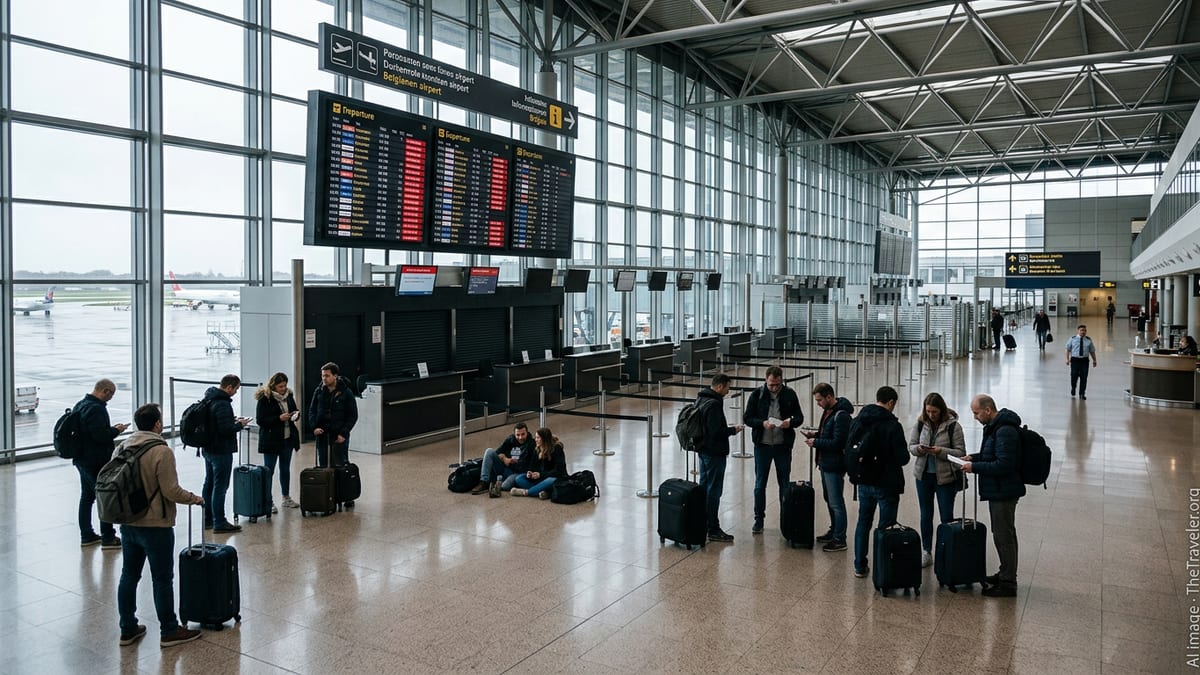
Belgium is bracing for several days of severe travel disruption in mid March as railway strikes and a nationwide day of industrial action hit key air and rail hubs, forcing cancellations and leaving passengers scrambling to adjust their plans.
Key Dates and What Is Happening
Belgium faces a coordinated wave of industrial action in March 2026 that will affect both rail and air travel. Rail unions have called a multi day strike from the evening of Sunday 8 March until the end of Wednesday 11 March, significantly reducing domestic and international train services. This is being followed by a nationwide day of protest and strike action on Thursday 12 March that is set to impact multiple sectors, with transport among the hardest hit.
The three day rail strike is being led by public service rail unions in protest at pension reforms and staffing conditions. Train operator SNCB has warned that only a reduced timetable can be guaranteed during the walkout, with services varying by route and day. International connections, including some cross border trains, are also expected to be curtailed or cancelled.
On 12 March, Belgium’s main trade union federations have called a general strike and demonstration in Brussels, aimed at federal government reforms and cost of living concerns. The action will have knock on effects across the transport network, from airports and rail to buses, trams and metros, particularly in and around the capital.
Air Travel: What Passengers Can Expect
Air travel will be dramatically affected on Thursday 12 March. Brussels Airport has already confirmed that all departing passenger flights will be cancelled that day because essential airport and airside services cannot be safely staffed during the national strike. Only limited arriving flights are expected to operate, subject to airline decisions and available ground handling capacity.
South of the capital, Brussels South Charleroi Airport has issued similar warnings. The airport has said that due to the scale of the national industrial action and the participation of key operational staff, it does not expect to be able to handle its normal schedule on 12 March. Many airlines are preparing cancellations or significant timetable adjustments for that date.
Airlines serving Belgium are beginning to notify customers of planned disruptions, with some carriers proactively cancelling flights on 12 March and offering rebooking or refunds. Others are still assessing the impact, but passengers booked to fly into or out of Belgian airports between 11 and 13 March should anticipate changes at short notice and monitor their booking closely.
Even on days when flights are scheduled to operate, travelers should allow extra time at the airport. Security checks, baggage handling and airport public transport links may all run more slowly than usual if staffing is reduced in the days around the main strike.
Rail and Local Transport Disruptions
The rail strike from the night of 8 March through 11 March will affect almost all train travel in Belgium. National operator SNCB expects to run only a skeleton service, with priority given to certain intercity and commuter lines where staffing allows. Many regional trains will be cancelled outright, and timetables that do operate are likely to see longer gaps between services.
International rail links are also at risk. Trains connecting Belgium with neighbouring countries, including high speed services, may be reduced or rerouted, and some operators have already announced cancellations on strike days. Passengers planning to arrive in or depart from Belgium by rail in this period should check directly with their rail company before travelling to the station.
Urban transport in Brussels and other major cities is expected to be considerably disrupted throughout the week. Previous national strike days have seen metro, tram and bus services in the Brussels region heavily reduced, with some lines not running at all. Similar patterns are anticipated this time, particularly on Thursday 12 March when the national demonstration is due to take place in central Brussels.
Road traffic in and around Brussels is likely to be heavier than usual as commuters turn to cars and taxis during the strikes. Marches and gatherings in the city centre may trigger temporary road closures and diversions, causing further delays for airport transfers and intercity coach services.
Practical Guidance for Affected Travelers
Travellers with imminent trips to or through Belgium in March should first confirm whether their journey falls between the evening of 8 March and Thursday 12 March inclusive. If so, they should check all legs of their journey, including connecting trains and flights, and not assume that intermediate segments will run normally.
Where possible, airlines are encouraging passengers to move flights away from 12 March without penalty, either to earlier in the week or to the weekend following the strike. Travellers able to arrive or depart a day or two before the main industrial action are more likely to avoid the most severe disruption, though they should still plan for occasional delays and limited onward transport options.
Those who must travel on the affected days should build in additional time and have a back up plan for getting between airports and city centres. Options might include pre booked taxis, airport shuttles that confirm they will operate during the strike window, or car rentals collected the day before the most intense disruption. Travellers should be prepared for higher demand and potentially higher prices for these alternatives.
Passengers staying in Belgium during this period should also review accommodation bookings. In some cases it may be wise to spend the night before a flight or international train departure in Brussels or near the airport, especially if local rail services are expected to be heavily reduced on the day of travel.
Staying Informed and Minimising Disruption
With the situation evolving quickly, up to date information will be essential. Travellers should use official airline and rail operator apps, airport communications, and local transport announcements to track changes to services day by day. Many providers are posting strike specific updates, including details of minimum guaranteed services and whether tickets can be used on alternative departures.
Travel insurance policies may offer some protection against costs linked to delays and cancellations caused by strikes, but the level of cover varies widely. Travellers should review their policy wording carefully, paying close attention to rules on industrial action and requirements to accept airline rebooking offers before seeking reimbursement for extra expenses.
For those still in the planning phase of a trip to Belgium, it may be prudent to avoid scheduling key arrival or departure journeys on 11 and 12 March if flexibility exists. Where dates cannot be changed, choosing fully flexible fares and maintaining close contact with carriers and accommodation providers will help minimise the impact of any last minute changes.
Despite the disruption, most strikes in Belgium pass without major safety incidents for visitors, and essential services typically continue to operate at a reduced level. With realistic expectations, careful planning and real time information, travellers can navigate the March industrial action and keep their itineraries as resilient as possible.