

More news on this day
Israel’s Ben Gurion Airport has suspended all regular flight operations as regional airspace closures linked to escalating hostilities with Iran trigger widespread cancellations, diversions and travel chaos across the Middle East and beyond.
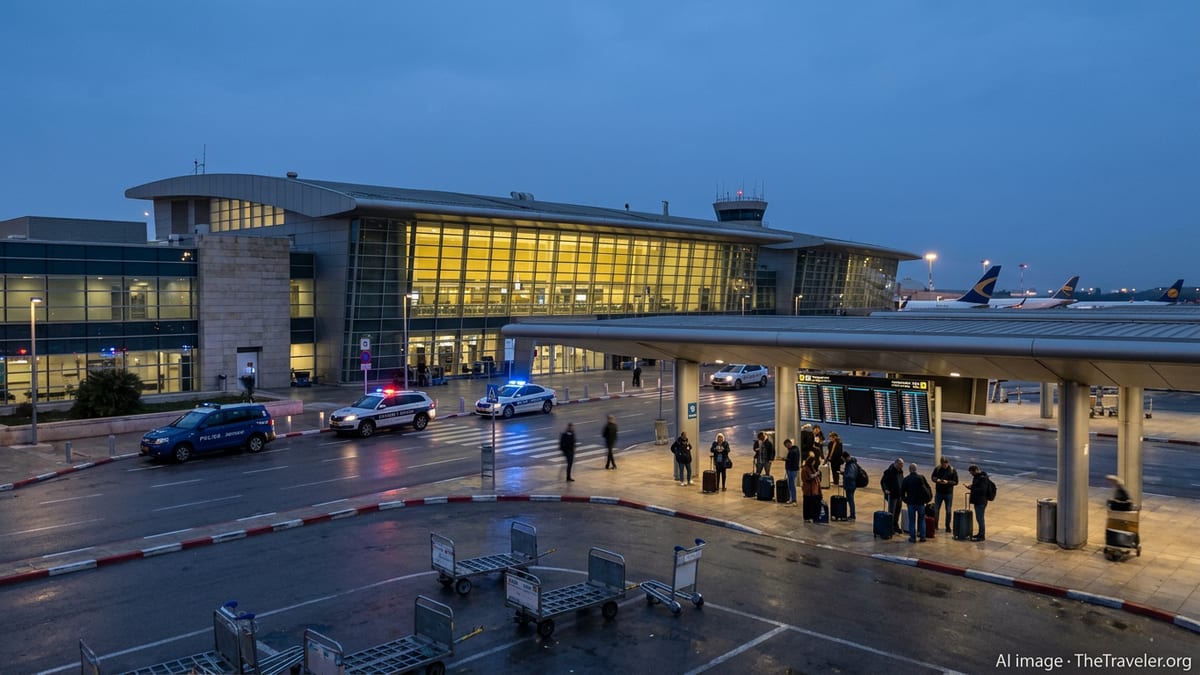
Airport Shutdown Follows Regional Security Escalation
The shutdown at Ben Gurion Airport near Tel Aviv comes amid a sharp deterioration in regional security after coordinated United States and Israeli strikes on Iran and subsequent retaliatory attacks. In response, Israel has kept its airspace closed to civilian traffic, forcing airlines to cancel Israel-bound flights and reroute services that would normally overfly the country.
Israeli aviation authorities confirmed that only strictly controlled military and emergency operations are currently permitted, with all commercial arrivals and departures at Ben Gurion suspended until further notice. The move places one of the region’s key international gateways effectively offline at a time when several Gulf hubs are also severely constrained or fully closed.
Industry analysts say the situation represents the most significant disruption to air travel in the Middle East since the early months of the pandemic, with the impact now radiating far beyond the region as aircraft, crews and schedules fall out of position.
International Airlines Cancel and Divert Tel Aviv Services
Major global carriers have halted their flights to Tel Aviv or extended existing suspensions as the crisis develops. European airlines grouped under the Lufthansa and Air France-KLM umbrellas, along with British Airways and others, have temporarily removed Israel services from their schedules, citing airspace closures and safety assessments that are being reviewed daily.
North American airlines have taken similar steps. United Airlines has suspended flights from the United States to Tel Aviv through at least early March, while Canadian and other transatlantic carriers have canceled Israel-bound services for the coming days. Many airlines are also cutting or rerouting flights to Dubai, Doha, Abu Dhabi and other Gulf hubs to avoid airspace that is either formally closed or considered too risky.
Low cost and regional carriers serving Ben Gurion have likewise grounded routes, leaving a patchwork of partial operations and ad hoc diversions across the wider region. With no clear timeline for the reopening of Israeli airspace, most airlines are advising passengers to expect continuing disruption and to monitor carrier communications for rolling updates.
Rescue Operations and Alternative Airports for Stranded Travelers
With tens of thousands of passengers stranded worldwide, Israeli flag carrier El Al has begun detailed planning for a large-scale rescue operation to repatriate citizens once Ben Gurion is cleared to reopen. The airline has announced that recovery flights will prioritize customers whose tickets were canceled and that they will be rebooked at no additional cost before any new seats are opened to the general public.
In coordination with Israel’s Transportation Ministry and regional partners, authorities have identified a series of alternative airports that can temporarily absorb redirected traffic related to Israel. Egyptian Red Sea gateways, including Taba and Sharm El Sheikh, have agreed to receive Israeli-operated flights tied to the rescue effort, allowing some travelers to return to the region even while Ben Gurion remains shut.
Additional staging points in Europe, North America and Asia are being readied for special services once conditions allow. Cities such as New York, Miami, Los Angeles, Bangkok and several European capitals are on preliminary lists for future recovery flights designed to consolidate stranded Israelis and route them home as soon as the security situation permits.
Global Ripple Effects on Schedules and Airspace
The closure of Ben Gurion Airport is intensifying an already severe capacity crunch across Middle Eastern skies. With airspace over parts of Israel and surrounding countries restricted or closed, airlines are stretching flight times with lengthy detours or canceling rotations outright when fuel and crew constraints make alternatives unworkable.
Travelers far from the conflict zone are feeling the knock-on effects. Long haul services between Europe and Asia that typically overfly the Middle East have been rerouted north or south, adding hours to some journeys and disrupting aircraft utilization. Airlines have warned of last minute schedule changes as operational teams recalculate permissible routings against evolving safety notices.
Tourism boards and airport operators in unaffected hubs are bracing for short term surges as carriers consolidate traffic into remaining viable gateways. However, aviation consultants note that the current pattern of rolling closures and partial reopenings makes long range planning extremely difficult, limiting the ability of airlines to add capacity even where demand remains strong.
What Passengers Traveling via Israel Should Do Now
For travelers with upcoming itineraries to or through Tel Aviv, industry and consumer groups are urging a cautious and proactive approach. Passengers are advised to check their flight status frequently, make use of airline apps and alerts, and avoid heading to the airport without written confirmation that their service is operating. Same day cancellations remain common as carriers respond to overnight security updates.
Most major airlines have activated flexible rebooking or refund policies for journeys touching Israel and neighboring states, allowing customers to postpone travel, reroute via alternate cities, or request vouchers and refunds. Travel insurance policies with trip interruption coverage may offer additional protection, though travelers are being told to review exclusions related to war or known events.
For now, industry observers say the pace of developments means travelers should prepare for continued uncertainty. The reopening of Ben Gurion Airport will depend not only on technical assessments of risk but also on broader diplomatic and military dynamics, leaving airlines and passengers waiting for clearer signals before normal traffic patterns can resume.