

More news on this day
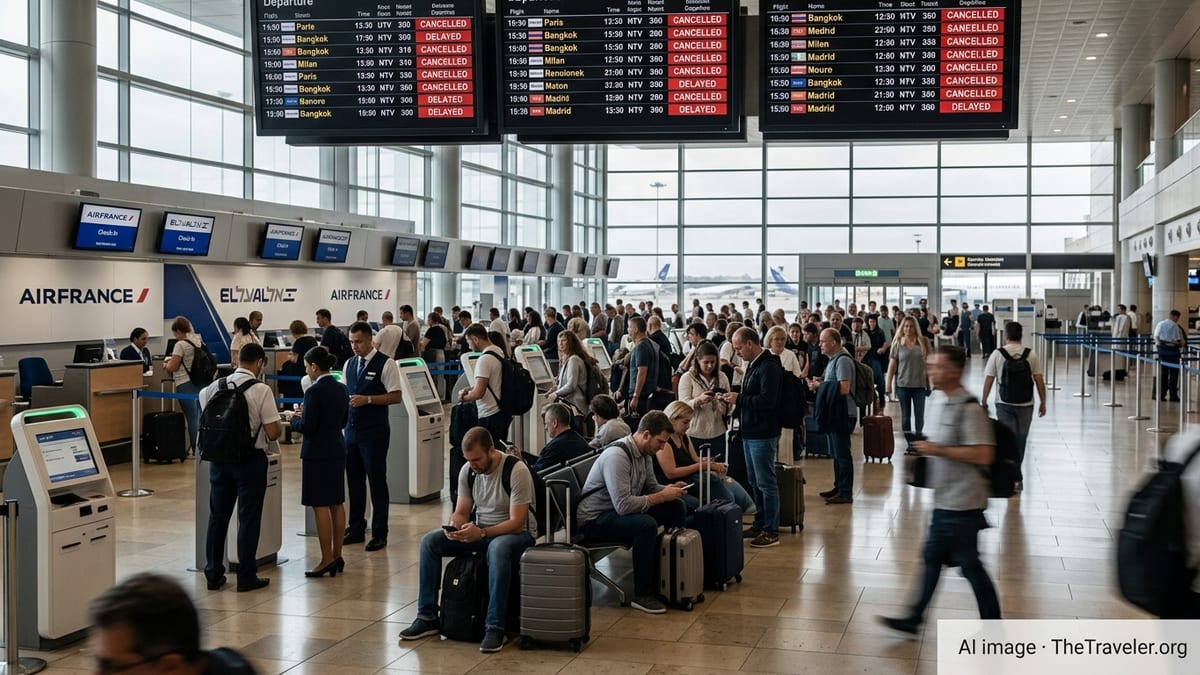
Passengers traveling through Tel Aviv’s Ben Gurion International Airport on March 24 faced a cascade of schedule disruptions as Air France and El Al jointly registered 29 flight cancellations and multiple significant delays, affecting routes to major hubs including Bangkok, Milan, Paris and Madrid.
Get the latest news straight to your inbox!
Complex Operational Backdrop at Ben Gurion
Ben Gurion International Airport has been operating under heightened constraints in recent weeks following regional security tensions and adjustments to outbound capacity from Israel. Publicly available information shows that authorities have reduced passenger loads on many long haul departures, particularly services to North America and Europe, contributing to tighter scheduling windows and limited slack in airline operations.
Within this environment, even modest operational issues can quickly cascade. When multiple services are rescheduled or combined, ground handling teams and air traffic controllers must re-sequence arrivals and departures in short order, often leading to rolling delays that spread across the day’s timetable. Travelers passing through Ben Gurion on Monday reported crowding at departure gates and extended check in and security queues as airlines sought to reaccommodate disrupted passengers.
Data from flight tracking platforms for March 24 indicates that the 29 cancellations connected to Air France and El Al represent a noticeable share of the airport’s daily international schedule. While the majority of movements at Ben Gurion continued to operate, the loss of several long haul and key European services compressed options for both origin and connecting passengers, especially those aiming to reach Asian and Western European hubs on the same day.
The disruptions come at a time when Ben Gurion is still rebuilding a more stable long term schedule after earlier suspensions and reductions linked to the wider regional conflict. Airlines serving Tel Aviv have been gradually restoring services, but the network remains more fragile than before, with fewer alternative departures on some trunk routes when irregular operations occur.
Air France and El Al Schedules Under Strain
Published schedules show that Air France’s primary link to Israel is its Paris Charles de Gaulle to Tel Aviv service, a key route for both point to point traffic and onward connections across Europe, North America and Asia. El Al, meanwhile, anchors a large share of Ben Gurion’s long haul network with flights to Bangkok, major European capitals such as Milan and Madrid and other global gateways.
On March 24, publicly accessible flight status boards indicated that a combination of Air France and El Al departures and arrivals were withdrawn from the schedule or subject to prolonged delays, accounting for 29 cancellations overall. The affected services included rotations between Tel Aviv and Paris, Bangkok, Milan and Madrid, along with associated feeder and positioning flights that ordinarily support these routes.
According to operational data circulated by tracking services, some aircraft that would typically operate back to Europe remained on the ground longer than planned in Tel Aviv, while others were rerouted to maintain minimum connectivity on priority sectors. This type of ad hoc fleet juggling can temporarily protect a core set of departures but often leads to secondary cancellations later in the day as crews and aircraft fall out of their usual rotations.
El Al’s role as Israel’s flag carrier means that cancellations can have a disproportionate impact on outbound and inbound demand, particularly for passengers who prefer or are limited to Israeli operators. For Air France, disruptions on its Tel Aviv route can have ripple effects on connecting banks at Charles de Gaulle, where Tel Aviv bound and originating travelers interline with flights to the wider Air France and SkyTeam networks.
Ripple Effects Across European and Asian Hubs
The knock on effects of the Ben Gurion disruptions reached far beyond Israel on Monday. Reports from airline and airport operations dashboards indicate that delayed departures from Tel Aviv fed into late arriving aircraft at key European gateways such as Milan Malpensa, Paris Charles de Gaulle and Madrid Barajas, temporarily compressing turnaround times and contributing to localized congestion.
In Milan and Madrid, where El Al maintains regular services, delayed inbound flights narrowed the window for connecting passengers to transfer to onward European and transatlantic departures. Even where airlines held onward flights for a short period, some travelers missed connections and had to be rebooked onto later services. That process, in turn, placed additional pressure on already busy afternoon and evening departures.
In Paris, Air France’s Tel Aviv rotation intersects with its long haul departure waves, including services to North America, Africa and parts of Asia. When arriving passengers from Israel reach Charles de Gaulle behind schedule, they may need to be rerouted through alternative hubs or held over for the next available departure, adding to passenger loads on subsequent flights. Operational summaries for March 24 pointed to incremental knock on delays on specific European trunk routes where Tel Aviv feed is typically strong.
Bangkok, one of El Al’s principal long haul leisure destinations, also experienced schedule adjustments linked to the Tel Aviv situation. Extended ground times and altered departure slots for flights between Israel and Thailand disrupted travel plans for passengers connecting onward within Southeast Asia, particularly at busy times of day when alternative seats are limited. Travel agents and airline customer service channels reported elevated rebooking activity for itineraries touching both Tel Aviv and Bangkok.
Travelers Face Long Queues, Rebookings and Changing Guidance
For individual travelers, the operational data translated into long waits, last minute changes and difficult choices. Passenger accounts shared via social platforms on Monday described queues stretching through departure halls at Ben Gurion, with some travelers standing in line for several hours to reissue tickets or receive updated boarding passes after their original flights were removed from the departure screens.
Publicly available information from airline advisories emphasized the importance of verifying flight status before leaving for the airport, as same day schedule changes remained possible throughout the afternoon and evening. Travelers were encouraged to use mobile apps and automated notification tools to track gate changes and new departure times, and many were offered alternative routings via other European hubs when direct flights to their intended destination were no longer available.
Some passengers connecting through Milan, Paris and Madrid reported being provided with overnight accommodation or meal vouchers after misconnecting from late arriving Tel Aviv flights. Others, particularly those on more complex multi segment itineraries involving Bangkok or other Asian destinations, faced longer rebooking horizons as airlines worked to find available seats during an already busy travel period.
At the same time, there were indications that not all disrupted travelers were entitled to the same level of assistance, as compensation frameworks differ depending on the cause of a cancellation or delay and the jurisdiction under which the flight falls. Consumer advocates have continued to remind passengers affected by irregular operations to document their expenses and carefully review the specific conditions of carriage and regulatory protections that may apply to their journey.
What Passengers Should Know in the Coming Days
Although Monday’s 29 cancellations represent a snapshot of one disruptive day at Ben Gurion, the episode highlights the continued fragility of international air travel to and from Israel in early 2026. Airlines are still rebuilding schedules and reevaluating risk exposure on certain routes, and sudden operational changes can occur when security conditions, airspace availability or airport capacity shift.
For travelers planning to fly via Tel Aviv in the coming days, aviation analysts recommend building additional buffer time into itineraries, particularly for journeys involving tight connections in Bangkok, Milan, Paris or Madrid. Opting for slightly longer layovers may reduce the risk of misconnecting if an inbound segment from Ben Gurion runs late or is rescheduled.
Publicly posted airline guidance also underscores the value of keeping contact details up to date in booking records so that carriers can push real time notifications about schedule changes. Where possible, passengers are encouraged to complete online check in early, monitor airport departure boards remotely and consider travel insurance policies that explicitly cover missed connections and extended delays on multi segment trips.
While operations at Ben Gurion continued through March 24 and most scheduled flights still departed, the Air France and El Al disruptions served as a reminder that even a limited cluster of cancellations at a key regional hub can reverberate through global networks. Travelers navigating this environment are likely to face a more unpredictable experience than in pre crisis years and may benefit from greater flexibility in both timing and routing when planning journeys that touch Tel Aviv.