

More news on this day
A Bengaluru convention focused on sustainable quality management in housekeeping is drawing attention across India’s hospitality sector, highlighting how technology, training and green practices are reshaping back-of-house operations in hotels and resorts.
Get the latest news straight to your inbox!
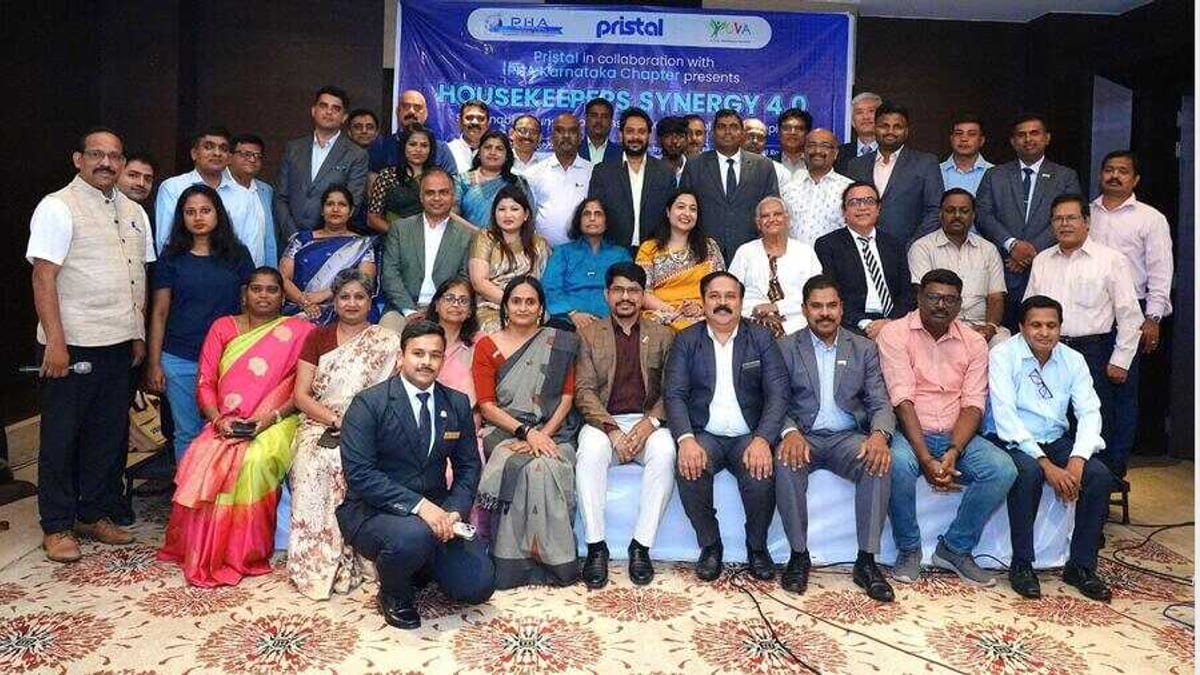
Summit puts housekeeping at the center of hospitality strategy
The Bengaluru gathering, themed around sustainable quality management in housekeeping, is being positioned as a milestone event for hotel operations teams. According to published coverage in hospitality trade media, the convention at The Oterra hotel brings together executive housekeepers, hotel managers, educators and students to examine how the discipline is evolving in a more digital and sustainability-conscious era.
Organizers and supporting associations are promoting the summit as a forum where housekeeping is treated as a strategic function rather than a purely support role. Sessions highlighted in pre-event material emphasize its impact on guest satisfaction, brand reputation and operating margins, particularly as travelers pay closer attention to cleanliness, safety and environmental credentials.
The Bengaluru location underscores the city’s role as a technology and services hub, while also reflecting India’s broader ambition to modernize hospitality infrastructure. Industry reports indicate that the country’s hotel pipeline is expanding quickly, creating demand for new standards, tools and talent development models within housekeeping operations.
Delegates are expected to explore how emerging practices can be adapted to properties ranging from luxury hotels and business chains to standalone resorts and serviced apartments. With housekeeping teams often responsible for the largest share of on-property staff, discussions in Bengaluru are being framed as relevant to the wider tourism ecosystem.
Technology reshapes daily housekeeping operations
Sessions on technology integration are a central feature of the summit agenda, mirroring trends covered in recent hospitality publications that describe Indian hotels adopting smart tools to improve consistency and reduce manual workload. Housekeeping leaders are assessing cloud-based task management platforms, mobile apps and digital checklists to streamline room assignments, inspection routines and inventory tracking.
Industry analysis shared ahead of the event points to growing use of artificial intelligence and data analytics to predict room status, plan staffing and monitor service levels in real time. Some hotels are experimenting with Internet of Things sensors to track occupancy, control lighting and air conditioning, and flag maintenance needs, allowing attendants to prioritize work based on actual guest usage patterns.
Robotic cleaning equipment and automated dosing systems for detergents are also gaining attention as options for high-traffic public areas and back-of-house zones. While adoption remains uneven across the country, speakers in Bengaluru are expected to discuss how these tools can complement, rather than replace, human teams by handling repetitive tasks and freeing staff for guest-facing interactions.
At the same time, the summit program reflects an awareness of implementation challenges, including upfront investment, integration with legacy property-management systems and the need for cyber-secure data handling. Presentations are set to examine how midscale and independent hotels can phase in digital tools without disrupting day-to-day operations.
Training models evolve for a new generation of housekeepers
Training and skill development form another major track at the Bengaluru event, with associations and hospitality schools using the summit to showcase new approaches to workforce preparation. Publicly available program notes describe a strong focus on bridging the gap between classroom learning and operational realities in hotels.
Institutes in and around Bengaluru have recently expanded industry-linked activities such as guest lectures, field visits and live demonstrations on topics including furniture design, color harmony and self-service technologies. These initiatives, highlighted in academic event summaries, are intended to help students understand how design choices, technology and sustainability targets intersect in modern housekeeping.
Summit sessions are set to explore competency-based training frameworks that go beyond technical cleaning skills to cover communication, leadership and data literacy. With digital tools now embedded in many hotel operations, trainers are emphasizing comfort with mobile apps, dashboards and basic analytics so that attendants and supervisors can interpret performance indicators and respond quickly.
There is also growing interest in structured career pathways within housekeeping, from entry-level attendants to executive roles. Advocates at the Bengaluru convention are promoting mentoring networks, certification programs and youth-focused initiatives to attract talent, reduce turnover and position housekeeping as a respected long-term profession within hospitality.
Sustainability and wellness move from policy to practice
Sustainability runs through much of the Bengaluru summit’s content, reflecting the way environmental and wellness considerations are filtering into daily housekeeping routines. Newsletters and e-magazines from Indian housekeeping associations have documented a shift toward eco-labeled cleaning products, microfibre systems that reduce water use, and standardized procedures that limit chemical consumption while maintaining hygiene standards.
Participants in the convention are examining how housekeeping teams can help hotels meet their sustainability targets by monitoring energy and water use at room level, separating waste streams and collaborating with engineering departments on preventive maintenance. Discussions are focusing on practical steps such as calibrated laundry cycles, optimized linen change policies and responsible procurement of amenities.
Wellness-oriented housekeeping practices are also gaining visibility. Industry commentary points to a rise in hypoallergenic room offerings, enhanced indoor air-quality measures and design choices that maximize natural light and low-emission materials. Housekeeping departments are often on the front line of implementing these standards, from managing air purifiers to selecting eco-friendly consumables.
Some Indian hotels are beginning to track and report sustainability metrics linked directly to housekeeping operations, including kilograms of waste per occupied room and laundry loads per guest night. The Bengaluru summit is being framed as an opportunity to share methodologies, benchmarks and case studies that can help properties of different sizes adopt similar measurement frameworks.
Broader implications for India’s tourism and hospitality growth
Analysts following India’s tourism sector note that the Bengaluru housekeeping summit aligns with a wider push to professionalize service standards as new hotels open across business and leisure destinations. Industry bodies have highlighted the role of housekeeping in supporting government goals to attract higher-spending international travelers and encourage repeat domestic visits.
By showcasing technology-enabled, sustainability-oriented housekeeping models, the convention is helping position Indian properties as competitive with regional peers in Southeast Asia and the Middle East. Published commentary in hospitality media suggests that investors and brand operators increasingly factor operational resilience, resource efficiency and workforce stability into their expansion decisions.
The knowledge-sharing in Bengaluru may also influence how smaller cities and emerging tourist circuits structure their hospitality training and infrastructure. As best practices disseminate through association networks and educational partnerships, housekeeping standards trialed in metropolitan hubs are likely to inform guidelines for new builds and renovations nationwide.
For now, the Bengaluru summit underscores how a once largely behind-the-scenes function is moving into the spotlight. By integrating technology, structured training and sustainability practices, housekeeping leaders are helping to define what “future-ready” hospitality will look like for guests, staff and owners in the years ahead.