

More news on this day
A Bengaluru summit is putting the spotlight on how housekeeping can become truly future ready, with hoteliers, facility managers and industry bodies examining how technology, structured training and sustainability standards are reshaping one of hospitality’s most critical functions.
Get the latest news straight to your inbox!
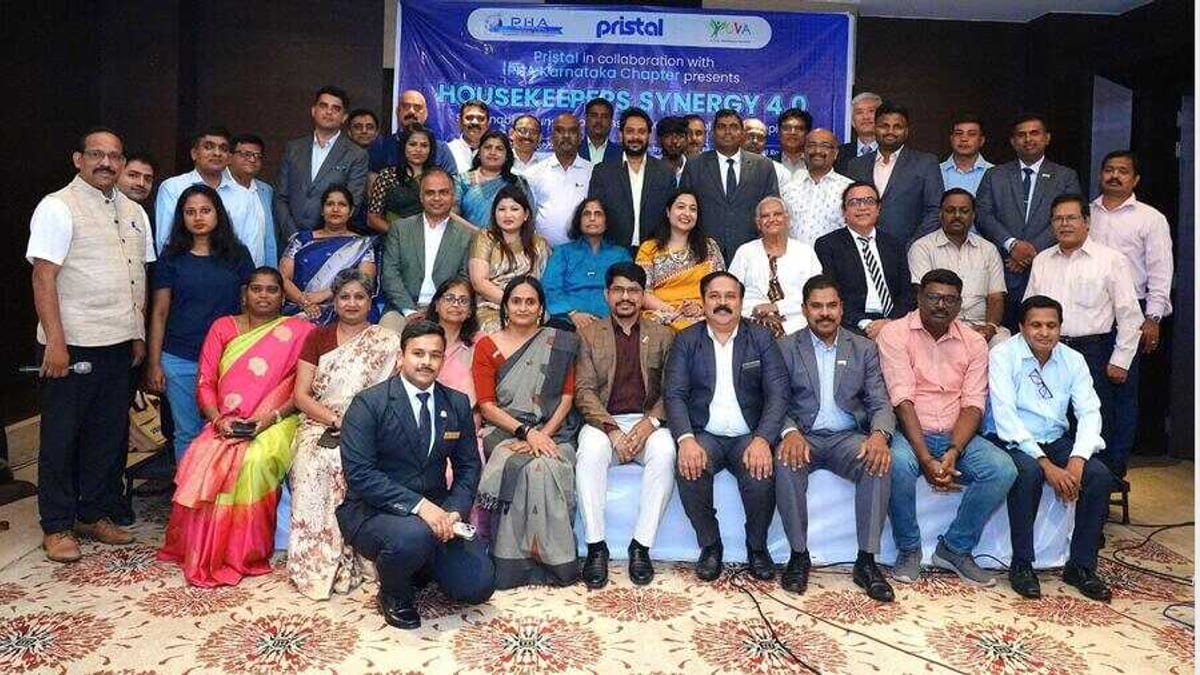
Image by Latest International / Global Travel News, Breaking World Travel News
Summit builds on Bengaluru’s growing housekeeping hub status
Bengaluru has steadily emerged as a focal point for professional housekeeping and facility management, with industry associations using the city as a base for national conventions, training programmes and collaborative initiatives. Recent coverage highlights how the Professional Housekeepers Association, founded in the city, has expanded its activities from Bengaluru to major hospitality hubs across India while retaining strong links to local hotels and institutes.
The latest summit in the city continues this trajectory, positioning Bengaluru as a test bed for future ready housekeeping models. Organisers framed the gathering around integrated operations, bringing together hotel housekeeping teams, pest management specialists, sustainability advocates, technology providers and hospitality educators. The aim is to move discussions beyond isolated best practices and toward end to end frameworks that can be replicated across hotel portfolios and mixed use properties.
Reports on earlier events, such as Housekeeping Synergy 3.0 in Bengaluru, indicate growing interest in cross functional partnerships that link housekeeping with allied services to improve hygiene and safety while cutting environmental impact. This year’s discussions build on that momentum, with participants exploring how similar collaboration can help hotels respond to higher guest expectations, labour constraints and tightening regulatory norms on cleanliness and resource use.
The Bengaluru summit also reflects a broader shift in India’s hospitality sector, where housekeeping is increasingly described in industry publications as a strategic discipline rather than a purely back of house service. By centring the conversation on technology, training and sustainability, the event reinforces that shift and underlines the importance of specialised expertise at departmental head level.
From manual checklists to smart housekeeping technology
One of the strongest themes at the Bengaluru summit is the rapid adoption of technology in housekeeping operations. Industry coverage of recent hospitality conferences in India points to growing deployment of AI supported task scheduling, digital checklists, Internet of Things based sensors for room status, and mobile apps that connect housekeeping, front office and engineering teams in real time.
In Bengaluru and other Indian metros, hotels are experimenting with predictive maintenance and data driven cleaning frequencies, adjusting schedules according to occupancy patterns, guest preferences and energy saving goals. The summit highlights case studies where automated dashboards help supervisors monitor room turnaround times, track consumption of chemicals and linen, and flag deviations from quality standards without relying only on manual inspections.
Robotics is also entering the conversation. While fully autonomous cleaning robots remain relatively niche in India, publicly available information from hospitality research forums shows that robots and semi automated equipment are being tested for corridor vacuuming, UV based disinfection and repetitive back of house tasks. At the Bengaluru summit, such tools are framed as ways to reduce physical strain on staff, standardise results and reallocate human effort toward guest facing service and detailed inspections.
At the same time, speakers and panel summaries highlighted that technology is not a substitute for fundamentals. Digital tools can streamline processes only when hotels have documented standard operating procedures, clear zoning of responsibilities and strong supervision. The summit therefore focuses on integrating tech roll outs with change management and practical training instead of treating software adoption as a purely IT project.
Training pipelines and career pathways for housekeepers
Future ready housekeeping, as presented at the Bengaluru meeting, depends heavily on robust training pipelines. Reports from hospitality institutes in the city show how curricula have begun to blend traditional housekeeping skills with modules on sustainability, equipment handling, data entry, and basic analytics. Field visits to Bengaluru hotels and laundry operations are increasingly used to expose students to industrial scale operations before graduation.
The summit builds on these developments by drawing attention to multi tiered training structures. Entry level associates require foundation modules in hygiene, safety, tools and interpersonal skills, while supervisors and executive housekeepers need advanced exposure to budgeting, vendor management, digital audits and cross departmental coordination. Industry coverage of previous conventions indicates that short, stackable training interventions are gaining favour over single, long classroom sessions.
There is also a growing focus on youth engagement. Initiatives such as young visionary housekeeper conventions have used Bengaluru venues in recent years to showcase innovation among early career professionals. At the new summit, this approach is reflected in sessions that encourage younger staff to present process improvements, pilot sustainable products and suggest tech led solutions grounded in daily experience on the floors.
Publicly available information from professional associations suggests that formal recognition programmes, mentoring networks and certification schemes are increasingly seen as tools to raise the status of housekeeping careers. The Bengaluru summit situates these efforts within a broader push to retain talent in an industry facing high turnover and intense competition for skilled staff.
Sustainability moves from add on to core housekeeping mandate
Sustainability runs as a central thread through the Bengaluru housekeeping summit, mirroring broader hospitality trends in India where hotels highlight green credentials and certification in their marketing. Discussions in Bengaluru focus on how housekeeping can operationalise these ambitions through day to day decisions on chemicals, linen, waste and energy use.
Industry reports describe how hotel groups are working to reduce the intensity of water and chemical consumption in cleaning routines by switching to concentrated, dosed products, microfibre systems and mechanised equipment that deliver consistent results with smaller quantities. The summit examines examples from Bengaluru properties that have trialled such changes, noting both the environmental benefits and the impact on long term cost control.
Waste management is another key area. Housekeeping teams are increasingly responsible for segregation at source, recovery of recyclables and coordination with vendors handling bulk waste and hazardous materials. The summit highlights case studies in which clear staff training, colour coded systems and regular audits have helped hotels lift diversion rates away from landfill while keeping guest areas visually uncluttered.
Crucially, sustainability is framed not only in environmental terms but also in relation to staff wellbeing and community impact. Safer chemical choices, ergonomic tools and better ventilation standards reduce exposure risks for housekeeping staff. Partnerships with local suppliers, including small scale laundries or amenity providers, can anchor hotel operations more firmly in the local economy. Bengaluru’s dense ecosystem of hospitality businesses gives summit participants a ready context for such collaborations.
Integrated models and what comes next for Bengaluru
The Bengaluru summit underscores the value of integrated models that connect technology, training and sustainability rather than treating them as parallel agendas. Publicly available coverage of recent partnerships in the city, such as collaborations between housekeeping and pest management associations, illustrates how joint operating protocols and shared training calendars can deliver cleaner, safer and more resource efficient properties.
Participants and observers suggest that the next step is to codify these learnings into frameworks that can be scaled across hotel chains, serviced residences, hospitals and institutional campuses. This includes standard metrics for hygiene and sustainability performance, digital templates for inspections and reporting, and recommended baseline training hours for each role. Bengaluru’s mix of luxury hotels, business properties and educational institutions provides a diverse testing ground for such approaches.
The summit also points toward closer alignment with national skill development initiatives and tourism priorities. As India positions itself to attract more international visitors and large scale events, the ability of hotels to deliver consistently high housekeeping standards, backed by verifiable training and green credentials, becomes a competitive advantage. Bengaluru’s role as a knowledge and technology hub places it in a strong position to shape these standards.
Looking ahead, further events and conventions already announced by professional housekeeping bodies are expected to build on the Bengaluru discussions, extending the focus on AI assisted workflows, sustainability benchmarks and structured workforce development. For now, the summit reinforces the message that future ready housekeeping is central to modern hospitality strategy, not a supporting detail behind the scenes.