

If you dream of California-style beach days but want something quieter, cheaper or simply different, you are far from alone. Between crowds, high prices and wildfire seasons, many travelers are looking for coastal escapes that deliver dramatic scenery and great swimming without the California chaos. Across the United States, and especially along the Pacific, Atlantic and Gulf coasts, there are remarkable beach destinations that can match or surpass California’s beauty in their own distinctive ways.
Why Look Beyond California for Beaches and Scenery
California’s coastline is legendary, but its popularity comes at a cost. In high season, hotel rates spike, classic highway viewpoints clog with traffic and once-sleepy surf towns buzz with visitors. As state park systems continue to grapple with heavy use and limited parking, it can be difficult to find the sense of escape many travelers crave when they head for the shore.
Looking beyond California opens up a broader palette of coastal landscapes. You can trade palm-studded boulevards for dune-backed barrier islands, fog-shrouded redwood headlands or tropical bays with water so clear it looks almost Caribbean. In many places, lodging and dining costs remain noticeably lower than in popular California beach towns, and you may find easier access to nature reserves and uncrowded stretches of sand.
There is no single “best” California alternative. Instead, a handful of regions stand out for different reasons: wild Pacific drama, East Coast history, family-friendly sandbars or year-round warm-water swimming. What they share is a mix of photogenic scenery, memorable local culture and enough infrastructure to make a beach holiday comfortable without feeling overdeveloped.
From the wave-battered Oregon Coast to Florida’s sugar-sand Gulf beaches and the remote islands of Hawaii, the following destinations offer compelling options for travelers who love California’s coastline but are ready to try somewhere new.
Oregon Coast: Wild Pacific Drama Without the Crowds
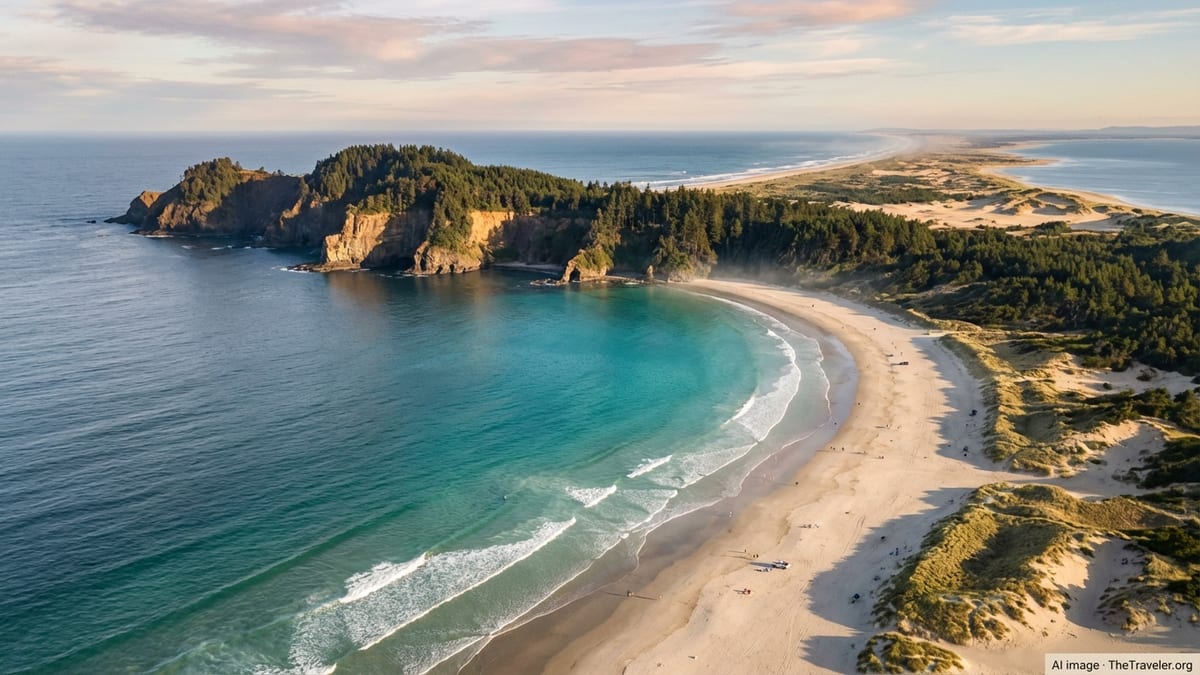
For travelers who love Big Sur’s cliffs and cool Pacific breezes, the Oregon Coast is the most natural alternative to California. Stretching some 360 miles from the Columbia River to the California border, it is almost entirely public coastline, with state parks, small towns and scenic pullouts linked by Highway 101. Rugged headlands, wide sandy beaches and offshore sea stacks create a constantly changing backdrop of rock and water that rivals anything in the Golden State.
North of Tillamook, Cape Meares, Cape Lookout and Cape Kiwanda form the Three Capes Scenic Route, a loop off Highway 101 that concentrates some of the most striking viewpoints on the coast. Cape Lookout State Park pairs an expansive beach with a forested headland trail where hikers walk along a narrow promontory that juts into the Pacific, watching for migrating gray whales in season. Cape Kiwanda, composed largely of sculpted sandstone, is famous for its honey-colored dunes, tidepools and views of the offshore sea stack known locally as Haystack Rock, as well as traditional dory boats that still launch through the surf in Pacific City.
Farther south, Samuel H. Boardman State Scenic Corridor near Brookings condenses the drama into a 12-mile stretch of natural bridges, arches and pocket beaches framed by mossy forest. Recent road-trip coverage has highlighted it as one of the most photogenic sections of the entire state, pointing out stops like Natural Bridges and Secret Beach for those willing to tackle short but sometimes steep trails. On many weekdays outside peak summer, you can still walk stretches of sand at low tide with only seabirds, sea stacks and surf for company.
Weather here is more variable than in Southern California. Summer often brings cool mornings and afternoon winds, and shoulder seasons can be wet. In exchange, you get thriving tidepools, frequent rainbows and coastal forests carpeted in ferns and wildflowers. For travelers who prefer fleece jackets to flip-flops and sunsets that arrive through bands of drifting cloud, Oregon delivers a moody, cinematic version of the Pacific that feels decisively less crowded and commercial.
Hawaii: Tropical Shores With California-Caliber Variety
While Hawaii is part of the United States and a longer flight for most mainland travelers, its coasts can be an ideal alternative for those who love Malibu’s surf scene or San Diego’s mild climate but want truly warm water and a tropical setting. Rather than one long continuous coastline, Hawaii offers a ring of distinct beaches and bays on each island, many framed by volcanic ridges, palm groves and coral reefs.
On Maui, Wailea Beach regularly appears near the top of national beach rankings, praised for its arc of golden sand and series of sheltered “pocket” beaches ideal for snorkeling and stand-up paddleboarding. The beach fronts a landscaped coastal path that separates it from nearby resorts, preserving a surprisingly tranquil feel given its popularity. Families gravitate here for the relatively calm water and easy entry points, while active travelers can combine morning snorkeling with hikes in the island’s interior or a drive up Haleakala.
On Kauai, Poipu Beach offers a different kind of variety. A narrow sand spit, known as a tombolo, separates two distinct swimming areas, one calmer and shallower for children and another more exposed to waves. Sea turtles and endangered Hawaiian monk seals sometimes haul out on the sand, reminding visitors that these are living ecosystems as well as playgrounds. The wider south shore around Poipu blends small-scale resorts with local eateries and coastal hiking trails, making it an appealing alternative to Southern California’s better-known beach suburbs.
Hawaii’s main trade-offs compared with California are distance and cost. Airfares, rental cars and some resort rates can run higher, especially during school holidays. At the same time, there is no off-season for sunshine in the same way there is in northern coastal California, and the combination of warm water, fragrant plumeria-scented air and volcanic scenery offers a beach experience that feels far removed from the mainland while remaining within the U.S. travel framework.
Florida’s Gulf Coast: Sugar-White Sand and Calm, Clear Water
For many travelers, the biggest contrast with California comes on the Gulf of Mexico, where white-sand barrier islands and gentle, relatively warm seas replace cold Pacific surf. Florida’s Gulf Coast is especially strong in this regard, with a string of beaches from the Panhandle through the Sarasota area that regularly rank among the best in the country.
On the central Gulf, Siesta Beach near Sarasota has drawn fresh attention after being named the only U.S. beach on a prominent 2025 list of the world’s top 50 beaches. Travel editors and user reviews alike emphasize its unusually soft, bright sand, composed mostly of fine quartz that stays cool to the touch even under strong sun. The water here tends to be clear and shallow close to shore, making it a favorite for families and casual swimmers who may find California’s colder, rougher surf intimidating.
The broader Sarasota area offers a balance of amenities and natural beauty. Visitors can pair morning swims with kayak outings through mangrove tunnels, manatee-spotting cruises or visits to cultural institutions in town. The free local trolley that serves Siesta Key adds to the low-stress feel, allowing travelers to leave the car at their lodging and move easily between beach access points, cafes and shops.
Farther northwest, Florida’s Panhandle and adjacent Alabama coast present yet another California contrast. Towns such as Destin, Panama City Beach and Gulf Shores sit on long sand spits facing emerald-colored water, with fishing piers and waterfront boardwalks that evoke classic beach-resort scenes. Local authorities periodically introduce seasonal rules, especially during spring-break periods, to keep beaches family-friendly and manage crowds. For travelers willing to time their visits outside peak party weeks, the combination of wide open sand, warm water and pastel sunsets can be deeply appealing, particularly to those who find California’s coastal costs restrictive.
Atlantic Islands and Capes: History-Rich Alternatives to California
If your favorite California memories come from foggy mornings in coastal villages and windswept walks under soft light, several Atlantic destinations offer a similar blend of scenic drama and small-town atmosphere, enriched by centuries of maritime history. Here, the emphasis is less on palm trees and more on dunes, lighthouses and classic shingled cottages.
On New York’s Long Island, Coopers Beach in Southampton has topped recent national rankings, lauded for its long stretch of white quartz sand, well-formed dunes and relatively undeveloped horizon. While the area’s stately homes and seasonal traffic underscore its status as a high-end resort community, local shuttles and public access points provide ways to enjoy the setting without driving directly into the most congested streets. Compared with Southern California, summer water temperatures are still cooler, but on warm days the Atlantic offers refreshing swimming and reliable surf for bodyboarders and casual wave riders.
Farther northeast, Cape Cod in Massachusetts curves like a flexed arm into the Atlantic, its outer beaches facing open ocean swells that shape tall dunes and wide surf zones. Nauset Beach in Orleans is one example, stretching roughly six miles along the outer arm of the Cape and drawing both swimmers and surfers to its ocean-facing side. On clear mornings, early risers gather there to watch the sun rise from the sea, a mirror-image of the sunset rituals familiar on the California coast.
These Atlantic capes tend to be highly seasonal, with lively summers and much quieter winters. That rhythm can appeal to visitors who enjoy the sense of reunion when businesses reopen in late spring and communities celebrate the return of warm weather. It also means that lodging and restaurant capacity are concentrated in a relatively short window, so advance planning becomes more important than on some California stretches where tourism is more evenly spread throughout the year.
Outer Banks and the Mid-Atlantic: Wide-Open Sands and Windy Skies
The barrier islands of North Carolina’s Outer Banks present a kind of East Coast counterpart to California’s more remote coastal sections, with long drives between small villages, strong surf and a constant sense of being close to the elements. Here, the emphasis is on dune-backed beaches, maritime forests and wide horizons, with fewer high-rise developments than in many other Atlantic resort regions.
Coquina Beach, part of Cape Hatteras National Seashore, offers a representative taste of the area. Located along Highway 12 south of Nags Head, it is known for its clean, golden sand, sizable dunes and relatively clear water by East Coast standards. Swimmers share the shoreline with surfers, surf casters and shell collectors, and shorebirds patrol the tide line in search of the tiny coquina clams that give the beach its name. Even in summer, the atmosphere tends to be quieter than at many boardwalk-centered resorts, with the sound of breaking waves and wind in the sea oats dominating the soundscape.
Throughout the Outer Banks, conditions can change quickly with passing weather systems, and storms periodically reshape the shoreline, temporarily closing road sections or altering beach access points. Local authorities have become adept at reopening routes and beaches once it is safe to do so, and visitors who check for updates before arrival typically find a warm welcome and miles of reopened coastline in the wake of offshore storms.
For travelers used to California’s major coastal cities, the Outer Banks’ relative isolation can feel both freeing and challenging. You will likely need a car for the duration of your stay, and options for dining and shopping may be limited in the most remote villages. In exchange, night skies remain dark enough for vivid stargazing, and sunrise walks along nearly empty beaches are still easy to find, especially outside peak holiday weeks.
Great Lakes and Inland Shores: Freshwater Alternatives to the Pacific
California’s oceanfront is only one version of a beach experience. For travelers who love sand and scenic horizons but are open to freshwater, the Great Lakes and other inland shorelines offer compelling alternatives that are often more affordable and less crowded. Wide beaches, tall dunes and cool, swimmable water in high summer make these regions strong contenders for classic family vacations.
Along the eastern shore of Lake Michigan, for example, state parks and small resort towns share miles of sandy beaches backed by dunes and forests. Summer visitors swim, paddleboard and sail on water that feels more like an inland sea than a lake, with waves and sunsets that can look strikingly similar to those on the Pacific. In contrast to California, sharks and strong coastal currents are not a concern here, and water quality monitoring is typically robust near major swimming beaches.
Other Great Lakes, including Superior, Huron and Erie, have their own beach communities and scenic highlights, from rocky coves and lighthouses to broad sweeps of tan sand. Water temperatures vary widely, and seasons can be short, but for a few prime months each year these shorelines come alive with festivals, lakeside dining and outdoor concerts that echo the relaxed energy of coastal California towns.
For travelers in the Midwest or East, these freshwater coasts offer a practical advantage: shorter travel times and no need for cross-country flights. They are particularly appealing to families, road-trippers and outdoor enthusiasts who value campgrounds, hiking trails and access to inland attractions as much as time on the sand itself.
The Takeaway
California’s coastline will always have its devoted fans, and with good reason. Yet it is no longer the only, or even necessarily the best, answer for travelers seeking memorable beach and coastal scenery within the United States. From Oregon’s wave-battered headlands to Hawaii’s reef-protected bays, Florida’s quartz-sand islands and the wind-swept dunes of the Atlantic and Great Lakes, alternatives abound for nearly every type of beachgoer.
Choosing among them comes down to priorities. If you crave dramatic cliffs, cool temperatures and moody light, the Pacific Northwest offers a familiar ocean with far fewer crowds. If warm, gentle seas and barefoot-friendly sand matter most, Florida’s Gulf Coast or parts of Hawaii may be a better fit. Those who are drawn to maritime history, lighthouses and classic seaside villages might find their ideal escape on Cape Cod, Long Island or the Outer Banks, while road-trippers who enjoy mixing lake swims with forest hikes could set their sights on the Great Lakes.
What unites these places is a shared sense of space and connection to the water. In an era when many iconic California viewpoints can feel overrun, stepping onto a lesser-known stretch of sand in another state can restore the simple pleasures of watching waves roll in, feeling wind on your face and seeing a wide, open horizon. With thoughtful planning and a willingness to look beyond the usual map pins, you can discover beach landscapes every bit as inspiring as California’s, each with its own character and coastal story.
FAQ
Q1. What U.S. beach destination feels most similar to California’s Big Sur?
Travelers often find the Oregon Coast, especially the stretches around Cape Lookout, Cape Kiwanda and Samuel H. Boardman State Scenic Corridor, offers a comparable mix of cliffs, sea stacks and forested headlands without California-level crowds.
Q2. Where can I find warm water beaches that rival California’s scenery?
Florida’s Gulf Coast, particularly around Sarasota and the Panhandle, combines clear, relatively warm water with wide, white-sand beaches, while Hawaii offers tropical bays and dramatic volcanic backdrops with consistently warm seas.
Q3. Are there California-style surf spots outside the state?
Yes. Parts of the Outer Banks in North Carolina, sections of the Oregon Coast and several breaks in Hawaii offer surfable waves with varying levels of difficulty, though local conditions and hazards differ from California and should be researched before paddling out.
Q4. What is a good California alternative for families with young children?
Siesta Beach in Florida, Poipu Beach on Kauai and several sheltered Great Lakes beaches stand out for gentle surf, soft sand and nearby amenities such as restrooms, casual dining and shaded picnic areas.
Q5. Which alternatives are generally more budget-friendly than popular California beach towns?
In many cases, parts of the Oregon Coast, Gulf Coast communities outside the most famous resort areas and Great Lakes shore towns offer lower average lodging and dining costs than California’s marquee beach destinations, especially outside peak holiday periods.
Q6. Can I get a similar coastal road trip experience without driving Highway 1?
Highway 101 along the Oregon Coast, the Outer Banks’ Highway 12 and various scenic routes around the Great Lakes provide classic road-trip experiences, with frequent pullouts, small towns and state parks lining the way.
Q7. How do crowds compare between these alternatives and California beaches?
Crowd levels vary by season and exact location, but outside a handful of marquee spots, many Oregon, Gulf Coast, Atlantic and Great Lakes beaches remain noticeably less crowded than California’s most famous stretches, particularly on weekdays and shoulder seasons.
Q8. Are these alternative destinations suitable for off-season travel?
Yes, though conditions differ. Hawaii and much of Florida remain appealing year-round, while Oregon, the Outer Banks and Great Lakes coasts can be atmospheric in cooler months for storm watching and hiking, even if swimming is less practical.
Q9. How important is advance booking for these non-California beach areas?
In peak summer and during major holidays, booking accommodation well in advance is advisable almost everywhere. Outside those periods, many destinations offer more flexibility than California’s most in-demand coastal towns, though specific boutique properties can still fill quickly.
Q10. What should I consider regarding weather and safety when choosing a California alternative?
Key factors include local storm seasons, surf strength, rip current risks and potential temporary closures after major weather events. Checking recent advisories and talking with local tourism offices or park staff helps ensure that conditions align with your comfort level and planned activities.