

Duluth, Minnesota has become a beloved gateway to Lake Superior, blending working harbor views with rugged shorelines, breweries, and a cool-climate summer escape. Yet its popularity, limited lodging, and occasionally industrial setting lead many travelers to look for other places that deliver the same big-water drama or relaxed lake-town charm in a different package. From quieter Superior harbors to sandy Lake Michigan beaches and classic inland playgrounds, several destinations across the Upper Midwest offer compelling alternatives for your next lake trip.
What Makes a Strong Alternative to Duluth
Before choosing another place for a lake vacation, it helps to pinpoint what you like most about Duluth. For some, it is the sight of massive freighters slipping under a landmark bridge. Others are drawn to hiking and paddling along wild Lake Superior shorelines, or to evenings spent in walkable neighborhoods with local restaurants and craft beer. Any serious alternative should offer at least a few of these qualities, even if the overall feel is more village than small city.
Another key factor is the water itself. Duluth fronts the largest of the Great Lakes, where conditions can feel more coastal than inland. Waves can crash against basalt rock, fog rolls in quickly, and water temperatures stay cool well into summer. Some travelers want to keep that big-water feel; others are ready for warmer swimming beaches, sheltered bays, and calmer conditions that are friendlier to families with young children.
Access and crowd levels also matter. Duluth draws visitors from Minneapolis, Chicago, and beyond, which can push prices up and make last-minute lodging tough to find during peak summer weekends and fall color season. Many of the destinations below offer easier parking, fewer crowds, and a slower pace, while still providing good dining options, outfitters for getting on the water, and trail networks nearby.
Finally, climate is part of the decision. If you like Duluth because it often runs cooler than much of the Midwest in July and August, you might gravitate toward Lake Superior towns that share that maritime influence. If you are chasing more reliable beach weather and gentler conditions for paddling, broad sandy stretches on Lake Michigan or inland lakes further south may be a better fit.
Bayfield, Wisconsin: Quieter Gateway to Lake Superior
On the southwest shore of Lake Superior, Bayfield sits roughly 75 miles east of Duluth yet feels much smaller and more intimate. The town overlooks the Apostle Islands, a string of forested isles protected as a national lakeshore and known for sandstone sea caves, lighthouses, and protected bays. Instead of Duluth’s industrial harbor, visitors find a compact marina, heritage buildings, and a relaxed main street lined with galleries and cafes. Recent coverage in travel outlets has highlighted Bayfield’s blend of maritime history and laid-back lakefront appeal, noting its guided walking tours and maritime museum devoted to shipwrecks and lighthouse stories.
Bayfield is a particularly strong alternative for travelers who value access to the water. Scenic cruises loop through the Apostle Islands, showcasing sea caves and remote light stations, while outfitters offer kayak trips for a closer look when conditions are calm. A short ferry ride connects town to Madeline Island, the only developed island in the chain, where a small village, sandy beaches, and trails make it easy to spend a full day without needing a car. In summer, the water in sheltered bays can feel more inviting for wading than the open lake just offshore.
On land, Bayfield has a gentler vibe than Duluth’s hillside neighborhoods. It is highly walkable, with a handful of inns, small hotels, and rental cottages overlooking the lake. The surrounding countryside supports orchards and berry farms, and a popular “fruit loop” driving route links farm stands, pick-your-own fields, and tasting rooms. Even in peak season, it usually feels more like a lake village than a bustling small city, ideal for travelers who want Lake Superior drama without urban edges.
Practical considerations are comparatively straightforward. Parking tends to be easier than in Duluth’s Canal Park, and traffic through town is light outside of festival weekends. As with any Lake Superior destination, weather can shift quickly, and a warm afternoon can turn cool when the wind swings around from the lake, so packing layers remains essential.
Madeline Island, Wisconsin: Beach Town on Big Water
For visitors who love Duluth’s connection to Lake Superior but wish the water felt more like a traditional beach destination, Madeline Island is an appealing choice. Reached by ferry from Bayfield, the island is one of the only places on Superior where you can pair long stretches of sand with a distinctly vacation-town atmosphere. Tourism is the main industry, with summer visitors coming for hiking, paddling, and days spent lingering on the shoreline.
Beaches are the star attraction. Big Bay State Park and the adjacent town park protect a long sandy strand backed by forest and dunes. In calm weather, the shallow water in the bay can warm noticeably compared with the open lake, sometimes reaching temperatures that are comfortable for swimming closer to shore while deeper water just beyond stays much colder. This creates an experience that can feel more like a northern ocean beach than a typical rocky Superior coastline.
Off the sand, visitors find an informal, friendly scene. The small settlement around the ferry landing offers simple lodging, rental cabins, a few restaurants, and shops within walking distance. Bicycles and mopeds are popular ways to get around, and outfitters rent kayaks and canoes to explore the lagoon and shoreline. Trails throughout the state park weave through pine forest and along low bluffs, offering views across the lake that rival those from Duluth’s higher overlooks but in a far more secluded setting.
Madeline Island works best for travelers who prioritize nature and a slower pace over nightlife or shopping. Once the last ferry returns to Bayfield in the evening, the island quiets quickly, with stargazing and campfires replacing city lights. It is worth booking ferry tickets, campsites, or rooms well ahead for peak summer weekends, as capacity is limited and the island’s popularity with regional visitors has grown steadily.
Copper Harbor, Michigan: Wild Edge of Lake Superior
Duluth offers a dramatic introduction to Lake Superior, but Copper Harbor, at the tip of Michigan’s Keweenaw Peninsula, takes that sense of remoteness several steps further. This tiny community sits near the end of a long finger of land jutting into the lake, surrounded by dense forest and rocky, wave-battered shoreline. Travel writers often describe it as one of the most striking and secluded outposts on the Great Lakes, favored by hikers, mountain bikers, and travelers seeking quiet rather than attractions.
The scenery here is the primary draw. Coastal drives reveal steep, tree-clad ridges plunging toward cold blue water, and clear nights showcase some of the darkest skies in the region. Trails branch out in every direction, leading to clifftop views, inland waterfalls, and old-growth stands of northern hardwoods. Compared with Duluth’s urban trails, many of Copper Harbor’s routes feel more backcountry, so visitors should be prepared with good shoes, weather layers, and navigation tools.
On the water, conditions reflect Lake Superior at its most elemental. Waves can be substantial even on clear days, and water temperatures typically stay chilly throughout summer. This is a destination better suited to experienced paddlers with appropriate gear or those content to admire the lake from shore, piers, or short cruises rather than spending long hours swimming. The town itself is small, with a few lodges, cabins, and seasonal restaurants that operate primarily from late spring through fall.
Because of its location, Copper Harbor rewards those with extra time. It lies several hours’ drive from larger cities, and winter arrives early, limiting the practical season for most visitors to late May through October. For travelers who cherish Duluth’s glimpses of wildness but wish to trade ships and breweries for deep quiet and star-filled skies, it can be a memorable alternative.
Saugatuck, Michigan: Beach Town Energy on Lake Michigan
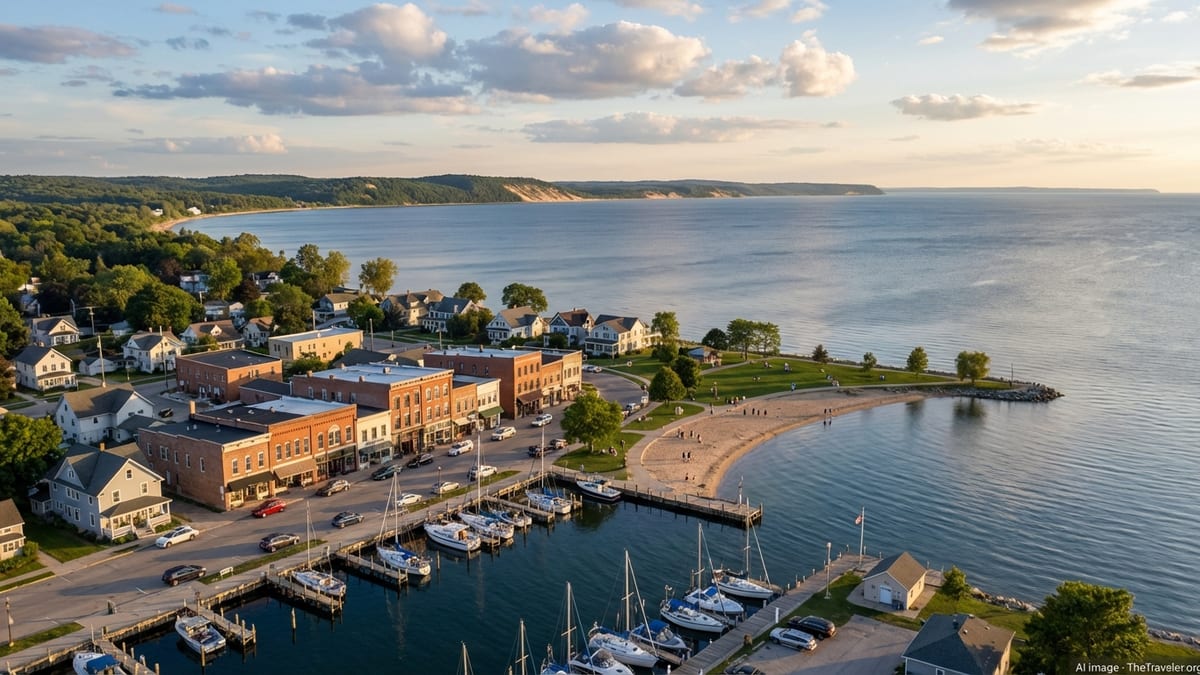
Travelers who like Duluth’s lively dining scene and walkability but want softer weather and classic swimming beaches often look to Lake Michigan. Saugatuck, on the eastern shore of the lake in western Michigan, has long been a favored warm-season escape for visitors from Chicago, Grand Rapids, and Detroit. The town sits along the Kalamazoo River near its mouth, with easy access to large dunes and broad strands of sand facing the open lake.
In contrast to Duluth’s rocky waterfront, Saugatuck’s nearby Oval Beach and surrounding shoreline offer fine sand, rolling dunes, and sunsets that drop directly into the lake. National travel publications have repeatedly praised the area as one of the Midwest’s standout lake-beach destinations, pointing to its combination of scenery, water access, and a compact, art-forward downtown. On summer afternoons, the atmosphere is more reminiscent of a small seaside resort than a working port.
Like Duluth, Saugatuck punches above its weight in food and culture. The town supports numerous galleries, independent shops, and a wide range of restaurants in a walkable core. Historic attractions, small museums, and riverfront parks provide low-key diversions on days when the weather turns cool or windy. Boat tours on a large paddle-wheel-style vessel explore the river and open lake, giving visitors an overview without requiring them to navigate on their own.
Because Saugatuck is a well-established getaway, prices for lodging can climb during peak summer weekends, and traffic can feel busy at times. However, for those prioritizing warm-water swimming, sandy beaches, and an energetic yet still small-scale town, it offers a distinctly different take on Great Lakes living while keeping the walkable, food-forward spirit that many people enjoy in Duluth.
Manistee, Michigan: Classic Lake Michigan Harbor Town
Further north on Michigan’s western shore, Manistee offers another compelling Lake Michigan alternative. Centered around a Victorian-era downtown and riverfront, the city combines historic architecture with easy access to broad beaches and a working harbor. In recent years, it has earned renewed attention thanks to regional and national rankings that recognized its main municipal beach as one of the best in the state, citing its family-friendly atmosphere, amenities, and expansive lake views.
First Street Beach, one of the area’s largest recreation zones, exemplifies why Manistee appeals to lake travelers. The park includes wide sand, playgrounds, picnic shelters, and a boat launch, along with seasonal concessions and other facilities that make full-day visits comfortable. A lakeside promenade and adjacent green spaces attract walkers and sunset-watchers, while local events ranging from fireworks to fishing tournaments bring a sense of community throughout the warm months.
Compared with Duluth, Manistee’s downtown sits closer to the main tourist beach, making it easy to pair time in the water with stops at shops, cafes, and restaurants. The city has invested in riverwalk improvements and other public spaces, encouraging visitors to explore beyond the shoreline. The overall feeling is more traditional small Midwest town than edgy port city, which can be especially appealing for families and travelers who prefer a slower rhythm.
While Lake Michigan conditions can still shift quickly, its water near Manistee tends to feel more inviting for swimmers during summer than the colder expanses of Lake Superior. Travelers should continue to pay attention to flag warnings, currents, and weather forecasts, but those who have found Duluth’s lakefront too cold for comfortable swimming may appreciate the relative warmth and gentler surf here.
Lake Winnebago, Wisconsin: Big Inland Lake with Laid-back Vibe
For some travelers, the ideal Duluth alternative is not another Great Lake at all but a large inland body of water with easier access and a softer personality. Lake Winnebago, in northeast Wisconsin, fits this description. It is the state’s largest inland lake by surface area and anchors a cluster of communities that share marinas, parks, and relaxed waterfront districts. Travel and leisure publications have highlighted Winnebago in recent rankings of top lake vacations, noting its appeal for windsurfing, boating, and casual getaways.
The lake supports an active boating culture, with pleasure craft, sailboats, and fishing vessels crisscrossing its waters in summer. Numerous public parks and marinas line the shore, offering boat ramps, picnic areas, and swimming spots. High Cliff State Park on the northeastern shore features campgrounds, trails with lake overlooks, and a marina, creating a hub for both day users and overnight visitors. Other lakeside parks near cities like Fond du Lac and Oshkosh provide playgrounds, trails, and family-friendly amenities.
Fishing is another major draw, with Winnebago widely regarded as one of Wisconsin’s better walleye lakes. Anglers also target panfish, bass, and other species, and the broader “Winnebago Pool” that includes connected lakes and rivers is busy throughout the open-water season. In winter, much of the lake freezes, opening opportunities for ice fishing and snow-related recreation, though conditions can vary from year to year.
Compared with Duluth’s complex mix of steep streets, rail lines, and industrial waterfront, Lake Winnebago’s communities often feel more spread out and suburban, with easier parking and shorter walks between car and water. Travelers who want an accessible, budget-friendly lake trip with plenty of room to spread out may find this a comfortable shift, even if the sweeping headlands and cliffs of Lake Superior are traded for a gentler, prairie-fringed horizon.
Devil’s Lake, Wisconsin: Cliff-ringed Gem near the Dells
Visitors who are drawn to Duluth’s rugged trails and rock outcrops might find a surprising inland counterpart at Devil’s Lake State Park in south-central Wisconsin. This spring-fed lake lies within a steep-walled quartzite gorge, creating a dramatic bowl of cliffs, talus slopes, and forest. It is less a conventional lake town and more a concentrated outdoor playground, yet for hikers, climbers, and paddlers, it can function as a focused alternative to Duluth’s broader outdoors scene.
The lake itself has two sand beaches at the north and south shores, with picnic areas, playgrounds, and rental concessions for kayaks, paddleboards, and pedal boats. Motorized boating is tightly limited to protect water quality, which keeps the surface quieter and more suitable for paddle craft and casual swimming than many reservoirs of similar size. Clear water and rocky surroundings also attract scuba divers, adding an unexpected dimension to lake recreation here.
On land, Devil’s Lake offers nearly 30 miles of hiking trails of varying difficulty. Easier routes follow the shoreline, while more challenging paths climb steeply to clifftop viewpoints. Popular trails lead to distinctive rock formations and panoramic overlooks where hikers can gaze down at the lake far below, a perspective that echoes some of the elevated views available around Duluth but in a more compact setting. In winter, portions of the trail network remain open for snowshoeing and cross-country skiing, though conditions are not groomed.
Because Devil’s Lake sits within a state park rather than a city, services are more limited. Campgrounds and concessions operate seasonally, and travelers typically stay in nearby towns, including Baraboo and the Wisconsin Dells area. This makes the destination well suited to those who are comfortable planning ahead for supplies and lodging and who are more interested in hiking and paddling than nightlife or shopping.
Planning Your Trip: Choosing the Right Duluth Alternative
Deciding which of these destinations best replaces Duluth for a given trip starts with clarifying your priorities. If the cool air, big-water views, and distinctive personality of Lake Superior are central, Bayfield, Madeline Island, or Copper Harbor keep you on the same lake while offering different scales and levels of remoteness. Bayfield and Madeline Island lean toward relaxed vacation-town atmospheres with strong water access and manageable size, while Copper Harbor delivers maximum solitude and dramatic scenery at the cost of longer travel times and fewer amenities.
If, instead, you find yourself wishing Duluth’s waterfront had softer sand and warmer water, Lake Michigan towns like Saugatuck and Manistee might serve you better. They swap basalt and breakwaters for dunes and beaches and replace ships with sunsets. Both still provide walkable cores and a mix of dining and lodging options, but their tone is more classic beach town than industrial harbor, especially at the height of summer.
Travelers focused on value, easy access, and low-key recreation might gravitate to Lake Winnebago or Devil’s Lake. These inland waters lack the sheer scale of Superior or Michigan but compensate with calmer conditions, family-friendly facilities, and shorter walks between parking lots, picnic tables, and the water’s edge. They are also logical choices for shorter weekend trips from many Midwestern cities, where spending less time driving leaves more hours for paddling, hiking, and swimming.
No matter which destination you choose, it is wise to check current information on water conditions, park reservations, and any advisories shortly before departure. Weather patterns, high visitor numbers, and water quality concerns can all affect plans, particularly during peak summer and fall seasons. Building flexibility into your itinerary, just as you would for a Duluth trip, helps ensure the lake remains the focal point rather than a source of stress.
FAQ
Q1. Which alternative feels most similar to Duluth overall?
Bayfield, Wisconsin, is often the closest match, with its Lake Superior setting, maritime history, and walkable waterfront, but on a smaller and quieter scale.
Q2. Where can I find the best sandy beaches among these options?
Saugatuck and Manistee on Lake Michigan offer broad sandy beaches and dunes, while Madeline Island provides unusually long sand beaches for Lake Superior.
Q3. Which destination is best for families with young children?
Manistee, Saugatuck, Lake Winnebago parks, and Devil’s Lake all provide gentle swimming areas, playgrounds, and amenities that typically work well for families.
Q4. Are any of these places less crowded than Duluth in summer?
Copper Harbor and some stretches around Lake Winnebago are generally less crowded, especially on weekdays, though popular parks can still be busy during holidays.
Q5. What is the best choice for serious hiking and rugged scenery?
Copper Harbor and Devil’s Lake stand out for challenging trails and dramatic landscapes, with Bayfield and Madeline Island offering moderate routes and lake views.
Q6. Which destinations work well outside of summer?
Bayfield, Copper Harbor, and Devil’s Lake offer strong fall color, while Lake Winnebago and some Lake Michigan towns extend into spring and autumn with shoulder-season tranquility.
Q7. Is Lake Superior always too cold for swimming?
Open Lake Superior stays chilly, but protected areas such as the lagoon and bays around Madeline Island can warm enough in mid-summer for short, refreshing swims.
Q8. Where can I combine a lake trip with arts, food, and shopping?
Saugatuck, Bayfield, and Duluth’s smaller counterparts along Lake Michigan and Lake Superior all support galleries, local restaurants, and compact shopping districts.
Q9. Are these alternatives generally more affordable than Duluth?
Prices vary, but many inland spots like Lake Winnebago and towns near Devil’s Lake can be more budget-friendly than peak-season stays in high-demand Great Lakes cities.
Q10. How far in advance should I book lodging for these lake destinations?
For peak summer weekends, it is wise to book several months ahead for popular places like Saugatuck, Bayfield, and Madeline Island, with more flexibility midweek or in shoulder seasons.