

For decades, Florida has been the default answer for Americans planning a beach escape or family trip. Yet rising prices, thicker crowds, heavier traffic, and increasingly volatile hurricane seasons have many travelers asking a different question: where can we find the same mix of sun, sand, and family fun without actually going to Florida? The good news is that there are plenty of alternatives, both within the United States and across the Caribbean, that offer beautiful beaches, rich natural landscapes, and kid friendly experiences, often with a more relaxed pace and better value.
Why Look Beyond Florida Now
Florida still delivers postcard worthy beaches and theme parks, but it is no longer the automatic best choice for every family. Peak season congestion in major hubs such as Orlando, Miami, and parts of the Gulf Coast has intensified in recent years, with heavier traffic on main arteries, longer waits at popular attractions, and higher nightly rates at many hotels and vacation rentals. Families who once found Florida affordable and easy are increasingly weighing the stress against the payoff.
Weather is another factor that is nudging travelers toward alternatives. The Atlantic hurricane season has shown more powerful storms and unpredictable paths, and parts of Florida’s coastline now see regular king tide flooding and beach erosion. While it is impossible to find a coastal destination entirely free of climate risk, some regions sit outside the main hurricane belt or enjoy more stable year round conditions that reduce the odds of a washed out vacation.
At the same time, other destinations have quietly invested in boardwalks, backcountry trails, marine parks, and family friendly resorts, often without grabbing the same headlines as Florida’s theme parks. From the dune backed beaches of the Carolinas to the emerald waters of Alabama’s Gulf Coast and the gentle coves of the Caribbean, these places now offer robust alternatives where kids can play, parents can relax, and nature feels a little closer and less commercial.
Looking beyond Florida is not about replacing it forever. It is about expanding your playbook. By exploring lesser known coasts and islands, you spread out your travel footprint, support a wider range of communities, and often discover quieter moments that are hard to find on a packed Florida highway in school vacation week.
Outer Banks and Carolina Coast: Wild Dunes and Laid Back Towns
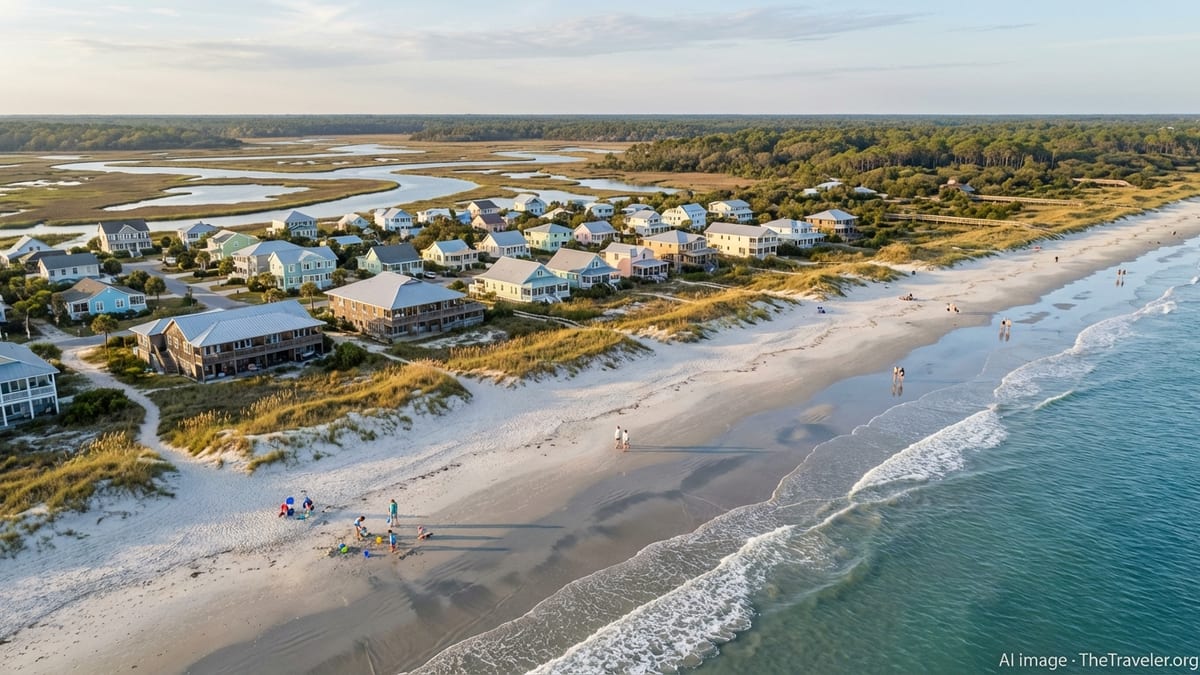
If you love Florida’s Atlantic beaches but crave more space and softer development, North Carolina’s Outer Banks are an obvious first alternative. This string of barrier islands offers long, wind swept beaches, sizeable dunes, and small towns where low rise homes outnumber high rise hotels. Much of the coastline sits within protected areas such as Cape Hatteras National Seashore, where spots like Coquina Beach are known for wide, wave washed sand, dunes topped with sea oats, and a quieter feel even in summer.
Families who enjoy light adventure can mix classic beach days with kite flying on massive dunes, beginner friendly surf lessons, and visits to historic lighthouses. The area around Nags Head, Kill Devil Hills, and Kitty Hawk layers in aviation history, mini golf, casual seafood shacks, and kid friendly piers. Rental homes often come with full kitchens and decks, making it easy for multigenerational groups to spread out without resort fees and elevator waits.
South Carolina’s coast offers a different vibe that may appeal to families who like a gentler ocean and resort style amenities without the intensity of Florida’s biggest hubs. Places such as Hilton Head Island and Isle of Palms combine broad, bikeable beaches with marshes and maritime forests. There is an emphasis on cycling paths, nature preserves, and calm inshore paddling, which works especially well for families with young children or grandparents in the mix.
Spring and early fall can be ideal seasons for the Carolinas, with warm but not oppressive temperatures and generally lower lodging costs than the peak of summer. While hurricanes can still affect these coasts, many families find that the mix of open space, accessible nature, and relaxed, village scale development offers a welcome contrast to Florida’s more urbanized stretches.
Gulf Shores and Orange Beach, Alabama: Emerald Water and Nature Trails
On the northern Gulf of Mexico, Alabama’s Gulf Shores and Orange Beach deliver soft white sand and clear, gently shelving water that feels remarkably similar to parts of Florida’s Panhandle. This area has grown into a family favorite, yet it still reads as more manageable and small scale than some of Florida’s busiest Gulf Coast towns. Beachfront condos and modest high rises share space with low key seafood spots and state park land, giving the region a mix of creature comforts and natural escape.
One standout for active families is Gulf State Park, which anchors the area with miles of protected shoreline, freshwater lakes, and extensive boardwalks. Threaded through the park is the Hugh S. Branyon Backcountry Trail, a connected system of paved and gravel paths that spans multiple ecosystems and has been recognized in national awards as one of the country’s leading recreational trail networks. Families can cycle or stroll past longleaf pine forests, wetlands, and coastal scrub, spotting birds and the occasional alligator from safe distances.
For children who need variety, Gulf Shores offers more than just beach naps and sandcastles. Shallow coastal waters are ideal for beginner paddleboarding and kayaking, and local outfitters offer easygoing dolphin cruises and fishing trips. On less than perfect weather days, mini golf, small amusement parks, and indoor attractions help burn off energy without the scale or expense of Florida’s mega theme parks.
Alabama’s coast is also attractive from a budget standpoint. While prices rise during school holidays, lodging and dining often come in lower than similar properties in northwest Florida. Many visitors drive from neighboring states, which avoids airfare costs and makes it easier to pack beach gear, coolers, and bikes for a weeklong stay.
Pacific Northwest Coasts: Rugged Beauty and Coastal Forests
For families willing to trade bath warm surf for misty drama, the Pacific Northwest offers an unforgettable alternative that blends beaches with some of North America’s richest temperate rainforests. Washington’s Olympic Peninsula is a particularly compelling choice: within a single national park, you can walk from moss draped forest to wave pounded shore, all under the watch of snow capped peaks in the distance.
Rialto Beach, on the Olympic coast, is a powerful example of how different a beach vacation can feel outside Florida. Instead of umbrellas and chair rentals, you find driftwood logs, sea stacks rising from the surf, and a “tree graveyard” of massive trunks tossed ashore by winter storms. Families hike along pebbled sand and tidepools, watching for seabirds and offshore whale spouts. A short walk leads to a natural rock arch known as Hole in the Wall, where at low tide children can peer into small pools alive with anemones and crabs.
Further south, along the Oregon coast, state parks provide accessible viewpoints and trails that layer beach play with sweeping views. Ecola State Park, near Cannon Beach, frames offshore islands and the famous sea stack often photographed from town. A bit down the coast, Cape Kiwanda State Natural Area in Pacific City offers sandy slopes that kids can climb and run down, along with views of another offshore sea stack and the steady churn of Pacific surf.
Because Pacific waters are cold year round, these destinations work best for families who value hiking, photography, and tidepool exploration over swimming. Summer and early fall generally bring the driest conditions and the best chance of blue skies. Lodging ranges from humble motels and family run inns to rental homes with ocean views, but development is much lighter than in Florida, which helps these coasts retain a wild edge even in their most visited corners.
Caribbean Without the Hassle: Aruba, Bahamas Out Islands, and More
For families who love Florida mainly as a gateway to warm, turquoise water, several Caribbean destinations now offer a compelling case to skip the layover and go straight to the islands. One of the strongest all round options is Aruba, regularly highlighted in recent family travel roundups for its mix of safety, reliable sunshine, and shallow, calm beaches. Sitting just outside the primary Atlantic hurricane belt, Aruba sees relatively little storm disruption compared with many Caribbean islands, which gives parents greater confidence when booking summer or fall trips.
Beaches such as Eagle Beach and Baby Beach are praised for gentle surf and gradually sloping bottoms that work well for younger children. The island’s Dutch influenced infrastructure brings orderly roads, clear signage, and a mature tourism industry that leans into family needs, from kid friendly menus to easily arranged snorkel trips. With year round temperatures typically hovering around the eighties Fahrenheit and relatively low rainfall, it is a strong Florida alternative when weather uncertainty looms.
The Bahamas, long a favorite for cruise passengers, now draws more attention for its smaller islands and outlying cays that offer quieter stays than the main resort strips. Islands such as Eleuthera and Harbour Island have been profiled in recent travel features as emerging highlights, with pink sand beaches, boutique hotels, and a mix of blue holes, caves, and coastal hikes that balance relaxation with exploration. These islands can require an extra flight or boat transfer, but the reward is a more spacious, nature forward setting than many high rise corridors in Florida.
Families who want U.S. style convenience while still leaving the mainland might look at Puerto Rico or the U.S. Virgin Islands. Puerto Rico layers beaches with the unique El Yunque rainforest and bioluminescent bays, while the Virgin Islands combine protected parkland with coves ideal for learning to snorkel. Both destinations use U.S. currency, and for American citizens, documentation requirements are simpler than for international trips, which can ease logistics for larger family groups.
Closer to Home but Different: Texas and Mid Atlantic Shores
Not every Florida alternative requires a long flight or a passport. For many travelers, the best option is a coast that is geographically closer but distinct enough to feel like a new chapter. Along the Gulf, Texas offers miles of sandy barrier islands where families can blend a beach week with coastal wildlife, historic towns, and even space themed excursions.
Communities along the central and upper Texas coast typically feature wide, driveable beaches, simple rental homes, and fishing piers. The water is not as crystal clear as Florida’s Emerald Coast, but the mood tends to be relaxed and family focused, with campfires, sandcastle competitions, and surf fishing at sunrise. Nature preserves and birding hotspots dot the coast, attracting migratory species and offering a different kind of “show” than you find in theme parks.
On the Atlantic side, the Mid Atlantic’s New Jersey and Delaware shores also serve as practical Florida alternatives for families in the Northeast and Mid Atlantic states. Boardwalk towns combine beaches with arcade games, small amusement rides, and classic treats like funnel cakes and saltwater taffy. Just inland from the sand, wildlife refuges and state parks protect salt marshes and coastal forests, creating easy opportunities for short hikes, birdwatching, and kayaking.
These closer to home options shine for long weekend trips and last minute getaways, when airfare to Florida or the Caribbean is either too expensive or logistically complex. While water temperatures may be cooler, especially in spring and fall, the familiar comforts and shorter travel times often more than compensate, particularly for families with school age children and limited time off.
Nature First: Planning a Family Trip Around Parks and Wildlife
One of the biggest advantages of looking beyond Florida is the chance to design your trip around landscapes rather than attractions. Many alternative destinations put national parks, state parks, and wildlife refuges at the center of the experience, with beaches acting as just one element in a broader nature based itinerary. This approach tends to slow down the pace and reframe a family vacation as a shared outdoor adventure instead of a checklist of rides and shows.
In the Pacific Northwest, families often split a week between coastal campsites or cabins and inland lodges near mountain lakes and waterfalls. Mornings might involve tidepool walks and clifftop viewpoints, followed by afternoons exploring rivers, hot springs, or low elevation forest trails. Kids learn to spot animal tracks, identify tide creatures, and understand how ocean and forest ecosystems connect.
In the Southeast, regions like the Alabama Gulf Coast and the Carolinas increasingly highlight their protected lands as trip anchors. Multi use trail systems, boardwalks through marshes, and interpretive centers help children engage with local wildlife and coastal processes. Instead of spending every day in a beach chair, families alternate swimming with guided kayak trips through back bays, birding walks at sunrise, or bike rides shaded by live oaks.
Even in the Caribbean, more resorts now promote nearby reefs, mangroves, and rainforests as key reasons to visit. Guided snorkel outings, sea turtle conservation programs, and rainforest zip line or canopy tours give children a tangible sense of place beyond the resort pool. By choosing destinations where nature, not only nightlife or shopping, is the main draw, families often come home with stronger shared memories and a deeper appreciation of the places they have visited.
The Takeaway
Florida will likely remain a major magnet for family vacations, but it does not have to be the default choice every time school lets out. Across the United States and the Caribbean, you can now find coastal destinations that pair warm water and soft sand with quieter streets, more immersive nature, and a pace that invites lingering rather than rushing.
From the windswept dunes of the Outer Banks and the emerald edged beaches of Alabama’s Gulf Coast to the driftwood lined shores of the Pacific Northwest and the hurricane resistant coves of Aruba and the Bahamas out islands, there is no single “new Florida.” Instead, there is a menu of places, each with its own character, climate, and mix of activities. Matching that character to your family’s priorities is far more effective than simply defaulting to a familiar highway exit.
As you plan your next escape, start with a candid conversation about what you actually want from the trip. If you crave nature, consider national park coastlines. If you want dependable weather and passport friendly logistics, look to Caribbean islands with strong safety records and family infrastructure. If you value simplicity and shorter drives, explore lesser known stretches of your nearest coastline. In widening your lens beyond Florida, you may find that your most memorable beach and nature vacations are still ahead of you.
FAQ
Q1. Why should I choose an alternative to Florida for a family beach trip?
Many families are seeking less crowded beaches, different types of nature, and in some cases more stable weather or better value than they now find in parts of Florida.
Q2. Which Florida alternatives are best for young children who are new to the ocean?
Aruba’s calm, shallow beaches, Alabama’s gently sloping Gulf Shores, and protected coves in the Carolinas are all well suited to younger swimmers with proper supervision.
Q3. Are any of these destinations less affected by hurricanes than Florida?
No coastal area is completely risk free, but islands such as Aruba sit outside the primary Atlantic hurricane belt, which generally reduces storm related disruption compared with many mainland coasts.
Q4. What is a good choice if my family loves both beaches and hiking?
The Olympic Peninsula in Washington and the Oregon coast combine rugged beaches with extensive forest trails, while Alabama’s Gulf State Park pairs shoreline with an award winning trail network.
Q5. Do I need a passport to visit Caribbean alternatives like Puerto Rico or the U.S. Virgin Islands?
U.S. citizens do not need a passport for travel between the mainland United States and Puerto Rico or the U.S. Virgin Islands, which can simplify logistics for family groups.
Q6. How do costs in places like Alabama or the Carolinas compare with Florida beach towns?
Prices vary by season, but many travelers find that lodging and daily expenses in parts of Alabama’s Gulf Coast and the Carolinas can be lower than in Florida’s most in demand coastal areas.
Q7. Are there good non theme park activities for kids in these alternative destinations?
Yes. Options range from dolphin cruises, beginner snorkeling, and tidepool walks to bike trails, zip lines, small water parks, and hands on nature centers depending on the destination.
Q8. What is the biggest trade off when choosing the Pacific Northwest over Florida?
The Pacific Northwest offers dramatic scenery, tidepools, and forests, but its ocean water is cold year round, so families should expect more hiking and exploring than swimming.
Q9. How far in advance should I book a family trip to these destinations?
For peak school holiday periods, booking several months ahead is prudent, especially for popular rental homes or smaller Caribbean properties with limited inventory.
Q10. How can I make a nature focused trip engaging for children?
Plan short, varied activities, involve kids in spotting wildlife, use simple field guides or apps, and balance active time outdoors with relaxed hours on the beach or by the pool.