

France has long set the standard for travelers who want rich culture paired with serious food. Yet in recent years, more visitors are looking beyond Parisian bistros and Provençal markets, searching for destinations that offer similarly layered history, art, and gastronomy with a different flavor. From Mediterranean harbors to Andean capitals, a new generation of culinary cities and cultural regions now rivals France for travelers who care as much about what is on the plate as what is hanging in the museum. Here are some of the most compelling alternatives to France for culture and food, and how to experience them at their best.
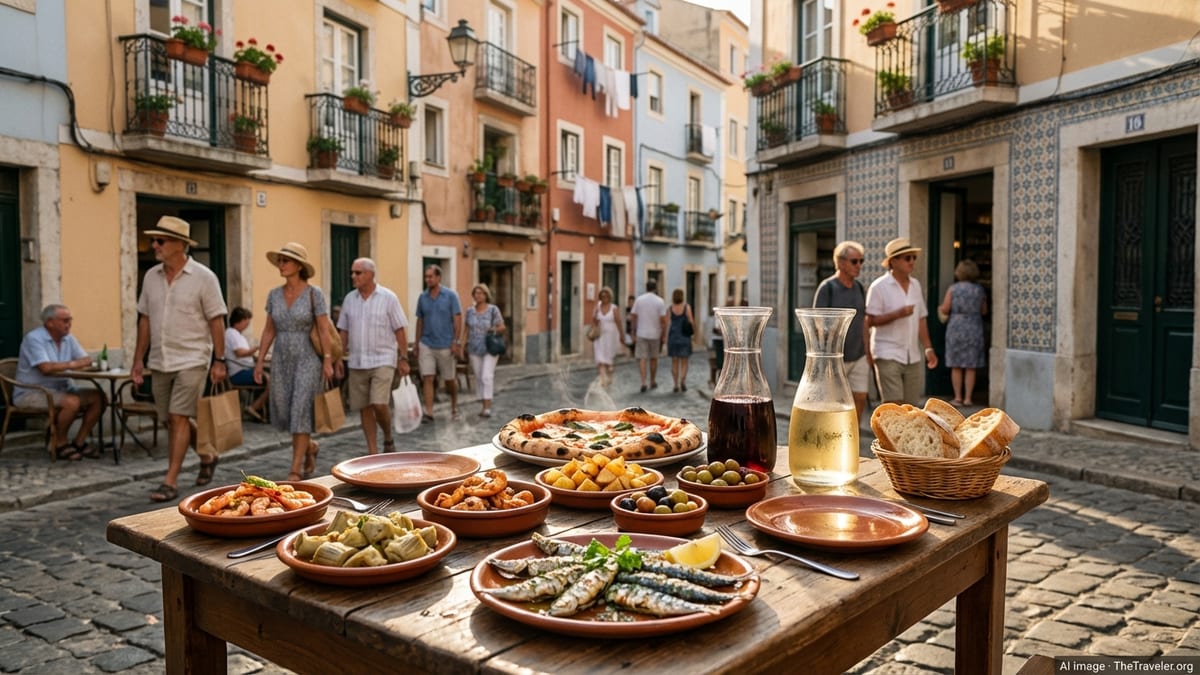
Italy: Art Cities and Regional Tables That Rival Any Bistro
If there is one country that can credibly claim to match, and often surpass, France for the combination of culinary depth and cultural heritage, it is Italy. Recent global rankings of world cuisines frequently place Italy at or near the top, reflecting both its influence and the remarkable diversity between regions. Travelers who might once have defaulted to Paris for a long weekend increasingly look to Italian cities where Renaissance masterpieces, Roman ruins, and contemporary design sit a short stroll from markets and trattorias.
Naples, Bologna, Florence, and Rome collectively showcase how culture and food intertwine in daily life. In Naples, the birthplace of pizza, historic alleys spill down towards the bay, baroque churches stand beside laundry-strung backstreets, and family pizzerias serve wood-fired pies that are fiercely protected by tradition. Bologna, often described as Italy’s gastronomic capital, offers porticoed streets, medieval towers, and university cloisters just minutes from shops selling tortellini, cured meats, and aged Parmigiano.
Florence and Rome provide a density of galleries and monuments that will feel familiar to Francophiles who love the Louvre and the Musée d’Orsay. Yet the food culture feels more relaxed and often more affordable. In Florence, the Uffizi and Duomo are never far from casual wine bars pouring Chianti with simple crostini or plates of bistecca alla Fiorentina. Rome layers classical ruins, baroque piazzas, and contemporary art spaces over a food scene that runs from tiny trattorias serving cacio e pepe to modern natural wine bars and gelaterias.
For travelers used to French terroir, Italian regionalism offers a parallel pleasure. Each area has its own emblematic ingredients, from Ligurian basil and Tuscan olive oil to Sicilian citrus and Puglian burrata. Instead of chasing grand Michelin experiences, many visitors now focus on agriturismi, rustic wine estates, and neighborhood osterie where menus shift with the seasons and conversations with owners are part of the experience.
Spain: Tapas Culture and Late-Night Arts Scenes
Spain has steadily positioned itself as a powerhouse for both culinary experimentation and accessible everyday eating, making it an ideal alternative for travelers who love the bistro culture of France. Its major cities combine historic quarters and world-class museums with a casual, late-night dining rhythm that encourages grazing rather than formal multi-course meals.
Barcelona and Madrid are natural entry points. Barcelona balances Modernist architecture, Gothic streets, and a thriving contemporary arts scene with a food culture rooted in seafood, produce-driven Catalan cooking, and an almost ritualistic devotion to the evening paseo. Markets such as La Boqueria, neighborhood wine bars, and tapas counters provide endless options for small bites, from grilled prawns to pan con tomate, often at prices that compare favorably with central Paris.
Madrid offers a different but equally compelling atmosphere. Grand boulevards and royal palaces coexist with packed tapas bars where standing at the counter is part of the ritual. Visitors can step from the Prado’s galleries of Velázquez and Goya directly into nearby streets that specialize in anchovies, croquetas, and vermut on tap. Late dining hours mirror a social rhythm that revolves around conversation as much as cuisine.
Beyond the capitals, regional Spain gives travelers an experience akin to exploring French wine regions, but with its own palette of flavors. San Sebastián, in the Basque Country, has long been celebrated for its pintxos bars and high concentration of fine-dining restaurants. Andalusian cities like Seville and Granada add Moorish architecture, intimate flamenco venues, and a tradition of complimentary tapas with drinks. For travelers enthralled by French terroir, Spain’s wine regions, from La Rioja to Priorat, offer cellar visits, vineyard lunches, and strong local food identities.
Portugal: Old-World Charm and a Rising Culinary Star
Portugal has emerged as one of Europe’s most attractive destinations for culture-minded food travelers who want the elegance and urban energy they might seek in France, but at a gentler price point. In recent global cuisine rankings, Portugal now appears near the top, reflecting a new appreciation for its seafood-driven Atlantic cooking, regional sweets, and contemporary chefs who reinterpret tradition.
Lisbon and Porto anchor most itineraries. Lisbon rises and falls over seven hills, with viewpoints, tramlines, and tiled facades framing the Tagus River. Historic districts such as Alfama echo with fado music after dark, while contemporary galleries, design shops, and converted warehouses on the waterfront speak to a creative renaissance. Food here is omnipresent, from pastelarias layering trays of still-warm custard tarts to tascas specializing in grilled sardines, salt cod, and simple dishes that highlight olive oil, garlic, and fresh herbs.
Porto, smaller and moodier, blends steep riverfront streets, azulejo-tiled churches, and port wine lodges that look across the Douro. The city’s culinary identity is closely tied to the river and to the Douro Valley vineyards upstream. Visitors can explore contemporary Portuguese cooking in informal wine bars, sample petiscos, or cross the bridges to tour historic cellars before taking a boat into the terraced hills.
Outside the major cities, Portugal is particularly appealing for travelers drawn to the French countryside. The Alentejo region, with its cork forests, whitewashed villages, and slow pace, pairs hearty stews and bread-based dishes with full-bodied wines. Coastal areas such as the Silver Coast and parts of the Algarve still retain working fishing villages where seafood markets and simple beachside restaurants provide a direct connection from ocean to plate. Cultural festivals, local crafts, and a generally unhurried rhythm make Portugal an increasingly popular alternative for those who want depth of experience without the crowds of France’s most famous regions.
Greece: Mythology, Island Culture, and Sun-Soaked Cuisine
For travelers who associate France with long summer evenings, seaside meals, and a deep sense of living history, Greece offers a compelling alternative. Its cuisine, which has ranked highly in recent global assessments, emphasizes simplicity, fresh ingredients, and generous hospitality. At the same time, the country’s archaeological sites, island architecture, and traditional music provide a cultural tapestry as rich as any in western Europe.
Athens has transformed over the past decade from a city many visitors rushed through into a destination in its own right. The Acropolis and its museum remain essential, but the surrounding neighborhoods now brim with contemporary galleries, design spaces, and restaurants that reinterpret classic Greek dishes. Rooftop terraces look out over both ancient temples and street art, while open-air markets bustle with olives, cheeses, wild greens, and seafood.
On the islands, food and culture merge with landscape. The Cyclades, including destinations such as Naxos and Paros, offer whitewashed villages, small chapels, and tavernas where meals stretch for hours over grilled fish, tomato salads, and carafes of local wine. Crete, Greece’s largest island, is particularly renowned for its olive oil, herbs, and rural food traditions. Inland villages welcome visitors with slow-cooked lamb, greens pies, and foraged ingredients that reflect a landscape shaped by centuries of small-scale agriculture.
For those used to France’s focus on regional identity, Greece provides endless variety. Mountainous northern areas serve heartier dishes, often influenced by neighboring Balkan cuisines, while the Aegean and Ionian coasts rely heavily on seafood and citrus. Religious and seasonal festivals, from Orthodox Easter to summer panigyria, often center on shared tables and live music. The result is a destination where culture is not confined to museums, but experienced in every family-run taverna and village square.
Japan: Precision Cuisine and Deep Urban Culture
Travelers who admire France for its refinement, attention to detail, and codified culinary traditions often find a natural alternative in Japan. The country consistently appears near the top in both restaurant guides and cuisine rankings, and major cities such as Tokyo, Osaka, and Kyoto offer an intensity of cultural and gastronomic experiences that can rival any European capital.
Tokyo is one of the world’s densest restaurant cities, ranging from small counters that specialize in a single dish to high-end sushi and kaiseki establishments. The city’s food culture rewards curiosity and respect for craft, much like France’s grand restaurants and patisseries. Neighborhood markets, department store food halls, and late-night ramen shops make it easy for visitors to experience a wide cross-section of flavors without formal reservations.
Kyoto, Japan’s former imperial capital, appeals strongly to travelers who prioritize culture. Wooden townhouses, temples, and gardens shape the city’s aesthetic, while traditional tea ceremonies and seasonal kaiseki cuisine highlight the Japanese concept of seasonality with particular precision. A meal may echo the colors and textures of the current season, from spring bamboo shoots to autumn mushrooms, in a way that parallels but differs from French seasonal dining.
Osaka, often described as the nation’s kitchen, adds a more informal dimension. Street foods such as okonomiyaki and takoyaki, along with lively entertainment districts, create an atmosphere that blends serious eating with a relaxed, sociable mood. For travelers used to French markets and wine bars, Japan’s izakayas provide a similar sense of conviviality, offering small plates, local drinks, and an environment where conversation flows easily. Coupled with rich traditions in theater, crafts, and contemporary pop culture, Japan presents a complete alternative for culture-focused food travel.
Mexico: Living Heritage and One of the World’s Great Cuisines
Mexican cuisine is increasingly recognized as one of the world’s most influential and complex, with a history that predates many European culinary traditions. For travelers who usually look to France for rich flavors and a strong sense of place, Mexico provides an alternative anchored in indigenous ingredients, colonial architecture, and modern creativity. Its food culture has been acknowledged as part of humanity’s intangible heritage, highlighting how deeply cooking traditions are woven into rituals and community life.
Mexico City has become a magnet for culinary travelers. Historic neighborhoods with tree-lined streets and Art Deco buildings now host a wide mix of taquerias, contemporary restaurants, mezcalerias, and specialty coffee bars. A single day might move from morning churros and hot chocolate to lunchtime street tacos, afternoon museum visits, and a tasting menu built around native corn, chilies, and herbs. Cultural institutions, from the National Museum of Anthropology to small independent galleries, provide context for the country’s layered history and regional diversity.
Beyond the capital, regional cuisines offer as much variety as France’s provinces. Oaxaca is particularly well known for its moles, markets, and thriving craft scene, where weaving, pottery, and mezcal production are central to identity. The Yucatán Peninsula combines archaeological sites such as Chichén Itzá with dishes influenced by Mayan techniques and ingredients, including citrus-marinated pork and corn-based snacks. Coastal regions along both the Pacific and Gulf coasts showcase seafood traditions that feel distinct from one state to the next.
What sets Mexico apart as an alternative to France is the way everyday food still carries ceremonial weight. Street food can be as carefully prepared and locally rooted as any bistro dish. Family-owned eateries, weekend markets, and festival foods tell stories about migration, resilience, and adaptation. For travelers interested in cooking classes, market tours, and encounters with producers, Mexico offers a wealth of opportunities that feel immersive yet accessible.
Peru: Andean Flavors and a New Global Food Capital
In the past decade, Peru has emerged as a global reference point for contemporary gastronomy while maintaining strong ties to its indigenous and regional food traditions. For travelers who have long equated culinary excellence with France, Lima now stands out as an alternative urban hub, and the country as a whole offers a mix of history, landscapes, and flavors that is hard to replicate elsewhere.
Lima’s rise as a food city is tied to its geography. Peruvian cuisine draws on coastal waters, Andean highlands, and Amazonian forests, creating a pantry of ingredients that chefs have only recently begun to fully explore on the international stage. Ceviche, long a national emblem, now shares attention with dishes that highlight native potatoes, corn varieties, and lesser-known herbs and peppers. The city’s restaurant scene ranges from traditional cevicherías and neighborhood huariques to highly regarded tasting-menu venues that experiment with fermentation, biodiversity, and ancestral techniques.
Culturally, Lima combines colonial architecture, pre-Columbian archaeological sites, and contemporary arts districts. Neighborhoods along the cliffs look out over the Pacific, while others center on markets, plazas, and street art. Museums help visitors understand Peru’s ancient civilizations and the legacy of the Inca, providing context for dishes that use ingredients once reserved for ceremonial use.
Beyond the capital, the Sacred Valley and Cusco connect culinary and cultural tourism in a way that will feel familiar to Francophiles who love vineyard regions and historic villages. Travelers can visit local markets, sample highland dishes such as quinoa soups and slow-cooked meats, and learn about traditional farming methods that survive at high altitude. The journey to Machu Picchu, often combined with village homestays or rural lunches, turns food into a lens for understanding how Andean communities have adapted to their environment over centuries.
How to Choose the Right Alternative to France
With so many compelling options, choosing an alternative to France for culture and food often comes down to travel style, budget, and the kind of stories you want to bring home. Italy and Spain provide the easiest transitions for first-time visitors, especially if you are used to European train travel, walkable historic centers, and wine-focused dining. Their similarities to France in climate, pace, and infrastructure can make the shift feel smooth, while the differences in language, flavor, and daily rhythm keep things fresh.
Portugal and Greece make sense for travelers seeking a slower pace and strong connections to landscape and sea. Both countries reward staying longer in fewer places, whether that means a week in a Greek island village or several days in a Portuguese wine region. Their relative affordability compared with some French hotspots can allow for nicer accommodations, additional guided experiences, or simply more lingering over meals.
Japan, Mexico, and Peru offer the most dramatic contrast to France, and often the deepest sense of discovery. Long-haul flights and cultural differences require more planning and sensitivity, but the reward is immersion in culinary and artistic traditions that expand one’s sense of what food travel can be. These destinations are particularly appealing to repeat visitors to France who now want to explore completely different ingredients, techniques, and ways of organizing urban life.
Whichever alternative you choose, one principle holds across all of these destinations: the most memorable cultural and culinary experiences often happen at a small scale. Neighborhood bars, local markets, seasonal village festivals, and conversations with cooks and artisans reveal as much about a place as any major museum or fine-dining reservation. For travelers willing to look beyond France, the world’s table has never been more inviting.
The Takeaway
France will likely always remain a benchmark for culture and cuisine, but it is no longer the only destination where travelers can find that particular mix of art, history, and unforgettable meals. Italy’s regional kitchens, Spain’s tapas streets, Portugal’s Atlantic charm, Greece’s island tables, Japan’s obsessive craftsmanship, Mexico’s living traditions, and Peru’s high-altitude innovation all offer rich alternatives shaped by their own histories and landscapes.
Choosing an alternative to France is less about replacing one classic with another and more about broadening your sense of what a culture-and-food trip can be. As more travelers seek authentic, locally grounded experiences, these destinations are investing in cultural institutions, protecting food traditions, and welcoming visitors who want to engage thoughtfully. For those willing to trade familiar bistros for something new, the rewards are measured in shared plates, new friendships, and stories that can only be told in a specific place.
In the end, the best alternative to France is the destination whose flavors and cultural rhythm speak most clearly to you. Whether that is a bowl of noodles in Osaka, a seaside lunch in Lisbon, a village feast in Crete, or a late-night taco in Mexico City, the journey begins with curiosity and an open appetite.
FAQ
Q1. Which country is the closest match to France for both food and culture?
Italy is often considered the closest match, with deep regional cuisines, major art cities, and a similar emphasis on long meals, wine, and everyday aesthetics.
Q2. If I usually visit Paris, which alternative city should I try first?
Barcelona, Lisbon, and Milan are strong alternatives, offering major museums, historic architecture, and vibrant restaurant scenes that are easy to navigate on a first visit.
Q3. Is Japan a good option for travelers who do not speak the local language?
Yes. Major Japanese cities have clear signage, efficient transport, and many restaurants with photos or display models, which helps visitors who do not speak Japanese.
Q4. Which destination offers the best value compared with popular regions of France?
Portugal and Greece generally provide excellent value, with comparatively lower costs for accommodation, restaurant meals, and intercity transport in many areas.
Q5. Are these alternative destinations suitable for travelers with dietary restrictions?
Most are, but experiences vary by region. Larger cities in Italy, Spain, Portugal, Japan, Mexico, and Peru increasingly offer vegetarian, vegan, and gluten-sensitive options.
Q6. How many days should I plan for a culture and food trip in one of these countries?
A minimum of one week allows time for one main city and a nearby region, while 10 to 14 days is ideal for combining several areas without feeling rushed.
Q7. Is street food safe to try in countries like Mexico and Peru?
Many travelers enjoy street food safely by choosing busy stalls, watching food being cooked to order, and starting slowly to see how their body reacts.
Q8. When is the best time of year to visit these destinations for food-focused travel?
Shoulder seasons such as spring and autumn often balance pleasant weather, seasonal produce, and fewer crowds than peak summer months.
Q9. Do I need to book restaurants far in advance in these alternative destinations?
High-profile restaurants may require reservations weeks or months ahead, but many excellent neighborhood spots can be enjoyed with only short-notice planning.
Q10. How can I make my trip more immersive without a large budget?
Visiting local markets, joining affordable walking or food tours, using public transport, and staying in small guesthouses can all deepen cultural contact at modest cost.