

Choosing where to stay can define how you experience the United Kingdom. In a country where world-class cities are separated by pockets of wild coastline and gentle countryside, the right base can mean shorter journeys, safer evenings, and more authentic encounters with local life. This guide focuses on the UK’s most popular urban and regional hubs and identifies the neighborhoods that work best for first-time visitors, families, culture seekers, and travelers who simply want a convenient, walkable base.
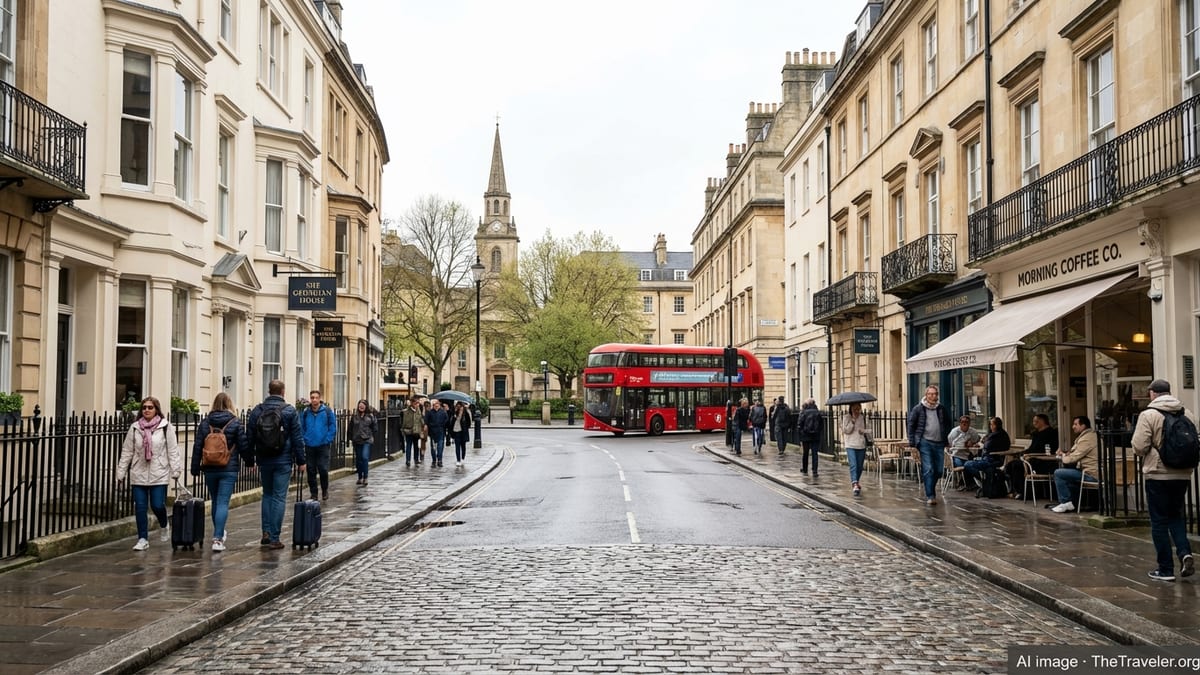
How to Choose the Right Base in the United Kingdom
For most visitors, the best areas to stay in the United Kingdom combine walkability, easy public transport, and a good mix of accommodation and dining. Historic cores in cities such as London, Edinburgh, York, and Bath put you close to major sights, but they can be noisy and more expensive. Neighborhoods just outside the very center often offer better value, while still keeping you within a short walk or tram ride of the main attractions.
Public transport is a major factor. In London, staying near Underground or rail hubs such as King’s Cross or Waterloo opens up the rest of the capital and makes day trips easier. In cities like Edinburgh and Glasgow, tram and rail links from areas such as Haymarket or the West End mean you can arrive from the airport, drop your bags, and be out exploring in minutes. When you plan a multi-city itinerary, choosing accommodation near major train stations can save hours over the course of a trip.
Safety and evening atmosphere are worth weighing carefully. Central districts in major UK cities are generally safe, particularly in areas popular with office workers, students, and families. As in most large cities, pockets around major nightlife streets can feel rowdier late at night, and the streets immediately outside large train stations are often more transient in feel. Opting for residential streets just off main roads usually strikes a balance between convenience and a calmer night’s sleep.
Finally, consider what you want from your time between sightseeing. Some travelers prefer lively nightlife and creative districts with street art, independent coffee shops, and late-opening bars. Others favor village-like corners within cities, close to parks and riverside walks. The United Kingdom offers both within short distances, so it is often possible to pair a historic center stay with a night or two in a quieter neighborhood to see different sides of the same city.
London: Central Icons and Characterful Neighborhoods
London is usually the first stop for international visitors, and choosing the right area can make the city feel navigable rather than overwhelming. For a classic first-time experience, central districts such as Covent Garden, the area around Trafalgar Square, and the streets between Soho and Bloomsbury place you within walking distance of landmarks including the West End theatres, major museums, and the River Thames. These areas are busy at nearly all hours, but the density of restaurants, cafés, and cultural venues means you will rarely be short of things to do.
Travelers who prioritize connectivity often gravitate towards King’s Cross and St Pancras. Once run-down, this district has been substantially regenerated, with modern public spaces and a growing number of hotels. From here, direct mainline rail services reach northern England and Scotland, while Underground lines fan out across the city. This can be a practical base for visitors planning several day trips or a multi-stop itinerary that continues by train.
For a more local, creative atmosphere, east and north London districts such as Shoreditch, Hackney, and Islington attract younger visitors and repeat travelers. Shoreditch is known for its street art, boutique hotels, and nightlife, while nearby Hackney offers an even more residential feel with strong food and café scenes. Islington, centered on Upper Street, mixes Georgian terraces with wine bars and independent shops, appealing to those who want a sophisticated but less hectic setting. These areas are well connected by Tube, Overground, and buses, though you will typically travel into the center for major sights.
Families and visitors seeking calmer evenings might look at areas such as South Kensington, Marylebone, or Greenwich. South Kensington sits on the Piccadilly line from Heathrow and is close to the cluster of national museums, with relatively wide streets and garden squares. Marylebone combines a village-like high street with proximity to Regent’s Park. Greenwich, further east along the Thames, offers maritime history, markets, and parkland, and works well if you prefer a neighborhood base with straightforward rail and riverboat links into central London.
Edinburgh: Old-World Atmosphere and Local Neighborhoods
Edinburgh rewards visitors who think carefully about where they stay. The compact city center is built around a dramatic hilltop castle and a spine of streets known as the Royal Mile that runs down to the Palace of Holyroodhouse, the official royal residence in Scotland. Staying in the Old Town places you in the thick of the city’s medieval character, with cobbled streets, historic closes, and major sights within a short walk. This area is ideal for first-time visitors, though it can be crowded during August festivals and over New Year.
Across Princes Street Gardens, the New Town offers elegant Georgian avenues, grand squares, and many mid-range and upscale hotels. This district is popular with travelers who want a central base with slightly wider streets and a more ordered street plan than the Old Town. You are still close to the Scottish National Gallery, shopping streets, and transport hubs, but evenings tend to feel a touch calmer, particularly on the residential streets heading towards the West End.
In recent years, neighborhoods a short distance from the center have become notable bases in their own right. Leith, the historic port area to the north, has emerged as a major cultural and culinary hub, with a mix of long-established seafood restaurants and newer creative spaces, plus tram connections to the city center. Stockbridge, just northwest of the New Town, feels like a village within the city, with Sunday markets, riverside walks along the Water of Leith, and a strong café and indie shop culture. Both appeal to visitors who want a more local feel while staying within easy reach of central sights.
Practical travelers who value smooth arrivals often look to Haymarket in the West End. This transport node, which now includes new design-led hotels, connects to the airport by tram and to other Scottish cities by rail, while being a manageable walk or short tram ride from the Old and New Towns. Southside and the streets around the Meadows cater to students and festival-goers, with lively bars and international eateries. Wherever you choose, Edinburgh remains a walkable city, but the steep hills and cobbles mean staying closer to the attractions you care about can make each day more comfortable.
Regional English Cities: Manchester, Liverpool, York and Bath
Beyond London, several English cities make excellent bases for exploring wider regions. In the northwest, Manchester has grown into a major cultural and transport hub. Visitors usually favor the city center districts around St Peter’s Square, Spinningfields, and the Northern Quarter. These areas place you near museums, galleries, and restaurants, as well as Piccadilly and Victoria stations for trains across northern England and to Scotland. The Northern Quarter, in particular, has a strong independent bar and café culture, though evenings can be busy.
Liverpool, an hour west by train, offers a different waterfront character. For most visitors, the best place to stay is in or near the city center, close to the regenerated docks and cultural attractions such as museums, galleries, and music venues. The streets between the Albert Dock area and Lime Street station provide a convenient mix of hotels and serviced apartments, and you can walk to most key sites. Some travelers prefer slightly quieter Georgian streets to the east of the center, which offer characterful guesthouses within walking distance of the action.
To the east, York and Bath offer compact historic centers that are particularly convenient for short stays. In York, the medieval walls, Gothic cathedral, and winding streets of the city center are all close together, so staying inside or just outside the walls means you can cover most sights on foot. Bath is similarly walkable, with Roman remains, Georgian crescents, and the riverside all within a small area. In both cities, the main choice is between very central hotels in historic buildings, which can be atmospheric but noisy, and quieter inns or guesthouses in residential streets just beyond the busiest lanes.
When using these cities as regional bases, proximity to the main railway station matters. Hotels and apartments within a ten- to fifteen-minute walk of Manchester Piccadilly, York station, or Bath Spa make day trips far easier, especially if you are carrying luggage. At the same time, looking slightly beyond the immediate station surroundings often yields a more pleasant atmosphere, with better dining options and a stronger sense of the local community.
Coastal Cities and Seaside Bases
Many visitors to the United Kingdom want at least a taste of the sea. The country’s long coastline ranges from genteel resort towns to lively surf beaches. In the south of England, Brighton is one of the most popular seaside bases, easily reached by rail from London. Most tourists choose to stay within walking distance of the seafront, the Lanes, and the station, where you will find a dense concentration of hotels, guesthouses, and restaurants. The streets just north of the Lanes and around the North Laine area offer a blend of nightlife and independent shops while remaining walkable to the beach.
Further southwest, cities such as Plymouth and Exeter serve as gateways to the beaches and fishing villages of Devon and Cornwall. Although many travelers ultimately opt for small village stays, spending a night near the historic harbors in Plymouth or close to Exeter’s compact center can simplify arrival and onward connections. In these cities, choosing central accommodation near the main station or waterfront usually pays off in easy access to both transport and dining, while hills and outlying suburbs are best avoided unless you are driving.
Northern and Welsh coasts have their own regional centers. In North Wales, towns such as Llandudno and Conwy provide straightforward rail links and a mix of Victorian seafront promenades, castles, and walking routes. On the northeast coast of England, places like Whitby and Scarborough blend traditional seaside attractions with access to rugged coastal paths. In all of these locations, staying near the seafront or historic center generally provides the most appealing experience, though quieter residential streets a block or two back from the main promenade can give you a better night’s sleep while keeping views and walks close at hand.
Weather on the UK coast is changeable at all times of year, so it is wise to look for accommodation within simple walking distance of cafés, pubs, and indoor attractions. That way, a day of sea fog or high winds becomes an atmospheric part of the experience rather than an obstacle that leaves you stranded far from shelter.
Countryside Gateways: Cotswolds, Lake District and Scottish Highlands
While the United Kingdom’s rural landscapes often conjure images of remote cottages and farm stays, most visitors find it easier to base themselves in small towns that act as gateways to the countryside. In the Cotswolds, this typically means staying in market towns such as Moreton-in-Marsh, Stow-on-the-Wold, or Cirencester, which have reliable public transport, a good choice of inns and guesthouses, and simple access to surrounding villages. These towns offer a balance of charm and practicality that can be helpful if you are relying on trains and buses rather than a car.
Farther north, the Lake District centers on a series of lakeside towns that serve as launch points for hiking and boat trips. Windermere and its neighbor Bowness-on-Windermere are among the most accessible, thanks to a direct rail link and frequent local buses. Ambleside and Keswick attract walkers and outdoor enthusiasts, with accommodations ranging from simple hostels to country house hotels. Staying in any of these hubs gives you the option to explore surrounding valleys during the day while returning to a choice of restaurants and pubs in the evening.
For a taste of wild scenery in Scotland, many travelers look to gateway towns such as Fort William, Aviemore, or Inverness. Fort William is often used as a base for visiting Ben Nevis and the surrounding highland glens, while Aviemore anchors visits to the Cairngorms, with access to hiking, winter sports, and lochs. Inverness serves as a regional capital for the Highlands, with good transport links, river walks, and day-trip access to Loch Ness and coastal villages. In all these places, staying within or near the compact town centers keeps you close to tour departure points and bus stops.
In rural areas, accommodation can book out far in advance during summer and school holidays, and local public transport may be infrequent. Choosing a base with at least a few dining options within walking distance is worth prioritizing, particularly if you do not plan to drive or prefer not to navigate country lanes after dark.
Glasgow, Cardiff and Belfast: Cultural Capitals Beyond London
Travelers who want to see a broader cross-section of the United Kingdom increasingly include Glasgow, Cardiff, or Belfast in their itineraries. Glasgow, Scotland’s largest city, is known for its music scene, galleries, and distinctive Victorian and art nouveau architecture. The central grid of streets around Buchanan Street and George Square makes the most convenient base for first-time visitors, with hotels clustered close to both major train stations and most cultural attractions. The West End, around Byres Road and the University of Glasgow, offers a leafier, student-influenced atmosphere with cafés, restaurants, and access to the Botanic Gardens and riverside walks.
In Wales, Cardiff’s city center is compact and straightforward to navigate. Staying near Cardiff Central station or within the pedestrian-friendly core around the castle, Victorian arcades, and main shopping streets allows you to walk to most attractions. Cardiff Bay, reached by a short train or bus ride, has its own cluster of hotels and apartments close to the waterfront and cultural venues. Visitors who want evening dining by the water often base themselves here, while day-trippers may be happier in the city center itself.
Belfast, the capital of Northern Ireland, has undergone extensive regeneration and now offers several appealing districts for visitors. The central area around City Hall and the Cathedral Quarter is the most popular base, combining walkability, restaurants, and nightlife with easy access to museums and Titanic Quarter attractions via bus or a longer walk. The Titanic Quarter itself has some modern waterside hotels that appeal to travelers who prioritize contemporary design and views, though the atmosphere in the evenings can be quieter than in the historic center.
These cities are also useful starting points for excursions into surrounding countryside and coastline. Glasgow offers rail and ferry routes to the western Highlands and islands, Cardiff connects to the Brecon Beacons and coastal Wales, and Belfast is the gateway to sights such as the Giant’s Causeway and the Glens of Antrim. Staying near central transport hubs makes joining tours or catching early trains significantly easier, especially if your time is limited.
The Takeaway
The best areas to stay in the United Kingdom depend less on star ratings and more on the kind of experience you want. For a first visit, choosing central neighborhoods in London, Edinburgh, and at least one regional city or coastal town will give you a broad sense of the country’s variety. Returning travelers often gravitate to districts with a stronger local identity, where independent shops, markets, and neighborhood cafés reveal everyday life beyond the main tourist routes.
Across the UK, look for areas that combine walkability, reliable public transport, and an evening atmosphere that suits your preferences. Staying a short walk from train and tram lines pays off when the weather turns or when you are managing luggage. At the same time, seeking out residential side streets just beyond the busiest thoroughfares can deliver quieter nights and a more relaxed feel.
Above all, think of your base as an integral part of the journey rather than a simple place to sleep. Whether you are waking up to the chime of church bells in a historic center, strolling along a windswept promenade at dusk, or stepping out from a village-like neighborhood into a world-class museum district, the right area turns everyday moments into some of your strongest memories of the United Kingdom.
FAQ
Q1. What is the single best area to stay in the UK for first-time visitors?
There is no single best area, but a combination works well. Many first-time visitors split their stay between central London for major sights and a smaller historic city such as Bath, York, or Edinburgh to experience a more compact, walkable center with a different pace of life.
Q2. Which London neighborhood is most convenient for sightseeing without a car?
Central districts such as Covent Garden, Soho, and Bloomsbury are among the most convenient because you can walk to museums, theatres, and the river, and have multiple Underground lines nearby for trips further afield.
Q3. Is it better to stay in Edinburgh’s Old Town or New Town?
The Old Town is best if you want to be immersed in medieval streets and iconic landmarks, while the New Town offers a slightly calmer, more elegant atmosphere with wider streets and easy access to shops and restaurants. Both are within walking distance of major sights.
Q4. Are UK city centers generally safe to stay in?
Most central areas popular with visitors are generally safe, especially around main attractions and business districts. As in any large city, it is sensible to stay aware of your surroundings at night, avoid very quiet backstreets, and keep valuables secure in crowded areas.
Q5. Do I need a car to explore the Cotswolds or the Lake District?
A car gives you more flexibility, but it is not essential if you choose your base carefully. Market towns in the Cotswolds and hubs like Windermere or Keswick in the Lake District have public transport links, tours, and walking routes that allow you to explore without driving.
Q6. Which UK cities work best as bases for day trips by train?
London, Manchester, York, and Edinburgh are particularly good for train-based day trips, thanks to frequent services to nearby towns, coastal resorts, and countryside gateways. Staying within walking distance of the main stations makes early departures easier.
Q7. What is a good area to stay in Glasgow for a short cultural break?
The city center around Buchanan Street and George Square is ideal for a short stay, putting you near major museums, shopping streets, and both mainline stations. The West End is a good alternative if you prefer a more relaxed, student-influenced neighborhood.
Q8. How far in advance should I book accommodation in popular UK areas?
In major cities and sought-after rural areas, it is wise to book several months ahead for peak periods such as summer, major events, and school holidays. For quieter seasons, you may find more flexibility, but booking at least a few weeks in advance still helps secure better options.
Q9. Are seaside towns in the UK a good base in winter?
They can be, provided you manage expectations. Many coastal towns are quieter in winter and some seasonal businesses close, but you will find lower prices, dramatic scenery, and fewer crowds. Staying near the center ensures you remain close to year-round cafés, pubs, and indoor attractions.
Q10. How many different bases should I plan for a two-week trip to the UK?
For most travelers, three or four bases work well over two weeks: typically London, one other large city such as Edinburgh or Manchester, and one or two smaller historic or coastal towns. This balance keeps travel days manageable while allowing you to experience different sides of the country.