

Boise is perfectly placed for adventurous day trips. Within a few hours of downtown, you can soak in natural hot springs, stand beneath thundering waterfalls, or linger over coffee in small mountain towns that still move at a slower pace. With generally straightforward driving and a long season of clear skies, the region around Idaho’s capital makes it easy to trade city streets for rivers, canyons, and forests on even a short visit.
Planning Your Boise Day Trips
Boise sits where high desert meets mountains, which means many standout destinations are within a one to three hour drive in almost any direction. State highways such as 21, 55, and 84 act as scenic corridors, linking the city with river canyons, reservoirs, and historic mining towns. Driving conditions can vary by season, especially at higher elevations, so it is wise to check weather and road reports before setting out, particularly between November and April when snow and ice are more likely in the mountains.
Many of the best hot springs and waterfall hikes require at least short walks on dirt trails, so sturdy shoes, layers, and a dry bag for extra clothing are useful. Cell service can drop in canyons and forested areas, and parking at the most popular trailheads and springs often fills early on sunny weekends or holidays. Starting at daybreak or planning weekday outings can dramatically improve your chances of a quieter experience and easier logistics.
Leave time for slower driving than your navigation app suggests. Steep grades, wildlife on the road, and photo stops along rivers and overlooks can all add minutes to an otherwise simple route. Build in daylight margins so you are not negotiating unfamiliar, twisting mountain roads after dark. In spring, early snowmelt can swell waterfalls and rivers, but it can also create slick conditions on trails and around pools, so traction and caution matter as much as a camera.
Finally, many of these spots sit on public lands managed for multiple uses. Hot springs have become visibly busier in recent years, and local agencies and communities increasingly emphasize Leave No Trace principles. Packing out all trash, using restrooms where available, and treating fragile riverbanks and historic sites with respect are key to keeping these day trips enjoyable for everyone who follows.
Hot Springs Escapes Within Two Hours of Boise
Natural hot springs are among the classic reasons to leave Boise for a day. Central Idaho hosts dozens of geothermal pools, from rustic rock-lined basins along icy rivers to developed facilities with reservations and changing rooms. Within roughly two hours of the city, you can choose between free, relatively wild pools and fee-based resorts that limit capacity and offer more privacy and amenities.
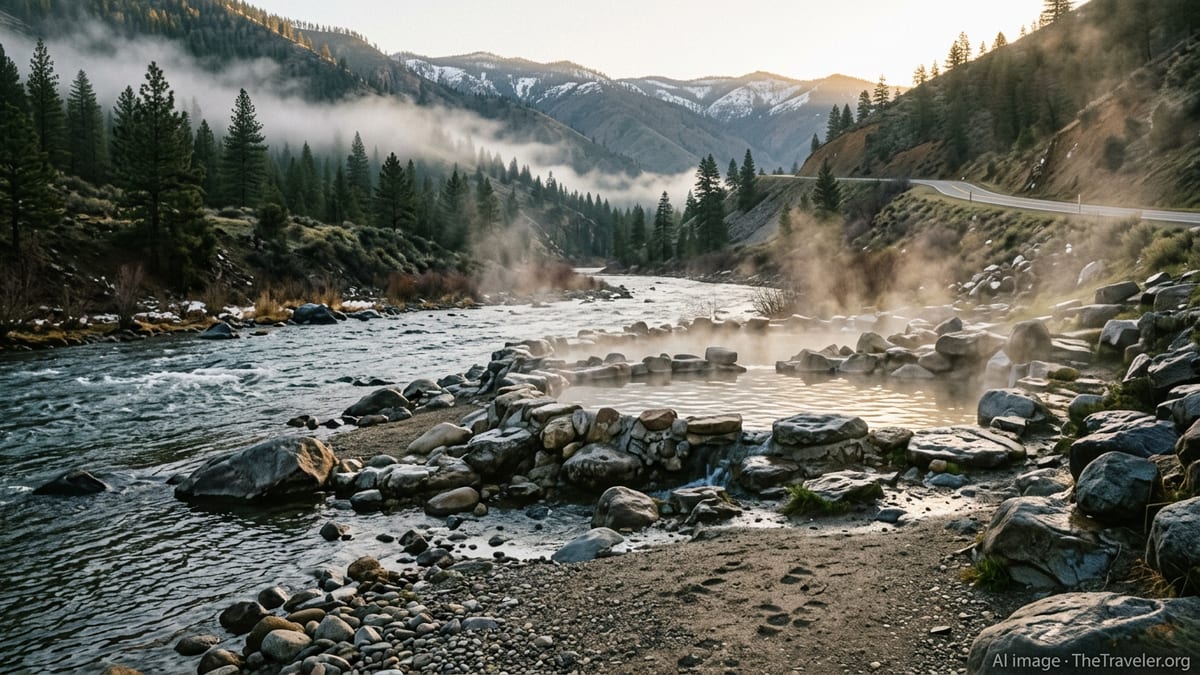
Along Highway 21, a paved route that climbs out of Boise into the Boise National Forest, several popular springs sit near the road or at the end of short trails. Common advice from local authorities and hot springs advocates is to monitor conditions, especially in winter and early spring, as parking areas and river access can be snow-covered or icy and some campgrounds close seasonally. Temperatures in individual pools vary, and hot water can gather in small, confined basins, so easing in slowly and testing water with a hand or foot is safer than jumping.
For travelers who prefer a structured experience, developed hot spring facilities in the mountains northeast of Boise operate on a reservation system at busier times of year. These venues typically offer timed soaking sessions, maintained pools, and sometimes on-site dining, which can reduce the crowds and alcohol-fueled atmosphere that occasionally develops at more informal roadside pools. They are good choices for families or visitors who want to balance a relaxing soak with reliable parking and changing areas.
Regardless of the style you choose, all hot springs near Boise face pressure from increasing visitation. Local advocacy groups and land managers consistently remind visitors to avoid soaps or shampoos in natural pools, keep glass containers away from water and rocks, and respect quiet hours near campgrounds. Small habits such as giving other groups their turn at a pool and keeping music to a low volume go a long way toward preserving the tranquil setting that makes these geothermal spots so appealing in the first place.
Waterfalls and Canyons: Shoshone Falls, Thousand Springs, and More
South and southeast of Boise, the Snake River has carved a dramatic volcanic canyon dotted with waterfalls and lush seeps that feel almost out of place in the surrounding sagebrush country. Around Twin Falls, roughly a two hour drive from Boise, Shoshone Falls crashes over a broad basalt cliff into the canyon below. Often described as higher than Niagara, its flow varies seasonally and usually peaks in spring when snowmelt and reservoir releases combine to send more water over the lip.
Nearby viewpoints, parks, and picnic areas provide relatively easy access to the rim, where you can watch mist rise from the falls and trace the Snake River’s route as it winds between dark canyon walls. Facilities here are more developed than at many other day trip stops, with paved paths, restrooms, and designated photo overlooks. While Shoshone Falls can be impressive year round, spring and early summer are when you are most likely to see its full width running strong, while late summer visits may reveal more of the underlying black rock.
Farther along the Snake River corridor near Hagerman, Thousand Springs State Park and its various units showcase a different side of Idaho waterfalls. Here, clear water emerges from canyon walls in multiple ribbons and sheets, creating a patchwork of falls and bright green vegetation in an otherwise arid setting. Some springs are best viewed from pullouts and day use areas, while others are accessible by short trails or by water, with outfitters in the broader region offering seasonal kayak and paddleboard trips on calmer sections of the river.
Closer to Boise, smaller waterfalls provide rewarding half day outings. West of the city, Jump Creek Falls is a popular short hike near Marsing, taking visitors through a narrow desert canyon to a single plunge pool beneath a roughly 60 foot fall. The trail is relatively easy but can be muddy or slick when wet, and summer visitors should plan for heat and limited shade. Because several of these waterfall areas are compact, it helps to arrive early to secure parking and to be prepared to share the trail with families and local hikers enjoying their own quick escape from the city.
Historic Small Towns: Idaho City, Cascade, and McCall
North and northeast of Boise, a ribbon of historic mining and lumber towns offers a slower-paced counterpart to the city’s growth. Idaho City, less than an hour from Boise via Highway 21, was once one of the largest settlements in the Pacific Northwest during the gold rush. Today it is a small community with weathered wooden storefronts, a local museum, and quiet side streets that reward an unhurried stroll. Many visitors pair a walk through town with a stop at a nearby hot springs facility or a short hike into the surrounding Boise National Forest.
Continuing farther north on Highway 55, the small town of Cascade lines the edge of Lake Cascade, a broad reservoir ringed by forests and low mountains. About two hours from Boise, Cascade serves as both a day trip and a low-key base for weekend excursions. In warm months, visitors come for boating, paddleboarding, and fishing on the lake, while cooler seasons highlight hiking, autumn colors, and snow-covered shorelines. Nearby forest roads lead to additional trailheads and, in some cases, more remote hot springs and viewpoints.
Another half hour to the north, McCall sits on the shores of Payette Lake and has become one of Idaho’s most popular mountain resort towns. While many travelers stay overnight here, an early start from Boise makes a day trip realistic, especially in summer when daylight is long. The town center pairs lakeside beaches and marinas with restaurants, cafes, and gear shops, and it functions as a launch point for boat tours, paddleboard rentals, and nearby hikes. In winter, McCall’s snow, ice sculptures during festival periods, and nearby ski slopes draw their own day trippers from the Treasure Valley.
These three towns share a sense of history and connection to the surrounding landscape, yet each has a distinct personality. Idaho City leans into its mining heritage and small, almost frontier feel. Cascade is quieter, with more of a local community rhythm around the lake. McCall combines a mountain resort vibe with a busy summer waterfront scene. Together, they create a corridor of small town stops where you can trade highway miles for coffee breaks, antique shops, and conversations with year round residents who live close to Idaho’s forests and lakes.
Desert Drama: Bruneau Dunes and the Snake River Plain
While many visitors focus on mountains and forests, southern Idaho’s high desert offers its own remarkable day trip options from Boise. Bruneau Dunes State Park, about an hour’s drive southeast of the city, protects a cluster of sand dunes that rise hundreds of feet above surrounding sagebrush flats. The park is known for what is often described as North America’s tallest single-structured sand dune and for evening stargazing at an on-site observatory that operates seasonally.
Day trippers usually visit the dunes for a few hours of climbing and descending the steep sandy slopes, which can be a workout in soft, shifting footing. In warm weather, the sand heats quickly, so many locals recommend visiting early or late in the day and wearing closed toe shoes to avoid burned feet. Small lakes at the base of the dunes attract birds and anglers, and wind can shape ridgelines and ripples in the sand hour by hour, giving returning visitors slightly different textures and patterns to photograph each time.
Pairing Bruneau Dunes with other nearby stops creates a fuller picture of the Snake River Plain. Agricultural towns such as Mountain Home lie along the route, and side trips to viewpoints above the Snake River can reveal how irrigation and river management have transformed what would otherwise be a stark volcanic landscape. Depending on your timing, longer loops can connect sand dunes, river overlooks, and historic sites into a single long day on the road.
As with all desert outings, preparation matters. Summer temperatures on the plain often climb quickly, and shade at Bruneau Dunes is limited away from parking areas and picnic shelters. Carry more water than you think you will need, use sun protection, and plan physically demanding dune climbs for cooler hours. Windy conditions can also create blowing sand, so eye protection and a willingness to change plans if conditions become uncomfortable are part of a smart day trip strategy.
Seasonal Tips and Responsible Travel Around Boise
Seasonality shapes nearly every Boise day trip. In winter, snow transforms mountain hot springs into postcard scenes, with steam rising against white hillsides, but it can also complicate driving and trail access. Some forest roads become snow-covered or are not maintained, and certain campgrounds and facilities close or reduce services. Checking with state transportation agencies and land managers shortly before departure is important, because local reports can change weekly during stormy periods.
Spring often brings the most dramatic waterfalls and greenest hillsides, especially in canyons carved into the volcanic plateau. It also brings muddy trails, high river flows, and lingering snowbanks in shaded spots. Shoulder season visitors should pack traction aids where ice is possible, respect any closed areas or overflow warnings near rivers, and be flexible enough to pivot to lower elevation destinations if a particular mountain route still looks hazardous.
Summer offers long days, warm water in some lakes and rivers, and easier access to higher elevation hikes, but it can also mean crowds at the most convenient hot springs and waterfall trailheads. Early morning starts can help you secure parking and quieter views, while late afternoon and evening visits sometimes offer softer light and fewer people. Wildfire season has become a more common factor in recent years, with smoke occasionally affecting air quality and visibility, so it is sensible to check current conditions and fire restrictions before planning campfires or extended outdoor exertion.
Responsible travel habits are increasingly central to how locals talk about these day trips. Packing out trash, observing posted parking rules, and giving wildlife space are basic expectations. At hot springs, visitors are asked to avoid glass, respect others’ comfort with clothing choices within legal limits, and leave rock walls and pools as they are rather than rearranging them. In small towns, supporting local businesses, obeying speed limits, and being mindful of residential neighborhoods can help maintain a positive relationship between visitors and communities hosting day trippers from Boise.
The Takeaway
Boise’s location makes it unusually easy to swap city life for mountains, canyons, or desert in the span of a single day. Within a few hours, you can be soaking in riverside hot springs framed by snow, listening to the roar of Shoshone Falls in the Snake River Canyon, or wandering past weathered boardwalks in a former gold rush town. Each direction from the city reveals a different facet of Idaho’s geography and history, from volcanic plains and sand dunes to cool forests and high lakes.
Planning ahead is the key to enjoying these day trips fully. Seasonal conditions, increasing popularity, and limited parking at marquee destinations all reward travelers who check access reports, start early, and carry appropriate clothing and water. Respect for the land and for local communities helps keep these places welcoming, whether you are slipping into a hot pool at sunrise or lingering over lunch in a small mountain cafe.
Most of all, treating Boise’s surroundings as more than a checklist of Instagram stops opens the door to deeper experiences. Slowing down at a quiet viewpoint, striking up a conversation with a shop owner in a historic town, or choosing a lesser known trail over a crowded overlook can turn an ordinary day trip into a personal connection with Idaho’s landscapes. For visitors and residents alike, the region’s hot springs, waterfalls, and small towns are less a single itinerary than an open invitation to keep exploring.
FAQ
Q1. How far can I realistically drive from Boise and still make it a day trip?
Most travelers consider destinations within about two to three hours of Boise each way reasonable for a day trip, especially in summer when daylight is long. Anything farther can feel rushed unless you are comfortable with a longer day behind the wheel.
Q2. When is the best time of year to visit hot springs near Boise?
Late fall through early spring is often ideal for hot springs, when cool air and snow on surrounding hillsides make soaking more comfortable. Winter visits can be beautiful but require careful attention to road and weather conditions.
Q3. Are hot springs near Boise suitable for children?
Many developed hot spring facilities welcome families and post guidelines for children, while some rustic roadside pools may not be appropriate due to steep access, variable temperatures, or adult crowds. It is wise to research specific locations and monitor kids closely around hot water and rivers.
Q4. Do I need a four wheel drive vehicle for these day trips?
Most major destinations mentioned here are reachable on paved highways or well maintained roads in normal conditions, so a standard passenger car is usually sufficient. However, snow, ice, and some side roads can make higher clearance or all wheel drive helpful at certain times of year.
Q5. What should I pack for a waterfall or hot spring day trip from Boise?
Sturdy shoes, layered clothing, plenty of water, and sun protection are essential. For hot springs, bring a swimsuit, quick drying towel, sandals for rocky approaches, and a dry bag or extra bag for wet gear so your car stays clean on the drive back.
Q6. Are there entrance fees at places like Shoshone Falls and Bruneau Dunes?
Many state parks and developed viewpoints in Idaho charge modest vehicle or day use fees that help maintain facilities. Carry some cash or a card and be prepared to pay at entrance kiosks or self pay stations where posted.
Q7. How crowded do these popular spots get on weekends?
On sunny weekends and holidays, many hot springs, waterfalls, and small town centers around Boise can feel busy, especially midday. Arriving early, visiting on weekdays, or choosing lesser known alternatives nearby are practical ways to find more space.
Q8. Is it safe to swim beneath waterfalls or in rivers on these trips?
Conditions vary widely by location and season, and swift currents, hidden rocks, and variable depths can all pose hazards. It is generally safest to follow posted signs, stay out of obviously strong currents, and treat all natural swimming spots with caution and respect.
Q9. Can I combine multiple stops into one day trip from Boise?
Yes, many travelers link nearby sites, such as a small town and a hot spring or a waterfall and a scenic overlook, into a single loop. Just be realistic about driving times and leave extra margins so you are not pressured to rush between stops.
Q10. Do I need to make reservations for hot springs or small town restaurants?
Developed hot spring resorts near Boise often require or strongly recommend reservations, especially on weekends and during peak seasons. In popular small towns, booking dinner or lunch at sought after restaurants ahead of time can also prevent long waits on busy days.