

India’s sheer size can feel overwhelming if you only have a single day to spare, but some of the country’s most memorable experiences are easily accessible on short trips from major cities. From Mughal-era lanes and crumbling forts to cool hill walks and food trails that run late into the night, these one-day adventures show how much India can offer in 24 hours or less. Here is a curated selection of day trips that combine history, nature and food so you can make the most of limited time without sacrificing depth.
How to Plan a One-Day Adventure in India
Planning a rewarding day trip in India starts with one decision: pick a clear theme. Whether it is history in old Delhi, tea estates in the Western Ghats or street food in Lucknow, letting one interest lead the day will help you avoid trying to do too much. Once you know the focus, choose a destination within three to four hours of your base city, so you spend more time exploring and less time in transit. Early morning departures are often worth the effort, as they help you skip traffic and experience sites before the heat builds.
Logistics matter more on a day trip than on a longer holiday. Trains can be atmospheric but may not match your timing, so private cabs, app-based taxis and small-group tours are often the most efficient option for same-day returns. Wherever possible, pre-book entry tickets and local guides for major monuments, and check opening hours because many archaeological sites and museums close on Mondays or specific public holidays. For nature escapes and treks, always factor in monsoon conditions and local advice about trail safety.
Food should not be an afterthought. Many of India’s most interesting dishes are hyper-local and easiest to find in small, family-run kitchens or street stalls that do brisk business with residents rather than tourists. Shortlist a few stops in advance, but stay flexible enough to follow local recommendations once you arrive. Finally, be realistic about your energy levels. A thoughtful day trip with three or four highlights will feel far more satisfying than a rushed checklist of ten sights.
Old Delhi: History and Street Food in a Single Day
Few places in India compress history, faith and food quite as tightly as Old Delhi, the former Mughal capital of Shahjahanabad. Within a compact area you can visit Jama Masjid, one of India’s largest mosques, stroll along the outer walls of the Red Fort and step into Sikh and Jain places of worship that trace centuries of community life. The dense lanes around Chandni Chowk preserve fragments of Mughal-era havelis alongside colonial shopfronts, making this one of the country’s most atmospheric city walks.
A well-paced Old Delhi day trip usually begins early at Jama Masjid, when the courtyard is still quiet and the light is soft on its red sandstone and marble. From there, you can take a cycle rickshaw through Chandni Chowk, pausing at spice markets, silver bazaars and streets dedicated to paper, wedding invitations or camera gear. Tucked between these commercial lanes are historic stepwells, small shrines and gateways that hint at the original walled city of Shahjahanabad, offering plenty of opportunities for slow exploration and photography.
The area is also one of India’s great street food stages. Morning walkers line up for puri aloo and lassi, while by midday the focus shifts to stuffed parathas, chole bhature and kebabs grilled over charcoal in tiny, timeworn shops. In the evening, as the mosques and temples light up, dessert stalls dish out jalebi, rabri and kulfi. For a first visit, joining a guided heritage and food walk can be helpful because the lanes are intricate and the best places are not always obvious. With a bit of planning, Old Delhi can deliver a full day that feels like a time slip into several centuries at once.
Jaipur and Alwar: Royal Forts and Tiger Country from Delhi
Travelers starting in Delhi have access to several classic historical day trips, and Jaipur and Alwar rank among the most rewarding. Jaipur, the Pink City, is about five to six hours away by road, so it works best if you can catch a very early train or are comfortable with a long but carefully structured day. Its hilltop Amber Fort, serene Jal Mahal rising from the lake and orderly grid of bazaars showcase Rajput planning and artistry. For a short visit, focusing on Amber Fort, a quick stop at the Hawa Mahal frontage and a meal in the old city can provide a vivid introduction to Rajasthan’s royal legacy.
Closer to Delhi, Alwar makes for a more relaxed one-day escape with a strong mix of nature and history. The city is framed by the Aravalli hills and watched over by the Bala Quila fort, which rises above the town with sweeping views. A short drive away lies Sariska Tiger Reserve, where dry deciduous forest and grasslands shelter tigers, leopards, deer and a wide range of birds. Safaris must be booked in advance and are tightly regulated, so planning ahead is essential if you want to combine a fort visit with a wildlife drive.
Both Jaipur and Alwar offer an easy introduction to Rajasthani food. In Jaipur’s old markets, you can sample dal bati churma, gatte ki sabzi and sweets like ghevar and imarti. In Alwar, simple thali meals with seasonal vegetables and thick glasses of lassi are popular with locals breaking their journey between Delhi and the interior of the state. Whether you choose Jaipur’s urban grandeur or Alwar’s fort-and-forest pairing, these day trips deliver plenty of history without losing sight of regional flavors.
Mumbai to the Sahyadris: Caves, Forts and Cool Hill Air
Mumbai’s waterfront and Victorian Gothic skyline are unforgettable, but many locals look to the nearby Sahyadri range when they crave a day of space and cooler air. The classic combination is an excursion to the ancient rock-cut caves at Karla and Bhaja or to the Buddhist site of Kanheri in Sanjay Gandhi National Park, paired with a drive into the hill stations of Lonavala and Khandala. The caves reveal intricate carvings and prayer halls hewn into stone, while the surrounding hills turn lush and misty during and after the monsoon months.
If you prefer forts and views, consider a day trip to Korigad, Lohagad or Tikona, all popular among hikers for their relatively short trails and payoffs of sweeping valley panoramas. Several routes are beginner-friendly yet still deliver the feeling of standing on a high Sahyadri ridge with the plains falling away below. During peak monsoon, waterfalls ribbon down the hillsides and short treks become a favorite weekend ritual for Mumbai and Pune residents looking for a quick reset in nature.
Food is woven naturally into these escapes. Lonavala and Khandala are known for their chikki, a traditional brittle made with jaggery and nuts, while roadside dhabas serve hot pakoras, vada pav and cutting chai to soaked trekkers. Around the dams and reservoirs, small eateries prepare simple Maharashtrian meals built around bhakri flatbreads, lentils and seasonal greens. If you are traveling in the wet season, keep itineraries loose because heavy rain can slow traffic, but the payoff in mood and landscape is immense.
Bengaluru Getaways: Hills, Temples and Filter Coffee
Bengaluru’s location on the Deccan plateau makes it one of India’s best springboards for nature-focused day trips. Within a two to three hour radius you can find rocky hills that glow at sunrise, ancient temples carved into boulders and lakeside picnic spots cooled by steady breezes. Popular single-day treks include Nandi Hills, Skandagiri, Savandurga and relatively quieter routes such as Anthargange or Uttari Betta. Many of these hikes begin before dawn so walkers can watch the sun rise above a sea of clouds, a ritual that has become a rite of passage for students and young professionals in the city.
For travelers who prefer culture to steep climbs, the temple towns around Bengaluru are just as appealing. Shrines in places like Melukote, Lepakshi or the Somnathpur area showcase sculpted pillars, ceiling paintings and fine stonework from different South Indian dynasties. Combined with a countryside drive through coconut groves and small villages, these make for contemplative day journeys that reveal a slower rhythm than the city’s traffic-choked streets.
No Bengaluru day trip is complete without lingering over food and filter coffee. Highway restaurants serve hearty breakfasts of idli, vada, masala dosa and pongal, often starting service before sunrise to cater to trekking groups. In nearby towns, military hotels and old-style eateries plate mutton biryani, ragi mudde and traditional sweets on banana leaves. When you drive back into the city at dusk, a final stop for strong South Indian coffee or a plate of hot bajji is almost a tradition, rounding off a day that has balanced exertion, architecture and comfort food.
Kolkata, Lucknow and Hyderabad: Day Trips Built Around Food
Some Indian cities are destinations in themselves for a one-day food pilgrimage, and Kolkata, Lucknow and Hyderabad all reward travelers who are happy to structure their day around what and where they eat. In Kolkata, a focused itinerary might start with kachori-sabzi or club-style breakfasts on Park Street, move through North Kolkata’s old sweet shops for sandesh and mishti doi, and end at the riverfront for jhal muri and tea as the light fades. Along the way you can step into crumbling mansions, book-lined coffee houses and tram routes that preserve the city’s distinctive intellectual and artistic temperament.
Lucknow’s day revolves around the slow art of Awadhi cooking. Morning visitors can explore the Bara Imambara and Rumi Darwaza before appetites build for the main act: kebabs and biryani in the old city. Generations-old shops still grind spices in-house and tend charcoal sigdis where galouti and seekh kebabs are cooked to order. With a bit of planning you can sample everything from nihari with sheermal flatbread to rich, saffron-scented desserts, while also visiting chikankari workshops that produce the region’s delicate embroidered textiles.
In Hyderabad, food and history meet easily around the Charminar and the old city. After a morning walk through the historic core or a quick visit to the hilltop Golconda Fort, travelers settle in for substantial plates of Hyderabadi biryani, haleem in the right season and fragrant kebabs. Tea stalls serve creamy Irani chai with biscuits and Osmania cookies, while late-night counters dish out dosas and shawarma to crowds of students and families. All three cities have thriving food walks and cooking experiences that can be completed in a few hours, making them ideal for day trippers who want to understand India through its kitchens.
Tea Country and Backwaters: Nature Days in the South
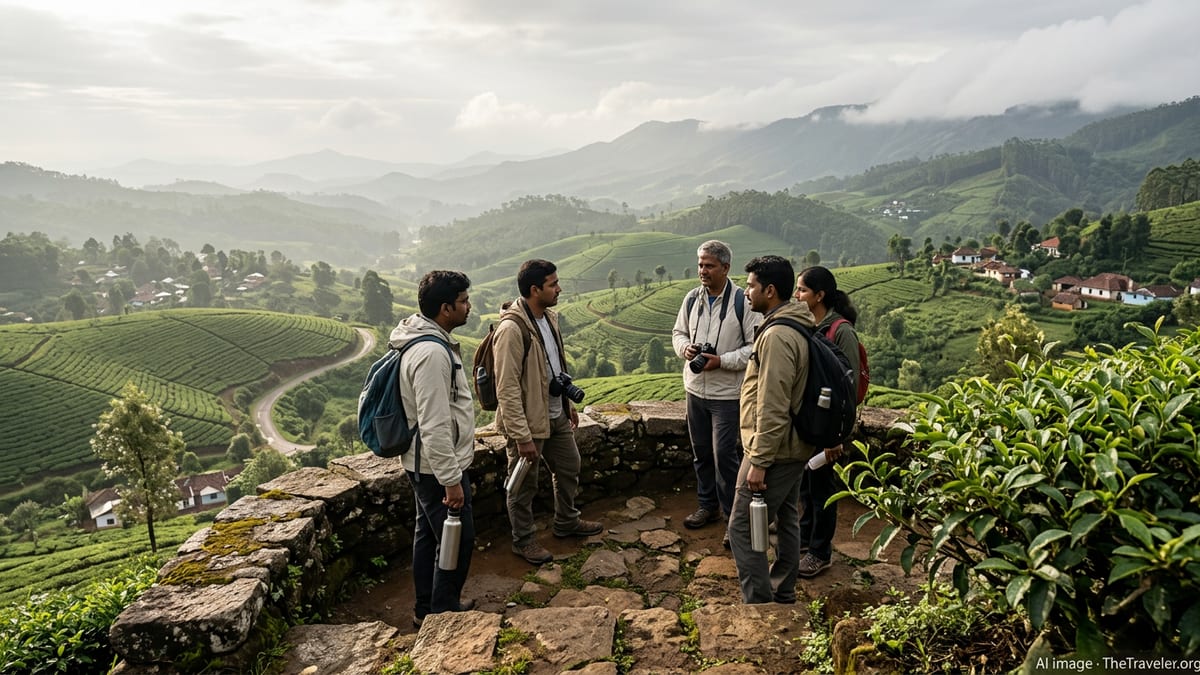
Southern India’s landscapes lend themselves beautifully to unhurried day trips that focus on green views and local produce. From Kochi, travelers often drive up into the Western Ghats around Munnar, where tea estates cloak the slopes in patterned shades of green. Even a single day allows time for a viewpoint or two, a gentle estate walk and a visit to a small factory to see how tea leaves are processed. Roadside stalls sell just-fried banana chips and local cardamom-laced snacks, while small eateries prepare vegetarian thalis fragrant with coconut, curry leaves and freshly ground spices.
Alternately, you can stay closer to sea level and explore Kerala’s backwaters on a half-day cruise from Alappuzha or Kumarakom. Traditional-style boats glide past paddy fields, church spires and toddy shops where locals gather. Shorter shared cruises, small shikara rides or simple country boats are well suited to day visits, sparing you the cost and commitment of an overnight houseboat. Many operators include homestyle lunches served on banana leaves, built around fish curries, stir-fried vegetables and red rice that reflect the region’s coastal abundance.
Elsewhere in the south, Wayanad in Kerala and the hill districts of Coorg and Chikmagalur in Karnataka work well as long day trips from city bases like Mysuru or Mangaluru. Coffee plantations, spice gardens, waterfalls and forest viewpoints all sit within reach of a single itinerary if you start early. These regions have seen rising interest from domestic travelers who want greener, more climate-friendly getaways, so it is worth seeking out operators that support local communities and limit noise and litter along popular viewpoints.
Practical Tips for Safe and Sustainable Day Trips
Whichever region you choose, a few practical habits will make day trips in India smoother and more sustainable. Start by checking the local weather pattern and festival calendar. Peak summer heat in the northern plains can be intense, while monsoon rains in the Western Ghats and the Northeast can trigger road closures or slippery trails. Festivals can either enrich your experience with processions and special food or crowd out the quiet you were seeking, so it pays to know what is happening on the ground.
Health and safety are mostly a matter of common sense. Drink plenty of safe water, carry a hat and sun protection, and keep a small kit with basic medicines as pharmacies may not be close to trekking routes or remote temples. For food, follow the local rule of thumb: choose busy stalls and restaurants that clearly handle high turnover, and do not hesitate to skip anything that has been sitting out too long. In wildlife reserves and fragile mountain environments, respect regulations about noise, litter and off-trail walking, which are designed to protect both visitors and ecosystems.
Finally, think about how your spending can benefit the places you visit. Hiring local guides, eating in family-run establishments and buying crafts directly from makers helps keep money in the community. Carry a reusable water bottle and cloth bag to cut down on single-use plastic, and avoid playing loud music on phones or speakers in natural areas. These small choices add up, ensuring that India’s most rewarding day-trip destinations remain special for the next traveler who follows your path.
The Takeaway
India lends itself extraordinarily well to day trips that pack history, nature and food into a single, intense burst of experience. You can move from Mughal courtyards to spice-laden biryani in Old Delhi, climb a Sahyadri fort above the monsoon clouds outside Mumbai, sip filter coffee after a sunrise trek near Bengaluru or watch the light fade over Kerala’s tea gardens and backwaters, all without checking out of your base city hotel. With thoughtful planning, even a tight schedule can open a window onto the country’s variety.
The key is to resist the temptation to see everything. Choose one theme or region, start early, and let the day unfold with room for conversation, serendipitous food stops and pauses that let the landscape or architecture sink in. By balancing movement with moments of stillness, you can turn a simple out-and-back journey into a story that lingers long after you return. In a country as layered as India, sometimes the most revealing journeys are not the longest, but the ones that focus clearly on a single, well-chosen day.
FAQ
Q1. Are day trips in India realistic given traffic and distances?
Yes, as long as you pick destinations within roughly three to four hours of your base city, start early, and avoid packing in too many stops.
Q2. What is the best season for one-day nature trips in India?
Cool, clear months from roughly November to February are ideal for most regions, while post-monsoon months suit Western Ghats treks and waterfall visits.
Q3. Is it safe to eat street food on a day trip?
Many travelers enjoy street food safely by choosing busy stalls, eating freshly cooked items and avoiding anything that looks like it has been sitting out.
Q4. Should I book a guided tour or travel independently?
Guided tours are useful in complex old-city areas or wildlife reserves, while independent travel works well for simple hill drives or clearly marked viewpoints.
Q5. How do I respect local culture on short visits?
Dress modestly at religious sites, remove shoes when asked, ask before photographing people, and keep noise low in temples, mosques and village areas.
Q6. Can families with children enjoy these day trips?
Yes, but choose shorter journeys, gentle walks rather than demanding treks, and build in time for rest, toilets and flexible meal stops.
Q7. What should I pack for a one-day adventure?
A small daypack with water, sun protection, light snacks, a power bank, basic medicines and a light layer for cool mornings or evenings is usually enough.
Q8. Do I need to book tickets in advance for forts and monuments?
Advance booking is recommended for very popular sites and weekends, while smaller forts and temples typically allow same-day entry without reservations.
Q9. How can I make my day trip more sustainable?
Use refillable water bottles, avoid plastic litter, support local operators and guides, follow marked trails and respect rules in wildlife and heritage areas.
Q10. Are public transport options reliable for same-day returns?
On major routes, trains and buses are frequent, but for tight schedules many travelers prefer a hired cab so they can control timings and stops.