

Hawaii is far more than its famous beaches and volcanic peaks. Across the islands, a busy calendar of festivals brings together music, dance, food, film, and age-old traditions in unforgettable settings. From Honolulu’s city streets to Big Island coffee farms and remote Maui valleys, these events offer some of the most rewarding ways to connect with local culture. Many are long-running community gatherings, others are newer global showcases, but all share a strong sense of place. Here is a guide to some of the best events and festivals in Hawaii worth planning a trip around.
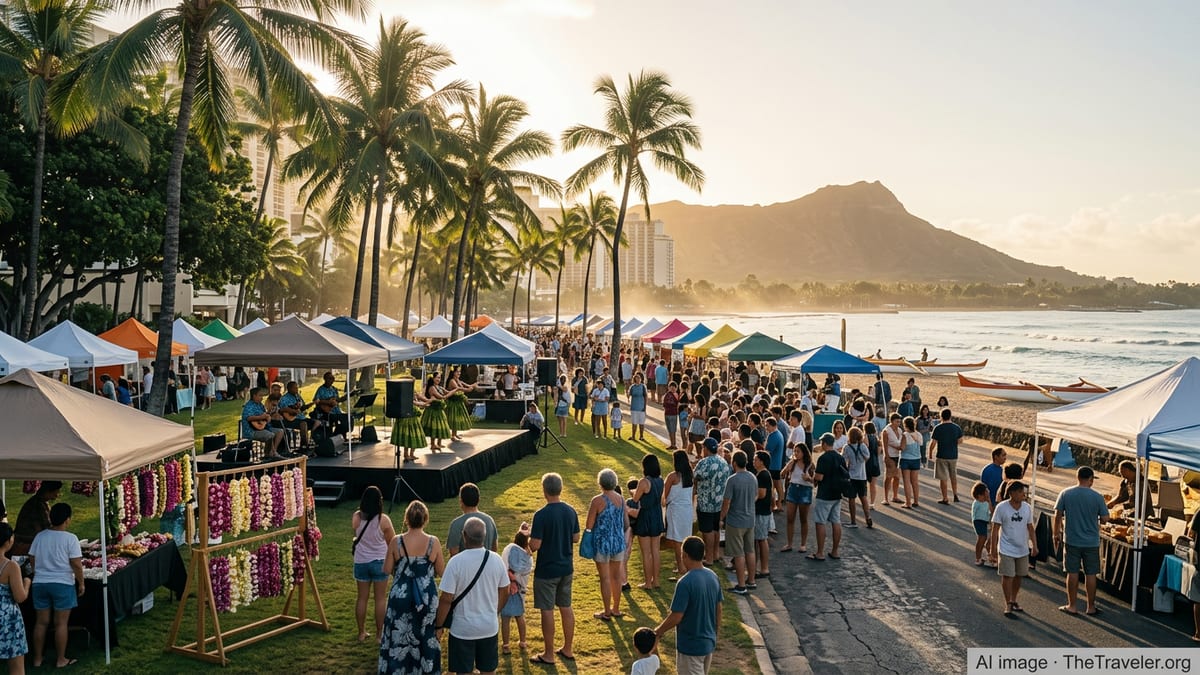
Merrie Monarch Festival, Hilo
Often described as the most prestigious hula event in the world, the Merrie Monarch Festival transforms the quiet town of Hilo on Hawaiʻi Island into a cultural epicenter each spring. The festival honors King David Kalākaua, known as the Merrie Monarch for his role in reviving hula and Hawaiian arts in the late nineteenth century. Today the event has become a powerful symbol of cultural resilience, with visitors traveling from across the Pacific and beyond to witness master practitioners on stage and in the community.
The festival usually runs for a week in early to mid April, with a packed schedule that builds toward three nights of hula competition. Tickets for the main performances at Edith Kanakaʻole Stadium are notoriously difficult to secure and must often be requested months in advance. Travelers who do not have seats for the competitions can still experience the festival spirit through open-air concerts, craft fairs, exhibitions, and the popular Merrie Monarch Royal Parade that snakes through downtown Hilo.
For visitors, Merrie Monarch is as much about the atmosphere as the marquee events. Hilo’s streets fill with music and the scent of lei as local families, hālau hula (hula schools), and artisans gather at pop-up markets and cultural demonstrations. It is one of the few times of year when you can see traditional and contemporary hula performed in both formal and informal settings across town. If you plan to attend, secure accommodation well in advance and allow extra time for exploring Hilo’s waterfalls, markets, and nearby volcano landscapes between events.
Respect is central to enjoying Merrie Monarch. Many visitors treat performances like sacred spaces, refraining from flash photography, dressing modestly, and taking time to learn basic cultural protocols. Even if you only attend free events, approaching the festival with this mindset will deepen your experience and help support the community that keeps this extraordinary tradition alive.
Honolulu Festival and Aloha Festivals, Oʻahu
Honolulu hosts some of Hawaii’s most visible large-scale cultural events, with two standouts dominating the calendar: the Honolulu Festival in March and the Aloha Festivals in late summer and early fall. Each showcases a different side of island life. The Honolulu Festival emphasizes connections across the Pacific Rim, while the Aloha Festivals focus on Native Hawaiian traditions and the spirit of aloha.
The Honolulu Festival typically takes place over a March weekend in and around Waikīkī and the Hawaiʻi Convention Center. It brings together performance groups from Japan, Hawaiʻi, and other Asia-Pacific destinations for three days of music, dance, and cultural demonstrations. Families line Kalākaua Avenue for the grand parade, while the festival traditionally concludes with a spectacular offshore fireworks show visible along Waikīkī Beach. Many daytime performances and exhibits are free, making it a particularly accessible event for travelers staying in nearby hotels.
The Aloha Festivals unfold later in the year, often across September with signature events in Waikīkī. They include an opening ceremony and royal court investiture, a lively block party that turns Kalākaua Avenue into a pedestrian promenade of food, crafts, and live music, and an elaborate floral parade featuring paʻu riders on horseback draped in fresh flowers. The festivals were founded in the mid twentieth century and have evolved into one of Hawaii’s longest-running cultural celebrations, blending community pride with visitor-friendly programming.
For travelers, both the Honolulu Festival and Aloha Festivals are easy to weave into a beach or city stay on Oʻahu. Many events take place within walking distance of major hotels and transit lines, and schedules are usually published well ahead of time. Because streets close for parades and block parties, it is wise to plan around traffic changes and to arrive early for good viewing spots. These festivals are a chance to see Honolulu at its most festive, with a mix of locals and visitors sharing the sidewalks, food stalls, and oceanfront vantage points.
Made in Hawaii Festival and Okinawan Festival, Honolulu
Visitors looking to bring home something more meaningful than a souvenir T-shirt should plan around the Made in Hawaii Festival, an annual August showcase of local products. Held over a long weekend on Oʻahu, the festival gathers hundreds of Hawaiʻi-based vendors under one roof, ranging from small family food businesses and coffee growers to fashion designers, woodworkers, and contemporary artists. Live music stages, chef demonstrations, and tastings create a lively atmosphere that feels like an indoor marketplace and cultural fair combined.
The Made in Hawaii Festival is particularly useful for travelers who want to explore regional food and craft traditions in a single, manageable venue. You might sample jams made from lilikoi and guava, freshly roasted macadamia nuts, locally distilled spirits, or innovative taro-based snacks. On the craft side, it is one of the few places where you can compare work from artisans across multiple islands without hopping between galleries. While there is an admission fee, many visitors find that the chance to meet makers directly and support local businesses is worth building a half day or more into their itinerary.
Later in the summer, Honolulu’s Okinawan Festival typically takes place around late August or early September, often at a major park or civic venue. Organized by the local Okinawan community, it celebrates the enduring ties between Hawaiʻi and Okinawa through food, music, and dance. The festival menu is a draw in itself, featuring dishes like Okinawan soba, andagi doughnuts, and other specialties rarely found in standard tourist districts. Taiko drumming, traditional eisa dance, and cultural exhibits round out the experience.
Both festivals attract large crowds, so an early start helps you avoid the longest lines. Bring reusable shopping bags for purchases at the Made in Hawaii Festival and come prepared for heat and sun at the mostly outdoor Okinawan Festival. Together they showcase the multicultural fabric of modern Hawaiʻi, highlighting how immigrant stories and island resources continue to shape contemporary life.
Kona Coffee Cultural Festival, Island of Hawaiʻi
For coffee lovers, the Kona Coffee Cultural Festival on the Island of Hawaiʻi is a compelling reason to plan a trip in November. Centered in the upland communities of North and South Kona, the festival honors one of the world’s most famous coffee-growing regions. The slopes of Hualālai and Mauna Loa, with their volcanic soils and mild climate, have supported coffee farms since the nineteenth century, and many remain family-owned today.
The festival typically spans several days or more, with events scattered among historic villages and working farms. Activities can include farm tours, cupping workshops where you learn to taste coffee like a professional, parades, cultural performances, and barista competitions. Small roadside stands and family-run mills open their doors, giving visitors a rare chance to see every step of production from coffee cherry to roasted bean. Because the schedule changes slightly from year to year, it is wise to check dates and locations before you arrive and build flexibility into your plans.
Beyond the obvious appeal of sampling fresh Kona coffee at the source, the festival offers a window into the region’s agricultural heritage and evolving challenges. Many events highlight the contributions of immigrant farming families from Japan, the Philippines, and elsewhere, while also addressing issues like climate, land costs, and crop disease. In conversations with farmers and roasters, you may hear about new varietals, experimental processing techniques, or the realities of maintaining small-scale agriculture on an island with limited land.
Travelers can make the most of the Kona Coffee Cultural Festival by renting a car and staying in or near Kailua-Kona or the mauka (upland) communities. Roadways can be narrow and winding, so plan extra driving time between events and schedule visits for morning hours when temperatures are cooler. Combining festival activities with snorkeling, hiking, or visits to nearby historical sites makes for a well-rounded Big Island itinerary that goes far beyond the beach.
Honolulu International Film Festival and Maui Cultural Highlights
Cinema fans will find a surprising amount to love about Hawaii’s film calendar, and the Honolulu-based film festival circuit is at its heart. A major international film festival typically unfolds in October, with premieres and screenings across multiple venues in the city. Programming often includes a mix of global arthouse films, documentaries related to the Pacific, and works by local directors exploring contemporary island life. Red-carpet premieres are relatively relaxed by global standards, and it is not unusual to see visiting filmmakers mingling with audiences after Q and A sessions.
For visitors, the film festival offers a different way to understand the islands, shifting focus from beaches to the lived experiences of communities across the Pacific. Many screenings are accompanied by panel discussions on topics like environmental change, indigenous rights, and migration. English subtitles are common, and individual ticket prices are typically comparable to standard cinema screenings, making it easy to slot one or two films into a broader vacation.
Maui, meanwhile, is known for its rich lineup of smaller community festivals that highlight everything from traditional foods to music. Events such as taro festivals in Hāna, steel guitar gatherings, and cultural fairs in Upcountry towns underscore how central community celebrations are to life on the island. The dates for these events can shift year to year and may depend on harvests, venue availability, or volunteer capacity, so travelers should expect some variation and confirm schedules closer to travel time.
Even if your dates do not align with a marquee festival, checking local calendars for concerts, craft fairs, and neighborhood events can greatly enhance a stay on Maui. These gatherings often feature local musicians, hula performances, and vendors in venues such as community centers, church grounds, and small parks. They can be less formal than the state’s large signature festivals but just as memorable, especially for visitors seeking a more intimate glimpse into everyday island culture.
Sports, Ocean, and Outdoor Events Across the Islands
Hawaii’s geography lends itself naturally to outdoor events, and it hosts some of the Pacific’s most notable sports competitions and endurance races. While not festivals in the traditional sense, these gatherings create their own celebratory atmosphere and draw participants from around the world. Road races, ocean swims, triathlons, surf contests, and outrigger canoe regattas all feature prominently on the annual calendar, particularly on Oʻahu and the Island of Hawaiʻi.
On Oʻahu, road races and ocean sports events frequently transform Honolulu’s streets and nearshore waters into temporary arenas. Although signature races can change over time, many follow routes that highlight the city’s landmarks and coastline, offering both participants and spectators dramatic views of Diamond Head, downtown skylines, and harbors. On Maui and Kauaʻi, community races may weave through plantation-era towns, coastal roads, and resort corridors, pairing athletic challenges with postcard scenery.
The Island of Hawaiʻi hosts some of the state’s most demanding endurance events, benefitting from long open roads and varied terrain. Certain triathlons and long-distance cycling events, for example, trace courses along the dry lava fields of the Kona and Kohala coasts. Meanwhile, outrigger canoe races on all islands celebrate a tradition that predates Western contact, linking modern paddlers with ancient voyaging routes and training practices. Race days often feel festive, with food tents, live music, and families gathering along the shoreline to cheer on teams.
Travelers who prefer to spectate rather than participate can still make these events a focal point of a trip. Booking accommodation near start or finish lines reduces transportation stress on race days, and many competitions provide published schedules outlining when roads will close and where spectators can safely gather. Whether you are watching elite athletes or neighborhood paddling clubs, the combination of competition, community, and setting creates some of Hawaii’s most energizing shared experiences.
King Kamehameha Day and Cultural Commemorations
Not every significant Hawaiian event is a festival in the conventional sense. Some of the most meaningful gatherings are tied to state holidays and commemorations, with King Kamehameha Day on June 11 among the most prominent. Established as a public holiday in the nineteenth century, it honors Kamehameha I, the monarch who unified the Hawaiian Islands. Today, observances take place across the state and blend ceremony, artistry, and civic pride.
On Oʻahu, one of the most recognizable images from King Kamehameha Day is the statue fronting Aliʻiōlani Hale in downtown Honolulu, draped in long, fragrant lei that can stretch down the pedestal. The draping ceremony typically occurs the day before or on the holiday itself, accompanied by chants and blessings. Parades featuring paʻu riders, marching bands, and cultural organizations often follow, with variations on each island reflecting local traditions and community groups.
For visitors, attending a King Kamehameha Day event provides a sobering and powerful counterpoint to more entertainment-focused festivals. Speeches and performances frequently underscore themes of sovereignty, cultural survival, and the responsibilities of living in or visiting Hawaiʻi. Travelers are welcome but are expected to observe respectfully, refraining from interrupting ceremonies and following the lead of organizers when it comes to photography or participation.
Other commemorations throughout the year echo these themes. Events marking historical milestones, honoring aliʻi (chiefs) and cultural leaders, or recognizing veterans and community heroes may include processions, protocol, and traditional arts. While dates and formats vary, checking local listings around state holidays can reveal opportunities to witness facets of Hawaiian life that are not part of standard visitor itineraries but are central to the islands’ identity.
The Takeaway
Hawaii’s festivals and events reveal dimensions of the islands that few beach days or scenic drives can match. They bring together generations of families, cultural practitioners, visiting artists, and curious travelers in shared spaces, whether on downtown parade routes or on quiet country roads lined with coffee trees. Large events like the Merrie Monarch Festival, Honolulu Festival, and Kona Coffee Cultural Festival attract global attention, but they remain rooted in local communities that plan, volunteer, and perform year after year.
For travelers, planning a trip around one or more of these gatherings can change the rhythm of a vacation. Instead of simply passing through, you may find yourself lingering at a taro field demonstration, chatting with a craftsperson about their materials, or watching a hula performance that moves an entire arena to silence. The most rewarding experiences often come from slowing down, choosing a few events that genuinely interest you, and allowing time for unplanned conversations and discoveries.
As with any visit to Hawaiʻi, approaching festivals with humility and respect is essential. Learn basic cultural etiquette, support local businesses where possible, and remember that you are stepping into living traditions rather than spectacles designed solely for visitors. When you do, the islands’ event calendar becomes more than a list of dates. It becomes an invitation to see Hawaiʻi as a vibrant, evolving place where history, art, and daily life continually intersect.
FAQ
Q1. When is the best time of year to visit Hawaii for festivals?
The calendar is busy year-round, but spring and fall stand out. March and April bring major cultural events in Honolulu and Hilo, while late summer and early fall feature Aloha Festivals, harvest celebrations, and several community gatherings. Winter often adds large sports events and holiday festivities.
Q2. Do I need to buy tickets in advance for major festivals?
For headline events such as the Merrie Monarch Festival hula competitions and some film festival screenings, advance tickets are strongly recommended and can sell out months ahead. Many parades, block parties, and outdoor concerts remain free to attend, but arrive early for the best viewing spots.
Q3. Are Hawaii’s festivals suitable for families with children?
Most major events are family friendly, especially parades, daytime cultural demonstrations, and food festivals. Crowds, heat, and long days can be tiring for younger children, so plan breaks, bring water and sun protection, and choose a few key activities instead of trying to see everything.
Q4. How should I dress for cultural festivals and ceremonies?
Comfortable resort-casual clothing is generally acceptable, but aim for modest, respectful outfits, especially at formal ceremonies or indoor performances. Lightweight fabrics, covered shoulders in sacred spaces, and comfortable walking shoes are good guidelines. A light jacket is useful for evening events.
Q5. Can visitors participate in hula or cultural workshops during festivals?
Many festivals offer introductory workshops in hula, lei making, crafts, or language that welcome visitors. These sessions are usually clearly labeled and may require a small fee or advance sign-up. More formal cultural protocols and high-level performances are typically reserved for trained practitioners.
Q6. How far in advance should I book accommodation for popular events?
For major festivals in Hilo, Waikīkī, or Kona, it is wise to book several months in advance, especially if your dates are not flexible. During peak weeks, central hotels and budget options can fill quickly, and prices tend to rise as availability shrinks.
Q7. Are there ways to experience festivals on a smaller budget?
Yes. Many parades, open-air concerts, craft fairs, and cultural demonstrations are free or low cost. Choosing public events over ticketed galas, using public transportation where available, and staying slightly outside the busiest visitor districts can help keep expenses manageable.
Q8. What etiquette should I follow when photographing performances?
Always check whether photography is allowed, and avoid flash during performances unless explicitly permitted. In more formal cultural settings, it is courteous to watch an entire piece before taking photos, to keep devices silent, and to refrain from blocking others’ views.
Q9. How can I find up-to-date festival dates and schedules?
Because exact dates and venues can change, especially for smaller community events, travelers should consult official festival organizers or local visitor information sources close to their travel dates. Hotel concierges and local newspapers can also provide current listings.
Q10. Are festivals spread evenly across all Hawaiian Islands?
Oʻahu and Hawaiʻi Island host many of the largest, best-known events, but every island has important community gatherings. Maui, Kauaʻi, Molokaʻi, and Lānaʻi each feature their own cultural, food, and music festivals, though dates and scale vary from year to year.