

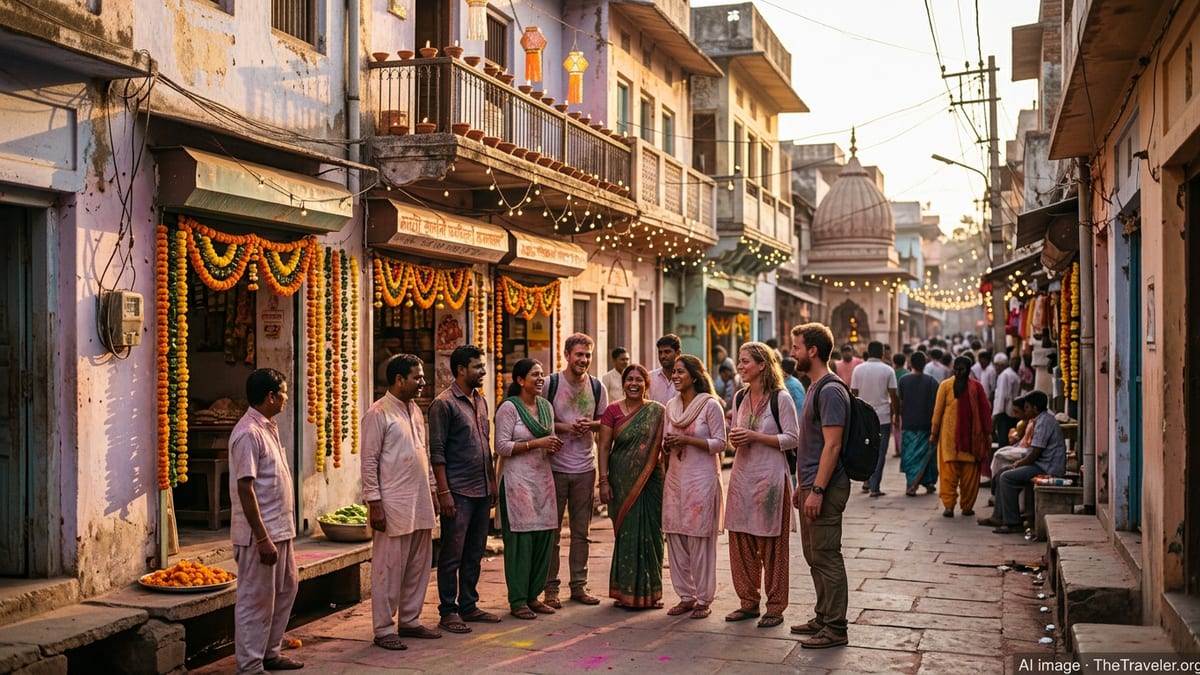
Planning a trip to India around its great festivals is one of the most rewarding ways to experience the country. From the riot of colors at Holi in early spring to the shimmering lamps of Diwali in autumn, these celebrations shape the rhythm of the year, drive major waves of domestic and international travel, and offer visitors a vivid window into Indian culture. With demand for festival tourism rising sharply around both Holi and Diwali in recent seasons, careful timing and advance planning have become essential for travelers who want the color, light and atmosphere without feeling overwhelmed.
Why Plan a Trip Around Indian Festivals
Festival travel in India has shifted from a niche idea to a mainstream reason to visit. Travel and booking platforms consistently report spikes in searches and reservations around Holi and Diwali, with some cities seeing dramatic increases in hotel interest and foreign arrivals during these periods. This trend reflects a broader global appetite for experiences that feel rooted in local culture rather than generic sightseeing, and few countries offer as layered and diverse a festival calendar as India.
For travelers, timing a journey around Holi or Diwali can completely transform an itinerary. Ordinary market streets become stages for processions, temples glow with lamps and marigolds, and neighborhoods that might feel quiet at other times erupt into shared celebration. The same city can present two different personalities in and out of festival season, so aligning travel dates with key events helps visitors understand how central ritual and community are to daily life.
At the same time, festival tourism requires more intention than a standard off season trip. Crowds surge on trains and planes, hotels can sell out weeks in advance in popular destinations, and some areas become noisier or more chaotic than many first time visitors expect. A thoughtful plan balances immersive experiences with breathing space, choosing locations and dates that suit your comfort level while still placing you close to the cultural heart of the celebration.
Respect is another key consideration. Holi and Diwali are not simply photo opportunities but living religious and cultural observances. Travelers who learn the stories behind these festivals, understand basic etiquette, and support local businesses in considered ways tend to leave with deeper memories and more positive interactions. Building this context into your planning is just as important as watching calendars and flight prices.
Understanding Holi: Festival of Colors and Community
Holi is celebrated each year at the end of winter and the start of spring, on the last full moon day of the Hindu lunar month of Phalguna, usually in March. The festival is widely known for exuberant color throwing, but its origins run deeper, linking agricultural cycles, stories from Hindu mythology, and ideas of renewal and reconciliation. In many communities, Holi is a moment to let go of old grievances, strengthen friendships and family ties, and symbolically welcome new beginnings.
Most celebrations unfold over two main days. The first evening is commonly known as Holika Dahan, when communities light large bonfires that recall legends of good overcoming evil. The following day is dedicated to Rangwali Holi, when people gather in streets, courtyards and temple squares to throw colored powders and water, dance to drums and music, and share sweets. The specific date shifts each year with the lunar cycle; in 2026, the main color day falls in early March, with many regions observing Rangwali Holi on 4 March, though local variations in timing are common.
Experiencing Holi as a visitor can be extraordinary if approached with care. Iconic destinations include Mathura and Vrindavan in Uttar Pradesh, associated with the stories of Krishna and Radha, where festivities can stretch over several days and include temple rituals, music and choreographed showers of color. Cities such as Jaipur, Udaipur, Pushkar, Delhi and Rishikesh have also become magnets for both domestic and international travelers seeking structured celebrations, with hotels and tour operators organizing Holi parties that offer a more controlled environment than random street play.
Travelers should be aware that Holi can feel intense. Streets may become slippery with water and pigment, some groups can be boisterous or rowdy, and traffic patterns often change around major squares and temples. Choosing where and how you participate matters. Many visitors opt to join a private or hotel hosted Holi event for a few hours, then wander quieter neighborhoods afterward to observe how families celebrate at home. Simple precautions like using skin friendly, natural colors, protecting cameras and phones, and dressing in clothes you do not mind staining make the day more comfortable.
Understanding Diwali: Festival of Lights and New Beginnings
Diwali, often described as the Festival of Lights, is among the most important celebrations in the Indian year. The festival usually takes place in late October or early November, with the exact dates determined by the lunar calendar. The core theme that links diverse regional traditions is the triumph of light over darkness, knowledge over ignorance and hope over despair, expressed through oil lamps, candles, fireworks and family gatherings.
In many parts of India, the main Diwali night is associated with Lakshmi Puja, when families clean and decorate their homes, lay out intricate rangoli designs in colored powder or flower petals, and light rows of earthen lamps to welcome prosperity. Other regions emphasize stories from the Ramayana, focusing on the return of Lord Rama to his kingdom, or honor deities such as Krishna or Kali with distinctive rituals. In cities like Ayodhya and Varanasi, riverfronts are transformed by astonishing displays of lamps along the ghats, creating some of the most photographed Diwali images in the country.
For travelers, Diwali offers a different kind of spectacle from Holi. Instead of daytime color and public revelry, much of the magic unfolds in the soft light of evening. Markets buzz during the preceding days as families shop for sweets, gifts and decorations. On the festival night itself, neighborhoods radiate a warm glow from diyas on balconies and windowsills, while bursts of fireworks punctuate the sky. In recent years, concerns over air quality and noise have led some authorities to encourage quieter, eco friendlier forms of celebration, but the sense of shared festivity remains strong.
Because Diwali is deeply family centric, visitors benefit from a slower, more observant approach. A home stay or small guesthouse in a residential area can offer insights into household preparations and customs. Joining a local family or community group for puja, helping light lamps, and sampling traditional sweets can be more meaningful than simply viewing fireworks from a hotel window. Cities such as Delhi, Jaipur, Mumbai, Kolkata and Varanasi are all compelling bases, each reflecting slightly different expressions of the festival.
Month by Month: Mapping India’s Festival Travel Seasons
To build an itinerary around Holi, Diwali and other major festivals, it helps to understand the broad rhythm of India’s travel seasons. Weather patterns, school holidays and regional events all influence crowd levels and costs. While exact conditions vary by region, a month by month view provides a practical framework for planning.
January and February bring relatively cool, dry weather to much of northern and central India, drawing visitors to cities such as Delhi, Agra, Jaipur and Varanasi. This is a good period to combine sightseeing with winter fairs and religious gatherings along major rivers, before the intensity of Holi. By late February, anticipation for spring festivals grows, with many destinations beginning to advertise Holi packages and rates starting to climb in hotspots associated with the celebrations.
March is dominated by Holi. In 2026 the main color day falls in the first week of the month, with festival events often stretching over several days in places linked to Krishna traditions. Travelers who want to experience Holi but also enjoy calm should consider arriving a few days early to adjust, then moving on to quieter hill towns or coastal areas after the festival to decompress. April and May quickly become hotter across the plains, encouraging many visitors to pivot to the Himalayas in Himachal Pradesh or Uttarakhand, tea country in the northeast, or breezier coastal stretches in the south.
From June through September, the monsoon reshapes travel patterns. Lush landscapes and fewer crowds can make this a rewarding time for experienced travelers willing to navigate rain showers, but transport disruptions and humidity require flexibility. As October approaches and rains retreat, interest surges again, especially in the weeks around Diwali. Late October and early November see some of the heaviest demand of the year for flights and accommodation in major cities and heritage circuits. By December, festival related travel merges with peak holiday tourism, and hill stations, beaches and cultural centers all experience strong demand.
Planning Your Trip Around Holi
Because Holi is tied to the lunar calendar, travelers should verify the exact dates for the year they are visiting, then build at least a week of flexibility around the main festival day. For a first Holi focused trip, many visitors divide their time between one classic city associated with grand celebrations and a second, calmer destination for recovery. A sample 10 day itinerary in early March might combine Delhi and Agra with Holi in Mathura or Vrindavan, followed by a quieter escape to the hills around Rishikesh or the palaces of Udaipur.
Accommodation strategy is crucial. In the most popular Holi destinations, well reviewed guesthouses and mid range hotels can fill months ahead, particularly those that organize their own color events with controlled entry and security. Booking early secures not only a room but also access to a trustworthy celebration, which can be safer and more comfortable than venturing into unstructured street parties. Boutique hotels often supply guests with white kurtas, safe herbal colors and protective gear, easing the logistics of joining in.
On the ground, it helps to think of Holi in phases. The evening of Holika Dahan is a chance to watch bonfires, often with a more local, reflective atmosphere. The color day is when most travelers choose to participate active for just a few hours in the late morning, then step back as celebrations become more exuberant. Planning transfers for very early morning or the following day reduces the risk of delays on crowded roads. Hiring local drivers who understand typical detours and closures during festival hours adds another layer of reassurance.
Practical considerations can make or break the experience. Wearing closed shoes with good grip, using coconut or almond oil on skin and hair before going out, and carrying only minimal cash and a photocopy of your passport are widely recommended. Travelers uncomfortable with heavy crowds may prefer smaller towns or organized gatherings rather than iconic but densely packed centers. Above all, setting personal boundaries and traveling with trusted companions or guides helps keep the day joyful rather than stressful.
Planning Your Trip Around Diwali
Diwali planning begins with choosing how immersive you want the experience to be. Unlike Holi, which is highly visible in streets and squares, much of Diwali takes place in homes, temples and community spaces. Travelers who stay with local hosts or in intimate guesthouses are more likely to be invited to pujas, family dinners and lamp lighting. If you prefer a hotel environment, look for properties that organize in house Diwali programs featuring cultural performances, rangoli demonstrations and guided visits to nearby temples or markets.
Because Diwali spans several days of rituals, you can time your arrival to focus on the aspects that interest you most. The buildup is characterized by lively shopping and cleaning, while the main night of lamps and fireworks tends to be the visual highlight. In many cities, the day after the main festival is quieter as businesses remain closed or operate shorter hours. For an extended break, some travelers pair Diwali in a major city with a post festival getaway, such as the deserts of Rajasthan, the backwaters of Kerala or coastal stretches of Goa, once the most intense bursts of firecrackers have faded.
Demand for transport and accommodation rises steadily in the weeks before Diwali, both among domestic travelers returning to their hometowns and international visitors seeking to witness the lights. Booking flights and trains early is advisable, especially if you plan to travel in the days immediately before or after the main festival night. Many airlines and rail routes will be heavily subscribed, and afternoon or evening departures can be vulnerable to congestion in cities where traffic slows around temple areas and popular marketplaces.
During Diwali itself, simple habits improve comfort and safety. Air quality can deteriorate in some urban centers when fireworks peak, so sensitive travelers may wish to pack masks or choose lodging slightly away from the most congested cores. Observing how local families handle lamps and candles on balconies and rooftops offers guidance: avoiding loose clothing near open flames, ensuring diyas are stable, and keeping walkways clear. Being present in the moment, rather than racing between attractions, often yields the most memorable impressions.
The Takeaway
Aligning an India journey with Holi and Diwali gives travelers a front row seat to two of the country’s most defining annual rituals. These festivals are about far more than spectacle. Holi channels the joy of spring and the possibility of renewal, while Diwali casts a warm glow on ideas of home, hope and community. When approached with curiosity and care, both can add emotional depth and cultural understanding to a trip that standard sightseeing alone rarely matches.
Successful festival travel, however, depends on recognizing that these are also peak moments for domestic movement and family life. Flights sell quickly, hotel prices climb, and streets can feel crowded or unfamiliar to first time visitors. Building in breathing room on either side of the main festival days, securing accommodation early, and choosing a mix of structured events and unhurried observation all help travelers find the right balance between energy and ease.
Above all, the best experiences emerge from respect: learning basic customs and greetings, dressing modestly around temples and older relatives, and remembering that for many people these days mark deeply personal observances, not just public events. By stepping lightly and engaging sincerely, visitors can share in the color and light in ways that support local communities and create lasting memories.
FAQ
Q1. When is Holi usually celebrated, and how fixed are the dates?
Holi follows the Hindu lunar calendar and typically falls in March, with two main days Holika Dahan in the evening and Rangwali Holi the next day. The exact dates change every year, and timings can vary slightly by region, so travelers should always confirm the current year’s festival dates before booking.
Q2. When does Diwali take place, and how long do celebrations last?
Diwali usually occurs in late October or early November, again based on the lunar calendar. The core celebrations span about five days, with the central night of Lakshmi Puja considered the main event in many regions. Preparations begin earlier, as families clean homes, shop for gifts and sweets, and decorate with lights.
Q3. Is Holi safe for solo travelers and families with children?
Many solo travelers and families enjoy Holi safely by choosing their settings carefully. Organized celebrations at reputable hotels or community venues are generally more controlled and family friendly than crowded public streets. Wearing protective eyewear, using gentle colors and leaving valuables at home further reduces risk and makes the day more enjoyable.
Q4. How far in advance should I book flights and hotels for Holi or Diwali?
Demand rises quickly for both festivals, especially in popular destinations. As a rule of thumb, international visitors should aim to secure flights three to six months ahead and book accommodation as soon as festival dates are confirmed. In small heritage towns and pilgrimage centers, well located guesthouses can sell out even earlier.
Q5. Which cities are best for experiencing Holi as a first time visitor?
Mathura and Vrindavan offer some of the most iconic Holi scenes, but they can feel intense and crowded. Many first timers choose places such as Jaipur, Udaipur, Delhi or Rishikesh, where a mix of organized events and accessible public celebrations allows you to tailor how involved you want to be.
Q6. Where should I go in India to experience Diwali at its most atmospheric?
Almost every part of India marks Diwali, but cities like Varanasi, Ayodhya, Jaipur, Delhi, Mumbai and Kolkata are particularly atmospheric. Riverfront ghats lined with lamps, historic bazaars strung with lights and residential neighborhoods glowing with diyas create magical evenings for visitors who take time to wander on foot.
Q7. What should I wear for Holi and Diwali celebrations?
For Holi, choose simple, lightweight clothing that you do not mind staining, preferably long sleeves and trousers for modesty and sun protection, plus closed shoes. For Diwali, smart casual or traditional attire such as a kurta or salwar kameez is common. In both cases, modest dress is appreciated around temples and family gatherings.
Q8. How can I participate respectfully in local rituals during these festivals?
The simplest approach is to observe first, follow your hosts’ lead and ask before taking part in prayers, offerings or family photos. Removing shoes at temples, handling lamps and offerings carefully, and avoiding loud behavior during rituals demonstrate respect. A few words in local languages, such as festival greetings, are often warmly received.
Q9. Are businesses and transport services open during Holi and Diwali?
Service patterns vary by region, but many shops and offices close or operate shorter hours on the main festival days. Public transport usually runs, though schedules can be disrupted by crowds, traffic diversions and holiday demand. Planning essential journeys for early morning or the days before and after the peak celebrations is generally wise.
Q10. Can I combine both Holi and Diwali in a single India trip?
It is possible but requires a long stay, as Holi and Diwali fall months apart. Some travelers choose an extended multi month trip, volunteering, studying or working remotely in between. Others visit for one festival one year and return for the other on a later journey, allowing each celebration the time and focus it deserves.