

Colorado’s food story stretches far beyond trail mix and après-ski burgers. Across the Front Range and into high-country valleys, chefs, farmers, brewers, and home cooks are shaping a distinct Rocky Mountain cuisine that blends Western grit with global polish. From Rocky Mountain oysters served in century-old saloons to tasting menus that have earned national awards, the Centennial State has quietly become one of America’s most compelling places to eat.
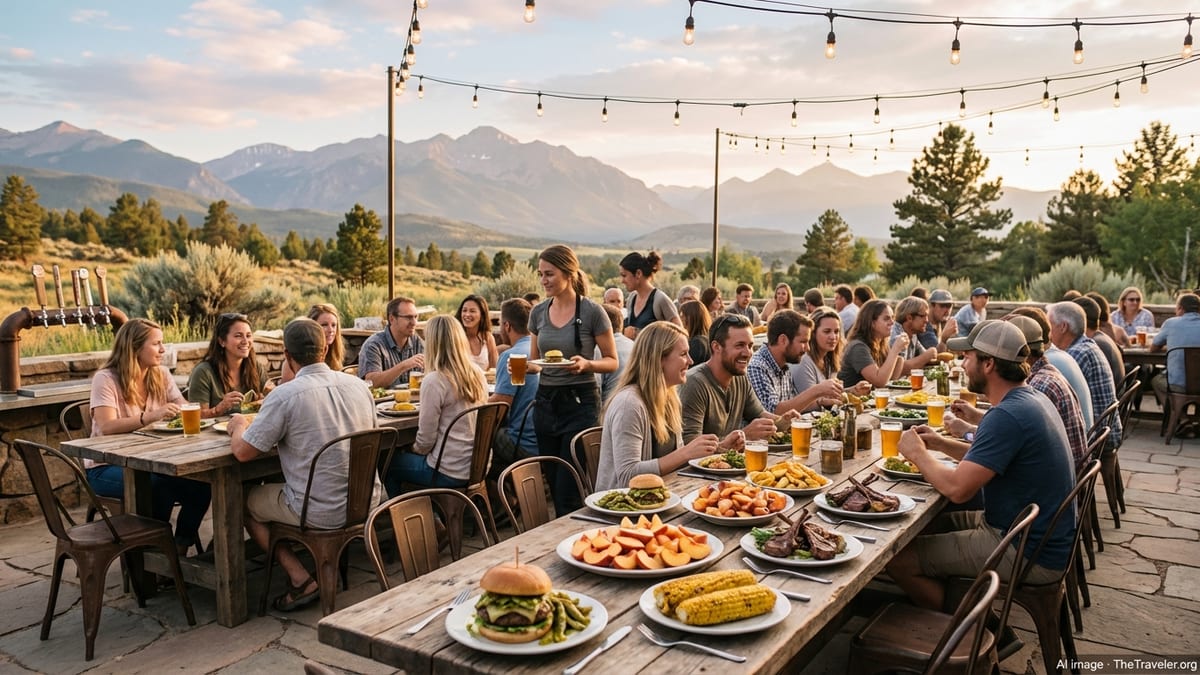
How Colorado’s Landscape Shaped Its Flavor
To understand the best food in Colorado, start with the land. Elevation, intense sunshine, cool nights, and dry air combine to create bold-tasting ingredients, from grass-fed beef on the Eastern Plains to wine grapes and stone fruit on the Western Slope. This dramatic geography has always demanded resourcefulness, a trait that still defines how Coloradans cook, preserve, and celebrate food today.
The state’s booming cities, especially Denver and Boulder, sit within easy reach of ranches, orchards, and family farms. That proximity fuels a strong farm-to-table culture. Chefs plan menus around Palisade peaches, Olathe sweet corn, lamb from the San Luis Valley, and mushrooms foraged from high-country forests. At the same time, waves of migrants and immigrants have layered Mexican, Vietnamese, Ethiopian, and many other culinary traditions over Colorado’s frontier roots, creating a surprisingly cosmopolitan food landscape.
Recent national recognition has only accelerated this evolution. Colorado now appears regularly in major dining guides, with inspectors and critics praising everything from ambitious tasting menus in Denver to wood-fired mountain restaurants in Aspen and Vail. That spotlight has encouraged local chefs to lean even more heavily on regional ingredients and to tell Colorado stories on the plate.
Yet even as the food scene becomes more refined, it retains a sense of adventure. You can eat fire-roasted Pueblo chiles on a paper plate at a street festival one day, then sit down to a meticulously coursed fine dining experience the next. That range is what makes eating your way across Colorado so compelling.
Rocky Mountain Oysters and Other Iconic Colorado Bites
Few dishes are as closely associated with Colorado as Rocky Mountain oysters. Despite the name, they are not shellfish but sliced, battered, and fried bull calf testicles, a byproduct of ranching that became a thrifty source of protein. Today they are a tongue-in-cheek delicacy, celebrated for both their novelty and surprisingly mild, meaty flavor. Classic Denver steakhouses and historic saloons serve them hot and crisp with cocktail or horseradish sauce, often as a rite of passage for out-of-town visitors.
Another essential taste of Colorado is the Pueblo slopper, an open-faced cheeseburger smothered with green chile. Born in the steel city of Pueblo, this messy, fork-and-knife dish captures the state’s obsession with roasted chiles and hearty comfort food. You will find it in retro taverns and modern diners alike, typically served in a shallow bowl so the bun can soak up every last spoonful of sauce. Devotees swear by the combination of charred beef, melted cheese, and tangy, spicy chile.
Then there are green chile-smothered burritos and breakfast plates, a staple across the Front Range. Unlike the thicker, pork-heavy style often found in neighboring New Mexico, Colorado’s versions vary widely. Some are built around Pueblo or Hatch chiles and simmered with chunks of pork; others are vegetarian, bright, and stew-like. What unites them is the habit of pouring the sauce over nearly everything, from huevos rancheros to cheese fries.
Chili with cinnamon rolls is another quirky regional pairing you may encounter, especially at small-town cafes and school cafeterias that have carried the tradition forward. The sweet, sticky pastry serves as a counterpoint to the savory stew, reflecting the kind of practical, filling fare that has long fueled mountain and farm communities.
From Pueblo Chiles to Palisade Peaches: Colorado’s Star Ingredients
Colorado’s most beloved foods begin in its fields and orchards. On the southern Front Range, Pueblo chiles have become a point of fierce local pride. Grown in the hot, sunny Arkansas Valley, these green chiles are celebrated for their thick flesh and robust, slightly smoky flavor. Every September, the Pueblo Chile and Frijoles Festival draws crowds to downtown Pueblo, where vendors fill the air with the aroma of roasting chiles and serve everything from chile-laced burgers to beans and tamales.
On the Western Slope, Palisade has built a national reputation for peaches. Thanks to cold winters, warm days, and cool nights, Palisade peaches develop an intense sweetness and juiciness that locals insist you cannot find anywhere else. Each August, the Palisade Peach Festival turns Riverbend Park into a celebration of the harvest, with cooking demonstrations, orchard tours, peach-eating contests, and farm-to-table dinners among the trees. Peaches appear in everything from cobblers and ice cream to salsas and barbecue sauces.
Farther north, Olathe sweet corn enjoys a devoted following. Farm stands and roadside markets pile high with ears in late summer, prized for their tender kernels and natural sweetness. Many Coloradans argue that the best way to eat it is simply boiled or grilled with butter and salt, but you will also see it shaved into seasonal salads, chowders, and succotash at restaurants that emphasize local produce.
Colorado lamb and beef remain foundational ingredients throughout the state. Lamb from high, dry pastures develops a clean, delicate flavor that chefs spotlight in everything from wood-grilled chops to handmade sausages. Grass-fed beef from the Eastern Plains anchors burgers, steaks, and slow-braised dishes. Rainbow trout from cold mountain streams and reservoirs rounds out the picture, appearing pan-seared with lemon and herbs, smoked over hardwood, or tucked into fish tacos at casual mountain eateries.
Denver and Boulder: Where the Rockies Meet Fine Dining
Over the past decade, Denver and Boulder have transformed from under-the-radar food cities into nationally recognized culinary destinations. The arrival of major dining guides in 2023 signaled that outside experts were finally paying close attention to what locals already knew: the Front Range is home to ambitious chefs, confident service, and restaurants that can stand alongside those in far larger coastal markets.
In Denver, the excitement has centered on creative, often intimate fine dining rooms that highlight regional ingredients through tasting menus. One of the most celebrated is The Wolf’s Tailor, which earned Colorado’s first two-star distinction in a major international guide for its inventive, sustainability-focused approach. The restaurant weaves together influences from Italy, Japan, and the American West, with house-milled grains, preserved vegetables, and whole-animal cookery appearing throughout the menu. Reservations can be difficult to secure, especially since the most recent awards, but the experience has become a bucket-list meal for serious diners.
Other Denver restaurants have also captured attention for their refined cooking and thoughtful hospitality. Contemporary counters and intimate dining rooms such as Beckon and Brutø focus on multi-course menus that change with the seasons, using Colorado produce, dairy, and meats as their foundation. Meanwhile, spots like Alma and other Bib Gourmand or recommended restaurants offer more casual, but still polished, experiences that showcase everything from modern Mexican to creative American small plates.
Boulder, already known for its health-conscious and ingredient-driven food culture, has its own cluster of standouts. Frasca Food and Wine, an Italian restaurant inspired by the cooking of Friuli, received the coveted James Beard Award for Outstanding Restaurant in 2025, a top national honor that underscored Colorado’s arrival on the fine dining map. Led by a team deeply committed to service and hospitality, Frasca pairs elegant, precise dishes with one of the country’s most respected wine programs. For many food travelers, it is reason enough to plan an overnight stay in Boulder.
High-Country Dining: Aspen, Vail, and Beyond
Beyond the Front Range, Colorado’s resort towns have long served as gateways to elevated dining, both literally and figuratively. Ski destinations such as Aspen, Vail, Beaver Creek, and Snowmass Village draw an international clientele, and their restaurants reflect that global reach while still leaning into local ingredients. In recent years, several mountain-town dining rooms have joined Denver and Boulder in receiving recognition from respected guides and awards programs.
In Aspen, contemporary restaurants use the valley’s proximity to ranches and farms to build menus around Colorado lamb, beef, root vegetables, and summer produce. Refined yet relaxed spots tuck into historic buildings and slope-side lodges, serving everything from meticulously plated tasting menus to wood-fired vegetables, handmade pastas, and raw bar towers meant for sharing after a day outdoors. The best dining rooms manage to feel both luxurious and completely at ease, in keeping with the town’s mix of glamour and mountain casual.
Vail and Beaver Creek, with their pedestrian villages and year-round tourism, support a wide array of dining experiences. Mountain bistros adapt European alpine traditions to local ingredients, pairing fondue and schnitzel with Colorado charcuterie, housemade sausages, and regional cheeses. At the same time, newer restaurants are pushing in more contemporary directions, highlighting fermentation, open-fire cooking, and plant-forward menus that appeal to a wellness-focused clientele.
Smaller mountain communities, from Crested Butte and Steamboat Springs to Telluride and Durango, have their own food personalities. Many lean into cozy, community-focused restaurants where chefs know their farmers by name and the bar might pour both local microbrews and carefully chosen natural wines. These towns are also where you are likely to stumble on surprising gems: a bakery turning out exceptional sourdough at 9,000 feet, a taco truck using Colorado-grown chiles, or a chef-owned bistro plating refined dishes in a building that once housed a mining office.
Casual Comfort: Breweries, Food Halls, and Neighborhood Gems
Not every memorable meal in Colorado takes place under white tablecloths. In fact, some of the state’s most beloved food is served in taprooms, food halls, and unfussy neighborhood joints. Denver’s craft beer scene is one of the most respected in the country, anchored by events such as the Great American Beer Festival and hundreds of breweries that operate tasting rooms across the metro area. Many feature serious food programs, with house kitchens or food trucks serving smash burgers, tacos, wings, and vegetarian dishes that pair naturally with hop-forward IPAs and crisp lagers.
Food halls have become another defining feature of Front Range dining. Converted warehouses and historic buildings in Denver, Boulder, and smaller cities now house collections of independent vendors, each with its own specialty. It is an easy way for visitors to sample multiple corners of Colorado’s food scene in a single stop: you might start with Nepali momos, move on to Pueblo chile mac and cheese, and finish with Palisade peach soft serve, all within the same building.
Small, chef-driven neighborhood restaurants contribute just as much to Colorado’s culinary identity as marquee destinations do. Across Denver’s residential districts and in suburbs from Aurora to Longmont, you will find Ethiopian injera platters, Vietnamese pho and banh mi, Salvadoran pupusas, and Korean barbecue alongside classic American diners and burger joints. These everyday spots often provide the most honest snapshot of how Coloradans actually eat, blending comfort, affordability, and cultural heritage.
Even in rural areas, local cafes and roadside grills play a vital role. Towns along major highways are dotted with family-owned Mexican restaurants serving green chile-smothered burritos, barbecue shacks turning out slow-smoked brisket, and bakeries that double as community gathering places. Pulling off the road for a slice of homemade pie or a cup of green chile stew can be just as rewarding as booking a coveted city reservation.
Festivals, Markets, and Seasonal Food Experiences
Colorado’s food calendar is packed with events that celebrate specific crops, culinary traditions, and the state’s thriving craft beverage scene. Visiting during one of these festivals can deepen your understanding of local flavors and connect you directly with growers, makers, and chefs. In late summer, the Palisade Peach Festival crowns the Western Slope’s harvest season with orchard tours, cooking demonstrations, a peach-eating contest, and a sprawling vendor area where you can taste everything from peach cobbler to peach barbecue sauce and cocktails. The festival has grown into one of the state’s signature agricultural events, highlighting how central fruit growing is to the region’s identity.
On the southern Front Range, the Pueblo Chile and Frijoles Festival fills historic downtown Pueblo with the sights and smells of chile season each September. Roasters line the streets, tumbling burlap sacks of green chiles over open flames as the air fills with smoke and spice. Visitors sample green chile on burgers, tacos, tamales, and beans, then stock up on fresh-roasted chiles to freeze for the winter. The event underscores just how important local agriculture and food traditions are to Pueblo’s sense of self.
Beyond those headline events, farmers markets run throughout the growing season in towns and cities across Colorado. Weekend markets in Denver, Boulder, Fort Collins, and mountain communities showcase heirloom tomatoes, leafy greens, honey, mushrooms, heritage grains, and more. Many include prepared food vendors, coffee stands, and live music, turning a simple grocery run into a social ritual. For travelers, markets provide an easy way to taste what is truly in season and to meet the farmers whose names you might see on restaurant menus later that night.
Food and drink festivals further round out the calendar. Beer lovers flock to Denver for multi-day tasting events that bring together brewers from around the country, while smaller gatherings celebrate apples, mushrooms, wine, and cider in towns like Cedaredge and beyond. Planning your trip around one or two of these events can give your itinerary a flavorful backbone and reveal how proud Coloradans are of what they grow, brew, and cook.
Navigating Colorado’s Evolving Culinary Scene
Colorado’s food landscape continues to evolve rapidly. The expansion of major dining guides to cover more of the state has encouraged chefs in emerging areas, from Aurora on Denver’s eastern edge to smaller mountain and plains communities, to take creative risks and draw more directly on local traditions. At the same time, rising costs of living and operating restaurants in high-demand markets pose real challenges, meaning that promising spots can open and close quickly.
For travelers, staying flexible is key. High-profile restaurants with national press often require advance reservations, especially in ski season or during major events. Meanwhile, some of the most rewarding discoveries happen when you ask locals where they actually eat on their days off, or when you wander a few blocks away from the busiest tourist corridors to find low-key spots serving excellent food at gentler prices.
It is also worth being mindful of Colorado’s altitude and climate when planning your culinary adventures. Alcohol can feel more potent at higher elevations, and hearty dishes may sit differently when you are not accustomed to thinner air. Balancing indulgent meals with hydration, lighter bites, and time outdoors will help you enjoy more of what the state has to offer without fatigue. Many restaurants and cafes are adept at catering to dietary preferences, including vegetarian, vegan, and gluten-free diners, reflecting the region’s outdoorsy, wellness-conscious culture.
Above all, remember that Colorado’s food story is still being written. New bakers, brewers, winemakers, and chefs continue to arrive, adding their backgrounds to an already diverse mix. Whether you are chasing a famous peach, tracking down the best Rocky Mountain oysters, or booking a seat at one of the country’s most lauded dining rooms, you are participating in a dynamic, ongoing conversation about what it means to cook and eat in the modern American West.
The Takeaway
The best food in Colorado lives at the intersection of landscape, tradition, and innovation. It is Rocky Mountain oysters in a historic Denver steakhouse and a precisely plated dish of foraged mushrooms in a minimalist tasting room. It is a paper boat of green chile-smothered fries at a street festival and a carefully paired course of Colorado lamb and mountain herbs in a dining room that has just earned national acclaim.
From the chile fields of Pueblo to the peach orchards of Palisade, from Denver’s chef counters to casual brewery patios, Colorado invites you to taste its story one bite at a time. The ingredients may be rooted in the state’s rugged terrain, but the imagination and hospitality behind them are as expansive as the skies that stretch over the Rockies. Come hungry, stay curious, and let the Centennial State’s kitchens, farms, and food festivals show you just how far its cooking has come.
FAQ
Q1. What food is Colorado best known for?
Colorado is best known for Rocky Mountain oysters, green chile dishes, Palisade peaches, Olathe sweet corn, Colorado lamb and beef, craft beer, and a fast-growing fine dining scene.
Q2. Where can I try authentic Rocky Mountain oysters in Colorado?
You will find Rocky Mountain oysters at traditional steakhouses, historic saloons, and ranch-town bars across the state, especially in Denver and along the Front Range.
Q3. What makes Pueblo chiles different from other green chiles?
Pueblo chiles are known for their thick flesh and robust, slightly smoky flavor, grown in the hot Arkansas Valley and celebrated at the annual Pueblo Chile and Frijoles Festival.
Q4. When is the best time to visit for Palisade peaches?
The peak season for Palisade peaches is typically mid to late summer, with August being the prime time and coinciding with the Palisade Peach Festival.
Q5. Is Denver considered a fine dining destination now?
Yes. Denver has become a serious fine dining destination, with acclaimed tasting-menu restaurants and multiple venues recognized by major national and international dining guides.
Q6. Are there good vegetarian and vegan options in Colorado?
Many Colorado restaurants, particularly in Denver, Boulder, and mountain towns, offer strong vegetarian and vegan menus, reflecting the state’s health-conscious, outdoors-oriented culture.
Q7. What are some must-try Colorado comfort foods?
Must-try comfort foods include the Pueblo slopper, green chile-smothered burritos, chili with cinnamon rolls, chicken-fried steak, and burgers made with Colorado beef.
Q8. How important is craft beer to Colorado’s food scene?
Craft beer is central to Colorado’s food culture, with hundreds of breweries, major beer festivals, and taprooms that often feature strong food programs or excellent nearby eateries.
Q9. Do I need reservations at Colorado’s top restaurants?
For Michelin-recognized and award-winning restaurants, reservations are highly recommended, especially on weekends, during ski season, and around major food and drink festivals.
Q10. What is the best way to explore local food outside the big cities?
Rent a car and visit small towns, farmers markets, orchards, and roadside cafes, asking locals for recommendations and timing your trip with regional food festivals when possible.