

MSC Cruises has quietly grown into one of the most geographically diverse cruise brands at sea, threading together classic ports, emerging hubs and private-island escapes across multiple continents. For travelers, that reach translates into a wide menu of itineraries tailored to different seasons, budgets and travel styles. From iconic Mediterranean cities and Caribbean reefs to North European capitals and Indian Ocean beaches, MSC’s network can feel almost global in scope. Understanding how its destinations break down by region is the key to choosing the sailing that fits your own idea of a perfect vacation.
Mediterranean Classics and Year-Round Sun
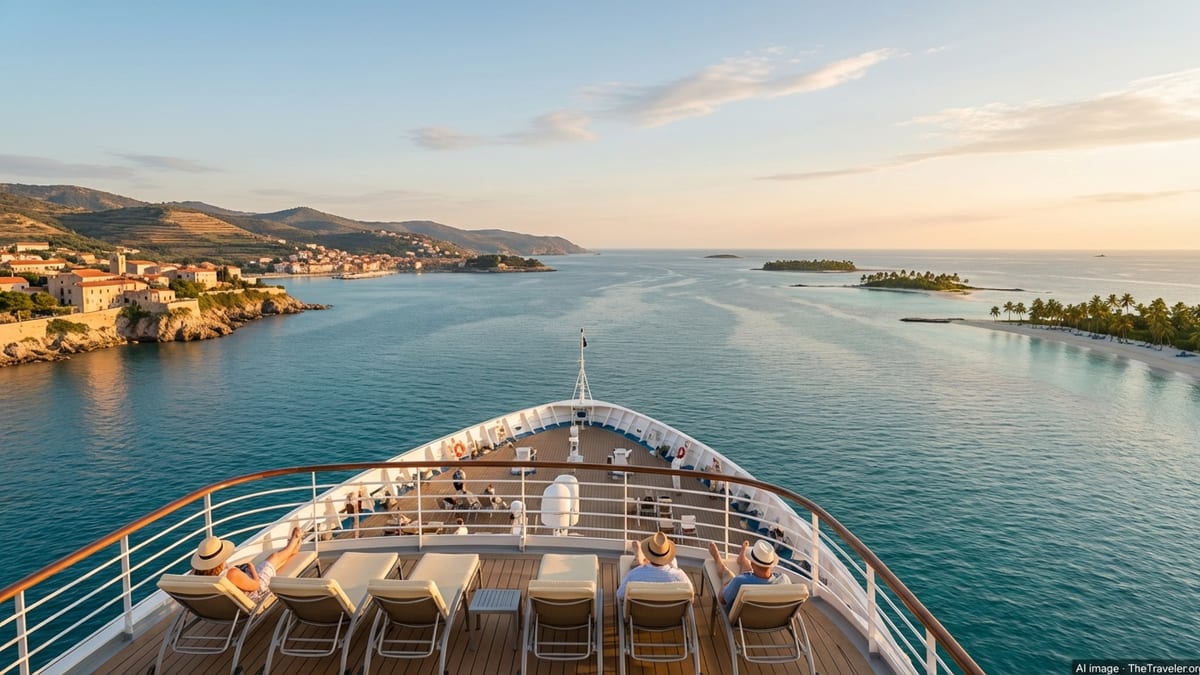
The Mediterranean is MSC Cruises’ spiritual home and remains the backbone of its deployment. Guests can choose between Western Mediterranean routes that link Spain, France and Italy, and Eastern Mediterranean itineraries that focus on Greece, Croatia and Türkiye. In practice, that might mean spending a morning at the Colosseum via Civitavecchia for Rome, wandering the Gothic Quarter in Barcelona, or tracing Venetian merchant history in Split and Dubrovnik. MSC has steadily expanded its reach to include smaller ports alongside the marquee cities, giving repeat Mediterranean cruisers fresh places to explore without sacrificing familiar favorites.
In recent seasons the line has deepened its presence around Greece, offering both summer and off-peak departures that call at islands such as Mykonos, Santorini and Corfu as well as Piraeus for Athens. These itineraries often combine island-hopping with culture-rich mainland stops like Katakolon for Olympia or Istanbul across the Aegean. Guests can expect a blend of beach time, archaeological excursions and long evenings ashore in waterfront tavernas and cafés. The climate, especially between late spring and early autumn, lends itself to outdoor dining, slow strolls along medieval harbors and late sunsets at sea.
For Western Mediterranean sailings, ports like Genoa, Marseille and Valencia anchor routes that highlight both coastal scenery and urban energy. MSC’s ships routinely call at Naples for access to Pompeii, Capri and the Amalfi Coast, as well as at Palma de Mallorca and Cagliari for a more laid-back island atmosphere. Many itineraries operate roundtrip from Italian or Spanish homeports, which can make flight planning easier and open the door to pre- or post-cruise city breaks in places such as Rome, Barcelona or Milan.
The Mediterranean also hosts some of MSC’s most family-friendly and budget-conscious itineraries. Sailing durations often run between seven and ten nights, with shoulder-season departures offering quieter ports and generally milder temperatures. For travelers who value a mix of historic sites, beach stops and reliably good food, it remains one of the most versatile and accessible regions in the MSC network.
Caribbean, Bahamas and Ocean Cay MSC Marine Reserve
The Caribbean is MSC’s primary playground for North American cruisers, with ships based in Florida and other regional homeports offering a wide range of itineraries. Routes typically span the Bahamas and Western or Eastern Caribbean, with calls at well-known ports such as Cozumel, Costa Maya, Falmouth in Jamaica and San Juan in Puerto Rico. Many voyages are designed around convenient three- to seven-night schedules, making them attractive for first-time cruisers and families working within school holidays.
A signature feature of many Caribbean sailings is a call at Ocean Cay MSC Marine Reserve, the line’s private island in the Bahamas. Developed around former industrial land, it has been reshaped into a beach and lagoon destination centered on marine restoration and low-key relaxation. Guests can spend the day swimming from white-sand beaches, snorkeling around nearshore reefs, or simply wandering between food trucks and beach bars. Some itineraries incorporate late-night or overnight calls, which allow for sunset paddleboarding, evening lighthouse shows and stargazing from near-empty beaches.
Beyond the Bahamas, Southern Caribbean itineraries venture to classic island nations such as Saint Lucia, Barbados, Antigua and the Dominican Republic. These longer sailings often combine port-intensive schedules with plenty of time at sea, giving guests a rhythm of active days ashore followed by relaxed sea days beside the pool. Shore excursions range from catamaran sails and rum distillery visits to rainforest hikes, river tubing and cultural walking tours through old colonial quarters.
MSC’s Caribbean deployment continues to expand, with multiple ships sailing from Miami and other U.S. ports across the winter high season. This density of ships translates into choice: guests can prioritize more beach time, more ports, or more sea days, and select from a mix of standard cabins, family staterooms and the elevated MSC Yacht Club experience. For many travelers, the combination of warm weather, clear water and easy access from major American airports makes the Caribbean the most straightforward entry point into MSC’s world.
Northern Europe, Baltics and Fjord Country
In summer, MSC shifts a portion of its fleet north to tap into the long days and mild weather of Northern Europe. These sailings typically depart from ports such as Southampton, Hamburg or Kiel and trace routes through the Norwegian fjords, the Baltic Sea or the North Sea coast. Travelers can expect a very different atmosphere from the Mediterranean or Caribbean: think crisp air, dramatic mountain and fjord scenery, and historic capitals where medieval streets sit alongside modern design and café culture.
Norwegian fjord itineraries are among the most dramatic. Ships wind through narrow passages flanked by steep, forested slopes and waterfalls, with stops in towns like Bergen or smaller fjord villages that act as gateways to hiking trails, glacier viewpoints and scenic train rides. Even from onboard, sea days become part of the destination, with many guests wrapped in blankets on deck as they watch the landscape slide past under a soft northern light.
Baltic and North Sea routes focus more on city experiences, linking ports such as Copenhagen, Stockholm and Helsinki with lesser-known gems along the coasts of Germany and the Baltic states. Depending on the season and the broader geopolitical environment, certain eastward ports may feature more or less heavily in MSC’s programming, but the core idea remains the same: a sequence of compact, walkable cities rich in museums, architecture and waterfront life. Shore excursions often prioritize cultural immersion, from palace visits and design tours to food tastings built around local specialties.
Northern European cruises are typically seasonal, clustered in late spring and summer when the weather is at its most forgiving and daylight hours stretch long into the evening. For travelers who prefer cooler temperatures, photogenic landscapes and city-heavy itineraries, this region offers a refreshing counterpoint to tropical destinations. Packing layers and waterproof outerwear becomes more important, but the reward is a set of ports that feel distinctly different from the standard sun-and-sand circuit.
Arabian Gulf, Emirates and Red Sea Gateways
During the Northern Hemisphere winter, MSC positions ships in the Arabian Gulf, centering itineraries on ports like Dubai, Abu Dhabi and Doha. These cruises highlight a region where futuristic skylines rise from the desert, yet traditional souks, mosques and heritage districts remain integral to the cultural fabric. Shorter seven-night itineraries are common, giving guests a manageable way to experience multiple Gulf states in a single trip without long-haul overland travel.
Dubai often functions as both a homeport and a destination in itself, with cruisers encouraged to arrive early or stay after their sailing for time in its malls, beaches and desert resorts. Port calls might include the chance to ascend towering observation decks, explore artificial island developments or join guided tours of historic creekside neighborhoods. In Abu Dhabi, guests frequently divide their time between beach relaxation, cultural landmarks and modern attractions such as large-scale theme parks.
Some MSC itineraries extend beyond the Gulf to include ports on the Red Sea or into the wider Indian Ocean region, subject to prevailing security assessments and local regulations. Calls at destinations in Saudi Arabia, Jordan or Egypt, when included, open access to archaeological and religious heritage sites, desert landscapes and snorkeling or diving along coral-rich coasts. Because this part of the world can be geopolitically sensitive, routes are periodically adjusted, and guests are encouraged to stay informed about itinerary changes communicated by the line.
For travelers, cruises in the Arabian Gulf region offer reliable winter sun, modern infrastructure and a blend of traditional and contemporary culture. Dress codes ashore are generally more conservative than in Western beach destinations, and excursion choices often balance resort-style leisure with opportunities to learn about local history, art and daily life. The result is an experience that feels distinct from both Europe and the Caribbean while still benefiting from MSC’s familiar onboard style.
South America, Brazil and the Southern Atlantic
South America has become a major seasonal focus for MSC, particularly along the Brazilian and Argentine coasts. Between early December and early April, multiple ships reposition to the region, creating an almost local-fleet atmosphere in ports such as Santos near São Paulo, Rio de Janeiro, Salvador, Maceió and Buenos Aires. These itineraries blend lively seaside cities with resort islands and smaller coastal towns, mirroring the way domestic travelers in Brazil and neighboring countries vacation along their own shores.
Itineraries within Brazil often include a mix of bustling urban hubs and more relaxed getaways. Guests might spend one day exploring the colonial architecture and Afro-Brazilian heritage of Salvador, and the next swimming off the beaches of Búzios or walking forested trails on islands fringed by coves. Further south, sailings between Brazil, Uruguay and Argentina open windows onto Montevideo’s rambla-lined waterfront and Buenos Aires’ distinctive mix of European-style boulevards, tango culture and contemporary dining scenes.
Compared with standard Caribbean circuits, South American sailings can feel more regional in flavor, with a significant portion of guests hailing from Brazil, Argentina and other nearby countries. Onboard programming and cuisine often reflect that reality, from language offerings to entertainment and late-night dining habits. For visitors from North America or Europe, this creates an immersive cultural experience both on and off the ship, with the chance to sample local music styles, dishes and social rhythms alongside port excursions.
At the edges of the South American season, some MSC ships undertake longer repositioning voyages that link the region with Europe, Africa or the Caribbean. These grand routes can touch on Atlantic islands, Cape Verde or Madeira and occasionally head around the tip of South America toward more remote waters. They appeal to travelers who enjoy extended time at sea and the sense of undertaking a longer journey rather than a simple there-and-back vacation.
Asia, Indian Ocean and Emerging Routes
MSc’s presence in Asia and the broader Indian Ocean has evolved over time, shaped by regional demand, port infrastructure and public health considerations. When deployed in this part of the world, the line tends to focus on gateway cities and resort destinations that combine strong air links with clear tourist appeal. Examples include large coastal hubs in Japan and Southeast Asia, as well as Indian Ocean islands and ports that connect to historic trade routes.
In East Asia, itineraries may center on culturally rich cities where temples, neon-lit districts and traditional markets coexist. Cruisers can expect days that begin with guided visits to shrines or historic neighborhoods and end with contemporary dining or shopping in modern urban centers. In Southeast Asia, routes often incorporate beach and resort destinations alongside heritage ports, giving travelers a balance of relaxation and cultural exploration.
Further west, Indian Ocean and South Asian itineraries, when scheduled, highlight ports with access to UNESCO-listed sites, wildlife-rich reserves and long sweeps of tropical coastline. Guests might divide their time between city sightseeing, tea or spice plantation visits and water-based activities like snorkeling or boat safaris. Local weather patterns, including monsoon seasons, significantly shape deployment, with MSC concentrating sailings in windows when seas are generally calmer and conditions more predictable.
Because Asia and the Indian Ocean remain more dynamic deployment regions for MSC, itineraries can change from season to season in response to demand, regulations and broader global events. Prospective cruisers benefit from reviewing current schedules closely and paying attention to any advisories from both the cruise line and their own governments. For those willing to plan around these variables, the reward is access to some of the most culturally diverse and geographically varied destinations in the MSC portfolio.
How to Choose the Right Region for Your Cruise
With MSC ships spread across so many parts of the world, choosing a destination region starts with clarifying your own priorities. If beach time, warm water and an easy flight from North America rank highest, the Caribbean and Bahamas will likely stand out. Travelers who dream of historic city centers, archaeological sites and Mediterranean cuisine may prefer to focus on Western or Eastern Mediterranean routes, especially between late spring and early autumn when weather is at its best for outdoor sightseeing.
Climate tolerance matters as much as scenery. Those who dislike humidity or intense heat might gravitate toward Northern Europe in summer, when mild temperatures and long days make it comfortable to explore on foot. Conversely, travelers looking for guaranteed winter sun during the Northern Hemisphere’s colder months often target the Arabian Gulf or South America, where seasonal patterns favor warm, dry conditions and lively coastal atmospheres.
Travel style is another key filter. Port-intensive itineraries, such as many Mediterranean, Baltic and some South American routes, appeal to guests who enjoy a different city almost every day and want to maximize shore excursions. By contrast, longer repositioning or transoceanic sailings tend to include clusters of consecutive sea days, ideal for travelers who treat the ship itself as the primary destination and value time to slow down. Families may instinctively look to the Caribbean or Mediterranean for shorter, school-holiday-friendly schedules with familiar beach and pool activities.
Finally, consider cultural comfort and curiosity. Some regions, such as the Caribbean and Western Mediterranean, will feel immediately familiar to many travelers from North America and Europe. Others, including the Arabian Gulf, parts of Asia and certain South American ports, may present more of a language or cultural learning curve. That difference can be part of the appeal, but it also rewards a bit of pre-cruise reading about local customs, dress expectations and public behavior. Matching your own appetite for novelty with the right region is one of the most reliable ways to turn an MSC cruise into a memorable, rewarding journey.
The Takeaway
Across its global network, MSC Cruises offers a patchwork of destinations that can suit almost any traveler, from first-time cruisers seeking an easy Caribbean escape to seasoned voyagers drawn to Norwegian fjords, Greek islands or South American resort towns. Each region carries its own signature blend of climate, culture and cruising style, and the ships themselves shift with the seasons to follow the best weather and demand.
Choosing the right MSC itinerary starts with deciding what you most want from your time away: beaches or cities, history or nature, cool air or tropical heat, days packed with excursions or long sea-day stretches. From there, the regional patterns become clearer, whether that nudges you toward the Mediterranean’s familiar icons, the Caribbean’s private-island escapes, Northern Europe’s dramatic landscapes or the emerging allure of Gulf and Asian routes.
Because deployment evolves in response to world events, local regulations and traveler interest, it is worth checking the latest schedules and being open to itinerary tweaks. Flexibility can unlock attractive fares and routes that only appear for a season or two. With thoughtful planning, MSC’s breadth of destinations turns from a confusing array of options into a genuine advantage, giving you multiple ways to explore the world while returning each evening to a familiar shipboard home.
FAQ
Q1. Which MSC Cruises region is best for first-time cruisers?
For many first-time cruisers, the Caribbean or Western Mediterranean works best thanks to familiar ports, shorter itineraries and generally predictable weather.
Q2. When is the best time to cruise the Mediterranean with MSC?
Late spring through early autumn typically offers warm temperatures and long days, with May, June and September often balancing good weather and moderate crowds.
Q3. Does MSC always visit Ocean Cay MSC Marine Reserve on Caribbean cruises?
Many Caribbean itineraries include Ocean Cay, but not all do. It is important to check the specific sailing details to confirm whether the private island is on the schedule.
Q4. Are Northern Europe and fjord cruises suitable for children?
Northern Europe cruises can be very family friendly, especially for children who enjoy nature and city sightseeing, though cooler weather means less focus on beach and pool time.
Q5. How formal is the dress code on MSC cruises in the Arabian Gulf?
Onboard dress expectations are similar to other MSC itineraries, but when ashore in Gulf ports it is respectful to dress more conservatively, covering shoulders and knees in many public places.
Q6. What language is predominantly used on South America MSC sailings?
On South America itineraries, you will often hear a mix of Portuguese, Spanish and English, with onboard announcements and services typically provided in several languages.
Q7. Are MSC Asia and Indian Ocean routes more affected by seasonal weather?
Yes, deployment in Asia and the Indian Ocean is closely tied to monsoon and cyclone patterns, so itineraries are usually concentrated in calmer-weather windows.
Q8. Is MSC Yacht Club available in every region?
MSC Yacht Club is offered only on certain ships, but those vessels sail across multiple regions, so guests can usually find Yacht Club options in the Caribbean, Mediterranean and other key areas.
Q9. How far in advance should I book an MSC cruise to secure the best choice of regions and cabins?
Booking several months to a year ahead generally provides the best selection of itineraries and staterooms, especially for peak seasons like summer in Europe and winter in the Caribbean.
Q10. Can I combine two MSC cruises to explore more than one region in a single trip?
Back-to-back cruises are possible and often used to link regions, especially on repositioning or grand voyages, though you should plan carefully around visa rules and flight arrangements.