

Choosing where to stay in Florida can be surprisingly complex for first-time visitors. The state is large, its regions are distinct, and travel times between them are longer than they look on a map. Picking the right base can mean the difference between a relaxed, memorable trip and a week spent wrestling with traffic and logistics. This guide focuses on Florida’s most practical and rewarding areas for first-time visitors, outlining what each region offers, who it suits best, and what to consider before you book.
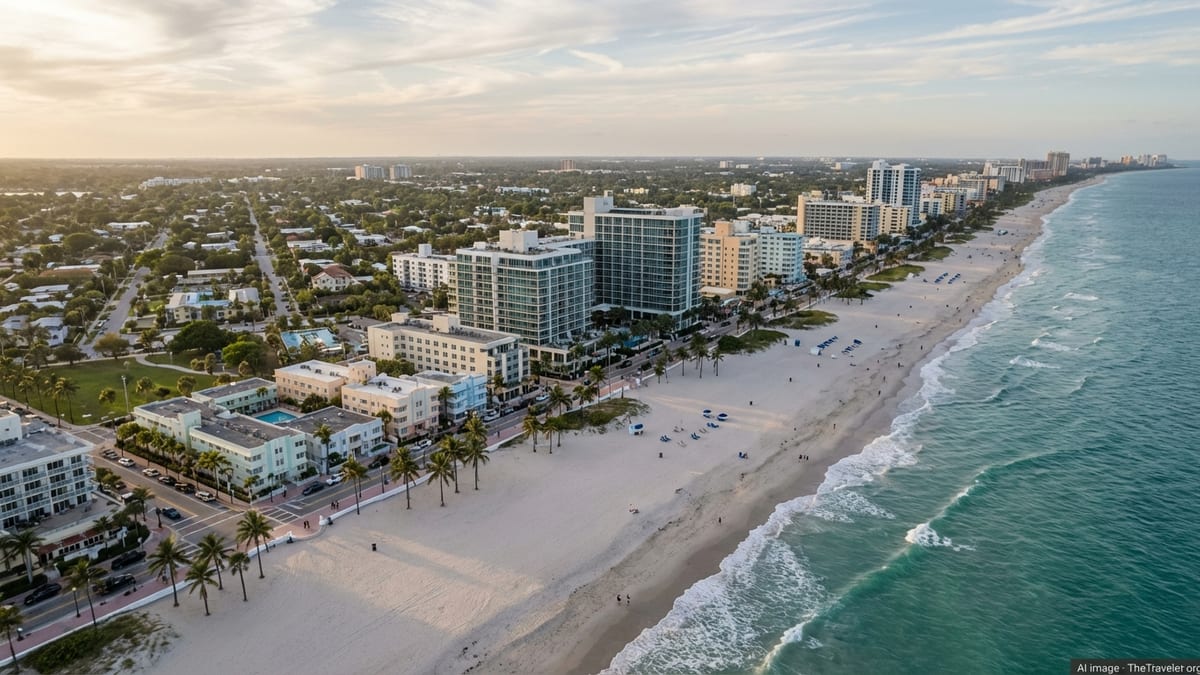
How to Choose the Right Florida Base
Before zeroing in on specific cities and neighborhoods, it helps to decide what kind of Florida experience you want. Many first-time visitors underestimate distances. Driving from Miami to Orlando, for example, takes around four hours in good traffic, so combining them in a short trip can feel rushed. If you have a week or less, it is usually better to choose one main region and explore it well rather than criss-crossing the state.
Think carefully about your priorities. If theme parks are the main draw, staying near Orlando or Kissimmee will save hours each day. If you dream of soft sand and warm, relatively calm water, the Gulf Coast may be the best base. For nightlife, Latin culture and a more urban experience, Miami and Miami Beach stand out. Families with young children often appreciate quieter beach towns or resorts with strong on-site amenities, while couples may prefer walkable historic districts and boutique hotels.
Season matters too. Winter and early spring bring mild temperatures and peak prices, especially in South Florida and around school holiday periods. Summer is hot and humid, with frequent afternoon thunderstorms and a higher risk of tropical storms, but it is also when you will see more deals, particularly in cities that cater heavily to business travelers the rest of the year. Shoulder months like late April, May, September and early November can offer a comfortable balance of value and manageable weather.
Finally, consider your transportation. In most of Florida, you will rely on a car, though certain urban neighborhoods in Miami and Orlando work reasonably well without one. Parking fees at hotels, toll roads, and resort fees can add up, so factor those into your overall budget rather than focusing on nightly room rates alone.
Orlando and Surroundings: Theme Park Central
For many first-time visitors, Florida means one thing above all: Orlando’s theme parks. If your trip revolves around Walt Disney World, Universal Orlando Resort, the new Epic Universe park and SeaWorld, staying in the greater Orlando area is the most efficient choice. You will find everything from large on-site resorts with shuttles to the parks to budget-friendly motels along major corridors like International Drive and US 192.
Staying on Disney property can be convenient for first-timers who want to minimize driving. Disney hotels offer access to internal transportation, early entry to the parks on select days, and theming that can be a big part of the experience, especially for families with children. However, these benefits come at a premium price, and food and extras on-site tend to be more expensive than off property.
International Drive, commonly called I-Drive, is a practical base for visitors who want options. The northern stretch, near Universal Boulevard, places you close to Universal Orlando and the rapidly developing Epic Universe area, along with attractions such as observation wheels and entertainment complexes. Many hotels in this corridor provide shuttle services to multiple parks, and a trolley system runs along the avenue, giving car-free travelers at least some flexibility. Farther south, around the convention center and SeaWorld, the feel is slightly more business-oriented, but families still fill the hotels during peak travel periods.
South and east of Walt Disney World, Kissimmee and the US 192 corridor offer some of the most budget-friendly stays in the region. Here you will find a wide mix of motels, midrange hotels and large vacation home communities. Multi-bedroom rental homes with private pools are particularly popular with extended families and groups, although they usually require a car and a willingness to drive to the parks daily. The trade-off for lower nightly rates is more time in traffic and a less immersive resort environment, but for cost-conscious first-timers, the savings can be significant.
Miami and Miami Beach: Urban Energy and Iconic Coastline
Miami and neighboring Miami Beach appeal to first-time visitors who want a dynamic mix of beach time, nightlife, art and dining in a cosmopolitan setting. Unlike many Florida destinations built primarily around resorts, Miami feels like a major international city, with strong Latin American influences and a year-round energy that peaks during winter and early spring.
On the mainland, neighborhoods like Brickell and Downtown suit travelers who prefer a city base. Brickell, Miami’s financial district turned entertainment hub, is filled with high-rise hotels, luxury condos and rooftop bars. It works well for visitors who value modern amenities, easy transit connections and proximity to museums, sports venues and the bayside waterfront. Coconut Grove, a historic, leafy district along Biscayne Bay, offers a calmer, more residential feel, with boutique hotels, shaded streets and a village-like center that is popular with couples and families wanting quieter evenings.
Across the causeways, Miami Beach delivers the classic Atlantic shoreline that many first-timers imagine. South Beach is known worldwide for its Art Deco architecture, oceanfront promenade and nightlife. The Flamingo and Lummus areas place you within walking distance of Ocean Drive, the beach, and a dense collection of restaurants and bars. This part of the island can be loud and busy, particularly on weekends and during major events, which excites some visitors and overwhelms others.
For a slightly more relaxed environment that still feels distinctly Miami Beach, many visitors choose Mid-Beach or the quieter northern stretches. Here, larger resorts line the sand, and you can enjoy waterfront pools and beach service while still being a short drive or rideshare away from South Beach’s nightlife and Lincoln Road’s open-air shopping promenade. These neighborhoods tend to work especially well for first-time visitors who want the Miami Beach experience without being at the very center of the action all night.
Florida’s Gulf Coast: Calm Waters and Laid-Back Towns
While the Atlantic side often steals the spotlight, Florida’s Gulf Coast is many travelers’ favorite place to stay, particularly for those who prioritize calmer seas, gentle waves and vivid sunsets. For first-time visitors, the stretch from the Tampa Bay area down through Sarasota and on toward Fort Myers offers a wealth of accessible beach towns with varying levels of development and nightlife.
Areas such as Clearwater Beach and St. Pete Beach combine wide, soft-sand beaches with a good range of hotels, from family-friendly resorts to simple motels. Clearwater’s walkable, resort-style core is convenient for travelers who like to stroll to restaurants, while nearby St. Petersburg’s downtown provides galleries, waterfront parks and a growing restaurant scene a short drive from the sand. Families appreciate the generally shallow, calm conditions of the Gulf, especially with younger children.
Farther south, Sarasota and its offshore islands attract visitors looking for a slightly more refined, low-key stay. Siesta Key is famous for its powdery white sand and village-like center, while Longboat Key offers a quieter, more residential feel, often with condo-style accommodations and full-service resorts. First-time visitors who prioritize beach time over nightlife often gravitate toward this part of the coast, trading late-night clubs for sunsets, outdoor dining and morning walks.
The Gulf Coast is also a sensible choice for visitors combining a Florida beach stay with a road trip. The region’s towns are relatively close together, so you can base yourself in one area and make easy day trips to neighboring beaches, state parks and small historic districts. The main considerations for first-timers are rental car availability and seasonal crowds. Winter and early spring are especially popular with snowbirds, so booking well in advance is wise if you are traveling then.
The Keys and Key West: Island Vibes at the Edge of the Map
For first-time visitors who picture turquoise water, palm-fringed roads and a slower island tempo, the Florida Keys can be a memorable base. This chain of islands arcs southwest from the tip of the peninsula, connected by the scenic Overseas Highway. While the Keys are famous for fishing, boating and diving, they are not traditional broad-sand beach destinations, which sometimes surprises first-timers expecting long stretches of shoreline.
Key Largo, the first major island, is often the most convenient option for travelers driving from Miami. It has a strong focus on snorkeling and diving, with numerous operators offering trips to offshore reefs. Marathon, farther along, provides a more central location in the island chain and access to family-friendly attractions, small beaches and state parks. Accommodations in these mid-Keys tend to be a mix of motels, waterfront inns and resorts oriented toward time on the water rather than elaborate on-site entertainment.
At the end of the highway, Key West offers the liveliest atmosphere in the Keys. This compact island city blends historic architecture, a walkable old town, energetic bars and sunset celebrations at its waterfront squares. Many first-time visitors choose to base themselves here for a few nights, enjoying the ability to explore on foot and soak up the island’s distinct personality. Accommodations range from historic guesthouses in restored homes to larger waterfront resorts with pools and marinas.
The main trade-offs for first-timers are travel time and cost. Driving from Miami to Key West can take several hours even without heavy traffic, and room rates in peak season are often among the highest in the state. Visitors who are short on time sometimes opt for a day trip or overnight tour from South Florida, but those who can spare at least two or three nights tend to get more from the journey by slowing down and enjoying the Keys as their primary base.
Atlantic Coast Beach Towns: From Delray to the Space Coast
Florida’s Atlantic shoreline offers a wide range of bases for first-time visitors who want a blend of beach, town life and relatively easy access to major airports. Compared with South Beach, many of these towns feel more relaxed and residential, while still providing amenities that visitors appreciate, such as waterfront promenades, dining districts and family-friendly activities.
In Southeast Florida, communities like Delray Beach have gained attention for their combination of lively, walkable downtowns and attractive oceanfront. Delray’s main avenue runs from the Intracoastal Waterway toward the beach, lined with restaurants, boutiques and galleries. The town appeals to travelers who want to split their time between the sand and evening strolls, and it works especially well for couples and groups of friends seeking a social, but not overly intense, atmosphere.
Farther north, beach towns along the Treasure Coast and Space Coast suit visitors drawn to surfing, nature and a slightly quieter, family-centered experience. Places like Cocoa Beach and the surrounding Space Coast area give you access to surf breaks, simple motels and condos, and the added attraction of nearby space-related sites. Staying here can make it easy to combine a classic Florida beach stay with a visit to a space center or wildlife-rich lagoons.
These Atlantic towns are practical bases for travelers who want to avoid the densest urban traffic while remaining within reach of major hubs. However, public transportation is limited in most areas, so first-timers should plan on renting a car. Booking walks-to-the-beach locations or accommodations near a compact downtown can reduce daily driving and make trips feel more relaxed.
Panhandle and Northwest Florida: Emerald Waters and Southern Charm
Northwest Florida, often referred to as the Panhandle, offers a different flavor of Florida that mixes Gulf Coast beaches with a more traditionally Southern atmosphere. Destinations such as Destin, Panama City Beach and the string of towns along Scenic Highway 30A attract families and groups, particularly from nearby states, but they are increasingly on the radar for first-time visitors flying in as well.
The region is known for its pale sand and clear, often emerald-hued water. Destin provides a mix of high-rise condos, resorts and vacation homes clustered around harbors and beaches, along with family attractions such as mini-golf and boat excursions. Panama City Beach, long a classic beach escape, has broad stretches of sand and a concentration of midrange hotels and condos, making it approachable for budget-minded travelers.
Along Highway 30A, a series of planned beach communities and small towns appeal to visitors seeking a walkable, design-focused environment. Here you will find pastel cottages, bike paths and town centers built for strolling to cafés and the shoreline. These areas often lean toward vacation rentals rather than traditional hotels, so first-timers who prefer full-service resorts may gravitate toward Destin or Panama City Beach instead.
Weather and seasonality are important considerations in the Panhandle. Summers are hot and humid, with afternoon storms common, while winters are cooler than South Florida and can bring breezy days that are better suited to walks than swimming. Peak crowds typically arrive in spring and summer, especially around school holidays, so planning and booking ahead is important if you are tied to those dates.
The Takeaway
Florida’s size and variety mean there is no single “best” place to stay for all first-time visitors. The ideal base depends heavily on whether you are chasing theme park thrills, quiet beach mornings, nightlife, nature or a bit of everything. Orlando and its surroundings fit travelers focused on attractions who value convenience over scenery. Miami and Miami Beach suit those who want an urban, international vibe wrapped around a famous shoreline. The Gulf Coast and Panhandle shine for relaxed, family-friendly beach stays, while the Keys and Atlantic towns reward visitors ready to slow down and savor local character.
Before you book, match your priorities, budget, and tolerance for driving with the region that fits them best. Look at travel times between the airport and your accommodation, check how walkable the immediate area is, and be realistic about how much you will want to move around once you arrive. With a bit of planning, your first Florida base can set the tone for a trip that feels both manageable and memorable, whether you spend it riding roller coasters, watching sunsets on the Gulf, or wandering historic streets by the sea.
FAQ
Q1. What is the best place to stay in Florida for a first visit focused on theme parks?
For theme park centered trips, staying in the Orlando area works best, either at a resort inside Walt Disney World or in nearby districts such as International Drive or the Kissimmee and US 192 corridor, which offer convenient access and a wide range of price points.
Q2. Where should I stay if I want both beaches and nightlife on my first Florida trip?
Miami Beach, particularly South Beach and the surrounding central areas, offers the strongest combination of a lively bar and restaurant scene with easy access to the sand, while Miami’s Brickell neighborhood provides an urban counterpoint just across the bay.
Q3. Which part of Florida is best for a quieter, family-friendly beach vacation?
The Gulf Coast, including areas around Clearwater, St. Pete Beach and Sarasota, is popular with families seeking gentle waves, wide sands and a more laid-back atmosphere than the busiest party districts.
Q4. Is it realistic to stay in one place and visit both Miami and Orlando on a short trip?
Because the drive between Miami and Orlando typically takes around four hours each way, it is usually not practical to use one city as a base to day trip to the other on a short visit; most first-timers do better choosing one region per trip.
Q5. Are the Florida Keys a good base for first-time visitors who want beaches?
The Keys offer beautiful water and island scenery, but they have relatively few large natural beaches. They are better suited to visitors interested in boating, snorkeling, and laid-back island life than those seeking broad stretches of sand.
Q6. Do I need a rental car to enjoy Florida on my first visit?
A car is helpful for most Florida bases, especially beach towns and suburban resort areas. Limited exceptions include compact districts like parts of Miami Beach, Downtown Miami and certain Orlando resort complexes, where you can rely on shuttles and rideshares.
Q7. What is the best time of year to visit Florida for a first-timer?
Many visitors favor late fall, winter and early spring for milder temperatures, though these seasons are also the busiest and priciest. Shoulder periods such as late April, May, September and early November can balance cost, crowds and weather reasonably well.
Q8. Which Florida region is most budget-friendly for a first visit?
Areas around Kissimmee and US 192 near Orlando often provide affordable park access, while some Gulf Coast and Panhandle towns offer competitive rates outside peak holiday periods, especially if you consider vacation rentals and travel during shoulder seasons.
Q9. How long should a first trip to Florida be?
Five to seven nights is a comfortable starting point for focusing on a single region, allowing time to settle in, enjoy the main attractions and include at least one lower-key day without rushing between cities.
Q10. Is it better to stay in a hotel or a vacation rental for a first-time Florida trip?
Hotels can be simpler for first-timers who want on-site services, clear policies and easy check-in, while vacation rentals often suit families and groups who value extra space and kitchens; the best choice depends on your budget, group size and comfort level with self-catering.