

Malaysia offers an unusually rich variety of places to stay, from glittering city hotels and heritage shophouse boutiques to barefoot island villas and jungle lodges. Choosing the right base can transform your trip, especially in a country as diverse as Malaysia, where each region has its own rhythm and landscape. This guide focuses on four of the country’s key destinations for visitors today: Kuala Lumpur, Penang, Langkawi and Borneo. For each, you will find an overview of the best areas to stay, what they feel like on the ground, and the styles of accommodation you can expect, with practical context to help you match each place to your travel style.
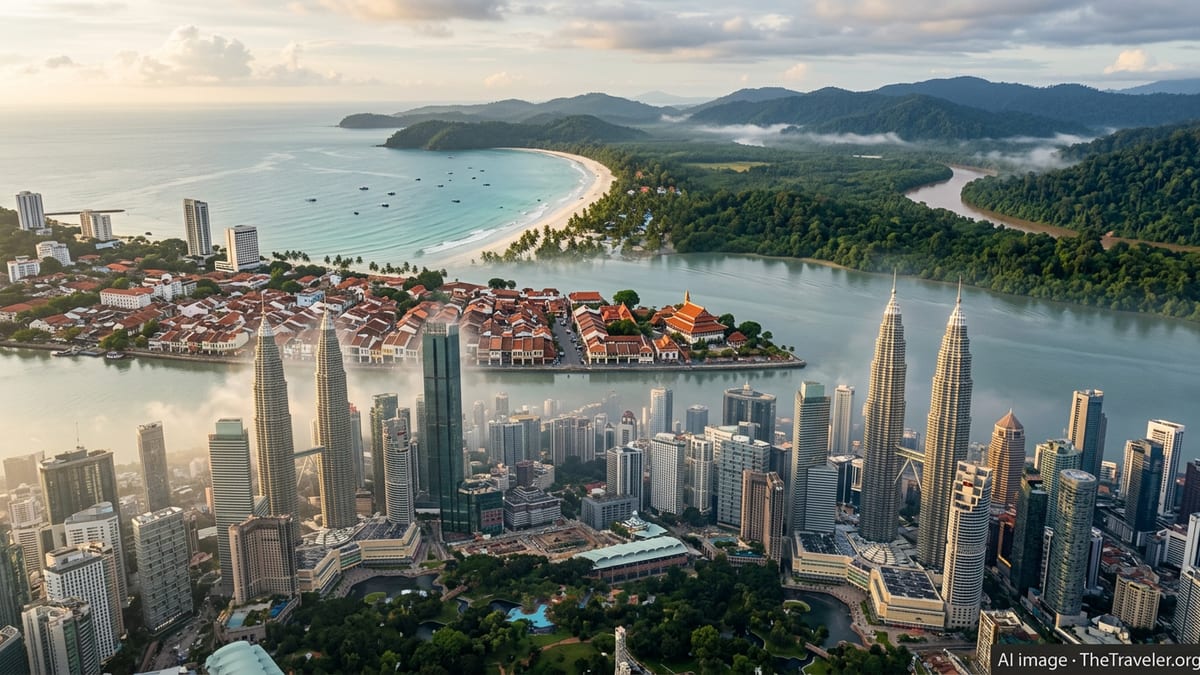
Kuala Lumpur: Buzzing Capital and Urban Bases
Most trips to Malaysia begin or end in Kuala Lumpur, and where you stay in the capital will shape how you experience the city. The central core is compact enough that you can move easily between districts by train, light rail and e-hailing taxis, but each neighbourhood has a distinct character. First time visitors often focus on three main areas: KLCC around the Petronas Twin Towers, Bukit Bintang in the so-called Golden Triangle, and the Chinatown and Old Town area around Petaling Street and Merdeka Square. Slightly further out, KL Sentral, Bangsar and a handful of gentrifying districts appeal to repeat visitors and longer stays.
KLCC suits travellers who want a polished, modern base. This is the business and shopping heart of Kuala Lumpur, dominated by the Petronas Twin Towers, office towers and high-end malls. Hotels here tend to be international brands and upscale serviced apartments, many with skyline views and rooftop pools. You are within walking distance of a large central park, air conditioned walkways that connect to nearby malls and an increasingly lively restaurant scene. KLCC works especially well for short stays, conferences, high comfort city breaks and anyone who values walkability and predictable infrastructure.
Just to the south, Bukit Bintang is denser, louder and more playful, with neon shopping streets, new malls, rooftop bars and a concentration of nightlife and street food. It is one of the most convenient places to stay for first time visitors because you can walk to many attractions, hop on the monorail or MRT and enjoy late night dining. Accommodation ranges from five star hotels and stylish serviced apartments to midrange city hotels tucked down side streets. Expect more noise and crowds, especially in the evenings, but also a strong sense of energy.
Chinatown and the surrounding Old Town appeal to travellers who prioritise heritage, character and food over sleek high rises. Around Petaling Street you will find traditional shophouses, temples, art-filled alleys and a growing cluster of small design hotels, hostels and guesthouses. This area is often more budget friendly than KLCC and Bukit Bintang and has easy connections by train and bus. It is a good choice if you enjoy photographing historic streets, browsing markets and staying in smaller, more personal properties, while still being only a short ride from the main commercial core.
Alternative Neighbourhoods in Kuala Lumpur
Beyond the obvious trio, several other neighbourhoods work well as a base depending on your priorities. KL Sentral, to the south of the city centre, is built around the main rail hub, with direct links to the airport express train, intercity lines and several urban rail systems. This area is practical for short stopovers, early flights or rail-based itineraries, and offers modern business hotels, serviced apartments and midrange properties in adjacent districts such as Brickfields. The surroundings feel less atmospheric than Bukit Bintang or Chinatown, but the transport convenience is hard to beat.
Bangsar, a little further out, has grown into a popular residential and nightlife district. It mixes low rise housing with small malls, cafes, bars and independent restaurants that attract both locals and expatriates. Accommodation here leans towards serviced apartments and boutique hotels rather than large towers. Bangsar can be appealing if you prefer a slightly quieter, more local-feeling base while still having easy train and ride-hailing access to the city centre. It works well for digital nomads, repeat visitors and longer stays where day to day comfort matters more than walking distance to the Petronas Towers.
Other emerging city neighbourhoods, including Chow Kit and Kampung Baru, are gradually attracting new hotels, cafes and apartments while retaining strong community character. These areas are closer to traditional markets and local food scenes, and they offer more space and better value than the very central districts. They may not be the first choice for a two night city break, but they reward travellers who enjoy exploring on foot and do not mind relying on trains and ride-hailing for some journeys. Wherever you stay in Kuala Lumpur, aim to be near a rail station to minimise time lost in traffic, especially during evening rush hours and rainy periods.
Penang: George Town Heritage and Beach Escapes
Penang offers one of the most distinctive contrasts in Malaysia, pairing a historic city core with palm-lined beaches along the northern coast. Most visitors base themselves either in George Town, the island’s capital and a UNESCO listed historic city, or along the beaches at Batu Ferringhi and nearby stretches. For a cultural city break with food and architecture at the forefront, George Town is usually the best choice. For a more traditional seaside holiday, the beaches north of the city are appealing, though they sit some distance from the museums, street art and markets.
Within George Town, the inner city streets around Armenian Street, Chulia Street and Love Lane are dense with restored shophouses, clan houses, temples and colonial era buildings. Here, accommodation ranges from simple guesthouses in narrow lanes to beautiful heritage hotels that have converted entire rows of shophouses into atmospheric places to stay. This is a walkable, compact area where you can step out each morning to coffee shops, kaya toast stalls and murals, and wander to hawker centres or night markets in the evening. Noise levels can be higher on streets with many bars and hostels, so light sleepers may prefer quieter side streets or heritage hotels set around courtyards.
Northwest of the historic core, the seafront boulevard of Gurney Drive and adjoining areas such as Pulau Tikus offer a more modern, slightly more residential base. High rise condominiums, newer hotels and serviced apartments dominate, often with partial sea views, pools and on-site parking. This area is popular with visitors who enjoy contemporary shopping centres, air conditioned food courts and newer hawker centres, while still being a short drive or ride into the historic core. It suits families and travellers who like a blend of urban convenience and sea breezes without committing fully to a beach resort stay.
Further north, Batu Ferringhi and nearby coastal stretches finally deliver the classic beach setting many travellers picture when they think of Penang. Long sandy beaches are lined with large resorts, smaller beach hotels, seaside cafes and water sport operators. Sunsets can be spectacular, and night markets provide a relaxed evening focus. The trade-off is distance from George Town, which can mean a drive of half an hour or more depending on traffic. Batu Ferringhi tends to suit families, couples and travellers whose priority is time by the pool and sea, with visits into the city arranged as day trips rather than daily commutes.
Choosing the Right Base in Penang
When deciding where to stay in Penang, consider how you want to divide your time between food, culture and the beach. Travellers who are especially interested in street food, heritage architecture and photography usually find that staying in or near the George Town core makes sense. The ability to step out for early morning kopitiam breakfasts, explore side streets before the heat builds and wander to night markets without needing a taxi is a major advantage. Heritage hotels also provide a sense of place that is distinctively Penang, with tiled floors, inner courtyards and conserved facades.
If you are travelling with children or planning a more relaxed, resort-style break, basing yourself at a beach property can be more comfortable. Larger resorts in Batu Ferringhi and surrounding areas tend to offer kids’ clubs, multi-level pools, on-site activities and all day dining, which simplifies logistics for families. You can still organise trips into George Town by taxi or tour, but your daily rhythm will revolve around the sea and resort facilities. Couples on short breaks sometimes split their stay, spending a few nights in the city followed by a few nights on the coast to sample both sides of Penang.
Infrastructure across Penang continues to evolve, with new waterfront parks, improved coastal promenades and upgraded roads changing how different areas connect. For now, traffic between George Town and Batu Ferringhi can be slow at peak times, so it is wise to cluster your activities based on where you are staying. Whichever base you choose, Penang’s relatively compact size means that nothing is truly remote, and a well planned itinerary will let you experience both heritage streets and coastal scenery during a single stay.
Langkawi: Island Bases and Beach Personalities
Langkawi, off Malaysia’s northwest coast, is one of the country’s most established island destinations, prized for its relaxed pace, duty free shopping and variety of beaches. Most visitors choose among a handful of main areas, each with a distinct personality: Pantai Cenang and neighbouring Pantai Tengah on the southwest coast, quieter coves like Pantai Kok, more secluded northern beaches such as Tanjung Rhu, and a scattering of inland eco-lodges and homestays. The right base depends on how much nightlife, dining choice and seclusion you want.
Pantai Cenang remains the liveliest stretch of sand on the island. The main road behind the beach is lined with casual restaurants, bars, shops and smaller hotels, and the beachfront itself hosts a mix of midrange resorts, guesthouses and a few higher-end properties. It is busy by island standards, with water sports, sunset gatherings and music from bars, especially in high season and on weekends. This area suits first time visitors, budget travellers and anyone who values easy access to amenities and tour operators. From here it is straightforward to arrange island hopping, mangrove tours and cable car visits.
Just south, Pantai Tengah offers a more subdued version of the same scene. The beach is broad and comparatively quieter, with low rise resorts, boutique hotels and villas hidden among greenery. Dining and bar options still exist, but the atmosphere is gentler, and it is possible to walk along sections of the beach in the early morning without many other people around. Couples and families who want access to Cenang’s facilities but prefer to retreat to a calmer base often choose this area. Many properties here focus on privacy and landscaped gardens rather than large scale nightlife.
Further afield, beaches like Pantai Kok and Tanjung Rhu cater to travellers seeking seclusion and higher-end stays. Here you will find upscale resorts and villas often set amid rainforests or along quiet stretches of sand, with more emphasis on nature, spa treatments and slow-paced relaxation. These resorts typically have their own restaurants, pools and activity desks, meaning you can spend most of your time on-site. Staying in these areas makes sense for honeymooners, special occasion trips and travellers who are happy to rely on private transfers and on-site facilities instead of exploring the island’s busier strips each evening.
Langkawi for Different Travel Styles
For many visitors, a key question is whether to base entirely in Pantai Cenang or split time between Cenang and a quieter area. If your trip is short and you enjoy having many dining choices within walking distance, staying in or near Cenang simplifies things. You can sample local food, compare tour operators on the street, shop in the evenings and easily flag down taxis or use e-hailing services. The trade-off is more noise, crowds and a less pristine feel along parts of the beach, especially where development has been intensive.
Travellers with more time, or those planning a more restful holiday, often prefer Pantai Tengah or one of the quieter beaches. In these areas, evenings might involve dinner at a beachfront restaurant followed by a walk under relatively dark skies, with stars visible on clear nights. You will rely a bit more on transport for excursions, but day trips to the cable car, mangroves or island hopping tours remain manageable. Inland, a small but growing number of eco-lodges and homestays offer experiences focused on rice paddies, forest walks and local village life, providing an alternative to the coast.
Langkawi’s accommodation stock has evolved over the past decade, with more boutique properties and high-end resorts joining long-standing beach hotels and family-run guesthouses. When choosing where to stay, look beyond simple star ratings and pay attention to the exact location on the island, beach access and whether the property fronts a quiet or busy stretch of road. This will matter more to your overall experience than having a slightly larger room or one extra facility, especially if tranquillity or easy swimming access is a priority.
Borneo: Sabah, Sarawak and Nature-Focused Stays
Malaysian Borneo, encompassing the states of Sabah and Sarawak, offers a very different style of stay compared with Peninsular Malaysia. Here, the focus shifts to rainforests, coral islands, rivers and mountains, and your choice of base often reflects which natural environments you want to experience. In Sabah, many travellers split their time between Kota Kinabalu as a hub, the cooler highlands around Kundasang, island or coastal resorts near the city, and wildlife destinations such as the Kinabatangan River or forest reserves. In Sarawak, Kuching serves as a gateway city to nearby national parks and longhouse regions.
Kota Kinabalu, Sabah’s coastal capital, functions as the main entry point for northern Borneo and a handy overnight base between flights, islands and highland excursions. The city’s waterfront area and downtown streets host a mix of midrange hotels, international chains and smaller inns. Staying in the city centre puts you within walking distance of local markets, seaside food courts and the ferry terminal for offshore islands in nearby marine parks. Several resort complexes located just outside the centre provide more resort-style stays with pools, private stretches of coast and on-site activities while remaining only a short drive from the city’s restaurants and markets.
For cooler air and mountain scenery, many visitors head inland to Kundasang and surrounding highland villages near Mount Kinabalu. Accommodation here ranges from simple homestays and small lodges to more modern villas and cabins perched on hillsides, often facing the mountain. Weather can change quickly, with mist rolling through valleys and temperatures dropping at night, which adds to the appeal for travellers seeking a contrast from the lowland heat. This area suits nature lovers, photographers and families who enjoy farm visits, short walks and scenic drives, rather than nightlife or extensive shopping.
Wildlife experiences in Sabah often centre on rivers and forest reserves further east, such as areas along the Kinabatangan River or forest lodges near well-known reserves. Here, lodges are usually accessible by boat or longer drives and include guided activities like river safaris, night walks and visits to conservation centres. Stays tend to be on a full board basis because there are no surrounding restaurants or shops. Choosing these lodges is less about the facilities in your room and more about proximity to wildlife habitats, guiding quality and the overall experience of being immersed in rainforest and river landscapes.
Staying in Sarawak and Planning Your Borneo Itinerary
In Sarawak, the riverside city of Kuching provides one of the most atmospheric urban bases in Borneo. The historic waterfront promenade, compact Old Town and streets lined with shophouses create a relaxed, walkable core that is a pleasure to explore between day trips. Accommodation options include restored heritage hotels, modern city properties and guesthouses tucked into side streets. Kuching works well as a multi-night base from which to visit nearby national parks and wildlife centres, returning each evening to a choice of riverfront dining and local food stalls.
From Kuching, popular day and overnight excursions lead to coastal and forest parks where you can hike through jungle trails, look for proboscis monkeys and other wildlife, and visit beaches and mangroves. Some travellers also arrange overnight stays in longhouse communities or rural lodges, which provide insight into local cultures and traditional ways of life. These stays vary from simple homestay-style accommodation to more structured lodges with dedicated guest rooms and hosted activities. The level of comfort is often lower than in city hotels, but many travellers consider the cultural and natural experiences to be among the highlights of their time in Borneo.
Planning a Borneo itinerary often involves balancing time in functional city bases like Kota Kinabalu and Kuching with immersive stays in highlands, river lodges and island resorts. Distances can be significant, and flights or long drives are common between key regions, so clustering your stays geographically is important. When choosing where to stay, consider not only comfort and budget but also how each base connects to the activities you value most, whether that is diving, mountain scenery, wildlife viewing or cultural encounters.
The Takeaway
Malaysia’s appeal lies in its variety, and nowhere is that more obvious than in the range of places you can call home for a few nights. Kuala Lumpur’s neighbourhoods offer everything from polished business districts to historic backstreets, while Penang balances a richly layered city core with relaxed beaches. Langkawi provides a spectrum of island bases, from lively strips to secluded coves, and Borneo shifts the focus toward mountain views, river safaris and rainforest stays.
There is no single best place to stay in Malaysia, only places that match different priorities. Travellers who thrive on city lights and easy transport may feel most at home in KLCC or Bukit Bintang, while those who live for food and heritage might gravitate toward George Town or Kuching’s riverside. Beach seekers can choose between Penang’s resort strips and Langkawi’s more spacious coastline, and nature lovers can head for Kundasang’s highlands or Sabah’s river lodges.
As you plan, think about the experiences you want close at hand each morning and evening. Then choose bases that keep those experiences nearby, even if it means one or two hotel changes over the course of your trip. With thoughtful planning, Malaysia’s cities, islands and rainforests can link together into a journey where each stay adds a distinct layer to the story of your travels.
FAQ
Q1. What is the best area to stay in Kuala Lumpur for first time visitors?
For a short first visit, areas around KLCC and Bukit Bintang are usually the most convenient, thanks to walkable access to malls, attractions, rail lines and a wide range of hotels.
Q2. Is it better to stay in George Town or Batu Ferringhi in Penang?
Stay in George Town if you prioritise food, street art and heritage; choose Batu Ferringhi if your focus is a beach and resort style stay with city visits as day trips.
Q3. Which beach in Langkawi is best for nightlife and dining?
Pantai Cenang has the liveliest mix of bars, casual restaurants and shops, making it the best choice for travellers who want nightlife and many dining options within walking distance.
Q4. Where should I stay in Langkawi for a quieter atmosphere?
Pantai Tengah, Pantai Kok and the northern beaches such as Tanjung Rhu tend to be quieter, with more emphasis on relaxation, nature and higher-end resorts.
Q5. Is staying in Kundasang worth it when visiting Sabah?
Yes, if you enjoy cooler temperatures, mountain scenery and a slower pace, an overnight or two in Kundasang or nearby highlands adds a very different experience to a coastal or city stay in Kota Kinabalu.
Q6. Do I need to stay inside a wildlife lodge to see animals in Borneo?
Staying in river or forest lodges near key wildlife areas increases your chances of dawn and dusk sightings and allows guided activities, which can be harder to arrange as simple day trips from cities.
Q7. Is it practical to split a stay between different areas in Malaysia?
It is common to split itineraries, for example combining Kuala Lumpur with Penang, or George Town with Batu Ferringhi, or pairing Langkawi with a nature-focused stay in Sabah or Sarawak.
Q8. Are Malaysia’s main tourist areas suitable for families?
Yes, areas such as Bukit Bintang, George Town, Batu Ferringhi, Pantai Cenang, Kota Kinabalu and Kuching all offer family-friendly hotels and relatively easy access to food, transport and activities.
Q9. How far in advance should I book accommodation in these destinations?
For peak periods such as major holidays and school breaks, booking several months ahead is sensible, especially for popular beach resorts and small heritage or boutique hotels.
Q10. Is it easy to find budget accommodation in Kuala Lumpur, Penang, Langkawi and Borneo?
Yes, all of these destinations offer guesthouses, budget hotels and hostels, particularly in central areas and near backpacker streets, though standards and facilities can vary, so recent reviews are helpful.