

Planning a first trip to India can feel overwhelming. It is a vast, complex country with wildly different landscapes, languages and traditions, and endless places that seem unmissable. The good news is that you do not need to see everything at once. With thoughtful planning, a first-timer itinerary can link Rajasthan’s royal cities, the Golden Triangle icons and the tranquil backwaters and beaches of Kerala into one coherent journey that feels rich rather than rushed.
How to Plan a First Trip to India
Most first-time visitors to India start in the north and work their way south, or vice versa. A classic route connects Delhi, Agra and Jaipur, then extends deeper into Rajasthan before flying down to Kerala. This balances intense historic cities with quieter stops in nature so that the trip feels energising, not exhausting. With India’s e-visa scheme now covering visitors from more than 160 countries and entry available through major airports including Delhi, Jaipur, Agra, Kochi and Thiruvananthapuram, it is easier than ever to create a multi-region itinerary on a single visit.
For a first-timer, ten to fourteen days is a realistic minimum. That allows time for the Golden Triangle plus one or two additional bases in Rajasthan, or the Golden Triangle combined with four to six days in Kerala. Distances in India are significant, so it is often best to fly between regions such as Jaipur or Delhi and Kochi, then rely on drivers or trains for shorter hops. Night trains and domestic low-cost airlines connect most of the hubs mentioned in this guide, but schedules can be subject to change, so factor in some flexibility.
While India rewards spontaneous travel, a degree of advance planning is helpful. From October 2025, foreign arrivals have been required to complete a digital e-arrival form before landing, and e-visas for tourism can usually be applied for entirely online. Processing times can vary, so apply well ahead of travelling and always check official government sources for the latest requirements. Travel insurance that covers medical care, cancellations and delays is strongly recommended, particularly when combining multiple internal flights and train journeys.
The best time for a first trip that combines Rajasthan and Kerala is usually between November and March. Rajasthan’s desert air is cool and dry, while Kerala’s backwaters and beaches see relatively low rainfall after the southwest monsoon. Shoulder months like October and early April can bring warmer temperatures but fewer crowds and more competitive hotel rates. Summer in Rajasthan can be extremely hot, and the Kerala monsoon from roughly June to September brings heavy rain and some disruption to boat schedules.
Delhi: A Gentle Landing in India’s Capital
Delhi is often the first point of entry to India and can work as a surprisingly gentle introduction when approached in the right way. The city is effectively two destinations in one: New Delhi, with its leafy boulevards, diplomatic enclaves and modern restaurants, and Old Delhi, whose dense bazaars, Mughal monuments and chaotic traffic deliver the intense sensory experience many people associate with India. Staying in a calmer neighbourhood such as South Delhi or around leafy central districts can provide breathing space between forays into the older quarters.
For first-time visitors, highlights typically include Humayun’s Tomb, a striking 16th-century garden tomb that prefigured the architecture of the Taj Mahal, and the Qutub Minar complex with its soaring brick minaret and early Indo-Islamic structures. India Gate and the surrounding government precinct offer a sense of the city’s modern political life, while the National Museum and newer private galleries showcase India’s deep artistic heritage. Guided walks through Old Delhi can help visitors navigate Chandni Chowk, Jama Masjid and the surrounding alleyways in a way that feels immersive rather than overwhelming.
Delhi is also one of the best places in India to begin exploring regional cuisines in a controlled way. From classic north Indian thali and street-food favourites such as chaat and paratha to contemporary Indian restaurants reinterpreting traditional recipes, the variety is immense. Many hotels and tour operators now arrange curated street-food tours that prioritise hygiene and food safety, a reassuring option for travellers having their first experience of Indian street snacks.
Practical considerations matter in a megacity the size of Delhi. The metro system is extensive, air-conditioned and relatively easy to use, linking the airport with central districts and New Delhi Railway Station. App-based taxis are widely available and generally more predictable than hailing vehicles on the street. Air quality can deteriorate between late October and January, particularly after festival periods, so travellers with respiratory issues may wish to schedule their visit outside these peaks or plan more indoor activities during days of high pollution.
Agra and the Taj Mahal: India’s Iconic First Impression
For many first-time visitors, the Taj Mahal is the image that defines India. Agra, the city that hosts it, lies a few hours from Delhi by express train or highway, making it an easy early stop or even a long day trip. While the Taj dominates most itineraries, Agra also offers a cluster of other Mughal-era sites that help place the monument in its broader historical context and justify at least one night’s stay.
The Taj Mahal is typically at its most atmospheric at sunrise, when the marble surface glows softly and crowds are thinner. Many travellers also choose to return at sunset to see how the monument changes character as the light warms and fades. Beyond the Taj, Agra Fort, a vast red sandstone complex overlooking a bend in the Yamuna River, once housed the Mughal emperors and provides moody views back towards the ivory-white mausoleum. Nearby, the lesser-visited Itmad-ud-Daulah tomb, sometimes called the “Baby Taj,” showcases delicate inlay work in a quieter riverside setting.
First-timers should be prepared for intensive tout activity around the Taj Mahal and Agra’s main markets. Booking a licensed local guide in advance through a reputable operator can smooth logistics, offer insight into the complex history of the Mughal period and help negotiate practicalities such as ticketing and security queues. Many hotels and guides now encourage visitors to respect local dress norms and site rules, including restrictions on tripods, food and large bags inside the monument grounds.
Agra also serves as a good testing ground for navigating India’s transport systems. The Gatimaan and other express trains between Delhi and Agra have shortened travel times significantly, while new and upgraded highways mean that private car transfers are faster and more comfortable than they once were. From Agra, many itineraries continue west to Jaipur, completing the Golden Triangle, or head directly deeper into Rajasthan by train or road for those focused on the desert state.
Jaipur and the Golden Triangle Gateway to Rajasthan
Jaipur, the capital of Rajasthan and the final point on the classic Golden Triangle, is often the place where first-time visitors start to understand the layered appeal of India. Known as the Pink City for the terracotta-hued facades of its old quarter, Jaipur combines grand palaces and hilltop forts with vibrant bazaars, traditional crafts and an increasingly sophisticated hotel and restaurant scene. It also has its own international airport, making it a practical entry or exit point for itineraries that loop through northern India.
Key sights for a first visit include the hilltop Amber Fort, reached by road or on foot, where intricate mirror work and painted halls overlook a rugged landscape of hills and defensive walls. Back in the city, the City Palace complex and the 18th-century Jantar Mantar observatory highlight the artistic and scientific ambitions of the region’s former rulers. The Hawa Mahal, or “Palace of Winds,” with its latticed red and pink sandstone facade, is among India’s most photographed landmarks and sits beside busy streets that quickly convey the city’s energy.
Jaipur is a rewarding place to engage with traditional Rajasthani crafts at their source. Block-printed textiles, hand-knotted rugs, semi-precious stone jewellery and blue pottery are widely available, ranging from simple souvenirs to high-end design pieces. Visitors who prioritise ethical shopping may wish to seek out cooperatives and workshops that emphasise fair wages and sustainable practices. Cooking classes, home-hosted meals and evening cultural performances have also become popular ways for travellers to connect with local families and communities.
From Jaipur, it is straightforward to travel deeper into Rajasthan’s desert landscapes. New and upgraded road links connect the city with Jodhpur, Jaisalmer and Udaipur, and additional train capacity has been introduced to serve western Rajasthan’s growing tourism demand. With the region reporting record visitor numbers in recent peak seasons, advance booking for accommodation during major festivals and holidays is increasingly essential, particularly for smaller heritage hotels and desert camps.
Beyond Jaipur: Iconic Rajasthan for First-Timers
For many first-time visitors, Rajasthan is the highlight of a trip to India. After Jaipur, the natural next steps are usually Jodhpur, Jaisalmer and Udaipur, with the holy lakeside town of Pushkar or the hill station of Mount Abu occasionally added as slower interludes. Each of these destinations offers a distinct mood and landscape, which helps keep a longer Rajasthan journey varied rather than repetitive.
Jodhpur, often called the Blue City, is dominated by the massive Mehrangarh Fort, which rises from a rocky outcrop above a sea of indigo-washed houses. Exploring the fort’s ramparts, courtyards and museum galleries provides a vivid sense of Rajput military history and courtly life. Down in the old city, narrow lanes lined with spice shops, tailors and rooftop cafes offer some of the most atmospheric urban wandering in Rajasthan. Nearby villages on the desert fringe introduce visitors to rural life, traditional crafts and wildlife such as peacocks and antelope.
Jaisalmer, the Golden City, lies further west in the Thar Desert and feels almost like a mirage rising from the sand. Its golden sandstone fort, still inhabited and threaded with temples, guesthouses and family homes, is among the few living forts of its scale in the world. Outside the city, dune areas host camel and jeep safaris, with the option to stay in tented camps ranging from simple to luxurious. Responsible operators are increasingly focusing on low-impact practices, such as limiting generator use, managing waste carefully and employing local communities.
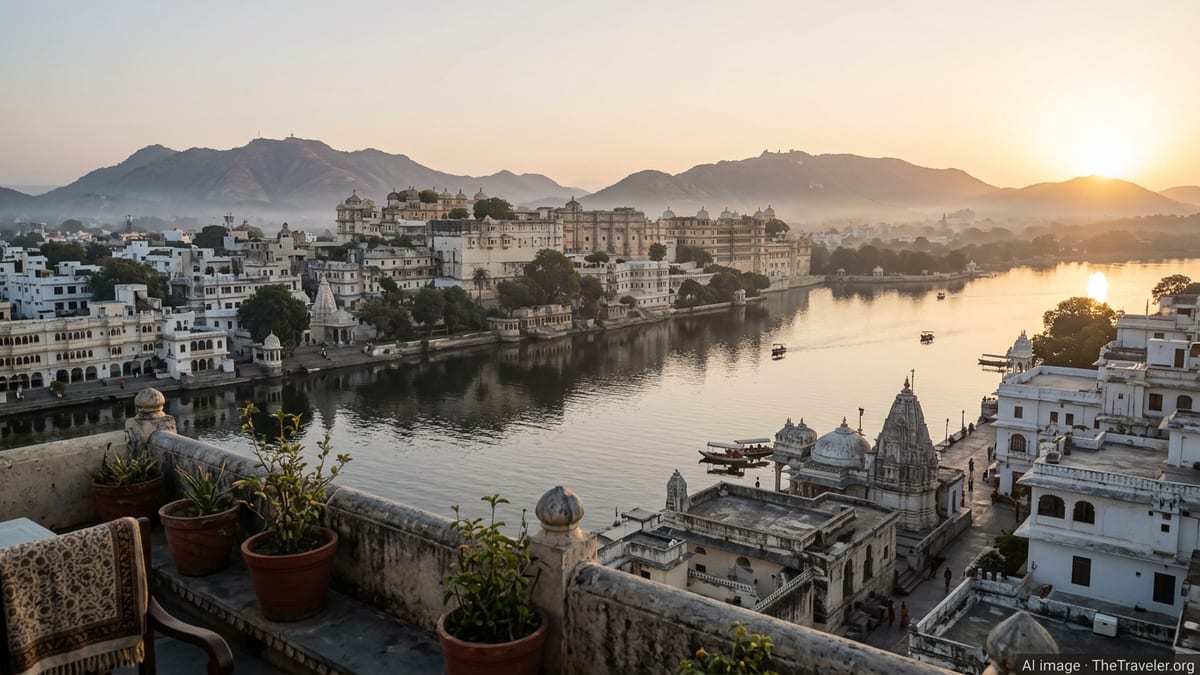
Udaipur, by contrast, is defined by water rather than sand. Set around Lake Pichola and fringed by low hills, it is frequently described as one of India’s most romantic cities. Whitewashed palaces and havelis line the shore, and evening boat rides offer memorable views of illuminated islands and the city skyline. Many visitors choose Udaipur as a place to slow the pace of a Rajasthan tour, lingering in cafes, exploring nearby temples and taking short walks into the surrounding countryside. The city also serves as a convenient jumping-off point for flights to Mumbai or to Kerala, making it a logical final stop before heading south.
Kerala: A Softer Side of India for First-Time Visitors
If Rajasthan delivers India at its most dramatic and regal, Kerala often feels like the country’s softer, more languid side. Located along the southwest coast, Kerala is known for its network of backwaters, emerald rice paddies, tea-covered hills and relatively relaxed pace of life. For first-time visitors, it can provide a restorative counterpoint to the intensity of northern cities, making it a popular second chapter to itineraries that begin in Delhi and Rajasthan.
The city of Kochi, often referred to as Cochin, is the usual starting point. Its historic Fort Kochi area, with faded colonial-era architecture, Chinese fishing nets and a growing contemporary art scene, is compact and easily explored on foot or by bicycle. From here, travellers typically head either inland to the hill station of Munnar or south to the backwaters around Alleppey and Kumarakom, sometimes adding the wildlife reserves of Thekkady or a beach stay near Varkala or Kovalam.
Practical access has improved steadily in recent years. Cochin International Airport now handles a significant share of India’s international arrivals and is well connected by domestic flights from Delhi, Jaipur and Udaipur. Road conditions on major tourist routes such as Kochi to Munnar and Kochi to Alleppey are generally good, though travel times can still be longer than distances suggest due to winding hill roads and local traffic. During the monsoon, landslides and localized flooding are possible in some areas, so travellers visiting between June and September should remain flexible and heed local advice.
Kerala is also known for its emphasis on health and wellness, including Ayurveda, traditional massage and yoga retreats. For first-time visitors, it is worth distinguishing between accredited medical centres and more commercial spa offerings. Many reputable resorts now combine modern amenities with Ayurvedic treatments supervised by qualified practitioners, but it remains advisable to disclose any medical conditions and avoid extreme detox regimes without professional guidance.
Kerala’s Backwaters, Hills and Beaches
The Kerala backwaters are often the centerpiece of a first-time visit to the state. The region around Alleppey and Kumarakom features a maze of canals, lagoons and lakes lined with coconut palms, small villages and rice fields. Travellers typically experience the backwaters in one of three ways: by staying on a traditional-style houseboat for a night or two, by booking a homestay or resort on the water’s edge and exploring by day boat, or by taking shorter daytime cruises without overnighting on the water. Each approach offers a different balance of comfort, immersion and budget.
Houseboat experiences can be memorable when chosen carefully. Many operators have upgraded boats with air-conditioned cabins and improved waste management, but standards still vary widely. To minimize environmental impact, look for newer or well-maintained boats that use proper onboard treatment systems and limit generator use at night. Travellers seeking more local interaction often prefer land-based stays with canoe or small-boat excursions through narrower canals, where it is easier to observe everyday life along the water.
Inland, Munnar has emerged as one of Kerala’s most popular eco-focused hill destinations. Rolling hills covered in tea plantations, cooler temperatures and viewpoints above the clouds make it a natural contrast to both the coast and the plains of northern India. Many visitors enjoy guided walks through tea estates, visits to small tea museums and gentle hikes in nearby protected areas. With growing visitor numbers, there is increasing emphasis on managing traffic and preserving fragile mountain ecosystems, so sticking to marked trails and following local regulations is especially important.
Further south, Kerala’s beaches provide a fittingly relaxed finale to a first India itinerary. Varkala, with its dramatic cliff-backed shoreline, and Kovalam, closer to Thiruvananthapuram, are long-established coastal resorts offering everything from simple guesthouses to upscale hotels. Sea conditions vary seasonally, and lifeguard flags should always be observed. Many travellers time their beach stay at the end of the trip as a decompression period before returning home, using the slower days to process the intensity and variety of experiences that India delivers.
Culture, Etiquette and Staying Healthy on the Road
One of the reasons India leaves such a lasting impression on first-time visitors is its cultural richness. In Rajasthan, festivals showcasing folk music, dance and camel fairs animate the desert through the cooler months, while Kerala’s calendar blends temple rituals, boat races and harvest celebrations. Whenever possible, incorporating at least one local festival, performance or village visit into an itinerary helps move a trip beyond sightseeing and into genuine cultural exchange.
Basic etiquette goes a long way towards smoothing interactions. Modest dress that covers shoulders and knees is appreciated in most parts of India, particularly in smaller towns and religious sites. Removing shoes before entering temples and some homes is standard, and photography may be restricted in certain sacred or security-sensitive areas. Asking permission before photographing people is polite, and many travellers find that a smile, a few words of local greeting and clear gestures foster warm responses even where language is a barrier.
Food is a highlight of any trip to India but is also a common source of anxiety for first-timers. Choosing busy, well-regarded restaurants and avoiding salads, ice in drinks and uncooked street foods in the early days of a trip can reduce the risk of stomach upsets. Bottled or filtered water is widely available, and many hotels now provide refill stations to reduce plastic waste. Hand hygiene is critical; carrying hand sanitiser and washing hands frequently, particularly before meals, is a simple but effective safeguard.
In terms of health and safety, consulting a travel clinic before departure is advisable to discuss recommended vaccines and any personal risk factors. India’s private medical facilities in major cities such as Delhi, Jaipur and Kochi are generally of good standard, but rural and small-town options can be limited. Comprehensive travel insurance that covers medical evacuation, trip interruption and lost luggage is prudent. As in any large country, petty crime can occur in crowded markets, at stations and around major monuments, so carrying only what is needed for the day and using hotel safes where available is a sensible habit.
The Takeaway
India rewards those who travel with curiosity and patience. For a first-time visitor, combining the Golden Triangle with selected highlights of Rajasthan and the gentler landscapes of Kerala offers a remarkably complete introduction to the country’s diversity without attempting to cover every region. Delhi and Agra ground the journey in India’s Mughal and modern histories, Jaipur and its sister cities of Jodhpur, Jaisalmer and Udaipur reveal Rajasthan’s royal and desert heritage, and Kerala’s backwaters, hills and beaches provide time and space to absorb it all.
Rather than racing from one checklist monument to the next, building in slower days, local experiences and moments of quiet observation tends to produce the most rewarding trips. India can be intense, but it is also deeply hospitable. By planning thoughtfully, respecting local customs and remaining open to the unplanned encounters that shape travel at its best, first-time visitors can lay the foundations for a lifelong relationship with the country.
FAQ
Q1. How many days do I need for a first trip to India that includes Rajasthan and Kerala?
Most first-time travellers allow around two weeks to combine the Golden Triangle with either additional Rajasthan stops or a short Kerala segment. Three weeks is more comfortable if you want both multiple cities in Rajasthan and several bases in Kerala.
Q2. What is the best time of year to visit both Rajasthan and Kerala on one trip?
Generally November to March offers the most pleasant conditions for this combination, with dry, cooler weather in Rajasthan and relatively low rainfall in Kerala after the southwest monsoon.
Q3. Is India’s e-visa still available for tourists and how early should I apply?
India continues to operate an e-visa system for citizens of many countries, and coverage has expanded in recent years. Requirements and processing times can change, so it is wise to check official sources and apply several weeks before travel.
Q4. Where should I start my first-timer itinerary: Delhi, Mumbai or Kochi?
Many first-time visitors begin in Delhi because it connects easily to Agra and Jaipur. Others prefer starting in Kochi for a gentler introduction before heading north. The right choice depends on flight options and personal comfort with big cities.
Q5. Are Rajasthan’s desert camps and camel safaris suitable for first-time visitors?
Yes, desert camps around Jaisalmer and Jodhpur are popular with first-timers, especially in the cooler months. Choosing reputable operators, checking safety standards and confirming what is included in the experience will help ensure a comfortable stay.
Q6. How can I travel between Rajasthan and Kerala most efficiently?
The simplest option is usually to fly between a northern hub such as Delhi or Jaipur and Kochi in Kerala. From there, hire cars, trains and local taxis can connect you to backwaters, hill stations and beach towns.
Q7. Is it safe to eat street food on a first trip to India?
Many travellers enjoy street food without issues, but first-timers often start cautiously. Choosing busy, well-regarded vendors, eating freshly cooked items and avoiding raw garnishes can help reduce the risk of stomach upsets.
Q8. Do I need to book trains and internal flights in advance?
For popular routes such as Delhi to Agra or Jaipur, and for peak travel months or festivals, advance booking is strongly recommended. Trains and domestic flights can sell out, and booking ahead allows more flexibility in arranging the rest of your itinerary.
Q9. What should I wear when visiting temples and historic sites in India?
Modest clothing that covers shoulders and knees is the norm at most religious and heritage sites. Carrying a light scarf can be useful, and shoes are usually removed before entering temples and some shrines.
Q10. Is India overwhelming for a first-time solo traveller?
India can feel intense, but many solo travellers have rewarding experiences, especially when starting with well-trodden routes like the Golden Triangle and Kerala. Choosing central, reputable accommodation, booking some guided days and allowing rest time between moves can make a solo trip feel more manageable.