

Few countries pack as much variety into a single trip as Malaysia. In one journey you can glide between glittering skyscrapers and old shophouse districts, lounge on coral-fringed islands, and trek through some of the world’s oldest rainforests. As Malaysia gears up for a renewed tourism push around Visit Malaysia Year 2026, its cities, islands, and jungle interiors are polishing infrastructure while trying to protect what makes them special in the first place: rich culture and remarkable biodiversity.
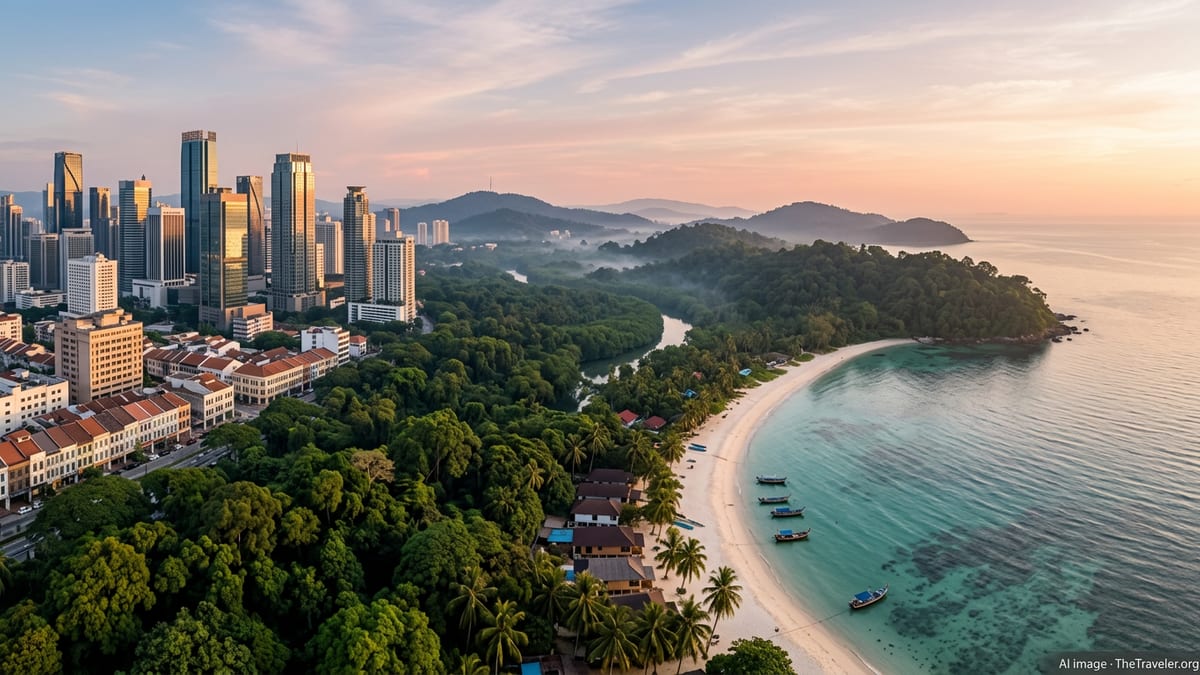
Kuala Lumpur and the Urban Heart of Malaysia
Malaysia’s capital, Kuala Lumpur, is often the first stop for international visitors and increasingly ranks among the world’s trending city destinations. The skyline tells a story of rapid modernisation, anchored by the Petronas Twin Towers and the newer Merdeka 118, while pockets of colonial architecture and traditional markets still hold their ground at street level. It is a city built for contrasts: air-conditioned megamalls steps away from centuries-old mosques, leafy parks tucked between elevated expressways, and hawker stalls that hold their own beside chef-driven restaurants.
For travellers, KL works best as a gentle acclimatisation to Malaysia. Neighbourhoods like Bukit Bintang and Chinatown put you close to public transport, night markets, and a constantly evolving food scene. Meanwhile, districts such as Bangsar and Damansara highlight the city’s more residential, lifestyle-focused side, with independent cafes and quieter streets. The city’s multicultural fabric, where Malay, Chinese, Indian, and many other communities share space, emerges in everything from temple festivals to breakfast plates.
One underappreciated angle of Kuala Lumpur is how quickly you can escape the concrete. The KL Forest Eco Park, with its canopy walk threaded through a patch of lowland rainforest, sits almost under the towers. Short trips out of the centre bring you to cave temples, riverside villages, and cooler hill areas, making the capital a convenient launching pad for the rest of the country.
With more airlines expanding routes into Kuala Lumpur International Airport and new attractions opening in the lead-up to 2026, the city is likely to feel busier in coming years. Planning ahead for peak travel seasons, and giving yourself at least two to three full days, allows time to see both its headline sights and slower neighbourhood rhythms before you head onward.
Penang and Melaka: History, Heritage, and Street Food
On the west coast, the historic port cities of George Town in Penang and Melaka showcase how centuries of trade shaped Malaysia. Both are UNESCO World Heritage-listed and walkable enough that you can explore much of their old quarters on foot, wandering past shophouses, shrines, mosques, and colonial-era administrative buildings.
George Town has developed a reputation as Malaysia’s most creative city, with heritage mansions converted into boutique hotels, a well-known street art trail, and a food culture that draws domestic tourists back again and again. The island geography means you can pair mornings in the old town with afternoons on nearby beaches or in the forested interior. Further inland, Penang Hill offers cooler air and views across the strait, a reminder of why the British once used it as a hill station retreat.
Melaka, further south, wears its layered past more visibly in the ochre-red Dutch-era buildings around Stadthuys Square and the riverfront. Portuguese, Dutch, and British influences sit alongside long-established Peranakan and Indian communities, especially in areas like Jonker Street. Even as new cafes and boutique hotels move in, the city’s main draw remains its heritage core and the sense of walking through successive chapters of Malaysian history.
Both Penang and Melaka work well as short city breaks from Kuala Lumpur, or as cultural anchors within a longer cross-country itinerary. If time allows, spending at least two nights in each helps you experience their atmospheres after the day-tripper crowds have gone, when the old streets quieten and riverside lights reflect softly on the water.
Langkawi and the West Coast Islands
For many visitors, the name Langkawi is almost synonymous with Malaysian beach holidays. This archipelago of 99 islands in the Andaman Sea is known for long, gently curving bays, mangrove forests, and rural interiors dotted with rice paddies. It also has one of the country’s more developed tourism infrastructures, with a range of accommodation from budget guesthouses to upscale resorts and family-oriented attractions.
On the main island, most travellers base themselves around Pantai Cenang and Pantai Tengah, where you find the broadest choice of places to stay and eat. A short drive brings you to quieter coves and viewpoints, while boat tours open up the surrounding islets and limestone formations. Inland, a cable car whisks visitors up to a ridge-top viewpoint and sky bridge, offering a sweeping view of the jungle meeting the sea.
Langkawi’s appeal lies partly in its year-round accessibility. While the east-coast islands of Peninsular Malaysia have more pronounced monsoon seasons with limited ferry services at certain times, Langkawi generally sees more consistent connections, making it easier to work into an itinerary. Beyond Langkawi itself, the west coast also offers gentler resort strips along the mainland, though these are typically more subdued than the island experience.
Travellers who value convenience and variety will likely find Langkawi a good fit, but those seeking untouched islands may prefer to look east. Still, as Malaysia leans into sustainable tourism campaigns, Langkawi’s mangroves, geopark status, and community-based tours are increasingly emphasised, offering more nature-focused experiences alongside classic beach downtime.
Perhentian, Redang, and Tioman: Coral-Fringed East Coast Escapes
On the country’s quieter east coast, the islands of Perhentian, Redang, and Tioman have become bywords for clear water, coral gardens, and sandy beaches. Collectively they attract hundreds of thousands of visitors each year, yet many still retain a low-rise, easygoing feel compared with larger regional resort hubs.
The Perhentian Islands, off Terengganu, are often the first choice for travellers who want accessible snorkeling straight from the beach. Two main islands dominate the scene: a busier one with more budget options and nightlife, and a quieter one favoured by families and those who prefer evenings under the stars to loud music. Water taxis knit the coves together, making it easy to hop between beaches during a short stay.
Redang, a little further south, feels slightly more polished. Resorts tend to front wide arcs of sand with offshore reefs that are popular with both beginner snorkelers and certified divers. Tioman, accessed via Pahang’s coastal ports or regional flights when available, offers a different character again. Villages here are more spread out, with trails threading through the forested interior and a mix of dive lodges and laid-back beach chalets.
Seasonality is crucial when planning a visit to these islands. Sea conditions and ferry schedules on the east coast are heavily shaped by the northeast monsoon, which typically brings rougher seas and rain in the year-end and early-year months. For calmer waters and the best visibility, many travellers time trips between roughly March and September, always checking current local advice before booking. When the weather cooperates, these islands deliver some of Malaysia’s most memorable coastal scenery, especially for those who want to spend most of their time in or on the water.
Taman Negara, Endau-Rompin, and Peninsula’s Ancient Rainforests
Beyond the coasts, Peninsular Malaysia shelters remarkable tracts of ancient rainforest, some estimated to be more than 130 million years old. Taman Negara, whose name simply means “national park,” is the best known, protecting over 4,000 square kilometres of lowland and montane forest. Visitors typically arrive via riverboats or roads to a handful of gateway villages, from where they can access canopy walkways, night walks, and longer treks.
Part of the appeal of Taman Negara lies in experiencing the atmosphere of primary rainforest rather than expecting guaranteed wildlife sightings. While tigers, elephants, and other large mammals inhabit the park, they are shy and elusive. Instead, most travellers come away remembering the dense greenery, the rising chorus of insects at dusk, and the sight of mist pools over the canopy at sunrise.
Further south, Endau-Rompin National Park straddles the states of Johor and Pahang and is usually described as Malaysia’s second-largest national park on the peninsula. It feels more remote than Taman Negara, with tougher access, rougher trails, and a focus on multi-day treks and river journeys. This appeals to travellers who are comfortable with more basic facilities and want to experience rainforest with fewer other visitors around.
Other protected areas, such as Royal Belum State Park on the peninsula’s northern spine, add to the mosaic of forest reserves now drawing more attention as Malaysia promotes eco- and adventure tourism in the run-up to 2026. Wherever you choose, responsible travel practices matter: sticking to marked trails, travelling with licensed guides where required, and checking current regulations on park permits and overnight stays all help ensure these landscapes remain resilient in the face of rising visitor numbers.
Sabah and Sarawak: Borneo’s Wildlife and Highlands
Across the South China Sea, the Malaysian states of Sabah and Sarawak occupy a substantial share of northern Borneo, an island long associated with dense jungle, river journeys, and rare wildlife. For travellers, this is where Malaysia’s rainforest experience becomes even more immersive, with chances to see orangutans, proboscis monkeys, hornbills, and a web of other species in their natural habitats.
Sabah’s capital, Kota Kinabalu, acts as the main gateway, with offshore islands forming the Tunku Abdul Rahman National Park just a short boat ride from the city. Inland, travellers are drawn to the highlands around Mount Kinabalu, one of Southeast Asia’s most prominent peaks, and to river-based lodges where dawn and dusk boat safaris offer some of the region’s best wildlife viewing opportunities. Recent upgrades to trails and visitor infrastructure reflect a broader push to make ecotourism both more accessible and better managed.
Sarawak, with its capital in Kuching, offers another flavour of Borneo. Here, mangrove-fringed coasts and compact national parks sit within day-trip distance of the city, while interior journeys lead toward cave systems, traditional longhouses, and multi-day treks. Partnerships between the state tourism board and conservation organisations have focused on promoting responsible ecotourism, signalling a desire to balance visitor numbers with long-term habitat protection.
Travellers considering Borneo should be realistic about distances and logistics. Even with improved roads and flight connections, combining too many remote parks in a short stay can lead to rushed itineraries. Choosing one or two focus areas, such as a Kota Kinabalu and Kinabatangan River pairing in Sabah or a Kuching and Bako National Park combination in Sarawak, often results in a more rewarding and less exhausting trip.
Cameron Highlands and Malaysia’s Cooler Hill Stations
Highland retreats were once essential to colonial administrators seeking a break from tropical heat. Today, Malaysia’s hill stations still serve as cool-weather escapes for residents and visitors alike. Among them, the Cameron Highlands in Pahang remains the most famous, with rolling tea estates, vegetable farms, and mossy forests laced with hiking trails.
At altitudes where temperatures are often significantly cooler than on the coast, Cameron Highlands offers a different pace and palette. Tea plantations drape over slopes, with narrow roads winding between viewpoints and small town centres. Trails leading into the forest reward walkers with misty glades, pitcher plants, and sometimes leech-free hiking if conditions are dry enough.
Other upland areas, including Fraser’s Hill and Genting Highlands, each present their own character. Fraser’s Hill is quieter, with birdwatching and forest walks drawing those who prefer a slower, more nature-oriented stay. Genting Highlands, by contrast, is best known for its large entertainment and resort complex, with casinos and theme parks that appeal to a separate audience.
Whichever hill station you choose, it is worth planning for winding road journeys and cool evenings. Accommodation ranges from simple guesthouses to historic hotels and modern resorts. In peak domestic holiday periods, advance bookings are advisable, as many Malaysians head inland when coastal temperatures climb or school holidays begin.
Planning Your Route: Combining Cities, Islands, and Rainforests
With so many regions vying for a place on a Malaysian itinerary, the key is to accept that you cannot see everything in a single trip. Instead, it helps to think in arcs: a west-coast loop combining Kuala Lumpur, Penang, and Langkawi; an east-coast and islands journey built around the Perhentians, Redang, or Tioman with perhaps a night in Kota Bharu or Kuantan; or a Borneo-focused adventure in Sabah or Sarawak, optionally linked to a short city stay in Kuala Lumpur at the start or end.
Travel times and seasons matter more than distances on the map. While domestic flights knit the country together fairly efficiently, ferries and overland connections can be slower and more weather-dependent, particularly to the islands and deeper rainforest interiors. Many travellers plan around two main centres plus one nature focus for trips of 10 to 14 days, for example Kuala Lumpur and Penang with Taman Negara, or Kuala Lumpur with Kota Kinabalu and the Kinabatangan area.
Malaysia’s tourism authorities have emphasized sustainable and community-based experiences in recent years, especially as visitor numbers rebound and national campaigns look toward 2026. For travellers, this translates into a broader selection of homestays, guided nature activities, and cultural experiences that aim to share tourism benefits more widely. Staying a little longer in each location, choosing operators with clear environmental commitments, and respecting local customs all contribute to this trajectory.
Practicalities such as visa requirements, health precautions, and insurance are broadly straightforward for most visitors, though they vary by nationality and current regulations. Conditions can evolve as governments adjust policies, so it is wise to check the latest official advice shortly before travel and to build some flexibility into your route to account for weather or local events.
The Takeaway
Malaysia is at its best when you allow its diversity to shape your journey rather than trying to fit it into a single template. Some travellers fall for the rhythm of George Town’s lanes and never quite make it to the islands they planned; others arrive for a week of diving and leave captivated by the rainforest instead. There is room here for both spontaneous detours and carefully plotted routes.
Whether you are drawn by the neon and night markets of Kuala Lumpur, the layered histories of Penang and Melaka, the coral reefs of the Perhentians and Tioman, or the deep green silence of Borneo’s interior, each region offers a distinct but connected perspective on the country. Together, they form a mosaic that is more than the sum of its parts, linked by shared food traditions, multilingual conversations, and a growing awareness that nature and culture need to be stewarded, not simply consumed.
As infrastructure improves and international interest rises toward Visit Malaysia Year 2026, some destinations will become busier and more polished. At the same time, new community-led experiences and conservation initiatives are giving thoughtful travellers more ways to support local livelihoods and ecosystems. With a little planning around seasons and travel times, and a willingness to slow down in a few carefully chosen places, Malaysia rewards curiosity with depth as well as breadth.
FAQ
Q1. How many days do I need to see the best of Malaysia?
Most first-time visitors find that 10 to 14 days allows for a mix of one major city, one island, and one rainforest or highland area without feeling rushed.
Q2. When is the best time to visit Malaysia’s islands?
The west-coast islands such as Langkawi are generally visitable year-round, while east-coast islands like Perhentian, Redang, and Tioman usually have calmer seas and better visibility from around March to September.
Q3. Is Malaysia a good destination for first-time visitors to Southeast Asia?
Yes, Malaysia is widely considered beginner-friendly, with good infrastructure, English widely spoken in tourist areas, and a broad range of accommodation and transport options.
Q4. Do I need to book national park visits in advance?
For popular areas such as Taman Negara and key wildlife corridors in Sabah and Sarawak, it is sensible to reserve accommodation and guides ahead of time, especially during local school holidays and peak seasons.
Q5. Is it easy to combine Peninsular Malaysia with Borneo in one trip?
Domestic flights make it relatively straightforward to link Kuala Lumpur with cities like Kota Kinabalu or Kuching, but you should allow extra days for internal connections and avoid overloading your itinerary with too many regions.
Q6. Are the rainforests in Malaysia suitable for families and less experienced hikers?
Yes, many parks offer short, well-marked trails and canopy walks suitable for beginners, though more remote areas like parts of Endau-Rompin are best reserved for travellers comfortable with basic conditions.
Q7. Do I need special permits to hike or dive in Malaysia?
Standard visits to popular trails and dive sites usually require only local entry or marine park fees, but certain summits, remote treks, and specialised dive locations may involve advance permits arranged through licensed operators.
Q8. How should I choose between Langkawi and the east-coast islands?
Langkawi suits travellers who value year-round access, varied facilities, and easy logistics, while the east-coast islands tend to appeal more to those prioritising snorkeling, diving, and a simpler beach environment in the right season.
Q9. Is Malaysia safe for solo travellers?
Malaysia is generally considered safe for solo travellers, including solo women, provided you follow standard precautions, stay aware of your surroundings, and keep valuables secure in busy areas.
Q10. Can I rely on public transport to get around, or do I need to rent a car?
Public transport, including trains, buses, and domestic flights, covers most main routes, but renting a car can be useful for reaching smaller towns, hill stations, and some national park gateways where services are less frequent.