

The United Kingdom rewards curious travelers with a rare blend of historic cities, coastal drama and quietly beautiful countryside. From the energy of London to the windswept shores of the Scottish Highlands and the honey-stone villages of the English Cotswolds, each region offers a distinct flavor of culture, landscape and daily life. With major cultural events on the calendar and new attractions opening in 2025 and 2026, this is an ideal moment to explore the best places to visit across England, Scotland, Wales and Northern Ireland.
London: Classics, Neighborhoods and New Openings
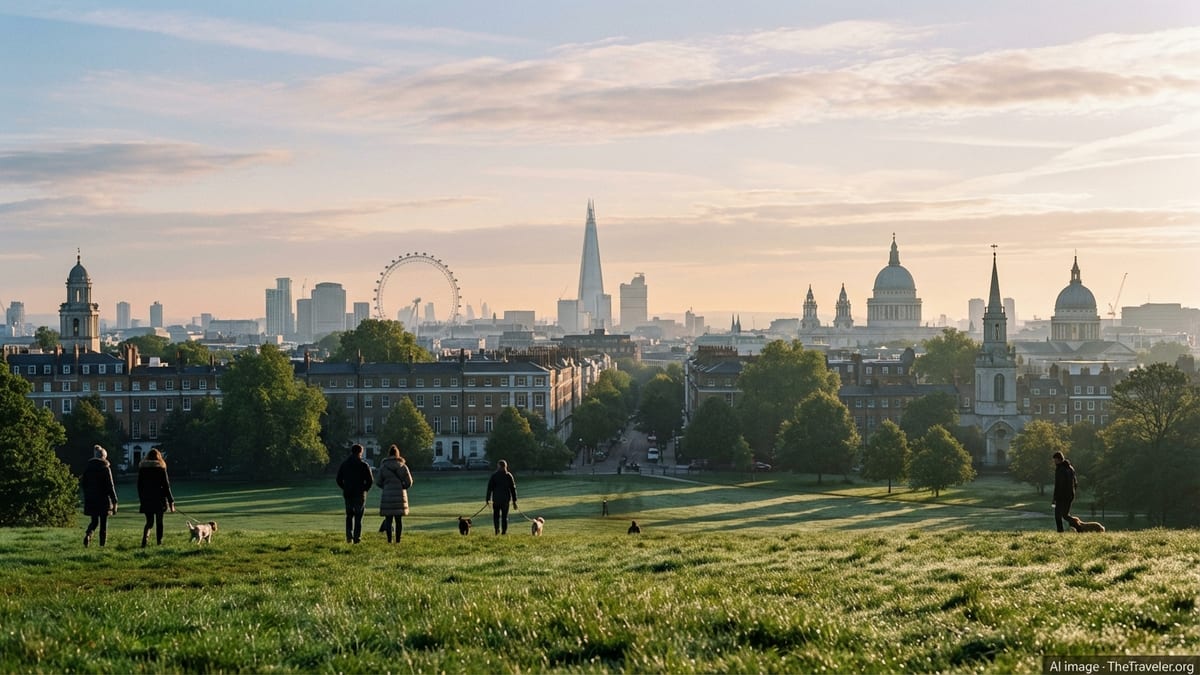
Few capitals can match London for sheer variety. The city remains one of the world’s most visited urban destinations, drawing tens of millions of international arrivals each year. Visitors are never far from a landmark, whether that is the Tower of London, the Palace of Westminster or the dome of St Paul’s Cathedral rising above the skyline. Yet London’s appeal in 2026 goes beyond its familiar icons, with ambitious cultural projects and fresh neighborhoods nudging travelers to look beyond the postcard views.
First-time visitors still gravitate to the historic core along the River Thames. The cluster of major museums and galleries in South Kensington and Bloomsbury can easily fill several days, from the British Museum and its global antiquities to the Natural History Museum with its dinosaur skeletons and interactive exhibits. Along the South Bank, the Tate Modern, the National Theatre and riverside performance spaces create a continuous ribbon of culture, street food and people-watching.
Recent and upcoming openings keep London feeling new even for repeat visitors. A dedicated Museum of Shakespeare in Shoreditch is set to add another layer to the city’s literary map, while the V&A East project in east London will showcase design and fashion in repurposed industrial spaces. Large-scale events such as the SXSW London festival promise to bring international music, technology and film talent to the capital, reinforcing its role as a global creative hub.
To balance the big-ticket sights, build in time for slower exploration of neighborhoods. In the East End, converted warehouses and canalside walks contrast with historic markets and community bakeries. North London’s village-like enclaves offer leafy streets and hillside parks with views over the city, while the southwest suburbs open onto the green expanse of Richmond Park and the Thames Path. The most satisfying London itineraries mix marquee attractions with everyday corners where locals live, work and unwind.
Edinburgh and the Scottish Highlands: History, Festivals and Wild Landscapes
Scotland’s capital, Edinburgh, is one of the United Kingdom’s most atmospheric cities, its skyline defined by a medieval castle perched on volcanic rock and terraces of Georgian townhouses sloping toward the sea. The Old Town’s cobbled closes and wynds feel centuries apart from the elegant New Town grid, yet the two districts sit side by side, making it easy to wander between grand squares and intimate courtyards in a single stroll.
Edinburgh’s cultural calendar peaks in August, when the Edinburgh Festival Fringe and a constellation of associated festivals transform the city into a stage. Performers fill every available space, from established theatres to repurposed churches and makeshift basement venues. Even outside festival season, however, the city buzzes with activity. Edinburgh Castle, the Royal Mile and the National Museum of Scotland anchor any visit, while the climb up Arthur’s Seat rewards with sweeping views over the Firth of Forth and the Pentland Hills.
From Edinburgh, the Highlands are within reach for travelers seeking dramatic scenery. Within a few hours’ journey, the urban stone gives way to lochs, glens and mountain passes that have become shorthand for Scottish wildness. The route toward Glencoe, for instance, unfolds through steep-sided valleys and shifting weather, with light that can change from silver to slate in minutes. For many visitors, the experience of simply driving or taking the train through these landscapes is as memorable as any specific attraction.
Lingering a few days in Highland towns and villages offers a gentler introduction to the region. Coastal communities along the west coast provide access to sea lochs and island ferries, while inland hubs serve as bases for hiking, wildlife watching and distillery visits. Accommodation ranges from traditional inns with stone fireplaces to contemporary eco-lodges. Where possible, consider traveling outside the peak summer months; late spring and early autumn often bring quieter trails and equally striking light.
The Lake District and Northern England: Literary Hills and Lakeside Quiet
In northwest England, the Lake District National Park gathers some of the country’s most celebrated scenery into a compact area of fells, lakes and stone-built villages. Long associated with Romantic poets and painters, the region still inspires with its interplay of water, sky and rugged slopes. On clear days, the reflections on Windermere or Derwentwater can be mirror-like; in wetter weather, waterfalls swell and low clouds lend the valleys a moody beauty.
Travelers can tailor their Lake District experience to their own pace. Gentle lakeside paths near towns such as Bowness-on-Windermere and Keswick appeal to casual walkers, while more demanding routes lead up peaks like Scafell Pike or Helvellyn. Boat services crisscross several of the main lakes, making it easy to combine walking, cruising and village exploration without relying solely on a car. Boutique guesthouses, traditional pubs with rooms and self-catering cottages provide a range of overnight options.
Beyond the Lakes, northern England offers further landscapes that see fewer international visitors. The Yorkshire Dales and North York Moors national parks serve up dry-stone walls, heather moorland and market towns that feel strongly rooted in local farming traditions. Dark skies festivals and stargazing events highlight the relatively low levels of light pollution in these upland areas, where on clear nights the Milky Way can be visible to the naked eye.
Cities in the north also warrant attention. Manchester and Leeds have reinvented themselves as creative, food-forward hubs built from former industrial wealth, with galleries, music venues and independent shops filling converted mills and warehouses. In 2025, Bradford in West Yorkshire will take on the mantle of UK City of Culture, with an extensive program of performances, exhibitions and community projects expected to draw new visitors to the region. Linking city breaks with time in the surrounding countryside can make for a well-rounded northern itinerary.
The Cotswolds and Rural England: Villages, Gardens and Gentle Countryside
For many visitors, the Cotswolds encapsulate a certain vision of rural England. Spread across several counties in the southwest and central part of the country, this designated Area of Outstanding Natural Beauty is defined by undulating hills and villages built from warm, honey-colored limestone. Church spires rise above patchwork fields, and narrow lanes thread between hedgerows to reveal traditional pubs, tearooms and village greens.
Base yourself in one of the region’s market towns to explore at a relaxed pace. Places such as Stow-on-the-Wold, Chipping Campden and Cirencester offer a mix of historic architecture and practical amenities, from bakeries to small supermarkets. Short drives or walks lead to smaller settlements and viewpoints, where you might encounter nothing more dramatic than sheep grazing or a thatched cottage framed by climbing roses. The appeal here lies less in major attractions and more in the cumulative effect of everyday scenes.
Rural England beyond the Cotswolds offers similar quiet pleasures. The New Forest in Hampshire, which marks a notable anniversary as a national park, combines ancient woodland with open heath and free-roaming ponies. East Anglia, highlighted by some travel authorities as an emerging region to watch, frames its low landscapes with big skies, windmills and flint villages, particularly in counties such as Norfolk and Suffolk. Many of these areas are well suited to cycling and gentle walking, with waymarked trails and country pubs for midday pauses.
Gardens and historic houses provide another lens on the countryside. Across southern and central England, estates open their grounds to the public, showcasing everything from formal parterres to wildflower meadows and kitchen gardens. Spring and early summer see particularly vivid displays of blossom and fresh greenery, while autumn can be rewarding for foliage and harvest-themed events. Checking seasonal opening times and pre-booking tickets for the most popular properties is advisable, especially during school holidays.
Coastal Escapes: Cornwall, the Welsh Coast and Northern Ireland
With thousands of miles of coastline, the United Kingdom offers a surprising range of seaside experiences. In England’s far southwest, Cornwall has long attracted surfers, walkers and holidaying families with its sweeping bays, fishing harbors and relatively mild climate. Towns such as St Ives and Falmouth combine maritime heritage with contemporary galleries and restaurants, while stretches of the South West Coast Path reveal rugged cliffs, sandy coves and Atlantic views that can feel far from the country’s urban centers.
Wales offers a different coastal character, mixing dramatic headlands with long, dune-backed beaches and fortified towns. Pembrokeshire, on the southwest tip, is often singled out for its wild scenery and abundant wildlife, including seabird colonies and occasional sightings of dolphins and porpoises offshore. Further north, the island of Anglesey and the Llyn Peninsula frame the approaches to Snowdonia’s mountains, creating opportunities to combine mountain hiking with sea views in a single trip.
Across the Irish Sea, Northern Ireland’s coasts have gained global recognition in recent years. The Giant’s Causeway, with its interlocking basalt columns, remains the headline attraction on the Causeway Coast, yet the surrounding area includes equally compelling cliffs, beaches and walking routes that see fewer crowds. The nearby city of Belfast adds urban context, with a revitalized waterfront, Titanic-focused museums and a growing food scene reflecting influences from across the island and beyond.
Wherever you head, coastal trips in the UK benefit from flexibility. Weather conditions can change quickly, particularly outside high summer, altering sea color, visibility and comfort levels on exposed paths. Building in extra days or alternative indoor activities, from maritime museums to seafood cookery classes, can help ensure that an overcast sky does not derail your plans.
Historic Cities and Cultural Hotspots: Bath, York and Beyond
Beyond London and Edinburgh, several mid-sized cities across the United Kingdom offer rich layers of history in walkable centers. Bath in southwest England stands out as a UNESCO-listed city whose entire historic core is recognized for its heritage value. Built around natural hot springs that first attracted the Romans, Bath later developed into a Georgian spa town whose crescents and terraces remain largely intact. Visitors today can tour the Roman Baths complex, step inside grand assembly rooms and stroll across the photogenic Pulteney Bridge.
In northern England, York compresses nearly two millennia of history within largely intact medieval walls. The city’s Gothic cathedral, York Minster, dominates the skyline, while the narrow street known as the Shambles evokes an earlier era with its overhanging timber-framed buildings. Museums interpret layers of Roman, Viking and later history, while contemporary cafes and shops keep the city firmly rooted in the present. Because York’s main sights cluster close together, it is feasible to explore much of the center on foot in a day or two.
Other cities are steadily building their profiles as cultural destinations. Liverpool continues to leverage its maritime history and musical legacy, adding contemporary art spaces and waterfront attractions that appeal to a broad spectrum of visitors. Oxford and Cambridge, with their collegiate architecture and riverfront meadows, provide a window into the country’s academic traditions. Smaller urban centers such as Bristol and Nottingham are investing in new cultural infrastructure, from planetariums to regenerated docklands, reflecting a national push to spread major attractions beyond the capital.
Staying overnight in these cities allows time to appreciate their atmosphere after day-trippers have left. Evening ghost walks, theatre performances and riverside strolls show a different side to streets that may feel crowded at midday. Many of the most rewarding experiences are simple ones: listening to an organ recital in an ancient church, discovering a tucked-away bookshop or lingering over a meal in a family-run restaurant that has served locals for generations.
The Takeaway
Choosing the best places to visit in the United Kingdom is less about ticking off a predefined list and more about matching regions to your interests and travel style. London and Edinburgh deliver big-city energy, headline attractions and dense layers of history. The Lake District, Cotswolds and other rural areas invite a slower pace amid landscapes that have inspired generations of writers and artists. Coastal regions in Cornwall, Wales and Northern Ireland open onto sea views and cliff paths that can feel surprisingly remote for such a densely populated country.
Recent cultural designations, new museums and evolving events calendars mean that even familiar destinations are changing. Cities like Bradford, Bristol and Nottingham are stepping into the spotlight with fresh reasons to visit, while established favorites continue to refine how they welcome guests. For travelers, this dynamism translates into more choice and more chances to connect with local communities, whether through festivals, food markets or guided walks led by residents who know their streets intimately.
Wherever you go, a few principles will help you make the most of a UK trip. Plan ahead for major attractions and peak periods, but leave room in your schedule for detours and surprises. Consider traveling outside the busiest summer weeks to enjoy popular places at a slightly gentler tempo. Above all, balance the landmarks that first drew you to the United Kingdom with moments of unscripted discovery, whether that is a conversation on a train platform or a sunset glimpsed from a quiet hilltop footpath.
FAQ
Q1. How many days do I need for a first trip to the United Kingdom?
For a first visit focused on highlights, many travelers find 10 to 14 days workable. This typically allows time in London plus one or two additional regions, such as Edinburgh and the Scottish Highlands or the Cotswolds and Bath, without rushing constantly.
Q2. What is the best time of year to visit the UK?
Late spring and early autumn often offer a good balance of milder weather, longer daylight hours and fewer crowds than peak summer. July and August can be lively and enjoyable but are busier, especially in major cities and national parks.
Q3. Do I need a car to visit the best places in the UK?
You can see many top destinations using trains and buses, particularly cities such as London, Edinburgh, Bath, York and Manchester. A car becomes more useful in rural areas like the Cotswolds, parts of Wales and some sections of the Scottish Highlands where public transport is less frequent.
Q4. Is London too expensive compared with other UK destinations?
London typically has higher accommodation and dining costs than most other parts of the country. However, many museums are free to enter, and using public transport, staying in less central neighborhoods and mixing restaurant meals with picnics can keep expenses manageable.
Q5. Which UK destinations are most suitable for families?
Families often enjoy a mix of city and countryside. London offers interactive museums and parks, while coastal areas in Cornwall and Wales provide beaches and outdoor activities. The Lake District and some national parks also have family-friendly walking routes and visitor centers.
Q6. Can I visit Scotland and England in one trip?
Yes, many itineraries combine both. A common approach is to spend several days in London, then travel by train to Edinburgh and optionally continue into the Highlands. With around two weeks, you can sample both countries without spreading yourself too thin.
Q7. How far in advance should I book tickets for major attractions?
For popular sites such as the Tower of London, Edinburgh Castle or major exhibitions, booking a few weeks ahead is sensible during peak travel seasons. For smaller museums and many outdoor attractions, advance booking is either not required or only needed for specific time slots.
Q8. Are UK cities safe for solo travelers?
Most UK cities are accustomed to welcoming solo visitors and feel broadly safe when you follow standard urban precautions. Staying aware of your surroundings, avoiding unlit areas late at night and keeping valuables secure will help you travel with confidence.
Q9. What is the easiest way to travel between UK cities?
Intercity trains are often the fastest and most comfortable option between major hubs such as London, Edinburgh, Manchester and Bristol. Coaches usually cost less but take longer. Domestic flights exist for some longer routes, though journey times door to door can be similar to rail.
Q10. How can I experience local culture beyond the main attractions?
Consider attending local festivals, farmers’ markets, community theatre or live music events. Joining a small-group walking tour, staying in guesthouses or small hotels and visiting neighborhoods beyond the central tourist areas can also provide a more grounded sense of everyday life in the places you visit.