

Planning a first trip to Alaska can feel overwhelming. The state is vast, distances are long, and every brochure promises life-changing scenery and wildlife. The key is to think in regions. Each part of Alaska offers a distinct blend of landscapes, culture, and logistics, and choosing the right one or two regions will shape the entire feel of your journey. This guide breaks down the best regions in Alaska for first-time visitors, with realistic advice on what you can see, how to get around, and how to match Alaska’s wild scale with the time you actually have.
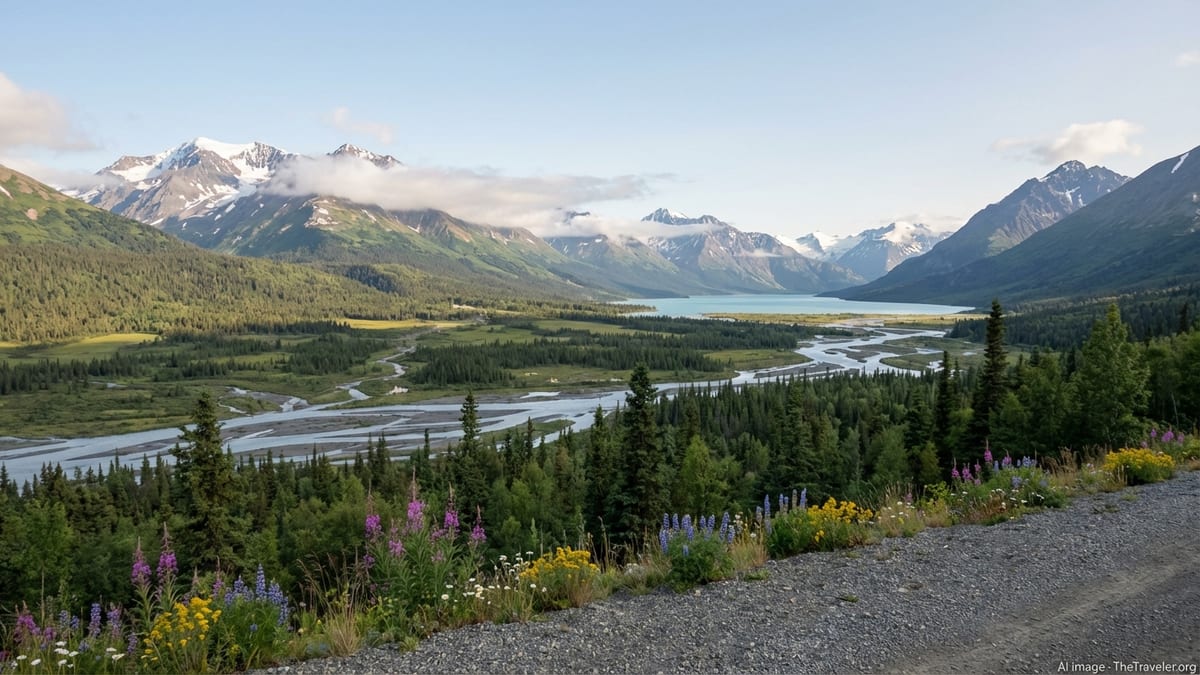
Understanding Alaska’s Main Visitor Regions
Alaska is more than a single destination. For travel planning, it helps to group the state into several major visitor regions: Southcentral (including Anchorage and the Kenai Peninsula), the Inside Passage or Southeast (the cruise-focused coastal strip from Ketchikan to Skagway and Juneau), the Interior (anchored by Fairbanks and Denali National Park), the Southwest (including Kodiak and the Alaska Peninsula), and the Far North and Arctic. Most first-time visitors focus on Southcentral, the Inside Passage, or the Interior, where infrastructure is stronger, activities are easier to arrange, and travel times fit into typical vacation windows.
Where you go depends largely on how you arrive. Many travelers come on round-trip or one-way cruises through the Inside Passage, often pairing a voyage with a land extension to Anchorage, Fairbanks, or Denali National Park. Others fly into Anchorage or Fairbanks and explore by road, rail, or small ship from there. Each region has its own best season, typical weather patterns, and signature experiences, so choosing thoughtfully can mean the difference between chasing clear mountain views and riding out days of coastal rain.
For a classic first look at Alaska, you cannot see everything in one go. A realistic strategy is to combine one coastal region with one inland hub, or to focus deeply on one area, such as Southcentral, and explore it in detail. The following sections outline what you can expect in each major region, with a practical eye on access, weather, budget, and the learning curve of traveling in America’s largest state.
Most visitors travel between mid-May and early September, when road and rail services are fully running and most tour operators are active. Shoulder months can be rewarding but bring more variable weather and fewer departures. Winter visits, while magical for northern lights and snow sports, are a specialized experience better suited to travelers who are comfortable with short daylight hours and cold conditions.
Southcentral Alaska: Anchorage, Kenai Peninsula, and Prince William Sound
Southcentral Alaska is the most versatile region for first-time visitors, anchored by Anchorage as the primary air gateway. From this hub, main highways and the Alaska Railroad connect you to the Kenai Peninsula, Talkeetna, and the Matanuska-Susitna Valley, while boats and small-ship cruises explore Prince William Sound and Resurrection Bay. For many, this region offers Alaska in microcosm: tidewater glaciers, fjords, coastal towns, mountain scenery, and accessible wildlife, all within a manageable radius of Anchorage.
The Kenai Peninsula, sometimes called “Alaska’s playground,” is particularly appealing to first-timers. Towns such as Seward and Homer provide a base for day cruises to see marine wildlife and tidewater glaciers, as well as sea kayaking, hiking, and fishing. Kenai Fjords National Park is one of the easiest places in the state to join a day trip past active glaciers and look for whales, puffins, sea otters, and porpoise. Road conditions are generally good in summer, and driving from Anchorage to Seward or Homer is itself a scenic highlight, passing glaciers, mountain passes, and coastal inlets.
Prince William Sound, typically accessed via Whittier or Valdez, offers a tangle of forested islands, waterfalls, and glacier-studded bays. Day cruises from these ports introduce visitors to the Sound’s intricate coastline, with good chances of spotting sea lions and seals on ice floes. For cautious first-timers, guided outings on stable tour boats provide a low-pressure way to experience wild waters and close-up ice without needing advanced skills or technical gear.
Southcentral is also a strong choice for travelers nervous about remoteness. Anchorage offers the amenities of a mid-sized city, including hotels across price ranges, museums, and a busy summer calendar. Weather can shift quickly, but summer temperatures are generally mild, and road infrastructure is stronger here than in more remote regions. For a one-week first visit, combining Anchorage with Seward and either Homer or Whittier creates a varied itinerary without requiring complex logistics.
The Inside Passage and Southeast Alaska: Alaska by Sea
The Inside Passage, also known as Southeast Alaska, is the classic cruise route and many visitors’ first and only glimpse of the state. Stretching from Ketchikan through Juneau to Haines and Skagway, this narrow coastal strip is defined by steep forested mountains, deep fjords, and a marine climate that brings frequent clouds and rain. For first-time visitors who prefer to unpack once and let the ship handle logistics, this region offers an accessible way to sample Alaska’s scenery, history, and wildlife.
Glacier viewing is a major draw. Larger cruise ships often route through areas such as Glacier Bay National Park or other glacier-filled fjords where rangers or local naturalists may join the ship to explain the landscape. Even on itineraries that do not include Glacier Bay, smaller fjords with tidewater glaciers offer dramatic views of ice calving and floating bergs. These days on deck can deliver some of the most memorable scenes of a first Alaska trip, sometimes with whales or porpoises surfacing in the distance.
Port calls highlight the region’s layered human history. Towns like Juneau, Ketchikan, and Skagway blend Alaska Native traditions with remnants of Russian and Gold Rush eras, plus contemporary fishing and tourism economies. Visitors can join guided walks, floatplane or helicopter excursions to nearby glaciers, and cultural experiences featuring local art, carving, or storytelling. For travelers nervous about self-driving in Alaska or who prefer not to manage daily hotel changes, cruise-based itineraries provide structure and predictability while still allowing for independent exploration in port.
The trade-off is less flexibility and a narrower view of the state’s interior landscapes. While Southeast is a rich and rewarding choice in its own right, it does not include the broad tundra and big mountain vistas many imagine when they think of Alaska’s interior. First-time visitors often pair a one-way cruise through the Inside Passage with a train or coach extension to Anchorage or Fairbanks to experience both coastal and inland regions. This combination offers a broad overview without requiring advanced planning skills or backcountry experience.
The Interior: Fairbanks, Denali National Park, and Beyond
Alaska’s Interior, centered on Fairbanks and Denali National Park, is the region most closely associated with vast tundra landscapes, big skies, and the state’s highest peaks. For many first-time visitors, this is where the trip truly feels like stepping into wilderness. Fairbanks acts as both aviation and road hub for the Interior. In summer, it provides nearly continuous daylight, access to river trips, and flightseeing, while in winter it becomes a launch point for northern lights viewing and cold-weather adventures.
Denali National Park is the signature attraction of the Interior and a bucket-list stop for many first-time visitors. The park protects a huge expanse of subarctic ecosystem centered on Denali, the tallest peak in North America. Access is structured: personal vehicles are limited on the park road, with shuttle and tour buses providing the primary way to go deep into the park. Recent landslide activity has affected part of the road, and current plans call for ongoing construction and limited access further into the park through at least the mid-2020s. Even so, the open stretch of road still offers broad valley views, wildlife watching, and trail access near the entrance area.
First-timers should approach Denali with flexible expectations. The mountain itself is frequently hidden by clouds, and wildlife sightings are never guaranteed. However, the park’s scale, silence, and sweeping vistas make it a powerful introduction to Alaska’s wild interior. Many visitors spend two or three nights in the Denali area, allowing time for a bus trip on the park road, a hike or two, and a visit to the park’s visitor center and working sled-dog kennels. For those who prefer independent exploration, nearby trail networks and scenic viewpoints along the highway provide a taste of the landscape without fully committing to long bus excursions.
Beyond Denali, the Interior includes mountains, river corridors, and smaller communities that are ideal for more adventurous first-time visitors who want to step slightly off the main circuit without going fully remote. Road-accessible state parks along the Parks Highway and the Richardson Highway offer campgrounds and trailheads, while multi-day river trips and flightseeing provide deeper immersion. Winter travelers focused on aurora viewing also look to Fairbanks and surrounding lodges as dependable bases, though such trips require preparation for subfreezing temperatures and very different daylight patterns compared with summer.
Southwest Alaska and the Alaska Peninsula: Wild Coasts for Adventurous Beginners
Southwest Alaska, including Kodiak Island and the start of the Alaska Peninsula, offers a more remote, wildlife-rich experience for first-time visitors who are comfortable with fly-in logistics and higher costs. This is a region of rugged coasts, active volcanoes in the distance, and abundant marine and terrestrial wildlife. Access typically involves flights from Anchorage to communities such as Kodiak or King Salmon, followed by boat or small aircraft excursions to surrounding islands, bays, or bear-viewing areas.
Kodiak Island is often the most approachable entry point to the region. The town of Kodiak has lodging, restaurants, and a working harbor atmosphere, while nearby parks and refuges offer hiking, fishing, and chances to see bears, eagles, and marine life. Weather here is strongly influenced by the North Pacific, so visitors should expect more clouds, wind, and rain than in many interior areas, along with lush vegetation and dramatic coastline. For first-timers drawn to wildlife photography or fishing, guided experiences based out of established lodges can provide a structured way to engage with this wilder side of Alaska without requiring expedition-level skills.
Further along the Alaska Peninsula and toward the eastern Aleutians, small lodges and seasonal camps offer bear viewing, sport fishing, and coastal exploration in truly remote settings. These trips are generally better suited to confident travelers who have already experienced more accessible parts of the state. However, some first-time visitors do choose to start here, especially if their main goal is a once-in-a-lifetime bear-viewing encounter in places where bears feed on salmon in river corridors and tidal flats. Such trips rely on small aircraft and boats, and weather can delay schedules, so a flexible itinerary and patience are essential.
For most first-time travelers, Southwest Alaska is best thought of as an optional extension to a more central route through Southcentral or the Interior. Adding three or four days on Kodiak or a fly-out bear-viewing trip from Anchorage can transform an already memorable itinerary into something truly singular, while keeping the rest of the journey grounded in regions with more predictable logistics and a wider range of accommodation.
The Arctic and Far North: A Glimpse Beyond the Road System
The Arctic and Far North region of Alaska, stretching above the Arctic Circle into tundra and coastal communities along the Arctic Ocean, offers a completely different perspective on the state. Here, treeline gives way to open tundra, permafrost shapes the landscape, and Alaska Native cultures have adapted over thousands of years to extreme seasonal swings in light and temperature. For first-time visitors, this region can be a powerful but challenging choice due to cost, weather, and limited infrastructure.
Most visitors reach the Arctic by air from Fairbanks or Anchorage, flying to hubs such as Utqiagvik or smaller communities along the Dalton Highway corridor. Some guided tours operate along parts of the Dalton Highway itself, providing an overland route across the Arctic Circle to viewpoints over the Brooks Range and beyond. These trips offer a tangible sense of scale and an understanding of how industrial infrastructure, such as the Trans Alaska Pipeline, intersects with fragile northern ecosystems.
For a first-time visitor, the main question is whether to prioritize the Arctic over more easily accessed regions given limited time and budget. The rewards include the chance to experience the midnight sun in early summer or northern lights in the darker months, and to learn about the history and contemporary realities of Alaska Native communities in the far north. The challenges include higher travel costs, less predictable weather, and fewer activity options compared with regions like Southcentral or the Inside Passage.
Many travelers choose to add a brief Arctic segment to an Interior-focused itinerary, flying north for a day or overnight visit from Fairbanks. This approach keeps the Arctic as a powerful highlight rather than the entire focus of a first trip, balancing the desire to “go as far as possible” with the practicalities of time, cost, and comfort in a very different environment.
How to Choose the Right Region for Your First Alaska Trip
Selecting the best region for a first Alaska visit comes down to aligning your expectations, interests, and comfort level with the realities of distance, cost, and climate. Begin by clarifying your priorities. If you imagine watching glaciers calve into the sea and exploring coastal towns, the Inside Passage and Southcentral’s fjord areas should be at the top of the list. If your mental picture of Alaska involves broad valleys, tundra, and mountains on the horizon, then the Interior and parts of Southcentral will feel closest to that ideal.
Next, consider your travel style. Travelers who like structure, prefer to unpack once, and are less interested in driving often gravitate toward cruises through Southeast Alaska, possibly with a short land extension by train or coach. Independent travelers comfortable with renting a car and changing hotels every few nights may find Southcentral ideal, combining Anchorage, Seward, and the Kenai Peninsula in a single road trip. Those who enjoy rail travel can integrate the Alaska Railroad into their plans, using it to link Anchorage with Seward, Talkeetna, and Fairbanks while watching landscapes roll by from panoramic windows.
Weather tolerance and flexibility should also guide your choice. Coastal regions tend to be cooler and wetter, with frequent clouds and rain that create dramatic moods but may obscure distant views. Interior areas often experience larger swings in temperature and can feel warmer and sunnier in mid-summer, though storms and smoky periods from wildfires are possible some years. Building rest days or flexible blocks into your itinerary allows you to adjust for changing conditions, shifting key activities to clearer windows when they appear.
Finally, factor in logistics and budget. Remote regions such as the Arctic or the Alaska Peninsula usually involve higher transportation costs and fewer budget lodging options. By contrast, Anchorage, Fairbanks, and the cruise ports of Southeast offer a wider range of accommodations and packaged experiences. For many first-time visitors, a thoughtful combination of accessible hubs and one or two carefully chosen “splurge” experiences, such as a glacier flightseeing tour or a day cruise into a national park fjord, creates a satisfying balance between cost and once-in-a-lifetime memories.
The Takeaway
Alaska’s sheer size means that no single trip can capture everything. Instead of trying to crisscross the entire state, first-time visitors are better served by focusing on one or two regions that resonate most with their interests and comfort level. Southcentral offers a balanced introduction to mountains, glaciers, and coastal life, all accessible from Anchorage. The Inside Passage specializes in dramatic fjords, forested islands, and port towns rich with history, typically experienced by cruise. The Interior showcases big landscapes and the country’s highest peak, with Denali National Park as its flagship destination.
More remote regions, such as Southwest Alaska, the Alaska Peninsula, and the Arctic, add layers of wildlife, culture, and solitude for those ready to handle more complex logistics and higher costs. They can transform a solid first trip into a truly singular journey, but they are best approached with realistic expectations about weather, transportation, and schedules. No matter which region you choose, giving yourself enough time in each place to slow down, absorb the light, and adjust to the rhythm of long days will deepen your connection to the landscape.
In the end, the “best” region in Alaska for first-time visitors is the one that fits your priorities and allows you to enjoy the experience without constant rushing. Whether you find yourself watching a tidewater glacier in Prince William Sound, scanning a Denali valley for wildlife, or walking the docks of a Southeast port town at midnight daylight, your first view of Alaska is likely to linger long after you return home. With thoughtful planning around regions, that first glimpse can be both manageable and unforgettable.
FAQ
Q1. What is the best region in Alaska for a first trip if I only have one week?
For a single week, Southcentral Alaska is often the best choice, combining Anchorage with the Kenai Peninsula or Prince William Sound for glaciers, wildlife, and manageable driving distances.
Q2. Should first-time visitors choose a cruise or a land-based trip?
Cruises through the Inside Passage are convenient and structured, while land-based trips around Anchorage, Denali, or the Kenai Peninsula offer more flexibility and deeper time on shore.
Q3. Is Denali National Park essential for a first visit to Alaska?
Denali is iconic but not mandatory. Many first-time visitors have a rewarding trip by focusing on Southcentral or Southeast alone, especially if time is limited to a week.
Q4. Which region is best for seeing glaciers up close?
Glacier viewing is strong in both Southcentral and Southeast Alaska. Day cruises from Seward, Whittier, or Valdez and itineraries that include glacier-filled fjords offer reliable close-up glacier experiences.
Q5. Where should I go in Alaska for the best chances of seeing wildlife?
Southcentral and the Interior are strong for land mammals such as moose and bears, while coastal areas in Southcentral and Southeast offer good opportunities to see whales, sea otters, and seabirds.
Q6. What is the easiest region for self-driving in Alaska?
Southcentral, including the highways between Anchorage, Seward, and Homer, offers well-traveled roads, frequent services, and a wide range of roadside viewpoints suited to first-time drivers in Alaska.
Q7. Is it realistic to visit both the Inside Passage and Denali on a first trip?
Yes, if you have 10 days or more. Many travelers combine a one-way cruise through Southeast with a train or coach extension to Anchorage, Talkeetna, or Denali National Park.
Q8. Which region should I choose if I am particularly interested in Alaska Native culture?
Southeast Alaska’s port towns, Southcentral hubs like Anchorage, and Arctic communities all offer cultural experiences. For a first trip, combining a major city with at least one smaller community often works well.
Q9. Is the Arctic suitable for first-time visitors to Alaska?
The Arctic can be part of a first trip, but it is remote and expensive. Many visitors start with Southcentral or the Interior and add a short Arctic visit as a focused extension.
Q10. When is the best time of year for a first visit, and does the ideal region change by season?
Most first-time visitors come between mid-May and early September, when services are fully open. In winter, Interior and Arctic regions are better for northern lights, while coastal areas see fewer visitors and more challenging conditions.