

California has a way of feeling familiar even if you have never set foot in the state. Its landmarks appear in films, its national parks in screen savers, its beaches and highways in car commercials. Yet nothing compares to experiencing the Golden State in person. From granite cliffs and ancient forests to neon boulevards and quiet coastal towns, California’s essential sights stretch from the Mexican border to the forests near Oregon. This guide focuses on the truly iconic attractions you should not miss, whether you are planning a first visit or returning to see more.
Golden Gate Bridge and San Francisco’s Bayfront Icons
Few structures symbolize California like the Golden Gate Bridge. Spanning the narrow strait between San Francisco and Marin County, its towers rise above the often misty waters of the bay, painted in the distinctive International Orange color that stands out in fog and sun alike. Walking or cycling across gives you a sense of its scale, with the Pacific on one side and the city skyline on the other, and the wind carrying the sound of distant ship horns. Morning and late afternoon are usually the most atmospheric, especially when low clouds drift beneath the roadway and the tops of the towers glow in clear light above.
To fully appreciate the bridge, plan time on both ends. On the San Francisco side, viewpoints in the Presidio and Crissy Field frame the bridge with sandy beaches and restored wetlands. On the Marin side, the Marin Headlands provide some of the most dramatic panoramas in the region, with winding roads leading to overlooks where you can watch the sun sink into the Pacific behind the bridge. Even a short detour to a viewpoint can feel like a complete experience, so it is a flexible stop whether you have an hour or an entire day.
Beyond the bridge, San Francisco’s waterfront remains one of California’s classic urban experiences. The Embarcadero curves along the bay past public piers, historic ferry facilities and modern parks, and it is easy to combine a bridge visit with time exploring neighborhoods like Fisherman’s Wharf or North Beach. Ferries depart the piers toward Alcatraz Island, offering a close-up look at the former prison and sweeping views back to the city. Even if you skip the island tour, watching boats move across the bay as the lights of the skyline come on at dusk is one of the state’s most memorable city scenes.
San Francisco rewards wandering, so do not hesitate to leave the water’s edge and climb a few hills for different perspectives. Iconic viewpoints such as Coit Tower, Twin Peaks and the steps leading up from the Castro reveal how the city fits into the broader geography of the bay. On a clear winter day, you may see snow-dusted mountains far inland behind the bridges and high-rises. On a foggy summer morning, you might find only the tops of the tallest buildings floating above a sea of white, a reminder that California’s climate can shift dramatically from one neighborhood to the next.
Yosemite National Park and the Sierra Nevada
Yosemite National Park is often described as the crown jewel of California’s wilderness, and its iconic landscapes live up to decades of praise. Sheer granite cliffs tower above meadows and the Merced River, with Half Dome and El Capitan forming a skyline that climbers and photographers around the world recognize instantly. Waterfalls plunge from hanging valleys in spring, particularly during peak snowmelt, and the valley floor fills with wildflowers and the fresh green of black oaks and dogwoods. Even in a state full of superlative vistas, Yosemite Valley feels unique, with dramatic scenery concentrated into a remarkably compact space.
First-time visitors typically begin in Yosemite Valley, where short walks lead to viewpoints such as Tunnel View, Sentinel Bridge and Cook’s Meadow. From these vantage points you can see the arcs of Bridalveil Fall and Yosemite Falls, the changing light on granite walls, and the interplay of clouds and shadow as weather systems move through. During busy holiday periods, shuttle buses can help you move around the valley floor while leaving your car parked, which often makes exploring less stressful. If you arrive early or stay late in the day, you will experience some of the quietest and most photogenic hours.
Beyond the valley, the park’s higher elevations provide a completely different sense of the Sierra Nevada. Tioga Road, when open in the snow-free season, crosses high-country meadows and passes trailheads that lead to alpine lakes and domes. Glacier Point road, also seasonal, offers one of the most expansive overlooks in the park, with a viewpoint directly across from Half Dome and down into Yosemite Valley. Conditions in these areas can change quickly, so it is wise to check the park’s official information for road openings, trail conditions and any reservation systems that may be in place during peak months.
Yosemite’s popularity means that planning ahead, particularly for summer and holiday visits, is increasingly important. Lodging inside the park often books months in advance, and nearby gateway communities such as Mariposa, Oakhurst and Lee Vining can fill up quickly in busy years. Visiting in shoulder seasons like late spring or early fall often brings a calmer experience, with cooler temperatures, less congestion on popular trails and a different palette of colors in the forests. Whenever you go, take time to step away from the main viewpoints for even a short walk into the surrounding forests. That is often where you begin to appreciate the quieter side of California’s most famous national park.
Pacific Coast Highway and the Big Sur Coast
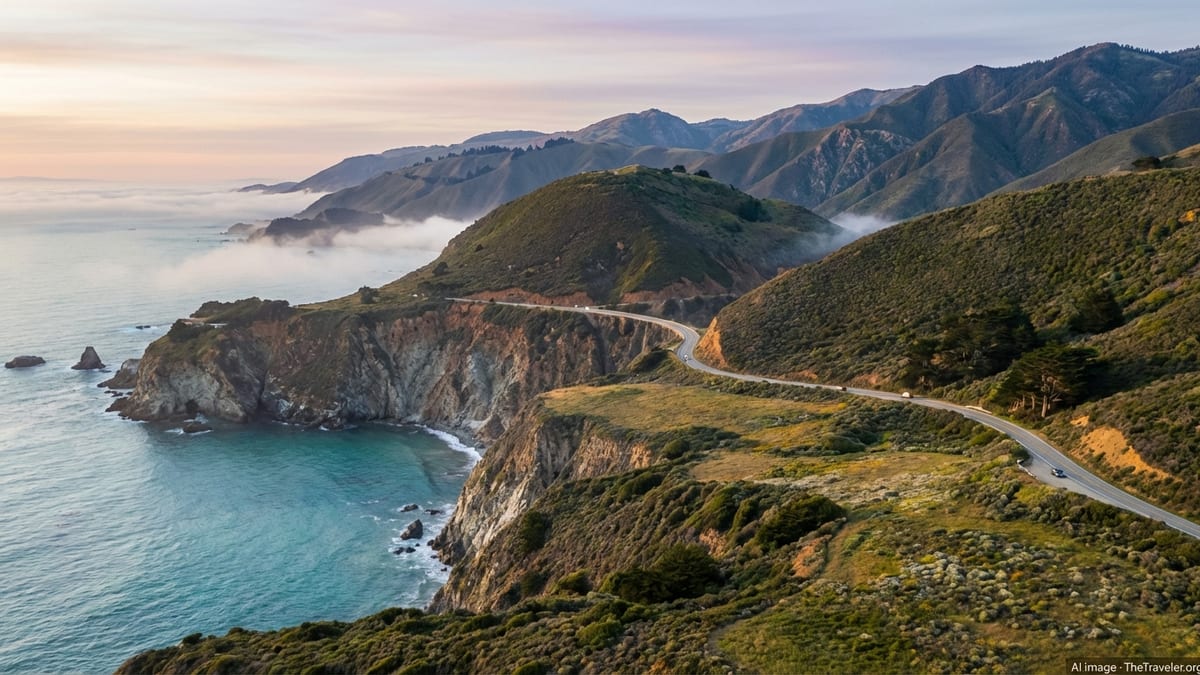
Driving California’s Pacific Coast Highway is a classic road-trip ambition, and the section along the Big Sur Coast is the most storied of all. Here the highway clings to steep cliffs above the Pacific, with hills dropping abruptly into surf and rocky coves. Pullouts reveal long views of headlands and offshore sea stacks, and in winter and early spring you may spot migrating gray whales offshore. The road itself becomes part of the experience, twisting through tunnels of cypress and coastal scrub before rounding a corner to reveal another sweeping vista.
Big Sur’s most famous landmarks, including Bixby Creek Bridge and a series of rugged state parks, can be explored as day stops or as part of a longer journey between Los Angeles and the Bay Area. It is wise to check recent road conditions, as this stretch of highway has a history of landslides and temporary closures, though by early 2026 the main coastal route was again fully open for through travel. Pulling into a viewpoint, stepping out to smell the salt air and listening to the wind and waves is a simple but powerful experience, and it costs nothing beyond your time and attention.
Beaches along this coast tend to be wild rather than gentle, with cold water, strong currents and steep drop-offs. For many visitors, the appeal lies less in swimming and more in walking shorelines, exploring tide pools and watching the changing light on the water. Inland from the highway, trails lead into redwood groves, up canyons toward waterfalls, and onto ridges with expansive ocean and mountain views. These hikes vary widely in difficulty, so you can find anything from a half-hour stroll to an all-day challenge, depending on your comfort level and conditions.
Because Big Sur has limited development, services such as gas, groceries and lodging are more spread out and can be more expensive than in urban areas. Booking accommodations in advance is almost mandatory in spring and summer, and even campsites often require reservations well ahead of time. It is also important to observe local rules about parking, fire safety and trail use, as authorities have become stricter in recent years to protect fragile environments. Treating the region with care helps preserve one of California’s most iconic coastal landscapes for future travelers.
Los Angeles, Hollywood and Southern California Beaches
Los Angeles is one of the world’s most recognizable cities, yet first-time visitors are often surprised by its sheer size and variety. Rather than a single downtown core, the metropolitan area is a patchwork of neighborhoods that each offer a different version of Los Angeles. Hollywood draws visitors with its historic theaters, the Walk of Fame and views toward the Hollywood Sign, while areas like Downtown, Silver Lake and the Arts District showcase evolving food and cultural scenes. For many, the real thrill lies in moving between these districts, watching the skyline shift and catching glimpses of studios and backlots along the way.
The city’s relationship with the film and television industry remains a strong draw. Studio tours in Burbank and Hollywood provide a behind-the-scenes look at working sets, soundstages and props, and it is not unusual to encounter active productions around town, especially on weekdays. At the same time, Los Angeles has become a major center for visual art, design and live performance, with museums, independent galleries and music venues scattered from the Miracle Mile to the east side. Visitors who plan time beyond the big-name sights often find that the city feels more approachable and layered than its reputation suggests.
Southern California’s beaches are central to the region’s identity, and several of the most iconic lie within easy reach of Los Angeles. Santa Monica offers a long stretch of sand adjacent to a lively pier and a dense, walkable downtown. Venice Beach, just to the south, is known for its boardwalk performers, skate park and canals, providing one of the most colorful people-watching scenes in the state. Farther down the coast, communities like Manhattan Beach, Laguna Beach and Huntington Beach each add their own twist, from upscale boutiques to surf-town energy.
Practical planning can make all the difference when exploring Los Angeles. Distances between attractions can be significant, and traffic is a reality at most hours, particularly on weekdays. Grouping sights by area, traveling during off-peak times when possible, and building some flexibility into your schedule will make the experience more enjoyable. Consider using a mix of driving, rideshares and transit, and remember that many of the city’s most satisfying moments come in quieter settings: a sunset walk on the beach, a lookout in the Hollywood Hills, or an early-morning coffee in a neighborhood café while the city wakes up around you.
Theme Park Thrills: Disneyland Resort and Universal Studios Hollywood
For many travelers, a California trip feels incomplete without at least one theme park day, and Disneyland Resort in Anaheim remains the flagship attraction. Often described as the most visited attraction in the state, the resort’s two parks bring together classic rides, newer film-inspired lands and a carefully curated sense of nostalgia. Disneyland Park retains many of its original mid-20th-century touches, from Main Street storefronts to the Sleeping Beauty Castle, while also incorporating modern nighttime shows and seasonal events. Next door, Disney California Adventure showcases more recent stories and a stylized version of the state’s own landscapes and cities.
Universal Studios Hollywood offers a different kind of immersion, blending theme park attractions with glimpses of an active film studio. The signature studio tour leads visitors past production sets and soundstages, interspersed with show scenes and special effects, while newer lands draw on major film and gaming franchises. The park occupies hillside terrain above the San Fernando Valley, so viewpoints around the property reveal both the workings of the entertainment industry and broad city panoramas. Visiting on a weekday outside local school holidays often means shorter queues, though new attractions can draw heavy crowds in any season.
Both resorts have refined their digital planning tools in recent years, encouraging visitors to use mobile apps to manage tickets, ride reservations and virtual queues. Investing time before your visit to understand these systems can pay off significantly once you are inside the gates, allowing you to prioritize your must-do attractions and reduce time in standby lines. Dining reservations, special event tickets and on-site hotel stays also increasingly require advance planning, especially during peak travel periods such as summer vacation, major holidays and school breaks.
Theme parks represent a considerable budget line in most California itineraries, so it is worth comparing multi-day passes, off-peak pricing and occasional promotional offers. Staying nearby, whether at an on-site hotel or in adjacent districts, can extend the experience beyond park hours, with dining, shopping and entertainment clustered around the resort areas. Balancing a high-energy theme park day with quieter time on the coast or in nearby cities can prevent fatigue and help you appreciate more of what Southern California has to offer.
Wine Country and Napa Valley’s Rolling Hills
California’s wine regions are globally recognized, and Napa Valley in particular has become shorthand for premium New World wine. A visit reveals that the appeal extends far beyond tasting rooms. Vineyard-covered hillsides shift colors with the seasons, from bright spring green to deep summer hues and golden tones in autumn. Small towns such as Napa, Yountville, St. Helena and Calistoga anchor the valley, each with its own mix of restaurants, inns and shops. Country roads wind between estates and family-run wineries, and the pace naturally slows compared with the state’s big cities.
Wine tasting remains the primary activity here, but the experience has evolved. Many wineries now focus on seated tastings, often by appointment, where hosts guide guests through flights while sharing details about vineyards, winemaking and local history. This format suits visitors interested in learning as well as sipping, and it also allows properties to manage crowds during busy weekends and harvest season. Non-drinkers and families can still enjoy the scenery, with options such as vineyard picnics, bike rides along designated trails and hot-air balloon flights at sunrise adding variety.
Beyond Napa, neighboring Sonoma County and other wine regions across the Central Coast and inland valleys offer different interpretations of California wine country. Some areas emphasize experimental winemaking and relaxed, rural settings, while others blend coastal influences with hillside vineyards. Travelers who have already visited Napa often appreciate exploring these alternatives, which can feel less formal and sometimes more affordable, while still providing high-quality food and wine. As interest in sustainable agriculture and low-impact travel grows, many wineries highlight their environmental practices, from organic farming to water conservation and habitat restoration.
Regardless of which region you choose, thoughtful planning helps ensure a safe and enjoyable trip. Consider pacing your tastings with meals and non-alcoholic activities, arranging a designated driver or using local tour operators if you plan to visit multiple wineries in a single day. Booking accommodations close to your day’s destinations reduces time on the road and allows more flexibility if you decide to linger at a favorite spot. For many visitors, the most memorable moments in wine country are simple: an unhurried lunch on a terrace, the sound of wind in the vines, and a sense of stepping briefly out of everyday routines.
San Diego, Balboa Park and the Historic Waterfront
At California’s southern edge, San Diego combines a mild coastal climate with a mix of cultural and historical attractions that reward both families and independent travelers. The city’s harbor has long been a strategic port, and today the waterfront features a blend of naval history, public art and modern development. Visitors can walk along the Embarcadero to see historic ships, harborfront parks and views toward Coronado Island, often under skies that stay pleasantly temperate even in midsummer. The relaxed pace here contrasts with the busier energy of Los Angeles to the north.
Balboa Park is San Diego’s cultural heart and one of the largest urban park complexes in the country. Its early 20th-century architecture, palm-lined promenades and central plazas feel almost like a separate city, filled with museums, performance venues and gardens. The San Diego Zoo, located within the park, is widely regarded as one of the world’s leading zoological facilities and remains a major draw for families, though it can easily fill an entire day on its own. Even without entering any paid attractions, wandering Balboa Park’s paths and courtyards offers a sense of the city’s history and its long-standing commitment to public green space.
San Diego’s beaches and coastal neighborhoods extend the appeal. Areas like La Jolla, Pacific Beach and Ocean Beach each offer different atmospheres, from upscale shops and cliffside viewpoints to classic beachfront boardwalks. Tidal pools, sea caves and resident seal colonies provide glimpses of coastal wildlife, particularly during lower tides and quieter hours of the day. Farther south, neighborhoods near the border blend Mexican and American influences, reflecting San Diego’s role as a gateway between two countries and cultures.
Compared with some of California’s more hectic urban centers, San Diego often feels manageable in scale, but planning still matters. Peak summer weekends and school holidays can bring heavy crowds to beaches and major attractions, and parking around popular coastal neighborhoods can be tight. Visiting in late spring or early fall, or focusing on early mornings and weekdays, often yields a smoother experience. With thoughtful timing, you can comfortably combine museum visits, waterfront walks and time on the sand into a single, satisfying stay.
Planning Your California Journey
California’s iconic attractions stretch across hundreds of miles, and part of the challenge in planning a trip is deciding how much ground to cover. Many travelers underestimate driving times, particularly along scenic routes where you will want to stop often, such as the Pacific Coast Highway. Studying a map and choosing a logical route, rather than jumping back and forth across the state, helps you spend more time enjoying places and less time sitting in traffic. For a first visit of about a week, it is often wiser to focus on either the northern half of the state or the southern half rather than trying to do everything at once.
Seasonality plays a major role in how these attractions feel. Coastal cities like San Francisco and San Diego remain relatively temperate year-round, though fog and marine layers are common along the shore in late spring and early summer. Interior valleys and desert regions can become extremely hot in midsummer, with temperatures that challenge outdoor activities in the afternoon. Mountain areas including Yosemite and other Sierra Nevada destinations typically have snow in winter and early spring, affecting road access and hiking options. Aligning your interests with the right season, whether that means wildflower blooms, fall vineyard colors or winter surf, will shape your experience.
Recent travel trends across California show strong demand for nature-focused experiences, road trips and outdoor dining, along with a gradual return of international visitors. Popular sites can feel crowded at peak times, but many also have systems in place to spread out demand, such as timed entry for certain attractions, shuttle networks and reservation tools. Checking up-to-date guidance from official tourism and park agencies shortly before you travel is one of the best ways to avoid surprises related to road closures, wildfire impacts or special events that might affect lodging availability.
Above all, try to balance your checklist of iconic sights with unstructured time. While it is understandable to want to see the Golden Gate Bridge, Yosemite, a theme park and a famous beach in one itinerary, the moments you remember most may come in a quiet park, a neighborhood café or an unplanned roadside viewpoint. California’s scale and diversity mean that you could return many times and still discover new regions and stories. Treat this trip as an introduction rather than a final survey, and you will likely find yourself planning a return before you have even left.
FAQ
Q1. How many days do I need to see California’s main highlights?
Most travelers find that 10 to 14 days allows time for a mix of cities, coast and at least one national park, though you can focus on a single region in a shorter visit.
Q2. When is the best time of year to visit California’s iconic attractions?
Spring and fall often provide the best balance of mild weather and manageable crowds, though coastal areas remain pleasant much of the year and winter can be ideal for cities and desert regions.
Q3. Do I need a car to explore California?
A car offers the most flexibility, especially for coastal drives and national parks, but major cities have public transit, rideshares and tour operators that can reduce or replace the need to drive.
Q4. How far in advance should I book Yosemite and other national park stays?
Lodging in and around the most popular parks can sell out months ahead for peak seasons, so booking three to six months in advance is sensible when your dates are fixed.
Q5. Are California’s theme parks worth it for adults without children?
Yes, many adults visit theme parks for thrill rides, dining and behind-the-scenes experiences, though it is wise to budget carefully and target attractions that match your interests.
Q6. Is it realistic to drive from San Francisco to Los Angeles along the coast in one day?
It is physically possible but not ideal; most travelers prefer to spread the Pacific Coast Highway drive over at least one night so they can stop frequently and avoid rushing.
Q7. How can I visit wine country responsibly if I plan to taste wine?
Using designated drivers, joining small-group tours or arranging local transportation allows you to sample wines while keeping everyone safe and staying within local regulations.
Q8. What should I know about wildfires and air quality when planning a trip?
Wildfire seasons vary year by year, so checking official advisories and air quality reports close to your travel dates helps you adapt plans if conditions deteriorate in a specific region.
Q9. Are California’s beaches safe for swimming year-round?
Water temperatures are cool in most coastal areas and conditions can change quickly, so it is important to heed local warnings, swim near lifeguards and use caution with waves and currents.
Q10. How can I make my California trip more sustainable?
Choosing efficient routes, supporting local businesses, minimizing waste, respecting park rules and using public transit where practical all help reduce the environmental impact of your visit.