


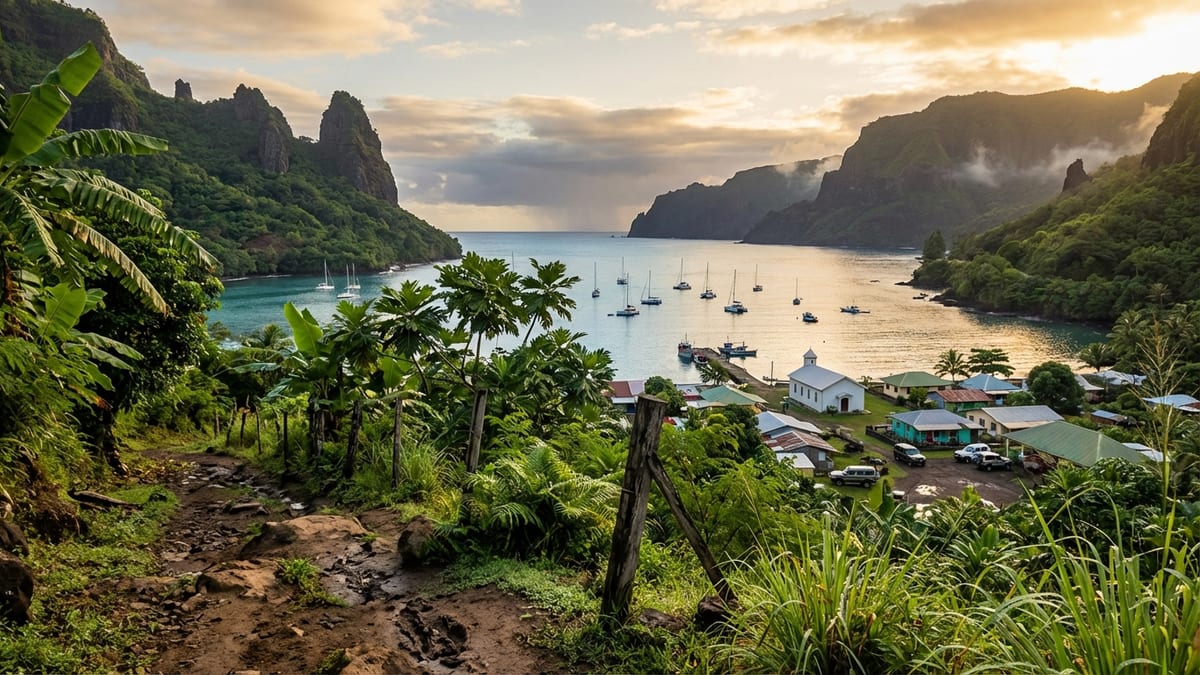
Fatu Hiva, the wildest and most remote of the inhabited Marquesas Islands, rewards adventurous travelers with soaring volcanic cliffs, deep jungle valleys, and one of the most dramatic anchorages in the Pacific. There are no airports, no resorts, and very few roads, which makes every experience feel earned. From rugged trans-island hikes and waterfall treks to cultural encounters in tiny villages, this is an island for travelers who like their adventures raw, physical, and immersed in nature.
Understanding Fatu Hiva: A Remote Playground for Adventurers
Before you set out to explore Fatu Hiva, it is worth understanding what makes this island so distinctive. Located in the southern group of the Marquesas, roughly 75 kilometers from Hiva Oa, Fatu Hiva is a steep, rain-soaked volcanic massif that rises sharply from the Pacific. It is considered the wettest island in the archipelago, which explains its luxuriant vegetation and frequent waterfalls but also its muddy, challenging trails and unpredictable weather.
The population is concentrated in two small villages, Omoa and Hanavave, home to fewer than 600 residents combined. There are no hotels in the conventional sense, only family-run guesthouses and homestays, and transport is mostly by boat or on foot. For many travelers arriving on the cargo-passenger ship Aranui 5 or on private yachts, Fatu Hiva becomes the highlight of a Marquesas voyage precisely because it still feels so untamed.
For adventurous travelers, this context matters. Hiking here often means steep, slippery paths and big elevation gains. Boat rides can be long and choppy. Comforts are basic, but the payoff is immense: sheer cliffs plunging into luminous bays, ancient valleys where traditional crafts are still practiced, and a night sky free of light pollution. Planning with realistic expectations will help you enjoy the island at its best.
Epic Hikes and Jungle Treks
Hiking is the signature adventure on Fatu Hiva. The island’s rugged topography, with peaks that climb toward 1,000 meters and valleys cut by heavy rainfall, creates some of the most memorable walking routes in French Polynesia. Trails are rarely manicured; instead, you get muddy ridgelines, improvised waymarks, and sudden views that make the effort worthwhile. Good footwear, hydration, and a guide when possible are highly recommended.
Omoa to Hanavave Trans-Island Trail
The hike between Omoa and Hanavave is the island’s classic trek and a rite of passage for fit visitors. This former mule track and service road crosses the island’s interior, linking the broader valley of Omoa with the narrow, spectacular Bay of Virgins at Hanavave. Many hikers consider it one of the finest day hikes in the Marquesas for its mix of jungle, high pastures, and sea views.
The point-to-point trail is roughly 15 to 17 kilometers, depending on your route, with around 800 meters of elevation gain. It begins on pavement before turning to a single-lane dirt track that snakes upward through acacia groves, fruit trees, and dense jungle. Higher up, the landscape opens into rolling hills and meadows on a plateau, where you may find a simple shelter used as a rest stop. The final stretch descends in sweeping bends toward Hanavave, revealing a panorama of basalt peaks and the bay far below.
This route is graded challenging. Expect 5 to 7 hours of hiking in humid conditions, with sections that can be very slippery after rain. Some visitors opt to hike one way and arrange a 4x4 or boat transfer back to avoid repeating the climb. Others trek both ways in a long day. In either case, carry plenty of water, sun protection, and snacks, and consider a local guide if you are unfamiliar with tropical mountain conditions.
Waterfall Trek from Hanavave
From the village of Hanavave, a rewarding half-day adventure leads up a valley to a tall waterfall that cascades into a natural pool. The route starts along the main road before turning into a rougher path that follows a stream. You pass gardens, breadfruit and mango trees, and stands of bamboo as the canyon walls rise around you. The jungle grows thicker and the sound of pounding water grows louder as you approach the falls.
The final section often involves boulder-hopping, muddy stretches, and shallow stream crossings. The waterfall itself can reach impressive height during the wet season, throwing spray across the rocks and feeding a cool pool where many hikers choose to swim. Conditions vary with rainfall, and in periods of heavy downpours the route can become slippery and less safe, so always ask locals about the latest conditions before setting out.
A guide is not strictly necessary for experienced hikers, but hiring one from Hanavave adds safety and context. Guides can point out edible plants, explain local legends associated with the valley, and adjust the route if river levels are high. Water shoes and a dry bag for your camera are helpful extras.
Nature Walks in the Omoa Valley
While many of Fatu Hiva’s trails are challenging, the Omoa valley offers more accessible walks that still deliver a sense of adventure. Guided nature tours from Omoa typically last two to three hours and weave between small farms, forest patches, and riverbeds. These walks are ideal for travelers who want a softer adventure or a recovery day between more strenuous hikes.
On these routes, you may traverse paths lined with banana and papaya trees, cross shallow streams, and learn about vanilla cultivation or taro plots carved from the valley floor. Guides often share medicinal uses of local plants and explain how the island’s heavy rainfall shapes everyday life. While the terrain is easier than the trans-island trek, the ground can still be muddy, and sturdy walking shoes remain a must.
Immersive Encounters in Omoa and Hanavave
Fatu Hiva’s two villages are more than jumping-off points for hikes. For many adventurous travelers, the chance to interact with a small, remote community and observe daily life is just as compelling as the physical activities. Respectful cultural encounters, when done thoughtfully, can add depth and meaning to your time on the island.
Exploring Omoa: Tapa Cloth and Wood Carving
Omoa, on the south coast, is the larger and more traditional of Fatu Hiva’s villages. It is widely known as one of the last places in French Polynesia where tapa cloth is still made by hand. Tapa is produced by pounding the inner bark of certain trees on wooden anvils until it forms a thin, flexible sheet that can be decorated or used for ceremonial items.
Guided cultural tours in Omoa typically include visits to small workshops where you can see this process in action. The rhythmic sound of women beating tapa on wooden logs echoes through the village, connecting present-day artisans with ancestral practices. Wood carvers also create intricate sculptures, tiki figures, and decorative bowls that reflect the region’s strong artistic heritage.
Visitors are usually welcome to watch, ask questions, and purchase finished pieces directly from the makers. Paying fairly for handicrafts is one of the best ways to support the local economy. Always ask before taking photos and avoid bargaining aggressively; for a small community, these arts are both livelihood and cultural expression.
Hanavave: Life in the Bay of Virgins
Hanavave, at the head of the famous Bay of Virgins on the west coast, is smaller and more compact than Omoa but no less atmospheric. Houses and churches cluster along a narrow valley that opens onto a tiny harbor where local fishing boats and visiting yachts anchor under dramatic basalt pinnacles.
For adventurous travelers, simply spending time walking Hanavave’s lanes can be a cultural experience. Children play beside the road, roosters call from yards, and small family gardens spill over with breadfruit, bananas, and hibiscus. It is easy to strike up conversations with residents, particularly if you speak a little French or have a local guide to facilitate introductions.
Several guesthouses in and around Hanavave accept overnight visitors, offering home-cooked meals and insight into village life. Ask your hosts about community events, church services, or traditional music evenings that you may respectfully attend. In a place this small, your behavior as a guest is noticed, so dress modestly in the village, greet people as you pass, and keep noise levels low at night.
Village Markets and Informal Exchanges
Fatu Hiva does not have formal markets in the urban sense, but informal exchanges of goods are common and can be part of your adventure. Residents sometimes sell or trade fruit, homemade jams, or carvings to visiting sailors and hikers. In remote bays, children may paddle out in canoes to offer bananas or breadfruit in exchange for sweets, fishing gear, or small gifts.
When participating in these interactions, it is important to remain mindful of local expectations. Cash is often preferred to bartering, and basic items like fresh bread, fruit, and fish have real value in a supply-limited environment. Asking your guesthouse hosts how best to handle purchases or gifts will help you navigate these situations sensitively.
Coastline Adventures and Ocean Experiences
Surrounded by deep Pacific waters and lined with near-vertical cliffs, Fatu Hiva offers a coastline that feels purpose-built for adventurous exploration. There are no sprawling white-sand resorts here; instead, you find narrow black-sand coves, surge channels, and caves cut into basalt. Most ocean-based activities are informal and arranged through local boat owners or independently if you arrive by yacht.
Approaching and Anchoring in the Bay of Virgins
For travelers arriving by sea, the approach to the Bay of Virgins is among the most dramatic in the South Pacific. Massive dark cliffs guard the entrance, flanked by slender basalt spires that rise like cathedrals over the water. As you glide into the narrowing bay, the village of Hanavave appears at the end, backed by sheer ridges and waterfalls after heavy rains.
Anchoring here requires care, given the bay’s limited swinging room and gusty winds that can funnel down from the valley. Many cruisers set a stern anchor or tie lines to shore for added security. Once settled, the anchorage becomes a base for swimming, paddleboarding, and short excursions along the rocky shoreline.
Even if you arrive on the Aranui 5 or a smaller cruise vessel rather than your own boat, the tender ride into the bay offers comparable views. An early morning or late afternoon approach, when the low sun illuminates the rock formations, can be unforgettable.
Boat Tours and Coastal Exploration
Given the scarcity of roads and trails along Fatu Hiva’s cliffs, the most efficient way to explore the coastline is by small boat. Depending on conditions and availability, local operators in Omoa or Hanavave may offer boat trips that circle sections of the island, visit fishing grounds, or explore sea caves and secluded coves.
These outings are typically weather-dependent and are often arranged informally through guesthouses. In calm seas, you might travel close to the cliff walls to see nesting seabirds, arches carved by waves, and waterfalls that tumble directly into the ocean during the rainy season. In rougher conditions, routes may be shortened or canceled for safety, which is another reason to build flexibility into your itinerary.
Always carry dry bags for cameras and electronics and expect to get wet from spray. Life jackets should be provided; if not, request them or decline the excursion. In such a remote setting, conservative decisions on the water are wise.
Swimming and Snorkeling in Remote Coves
While the Marquesas are better known for towering landscapes than coral reefs, Fatu Hiva still offers rewarding swimming and occasional snorkeling opportunities, especially in clear conditions near rocky points. The dark, mineral-rich cliffs give the water a dramatic turquoise hue on sunny days, and you may spot tropical fish, rays, and occasional turtles around submerged boulders.
Adventure-minded swimmers should be cautious, as there are few protected lagoons. Swell, surge, and currents can be significant along exposed stretches. It is safest to swim within the shelter of bays, away from breaking waves and boat traffic, and ideally with a buddy or group. Reef shoes or sturdy sandals are useful for entering and exiting over rocks and coarse sand.
Sunrise Summits and Sunset Lookouts
Given Fatu Hiva’s vertical relief, some of the most rewarding experiences involve simply gaining a bit of elevation and watching the light change over the island’s peaks and valleys. Shorter viewpoint walks and spontaneous climbs up village hillsides can be as satisfying as major treks, especially at sunrise or sunset when the basalt spires glow and shadows carve dramatic shapes into the landscape.
Hanavave Bay Sunset Hike
A popular micro-adventure in Hanavave is a short hike up the hillside behind the village to a viewpoint overlooking the Bay of Virgins. The trail is not always formally marked, but locals and guesthouse owners can point you toward a path used by residents. It typically follows a rough, sometimes overgrown track that climbs past gardens and trees before emerging at an open vantage point.
From this perch, you can watch the sun drop toward the horizon, painting the rock pinnacles and anchored boats in rich reds and golds. Cloud formations often add drama, especially after a day of passing showers. The walk itself may only take 20 to 40 minutes each way, but the footing is steep and uneven in places, so bring a headlamp for the descent and wear supportive shoes.
Ridgetop Walks Above Omoa
Above Omoa, a network of tracks used by farmers and hunters provides options for short exploratory walks along ridges and spurs. These are not official hiking trails, and you should not attempt them without local knowledge or guidance, but with a village guide they can turn into spectacular vantage points over the valley, the open ocean, and neighboring islands on clear days.
These minor routes often pass through mixed vegetation zones: fruit orchards near the village, transitional brush higher up, and patches of native forest closer to exposed ridges. They are ideal for adventurous travelers seeking quieter, off-the-map experiences. Because the tracks are informal, they can be overgrown or slippery and are best tackled in the morning when temperatures are lower.
Practical Tips for Adventurous Travelers
Remote destinations magnify both the rewards and the risks of adventure travel. On Fatu Hiva, careful planning around transport, weather, health, and equipment will significantly improve your experience. The island’s limited infrastructure makes self-reliance and flexibility essential qualities for visitors.
Getting to Fatu Hiva
There are no flights to Fatu Hiva. Most independent travelers reach the island by flying with the domestic carrier to Hiva Oa, then continuing by boat. A small maritime shuttle links Hiva Oa and Fatu Hiva, typically operating several days a week, though schedules and frequencies can change and are influenced by sea conditions. Tickets are usually purchased locally, and early confirmation through your accommodation or the Hiva Oa town hall is advisable.
The other principal access is via the Aranui 5 cargo-passenger ship, which runs multi-day voyages through the Marquesas from Tahiti. Fatu Hiva is one of the highlights of this itinerary, with the vessel spending a day alongside while passengers join organized excursions to Hanavave and Omoa. For long-distance sailors, Fatu Hiva is also a classic landfall after crossing the Pacific, though anchoring here demands experience with gusty anchorages and limited services.
Regardless of your route, delays are common. Flights to Hiva Oa can be affected by weather, and maritime services can be suspended during rough seas. Build buffer days into your schedule and avoid tight onward connections.
Where to Stay and What to Expect
Accommodation on Fatu Hiva consists mainly of family-run pensions and homestays in Omoa and Hanavave. Rooms are usually simple but comfortable, with mosquito nets, fans instead of air conditioning, and shared bathrooms in some cases. Meals are often included and feature local staples like fish, breadfruit, rice, and tropical fruits.
Because options are few and demand can spike when the Aranui 5 or other vessels call, reservations are strongly recommended. It is wise to confirm arrival and departure details in advance and to let your hosts know if you are hiking between villages, as they may help you coordinate luggage transfers or return rides.
Do not expect ATMs, extensive Wi-Fi, or a wide range of shops. Bring enough cash in local currency for your stay, including meals, guides, and handicrafts. Credit card acceptance is rare. Connectivity is improving but remains patchy, especially away from villages.
Gear, Fitness, and Safety
For adventurous activities on Fatu Hiva, your personal gear matters. At minimum, consider packing:
- Sturdy hiking shoes with good grip and ankle support
- Lightweight, quick-drying clothing and a rain shell
- A small backpack, hydration system, and water purification tablets or filter
- Sun protection including hat, sunglasses, and reef-safe sunscreen
- Mosquito repellent and a basic first-aid kit
- Headlamp or flashlight with spare batteries
- Dry bags for electronics on boat trips
Physical fitness is also important. Many of the best experiences involve multiple hours of hiking in hot, humid conditions with significant elevation changes. Before attempting strenuous routes like the Omoa to Hanavave trail, honestly assess your abilities and consider a guide if you lack experience in tropical mountains.
As in any remote environment, safety relies on conservative choices. Avoid hiking alone on long routes, especially in deteriorating weather. Inform your guesthouse of your plans and expected return time. On the coast, respect swell and wave conditions and be cautious around cliff edges and slippery rocks.
Environmental and Cultural Respect
Fatu Hiva’s appeal lies in its relatively untouched ecosystems and strong community identity. Adventurous visitors have a responsibility to help keep it that way. Following simple guidelines will help minimize impacts:
- Stay on established paths where possible to reduce erosion and trampling
- Pack out all trash and avoid single-use plastic bottles
- Ask permission before entering private land, gardens, or buildings
- Dress modestly in villages, covering swimwear with shirts and shorts
- Limit noise, especially early in the morning and at night
- Support local businesses by hiring local guides and purchasing handicrafts
Photography is a sensitive area. While the landscapes invite constant shooting, always ask before photographing individuals or inside homes and churches. Many residents are proud of their island and happy to share it, but their privacy and dignity should never become another tourist attraction.
The Takeaway
For adventurous travelers, Fatu Hiva represents a rare blend of physical challenge, raw natural beauty, and intimate cultural encounters. It demands more effort to reach than many Pacific islands, and once you arrive, it asks that you accept muddy trails, changing weather, and a slower, more unpredictable rhythm of life. In return, it offers an island that still feels remote and uncommercialized, where a single day’s hike can carry you from one tiny village to another across a spine of jungle-clad ridges, and where the sound of tapa pounding or church choirs drifts out into bays framed by towering basalt pinnacles.
If you value that kind of travel, Fatu Hiva will likely become a defining memory: a place where adventure is not orchestrated but emerges from the landscape and the people who call it home. Arrive prepared, move thoughtfully, and you will find that this distant Marquesan island more than rewards the effort it takes to get there.
FAQ
Q1. How difficult is the Omoa to Hanavave hike on Fatu Hiva?
The Omoa to Hanavave hike is considered challenging, with significant elevation gain, humid conditions, and sections that become very slippery after rain. Most fit hikers take between 5 and 7 hours to complete the one-way trek, and it is recommended to carry ample water, wear sturdy shoes, and consider hiring a local guide, especially if you are not experienced with tropical mountain hikes.
Q2. Do I need a guide for hiking and exploring Fatu Hiva?
A guide is not legally required for most hikes, but hiring one is strongly recommended for longer or more remote routes. Local guides know the terrain, can adjust plans for weather and river levels, share cultural context, and add a layer of safety in an island with limited rescue resources.
Q3. How do I get to Fatu Hiva from Tahiti?
Most travelers fly from Tahiti to Hiva Oa with the domestic airline, then continue by maritime shuttle or private boat to Fatu Hiva. Another option is to book a multi-day voyage on the Aranui 5 cargo-passenger ship, which includes a stop at Fatu Hiva as part of a circuit through the Marquesas. Because schedules can change, it is best to coordinate transport with your guesthouse or a local travel specialist.
Q4. When is the best time of year to visit Fatu Hiva for outdoor activities?
The drier months from roughly July to December tend to offer better conditions for hiking and coastal exploration, with slightly lower rainfall and more stable weather. That said, Fatu Hiva is one of the wettest Marquesas Islands, so showers can occur year-round. Trails may be muddy regardless of season, and travelers should come prepared for variable conditions.
Q5. What sort of accommodation is available on Fatu Hiva?
Accommodation is limited to small family-run pensions and homestays in Omoa and Hanavave. Rooms are simple, often with fans instead of air conditioning, and meals are typically served on-site. There are no large hotels or resorts, so advance reservations are important, especially if your visit coincides with a cruise ship call.
Q6. Is Fatu Hiva suitable for families with children?
Fatu Hiva can be rewarding for adventurous families, but it is best suited to those with older children who are comfortable with basic facilities and long, sometimes strenuous walks. There are few formal attractions or playgrounds; activities revolve around nature, hiking, and village life. Families should plan carefully around safety, especially near cliffs, rivers, and at sea.
Q7. Can I snorkel or dive around Fatu Hiva?
There are no large commercial dive centers on Fatu Hiva, and the island is not primarily known as a diving destination. However, visiting yachts and occasional operators may offer informal snorkeling in suitable conditions. The coastline is steep and often exposed to swell, so swimming and snorkeling are best done in sheltered bays, with close attention to currents and boat traffic.
Q8. What should I pack specifically for an adventurous trip to Fatu Hiva?
In addition to standard tropical clothing, pack robust hiking shoes, a light rain jacket, a hat, reef-safe sunscreen, insect repellent, a headlamp, a small first-aid kit, and dry bags for electronics. A refillable water bottle and optional filtration system are useful for long hikes, and cash in local currency is essential given the lack of ATMs and limited card acceptance.
Q9. How can I respect local culture while visiting Fatu Hiva?
Show respect by dressing modestly in villages, greeting people as you pass, asking before taking photos, and avoiding loud behavior at night. Support local livelihoods by purchasing handicrafts directly from artisans and using local guides. Always ask permission before crossing private land or entering homes, and follow your hosts’ advice on appropriate behavior at cultural or religious events.
Q10. Is Fatu Hiva safe for solo travelers?
Fatu Hiva is generally a safe destination in terms of crime, and locals are welcoming, but its remoteness and rugged terrain require extra caution from solo travelers. If you travel alone, consider joining guided hikes rather than tackling long routes independently, share your plans with your guesthouse, and choose conservative options when weather or sea conditions look uncertain.