

Kos Town blends ancient history, breezy waterfront life and a surprisingly cosmopolitan nightlife into one compact, walkable hub at the heart of Kos island. For first-time visitors it can be hard to know where to start: do you head straight for the medieval castle at the harbor, explore the legacy of Hippocrates, linger in café-lined squares or chase sunset cocktails by the sea.
Exploring the Historic Heart of Kos Town
The core of Kos Town is a patchwork of ancient ruins, medieval fortifications and Italian-era architecture woven between modern cafés and shops. You can see much of it on foot in a single day, but slowing down rewards you with quieter archaeological corners and atmospheric backstreets. Start around the harbor and radiate inward to uncover layers of history that span millennia.
Walk the Waterfront and Mandraki Harbor
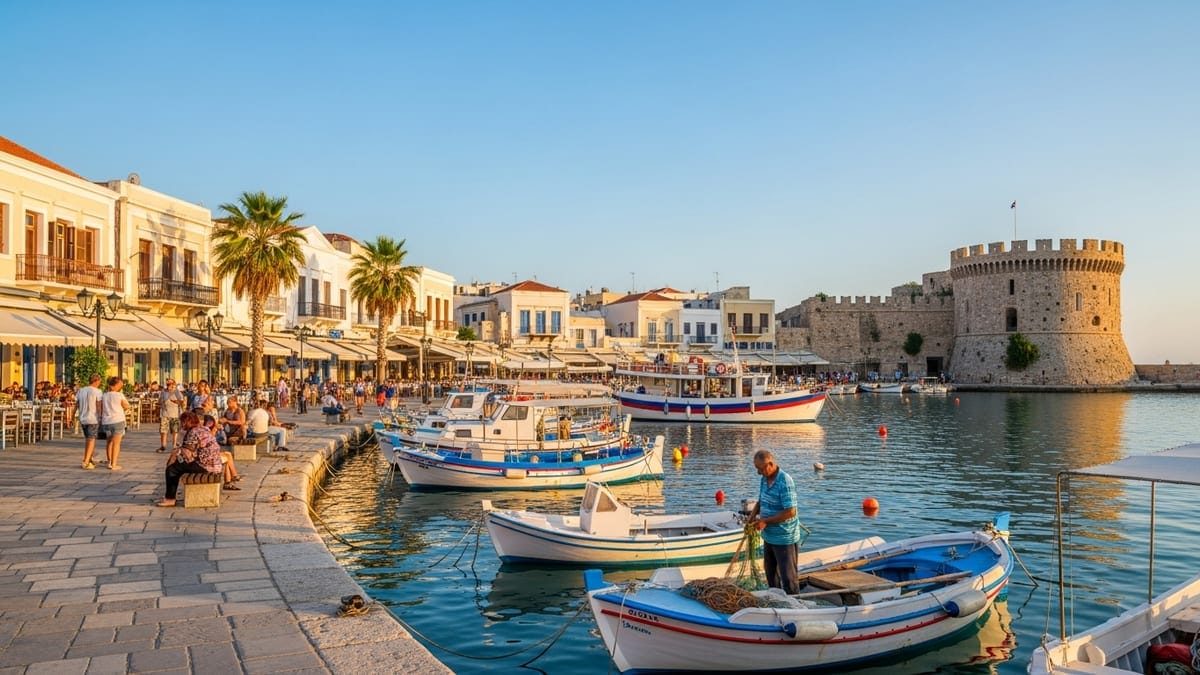
The harbor is the natural orientation point for first-time visitors, with fishing boats, excursion vessels and yachts lining the quayside. Strolling here in the morning gives you soft light, sea breezes and views across to the Turkish coast. Palm trees, low-rise pastel buildings and the prominent castle walls create a distinct Dodecanese skyline that feels both Greek and subtly Italian in flavor.
Along the waterfront you will find kiosks for boat trips, informal benches where locals chat and a string of cafés and tavernas that are ideal for a leisurely coffee or your first Greek salad on the island. It is also where many evening activities begin, from sunset walks to relaxed bar-hopping once the lights of the harbor come up.
Climb the Walls of Neratzia Castle
Guarding the entrance to the harbor is Neratzia Castle, also known as the Castle of the Knights. Built and expanded by the Knights Hospitaller from the 14th century, it once formed part of a defensive chain that protected the eastern Aegean. Its thick walls, bastions and sea-facing ramparts still dominate the town’s waterfront silhouette.
First-time visitors should make time to walk the ramparts and inner courtyards, where weathered stone, scattered architectural fragments and sea views come together in a striking tableau. From the higher points you can look across to Bodrum on the Turkish coast, watch ferries sliding in and out, and orient yourself to the layout of Kos Town below. Morning or late afternoon visits are most comfortable in the heat of summer and offer the best light for photography.
Seek Out the Ancient Agora and Roman Ruins
Just inland from the harbor, partly hidden among trees and modern streets, lie the remains of the ancient agora, once one of the largest marketplaces in the ancient Greek world. Today it is a quiet site of low walls, column fragments and foundations, but walking among them gives a sense of scale and continuity with the island’s classical past.
Within Kos Town you will also encounter the restored Roman Odeon, a small amphitheater with marble seating, and sections of Roman villas with mosaic floors. These sites provide an evocative contrast to the medieval castle and modern port, underscoring how long Kos has been a lived-in, strategically placed settlement. Entry fees are modest, and combining several small sites makes for an engaging half-day history walk.
Following in the Footsteps of Hippocrates
Kos is famously associated with Hippocrates, the physician often called the father of medicine. While much of his story is wrapped in legend, the island has embraced this legacy through landmarks, museums and a celebrated tree in the heart of town. For anyone interested in culture, science or mythology, these stops add depth to a visit well beyond sun and sea.
Visit the Plane Tree of Hippocrates
Near the harbor, in a small square framed by arcades and mosques, stands the Plane Tree of Hippocrates. The current tree is centuries younger than Hippocrates himself, but local tradition holds that he once taught his students in this very spot. The sprawling branches are now supported by a lattice of metal beams, lending the site a slightly surreal but poignant atmosphere.
Even if you approach it with skepticism rather than reverence, the tree is an engaging symbol of continuity. It also makes a convenient reference point when navigating the old town, often buzzing with tour groups by day and pleasantly hushed at night. Nearby kiosks and cafés invite you to linger and watch the ebb and flow of daily life.
Explore the Asklepion Sanctuary
Though technically set a short distance outside Kos Town, the Asklepion is so closely tied to the city’s identity that it belongs on any first-timer’s list. This hillside sanctuary to Asklepios, the god of healing, once functioned as a combined temple, healing center and teaching facility. It is also closely linked with Hippocrates and the development of rational medicine.
The site is arranged on terraces connected by broad stairways, with ruins of treatment rooms, temples and porticoes framed by pines and cypresses. From the upper levels you have wide views over Kos Town and the sea beyond. Guided tours provide context about ancient medical practices, but even wandering independently you will sense why this setting was chosen as a place of reflection and convalescence.
Discover the Hippocratic Museum and Botanic Garden
Near the Asklepion, the International Hippocratic Foundation maintains a modest museum and botanic garden devoted to Hippocrates’ life and methods. Exhibits explain how his ideas helped shift medicine away from superstition and toward observation, environment and lifestyle.
Outside, a garden of medicinal plants showcases herbs that would have been used in antiquity, allowing visitors to see and smell the ingredients of early remedies. This stop is particularly rewarding for visitors interested in the history of science, pharmacy or traditional herbal medicine, and it pairs naturally with a trip to the Asklepion.
Wandering the Old Town and Italian Quarter
Beyond its headline ruins, Kos Town charms through its everyday streets. The compact center combines whitewashed lanes, neoclassical buildings from the Italian occupation era and shaded squares where locals conduct their social lives. Exploring without a strict agenda is one of the best ways to feel the town’s rhythm.
Get Lost in the Old Town Lanes
Behind the harbor and castle, narrow streets twist through the old town, lined with low houses, small churches and family-run shops. Here you will find bakeries selling sesame bread rings in the morning, boutiques offering resort wear and jewelry, and small groceries where locals stock up on fresh produce and olive oil.
Allow yourself to drift, following whatever catches your eye: a splash of bougainvillea over a doorway, a cats’ gathering in a courtyard, a tiny café with just a few outdoor tables. Many visitors find that their favorite moments in Kos Town involve nothing more elaborate than sipping a Greek coffee in the shade, listening to conversations and watching the town move at its unhurried pace.
Pause in Platia Eleftherias and Other Central Squares
Liberty Square, or Platia Eleftherias, is one of the town’s main meeting points and an easy landmark. Surrounded by notable buildings from the Italian administration period, including the market hall and archaeological museum, it has a low-key grandeur that reflects Kos’s role as a regional hub.
Cafés spill tables into the square, making it a pleasant place to rest between sightseeing stops or to enjoy an evening drink as the heat of the day fades. Smaller squares and pocket parks branch off nearby, some with playgrounds or shaded benches. Returning to these central spaces throughout your stay helps make the town feel quickly familiar.
Admire Italian-Era Architecture and Mosques
Kos was under Italian rule in the early 20th century, and many public buildings from that period still stand, giving parts of the town a distinctive architectural flavor not always seen on other Greek islands. Look for arcaded walkways, civic buildings with clean, rationalist lines and decorative details that blend Mediterranean and Italianate styles.
Interwoven with these are Ottoman-era mosques and fountains, reminders of yet another chapter in the island’s layered history. Even without stepping inside, simply observing minarets rising between palm trees and bell towers can spark curiosity about the island’s multicultural past. A casual photo walk that focuses on facades, doors and details is a rewarding way to spend an hour or two.
Beach Time and Sea Adventures Near Town
While Kos island is known for its long sandy beaches, you do not have to travel far from Kos Town to enjoy the water. Several beaches lie within walking or cycling distance, and boat trips depart directly from the harbor, giving first-time visitors plenty of ways to balance cultural sightseeing with time by the sea.
Relax on Town and Nearby Beaches
North of the harbor you will find a series of urban and semi-urban beaches within easy reach of the center. These offer a mix of sandy and pebbly stretches, often with sunbeds, umbrellas and beach bars providing snacks and cold drinks. For first-time visitors without a rental car, they are convenient options for a spontaneous swim or a few lazy hours in the sun.
Conditions are generally calm in summer, while certain stretches can be breezier and popular for windsurfing. Water clarity is typically good, and showers or changing cabins are present at many beach access points. A light pair of water shoes can be helpful if you encounter pebbly patches or submerged rocks.
Join a Boat Trip from Kos Town Harbor
The harbor serves as a launch point for a variety of boat excursions, ranging from short coastal cruises to full-day trips visiting neighboring islands. Typical options include swimming and snorkeling stops in clear coves, barbecue lunches on deck and relaxed sightseeing along the coastline.
Some excursions focus on nearby islets with small chapels and beaches, while others cross to other Dodecanese islands for a taste of different ports. For many first-time visitors, a day at sea provides some of the most memorable images of their trip: blue water stretching in every direction, the white walls of Kos Town receding behind and a constant interplay of sun and breeze.
Try Watersports and Active Pursuits
Along the beaches near Kos Town you will find operations offering water sports in season, including stand-up paddleboarding, kayaking and windsurfing. These activities are accessible for beginners and add variety to simple sunbathing days. Rental durations are often flexible, and basic instruction is usually included.
If you are keen to explore further, consider renting a bicycle, scooter or car to reach more distant beaches on the island. For first-timers staying mostly in Kos Town, even a short ride opens up quieter stretches of coastline and broadens your sense of the island’s geography.
Evenings Out: Dining, Bars and Nightlife
As the sun goes down, Kos Town shifts into a more animated but still relaxed evening mood. Tavernas fill with diners, harbor lights shimmer on the water and Bar Street begins to pulse with music. Whether your ideal night involves a slow dinner and a stroll or dancing until dawn, you will find an option that fits.
Dine by the Waterfront or in Backstreet Tavernas
For first-time visitors, an obvious but rewarding choice is to dine along the harbor or marina, where tables spill onto promenades and the air is scented with grilled fish and oregano. Menus typically feature classic Greek dishes such as moussaka, souvlaki, fresh seafood and meze plates, alongside salads and vegetarian options.
To sample a more local-feeling atmosphere, head a few streets back from the water into residential lanes where smaller tavernas and ouzeries serve home-style cooking. Portions tend to be generous, and house wines are often very drinkable. Consider ordering several dishes to share in the Greek style, which allows you to taste more of the menu.
Experience Bar Street and the Party Scene
Kos Town’s nightlife focal point is commonly known as Bar Street, a compact pedestrian area where bars and small clubs sit shoulder to shoulder. In high season, typically from June to early September, the area comes alive late at night with music, neon lights and a predominantly young international crowd.
Most venues along Bar Street have no entry fee, instead relying on drink sales and happy-hour offers. Music choices range from Greek pop and mainstream dance to rock, R&B and electronic sets, with staff often encouraging dancing both indoors and out on the street. If you are visiting for the first time and curious about the island’s party reputation, a night here will answer most of your questions.
Opt for Relaxed Cocktail Bars and Lounges
If high-energy clubbing is not your style, Kos Town also offers a healthy lineup of more laid-back evening venues. Along the harbor and on streets just back from the waterfront you will find cocktail bars and wine-focused spots with comfortable seating, softer music and views of the sea or old town.
These are ideal for couples, small groups or solo travelers who prefer conversation over dancing. Many open earlier in the evening than the clubs and close a bit earlier as well, making them a good fit if you have an early start the next day or are adjusting to local time. Trying a drink based on local spirits such as ouzo or mastiha adds a subtle cultural note to the experience.
Day Trips and Island Connections from Kos Town
Beyond its role as a holiday town, Kos is a key ferry and excursion hub in the southeastern Aegean. For first-time visitors based in Kos Town, this makes it easy to sample neighboring islands or coastal scenery without complicated logistics. Even short outings can give your trip extra variety and a broader sense of the region.
Hop Across to the Turkish Coast
From spring through autumn, passenger ferries run between Kos Town and resorts on the nearby Turkish coast, most commonly Bodrum. Crossing times are short, and many holidaymakers enjoy spending a day exploring a different country, with its own markets, cuisine and shoreline.
If you are considering this option, check passport and visa requirements in advance, allow extra time for border formalities and factor in that schedules can vary by season and weather. On return, arriving back to the calmer rhythms of Kos Town at sunset feels particularly satisfying after the busier pace of larger Turkish ports.
Join a Three-Island or Coastal Cruise
Boat operators from Kos Town also offer multi-stop day cruises that visit small islands and coves in the surrounding waters. Typical itineraries include swim breaks in turquoise bays, visits to fishing villages and sometimes a stop at an island known for volcanic or thermal activity.
These trips tend to be social, with music on deck and barbecued lunches or buffet spreads provided. For first-time visitors they offer a relaxed way to see more than just the main town without having to organize separate ferries or transport. Booking a popular route early in your stay gives you flexibility in case of weather-related changes.
Use Kos Town as a Base for Inland Excursions
While this guide focuses on Kos Town itself, it is worth noting that the city makes an excellent base for excursions into the island’s interior villages and hills. Public buses, taxis and rental vehicles all connect through the town, giving you options to reach destinations such as mountain villages known for sunsets, traditional tavernas or hiking trails.
Even if you only have a few days, planning one afternoon or evening away from the coast can deepen your impression of Kos beyond its beaches and harbor. Returning to town after such a foray, you are likely to appreciate its amenities and waterfront setting even more.
Practical Tips for First-Time Visitors to Kos Town
Knowing a few practical details in advance can make your first visit to Kos Town smoother and more enjoyable. From transport logistics to seasonal considerations, a small amount of preparation pays off in more relaxed days on the ground.
Arriving and Getting Around
Most visitors arrive via Kos International Airport, located inland, or by ferry directly into the harbor at Kos Town. Taxis and pre-booked transfers serve the route between airport and town, with journey times typically under an hour depending on traffic and accommodation location. Public buses also operate, with schedules more frequent during the May to October high season.
Once in town, walking is the easiest and most enjoyable way to get around. The historic center, harbor, nearby beaches and main squares are all accessible on foot. Bicycles and scooters are widely available for rent and offer a convenient way to reach slightly more distant beaches or supermarkets, though you should always wear a helmet and take care on shared roads.
When to Visit and What to Expect
The main tourist season in Kos Town runs from late spring through early autumn. July and August deliver hot, dry weather, busy beaches and the liveliest nightlife, appealing to those who enjoy a buzz of activity. Shoulder months such as May, June, September and early October are often ideal for first-timers who prefer warm temperatures and a more relaxed atmosphere.
In the quieter months of late autumn and winter, some tourist-oriented businesses close or reduce hours, but the town’s core services remain in operation for locals. If you visit outside peak season, you will experience a more subdued but authentic side of island life, with more space at archaeological sites and in cafés.
Money, Safety and Local Etiquette
Kos uses the euro, and card payments are widely accepted in hotels, restaurants and larger shops. It is still useful to carry some cash for small purchases, local bakeries, kiosks or bus tickets. ATMs are available in and around the town center, though minor service interruptions can occur at very busy times.
Kos Town is generally considered safe, with a relaxed Mediterranean vibe. Standard travel common sense applies: watch your belongings in crowded areas, especially late at night, and drink responsibly if you are sampling the nightlife. Dress codes are casual, though covering shoulders in churches and avoiding swimwear in town streets is appreciated. A few basic Greek phrases, coupled with a friendly attitude, go a long way with local residents and staff.
The Takeaway
For a first-time visitor, Kos Town offers an inviting combination of history, sea views and approachable island life in a compact, walkable setting. Within a single day you can explore a medieval castle, wander among ancient ruins, contemplate the legacy of Hippocrates, swim from a town beach and finish with dinner overlooking the harbor. Stay a little longer and you will discover quiet backstreets, favorite cafés and perhaps a preferred sunset spot along the waterfront.
Whether you come primarily for culture, relaxation or evenings out, Kos Town provides an accessible introduction to the Dodecanese that is easy to navigate yet rich in detail. Use it as a gateway to the wider island and surrounding seas, or simply settle into its rhythms and let the mix of past and present unfold at your own pace.
FAQ
Q1. How many days should a first-time visitor spend in Kos Town?
For a balanced first visit, plan on at least two to three full days in Kos Town. This allows time to see the main historic sites, enjoy the harbor and nearby beaches, and experience one or two evenings out without rushing. If you also want to use the town as a base for day trips, four or five days is ideal.
Q2. Is Kos Town a good base for exploring the rest of the island?
Yes, Kos Town makes an excellent base because it combines a wide choice of accommodation and dining with strong transport links. Buses, taxis and rental agencies are all concentrated here, so you can easily organize trips to beaches, mountain villages and other parts of Kos while returning each evening to the conveniences of town.
Q3. Do I need a car to enjoy Kos Town and its surroundings?
You can comfortably explore the core of Kos Town on foot, and nearby beaches are reachable by walking, cycling or short taxi rides. A car or scooter becomes useful if you plan to visit more distant beaches, inland villages or attractions on a flexible schedule, but it is not essential for enjoying the town itself.
Q4. What are the must-see historical sights in Kos Town for a first visit?
Key historical stops include Neratzia Castle by the harbor, the ancient agora and nearby Roman ruins, the Roman Odeon, the Plane Tree of Hippocrates in the old town and a visit to the Asklepion and associated Hippocratic sites just outside town. Together they provide a clear overview of the island’s layered past.
Q5. Is Kos Town suitable for families with children?
Kos Town is generally family-friendly, with pedestrian areas, squares where children can move around, nearby beaches and plenty of casual dining. Parents should of course supervise children around the harbor and at archaeological sites, but in general the town’s relaxed pace and compact layout work well for families.
Q6. How lively is the nightlife in Kos Town compared with other Greek islands?
Kos Town has a concentrated but energetic nightlife scene, especially in summer, centered on Bar Street and the harbor area. It is lively enough to satisfy most visitors looking for bars and small clubs, though less intense than the biggest party destinations in Greece. At the same time, quieter cocktail bars and tavernas offer calmer alternatives.
Q7. When is the best time of year to visit Kos Town for pleasant weather?
For warm but not extreme temperatures, late May, June, September and early October are excellent. Sea temperatures are inviting, and crowds are lighter than in peak summer. July and August are hottest and busiest, suiting travelers who prioritize beach time and nightlife over cooler sightseeing conditions.
Q8. Are there good options for vegetarians and vegans in Kos Town?
Yes, Greek cuisine naturally includes many vegetarian dishes such as salads, grilled vegetables, legumes and cheese-based specialties. Vegan options are increasingly common in tourist areas, and many tavernas are happy to adapt dishes if you explain your needs. It is helpful to mention dietary requirements when you order so staff can guide you.
Q9. Is it easy to visit the Asklepion without a tour?
The Asklepion can be reached independently by taxi, public bus in season or rental vehicle from Kos Town. Once there, you can explore at your own pace, using on-site information boards or a guidebook. Guided tours are available and provide extra context, but they are not essential if you prefer to visit on your own schedule.
Q10. What should I pack specifically for a stay in Kos Town?
In addition to standard warm-weather clothing, pack comfortable walking shoes for exploring historic sites and cobbled streets, swimwear and a light cover-up for beaches, a hat and high-SPF sunscreen for strong sun, and a light layer for breezier evenings. If you plan to visit churches or monasteries, having a scarf or shawl for covering shoulders is also useful.