

For years, Zakynthos has been defined in the popular imagination by a single image: the rusting hulk of a shipwreck on a white cove framed by sheer limestone cliffs. Yet Navagio is only one small corner of this Ionian island.
Away from the crowds that gather on its viewpoint platforms and day boats, Zakynthos offers quiet coves, protected marine habitats, sleepy hill villages, historic monasteries, vineyards and olive groves, and a surprisingly rich cultural life. For travelers willing to look beyond the postcard, the island reveals a slower, more authentic side that rewards a few extra days on the ground.
Getting to Know Zakynthos Beyond the Shipwreck
Zakynthos sits off the west coast of mainland Greece, part of the Ionian Islands. Its coastline curves from long sandy arcs in the south to rugged cliffs and sea caves in the north and west. Much of the southern coastline falls inside the National Marine Park of Zakynthos, established to protect nesting loggerhead sea turtles and fragile coastal ecosystems. Inland, low mountains and fertile plains hold citrus orchards, vineyards, and stone villages that feel far removed from the island’s beach-bar image.
While many visitors still fly in for a quick look at Navagio and leave, more independent travelers are using the island’s compact size, growing network of boutique hotels, and decent road system as a base for slow exploration. Car rental, local bus routes in peak season, and organized day trips make it relatively easy to piece together a varied itinerary that balances sea time with countryside and culture.
Understanding the Island’s Layout
The key to planning a stay that goes beyond Navagio is understanding Zakynthos’s rough geography. The main town, Zakynthos City, sits on the east coast and serves as the island’s administrative and ferry hub. From here, roads fan out to popular resorts like Laganas and Kalamaki to the south, and Tsilivi and Alykanas to the northeast. The northern peninsula around Agios Nikolaos offers access to the Blue Caves and quieter villages, while the western side of the island is sparsely populated, dominated by cliffs, monasteries, and a few sunset-view tavernas.
Because no single area offers everything, many visitors either base themselves near Zakynthos Town for central access or split their stay between the livelier south and the quieter north or west. Distances are short: driving from Zakynthos Town to the far north at Agios Nikolaos takes roughly 45 minutes in light traffic, and much of the interior can be reached by narrow but paved roads that wind past olive groves and cypress stands.
Responsible Travel on a Fragile Island
Zakynthos’s recent tourism boom has put pressure on roads, waste systems, and sensitive habitats, particularly in the Marine Park’s nesting beaches. Authorities regulate access to some stretches of sand and restrict night use and motorized watersports where turtles lay their eggs. Visitors can help by choosing licensed operators, respecting signage on protected dunes and roped-off areas, keeping noise and light to a minimum during evening beach walks, and avoiding any handling or disturbance of wildlife.
Water shortages and summer heatwaves are another growing concern. Booking accommodations with good environmental practices, limiting air-conditioning use, refilling bottles rather than buying cases of plastic water, and supporting local producers rather than imported goods are small steps that collectively make a difference in preserving the island’s character.
Exploring Zakynthos’s Coastlines Without Focusing on Navagio
You do not need to set foot on Navagio Beach to enjoy Zakynthos’s coastline. In fact, many of the most rewarding sea experiences lie along different stretches of shore: sea caves with luminous water, turtle-inhabited bays, and local beaches where Greek families gather on summer evenings. These alternatives can be less crowded, more environmentally sustainable, and easier to access.
Boat Trips to the Blue Caves
The Blue Caves, carved into the white cliffs of Zakynthos’s northern coast, are a staple of many boat itineraries and easily enjoyed as a standalone excursion. Boats depart mainly from the small harbor of Agios Nikolaos and nearby Cape Skinari, taking guests along a rugged coastline of arches, caverns, and steep rock faces. The “blue” effect is most intense in the morning when sunlight reaches into the caves and reflects off the pale seabed, tinting the water an almost electric shade.
Options range from small group trips on rigid inflatable boats to private charters that can slip into narrower passages and pause for longer swims. Many captains allow time for snorkeling, with clear water that offers views of submerged rock formations and modest marine life. For a quieter experience, look for smaller, earlier departures and ask specifically for an itinerary that emphasizes time in the water rather than quick photo stops.
Keri Caves and the Southwest Peninsula
On the opposite side of the island, the Keri Peninsula shelters a series of sea caves and coves that see fewer visitors than the northern coast. Boats leave from the small resort of Keri Beach, following the cliffs west toward dramatic rock formations and deep grottoes. The water here is usually calm in summer, and many tours combine the caves with swims off tiny shingle beaches or offshore rocks.
Because this is part of the Marine Park’s broader area, operators tend to emphasize low-impact activities like snorkeling and relaxed cruising. The iconic twin rock pillars known as Myzithres rise off the coast near the peninsula’s tip and glow in the late afternoon light, making this one of Zakynthos’s most photogenic corners. Some afternoon or sunset cruises time their routes so that swimmers can float in the open sea as the sky turns pink and orange over the cliffs.
South Coast Beaches in the National Marine Park
The wide arc of Laganas Bay, on Zakynthos’s southern side, forms the heart of the National Marine Park of Zakynthos. The bay includes important nesting beaches for endangered loggerhead turtles, scattered dunes, and offshore islets like Marathonisi. Parts of this coastline are lined with hotels and beach bars, especially near Laganas and Kalamaki, yet even here regulations limit night-time access in nesting season and restrict speedboats and noisy watersports in certain zones to protect eggs and hatchlings.
For visitors, this means that a day at the beach can double as a lesson in conservation. On calm days, you may spot turtles surfacing for air just beyond the swimming buoys, especially in June and July. Beachfront information boards explain the turtles’ life cycle and the rules that govern the park, while volunteers from conservation groups patrol sections of sand, particularly at dawn and dusk when hatching is most likely.
Marathonisi and Turtle-Spotting by Boat
Marathonisi, nicknamed “Turtle Island” for its turtle-like outline when seen from a distance, lies just offshore in Laganas Bay. Licensed turtle-spotting boat cruises, many departing from Keri Beach or Laganas, circle the islet and cruise slowly through known feeding grounds in search of loggerheads. Under current guidelines, boats are supposed to keep a distance, limit the time they stay with any one turtle, and avoid surrounding or chasing animals.
Most trips then land on Marathonisi’s narrow beach, where sections of sand are cordoned off to protect nests. Visitors can swim, snorkel along the rocky side, and admire the scenery but should stay outside any roped areas and not plant umbrellas in undisturbed sand. In the height of summer, the beach can feel crowded, so consider early or late departures if you prefer a quieter visit and ask how many landing stops are planned.
Villages, Monasteries, and Views in the Island’s Interior
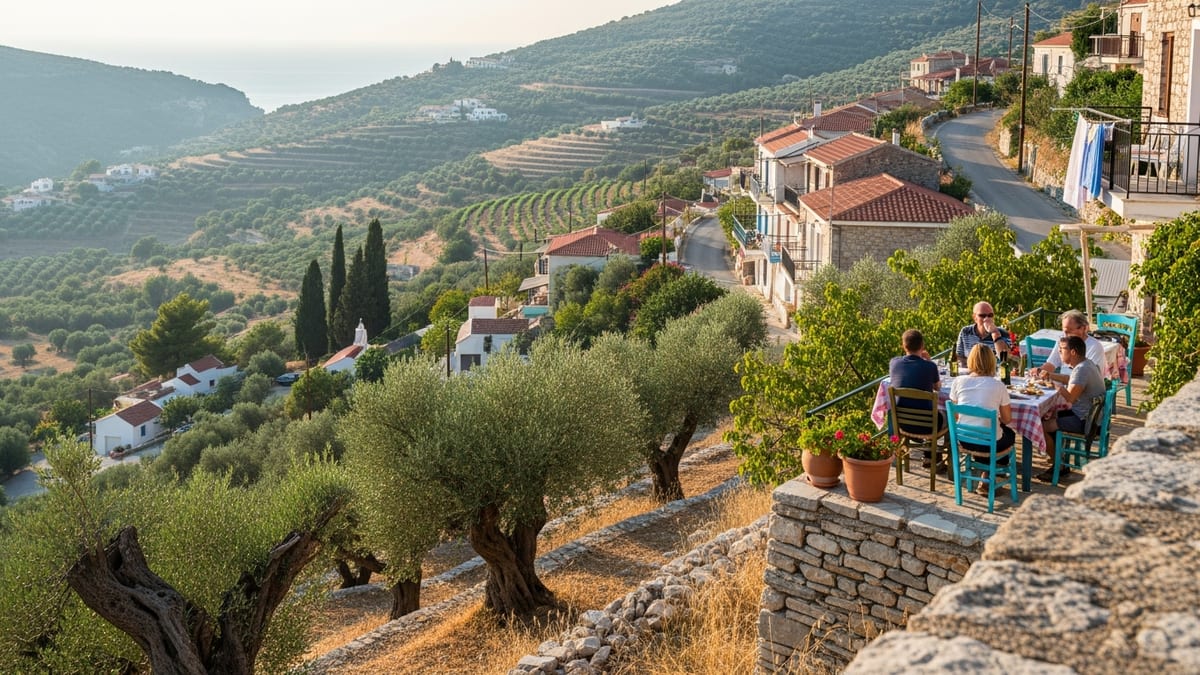
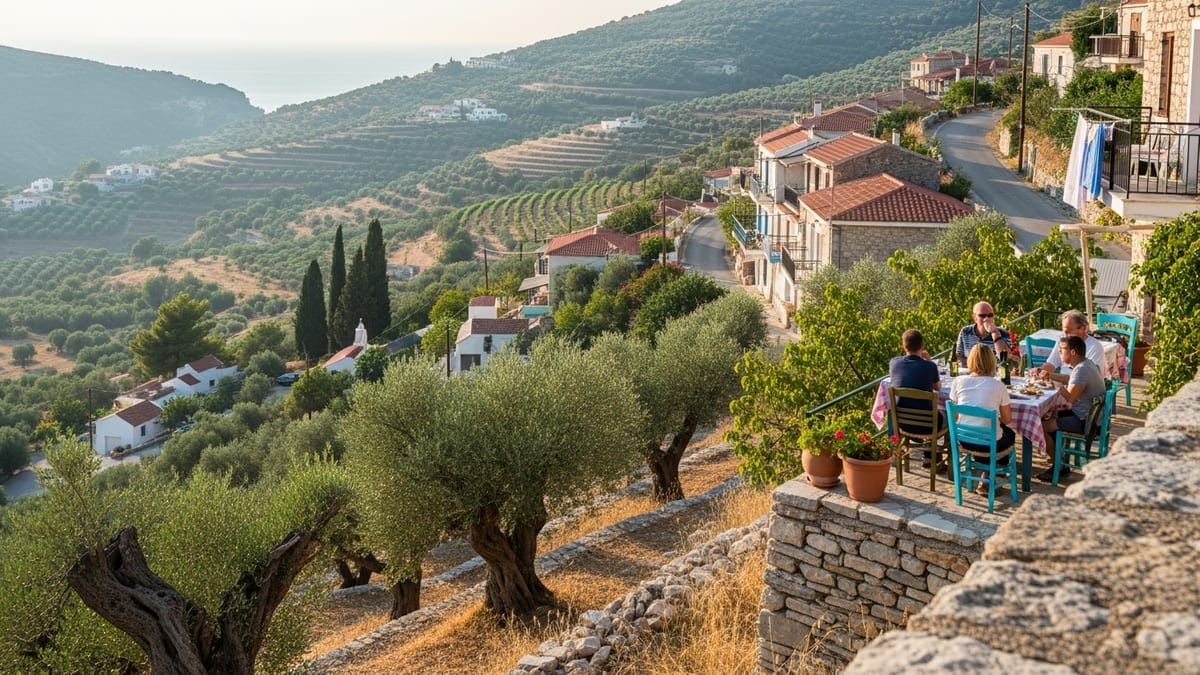
Once you turn away from the ring road that hugs the coast, Zakynthos changes personality. The interior is a land of terraced fields, vineyards, old olive trees, and stone houses with red-tiled roofs. Traffic thins to a few local cars and the occasional farm truck, and it becomes much easier to imagine the island as it existed before mass tourism. Here, traditional villages and hilltop viewpoints provide an antidote to crowded beaches.
Mountain Villages Around Volimes
The northern interior around Volimes remains one of Zakynthos’s most traditional areas. The main village and its smaller neighbors like Ano Volimes and Maries are built among pine forests and farmland, with family-run tavernas and small craft shops clustering along the main roads. Many households still produce their own olive oil, honey, and cheese, which they sell from roadside stands.
Stopping in Volimes for lunch or a coffee break is as much about ambiance as sightseeing. You can wander past modest churches, watch older residents gossip on shaded benches, and experience the slower pace that dominates outside the resort clusters. Drivers should be prepared for narrow lanes and patient with agricultural vehicles, especially during harvest seasons.
Anafonitria Monastery and Island Saints
Near the village of Anafonitria, a 14th century monastery offers one of Zakynthos’s few substantial historic monuments. The complex, founded under Venetian rule, is best known as the place where Saint Dionysios, the island’s patron, spent his final years. Within the walls, frescoed chapels, shady courtyards, and worn stone passages evoke a time when the island’s spiritual and social life revolved around such institutions.
Visitors are welcome to walk the grounds respectfully, lighting a candle or pausing in the cool shadows of the church. Dress modestly, especially in high season when the monastery receives more pilgrims and local families. Combined with a short walk or drive to nearby viewpoints overlooking the west coast cliffs, Anafonitria makes a thoughtful counterpoint to the island’s more commercial attractions.
Panoramic Sunset Spots in the West
Zakynthos’s west coast is all about altitude and sunset. Cliffs plunge sharply into deep blue water, and settlements cling to ridgelines rather than shorelines. Scattered along this edge are a handful of tavernas and outlooks that have become informal sunset gathering points. Many offer simple, homely menus based on local ingredients and wide terraces with unbroken views across the Ionian Sea.
Booking ahead in the high season is wise, as sunset tables are often snapped up days in advance. Arriving early lets you watch the light change from full afternoon glare to the warm gold that gives the cliffs their best color. On clear days, you may see distant islands and fishing boats catching the last of the light before turning back to harbor.
Hiking in the Vrachionas Range and Mount Skopos
For those who prefer to explore on foot, Zakynthos does offer limited but rewarding hiking. The backbone of the island, the Vrachionas mountain range, rises gently in the center, with the summit of Vrachionas itself reaching just under 760 meters. Tracks and old mule paths from villages like Gyri and Loucha wind through pine woods and over open slopes with views north to Kefalonia and south toward the Marine Park.
Closer to Zakynthos Town, the smaller Mount Skopos offers a shorter ascent with broad vistas over the eastern coast and inland plains. Trails start near Argassi and climb past chapels and ruins, eventually reaching a small summit church. While waymarking can be inconsistent, local hiking groups and guesthouses can often suggest current routes and conditions. In summer, early starts are essential to avoid midday heat; spring and autumn offer more comfortable temperatures and greener landscapes.
Cultural Experiences and Local Flavors
Zakynthos has a distinctive cultural identity shaped by centuries of Venetian, French, British, and Greek rule. This heritage shows up in its music, architecture, religious festivals, and food. While beach resorts often lean into generic tourist menus and entertainment, venturing into town neighborhoods and villages opens doors to a more genuinely Zakynthian experience.
Museums and Neoclassical Echoes in Zakynthos Town
Zakynthos City, rebuilt after a devastating earthquake in the 1950s, preserves elements of its earlier Venetian and neoclassical style in rebuilt facades and squares. St. Mark’s Square and Solomos Square form the heart of the town, with arcaded walkways, cafes, and public buildings that hint at a cultured past when the island produced poets, composers, and writers.
The Museum of Solomos and Eminent Zakynthians, housed near St. Mark’s Square, commemorates the island’s leading literary and artistic figures. Exhibits include manuscripts, portraits, and personal artifacts that trace the careers of Dionysios Solomos, author of the “Hymn to Liberty,” and other influential locals. Nearby, the Byzantine Museum of Zakynthos showcases religious icons and artworks salvaged from churches destroyed in the earthquake. Together, these institutions offer a compact introduction to the island’s intellectual and artistic legacy.
Music, Festivals, and Local Traditions
Music has long been central to Zakynthian life. Traditional serenades, known locally for their layered harmonies and guitar accompaniment, once echoed through town alleys and village squares. While this practice has faded, some tavernas and cultural associations still organize evenings of live music, particularly around major religious feasts and in the summer season.
Religious processions, especially those honoring Saint Dionysios, remain major events on the local calendar. They combine solemn ritual with social celebration, drawing residents from across the island. Even if your visit does not coincide with a major feast, you may encounter smaller parish festivals in villages, where food, music, and dance spill into the streets after church services.
Wine, Olive Oil, and Local Produce
Zakynthos’s fertile soil supports vineyards and olive groves that have been tended for generations. Several family-run wineries now open their doors to visitors for tastings of local varieties, often paired with simple snacks of bread, cheese, and olives. These visits give a sense of how small-scale agriculture persists alongside tourism as an economic pillar.
Olive oil producers, many of them blending traditional stone presses with modern equipment, also welcome guests for short tours and sampling. In village shops and at roadside stalls, you will find bottled oil, honey flavored with thyme or pine, jams, and sweets made from local fruit and nuts. Buying directly from producers and cooperatives channels your spending into the island’s rural economy and often results in more distinctive souvenirs than mass-produced trinkets.
Zakynthian Cuisine at Family-Run Tavernas
Beyond the standard grilled fish and Greek salads, Zakynthos has its own take on Ionian cooking. Local tavernas may serve slow-cooked meat stews, baked dishes featuring courgettes, aubergines, and potatoes, and fresh pasta with tomato sauces that reflect Italian influences. In coastal areas, octopus, sardines, and other seafood often appear simply grilled, accompanied by lemon and local greens.
Seek out tavernas with predominantly Greek clientele, daily handwritten menus, and a short list of seasonal dishes. Portions tend to be generous, and staff will usually steer you toward house specialties or plates suited for sharing. House wine, often produced on the owner’s land, is usually good value and comes in carafes rather than bottles.
Active Adventures on Land and Sea
While many visitors are content to swim and sunbathe, Zakynthos lends itself to more active pursuits that unlock corners of the island most day-trippers never see. From sea kayaking along quiet stretches of coast to cycling through vineyards, these activities offer a different perspective on the landscape and a chance to balance indulgent meals with time outdoors.
Sea Kayaking and Stand-Up Paddleboarding
The island’s indented coastline, with its mix of cliffs, small beaches, and sheltered bays, is ideal for human-powered exploration. Outfitters based in resorts such as Tsilivi, Alykanas, and Vasilikos offer guided sea kayak trips that skirt the coast, slipping into small coves and around rocky outcrops inaccessible to larger boats. Early morning departures are particularly atmospheric, with calm water and quieter beaches.
Stand-up paddleboarding, widely available at major beaches, provides a more relaxed way to glide over clear shallows and peer down at seagrass beds and fish. Beginners can stick to sheltered bays, while more experienced paddlers sometimes join sunset excursions that combine gentle exercise with views of the sky and sea gradually changing color.
Snorkeling and Introductory Diving
Zakynthos is not a top-tier diving destination by global standards, but its clear water and rocky reefs do provide enjoyable snorkeling and beginner-friendly scuba experiences. Dive centers based in Laganas, Kalamaki, and other resorts run daily boat trips to underwater caves, walls, and seagrass meadows, with visibility often exceeding 20 meters in good conditions.
Snorkelers can explore around rocky headlands at beaches like Porto Limnionas and Porto Roxa on the west coast, where ladders and platforms carved into the rocks facilitate entry into deeper water. Simple gear like a mask, snorkel, and fins is sufficient for most sites, though a rash guard or light wetsuit can make longer sessions more comfortable outside the warmest months.
Cycling Quiet Rural Roads
Cycling is another low-impact way to discover Zakynthos’s countryside. While the main coastal roads can be busy and not especially pleasant for inexperienced riders, the interior is laced with quiet lanes between villages and farms. Rental shops in larger resorts sometimes provide trekking bikes or e-bikes, and guided tours may include support vehicles and planned stops at viewpoints, churches, and small producers.
The gentle gradients of the central plains make for easy half-day outings, while more committed cyclists can tackle hillier circuits that climb into the Vrachionas range. In all cases, start early to avoid midday heat, carry plenty of water, and be cautious on descents, where road surfaces can be uneven and goats or dogs may appear unexpectedly.
Planning Your Stay and Practical Tips
Turning Zakynthos into a fulfilling destination beyond Navagio requires a bit of forethought. The island remains seasonal, with most tourist services operating between roughly late April and October, and conditions on both land and sea changing from month to month. A few key decisions about timing, base, and transport will shape how deeply you can explore.
Choosing When to Visit
High summer, from late June through August, brings hot temperatures, crowded beaches, and the fullest schedule of boat trips and nightlife. If you are determined to travel at this time, booking accommodation, car hire, and any specialist activities well in advance is vital, and you should expect queues at popular sites.
Shoulder seasons are often more rewarding. May and early June feature milder temperatures, wildflowers, and a quieter atmosphere, though some seasonal businesses may still be ramping up. September and early October combine warm sea temperatures with fewer crowds and softer light, ideal for hiking, cycling, and long days on the water. Winter and early spring see many tourist facilities close, but they can appeal to travelers focused on hiking, photography, and slow village life.
Where to Base Yourself
Your choice of base will influence what you experience of Zakynthos beyond Navagio. Each main area offers a distinct feel:
- Zakynthos Town suits visitors who value walkable restaurants, cultural sites, and easy bus or taxi access to nearby beaches.
- Laganas and Kalamaki provide proximity to the Marine Park’s beaches and turtle habitats, with a wide range of accommodation and nightlife in Laganas and a quieter feel in Kalamaki.
- Tsilivi and Alykanas on the northeast coast appeal to families and couples who want beach access with plenty of dining options but slightly calmer evenings than Laganas.
- Villages in the north and west, including around Volimes and Keri, offer a rural setting, closer contact with local life, and easy access to caves, cliffs, and sunset viewpoints.
Splitting a week between a coastal resort and a quieter inland or western village can deliver the best of both worlds: days by the water and evenings in more tranquil surroundings.
Getting Around the Island
Public transport on Zakynthos is limited, particularly outside the peak months, so most visitors rely on rental cars, scooters, or organized excursions. Car hire offers the greatest flexibility, allowing you to reach villages and viewpoints at off-peak times and to piece together spontaneous stops. Always check insurance terms, drive cautiously on narrow rural roads, and avoid night driving in the interior whenever possible.
For travelers who prefer not to drive, local agencies offer a growing menu of small-group tours that mix boat trips, monastery visits, and wine tastings. Taxis are readily available in Zakynthos Town and larger resorts but can be costly for long distances. During summer, bus services connect major resorts with Zakynthos Town and some beaches; timetables should be checked locally, as schedules can change from year to year.
Respecting Nature and Local Communities
Zakynthos’s appeal depends on the continued health of its marine ecosystems, rural landscapes, and village life. Visitors play a role in preserving all three. On beaches, respect nesting zones and guidance from marine park staff, minimize noise in the evening, and pack out all rubbish, including cigarette butts and plastic.
In villages and monasteries, dress modestly, ask before photographing people, and keep noise levels down late at night. Support businesses run by local families, whether you are booking a boat trip, choosing a taverna, or buying souvenirs. Small choices like eating at village-owned restaurants rather than large international chains help ensure that the benefits of tourism spread beyond the crowded resort strips.
The Takeaway
Navagio’s cliffs and shipwreck have earned their fame, but they are only a single chapter in Zakynthos’s story. Beyond that famous cove, the island reveals itself in quiet boat rides through glowing sea caves, in evenings spent in mountain villages where life still moves at an unhurried pace, and in the taste of wine and oil made from vines and trees that have anchored families for generations.
For travelers willing to look past the obvious photo stop, Zakynthos offers a remarkably diverse experience on a relatively small footprint: sea and mountains, conservation areas and nightlife hubs, historic monasteries and modern art museums. By balancing well-known highlights with time in its lesser-visited corners, and by traveling with a consciousness of the island’s environmental and cultural fragility, you can leave with far more than a single postcard picture.
FAQ
Q1. Is Zakynthos still worth visiting if I skip Navagio Beach?
Yes. While many people come for the shipwreck, Zakynthos offers Blue and Keri caves, traditional mountain villages, protected turtle beaches, vineyards, monasteries, and varied hiking and water activities that easily justify a multi-day visit without setting foot on Navagio.
Q2. When is the best time of year to visit Zakynthos for fewer crowds?
Late April to early June and September to mid-October usually offer warm weather and swimmable seas with fewer visitors. Boats, tavernas, and cultural sites operate normally, but beaches and roads are less crowded than in peak summer.
Q3. Do I need a car to explore beyond the main resorts?
A car is the most flexible way to reach villages, monasteries, and quieter coves, especially outside high season. However, it is possible to combine buses, taxis, and small-group tours if you prefer not to drive, as long as you plan ahead and allow for limited schedules.
Q4. Can I see loggerhead turtles without disturbing them?
Yes, by choosing licensed turtle-spotting cruises that follow marine park rules, keeping a respectful distance, limiting viewing time with any one animal, and avoiding loud noise or flash photography. On beaches, you should respect roped-off nests and any guidance from conservation staff.
Q5. Are there good options for hiking on Zakynthos?
Zakynthos has a modest but appealing network of trails, particularly in the central Vrachionas range and on Mount Skopos near Argassi. Paths may not be consistently marked, so local advice, proper footwear, early starts, and plenty of water are important.
Q6. What are some authentic local dishes to try?
Look for slow-cooked meat stews, baked vegetable casseroles, fresh pasta with tomato-based sauces, and simply grilled seafood. Many tavernas serve house wine from their own or nearby vineyards and side dishes featuring seasonal produce from local farms.
Q7. Where should I stay if I want a quieter experience?
Consider smaller villages in the north and west, such as those around Volimes or Keri, or choose Kalamaki or Alykanas over more nightlife-focused Laganas. Splitting time between a resort area and a rural base can balance convenience with tranquility.
Q8. Is Zakynthos suitable for families with children?
Yes. Many beaches gently shelve into shallow water, and resorts offer family-friendly facilities. Boat trips, short hikes, small museums, and wildlife experiences in the Marine Park can all be tailored for children, though parents should always follow safety guidance and respect wildlife rules.
Q9. How can I support sustainable tourism on the island?
Choose locally owned accommodation and restaurants, book eco-conscious tours, minimize plastic use, respect protected areas and cultural sites, and travel outside the peak weeks if possible. Spending money in village shops and at small producers helps sustain traditional livelihoods.
Q10. How many days do I need to see Zakynthos beyond Navagio?
A minimum of four to five full days allows time for at least one cave and coastline boat trip, visits to a few villages and monasteries, sampling local food and wine, and some hiking or water sports. A week gives a more relaxed pace and room for beach days and spontaneous discoveries.