

Arizona is a state of dramatic contrasts, where triple-digit desert afternoons can sit just a few hours’ drive from alpine meadows and snowy peaks. Choosing the best time to visit is less about picking a single month and more about matching Arizona’s varied seasons and regions to the kind of trip you want. From Phoenix and Tucson’s sun-soaked resorts to the Grand Canyon, Sedona’s red rocks, and the cool pines of Flagstaff, this guide breaks down what to expect by season so you can plan a safe, comfortable, and memorable journey.
Understanding Arizona’s Regions and Climate
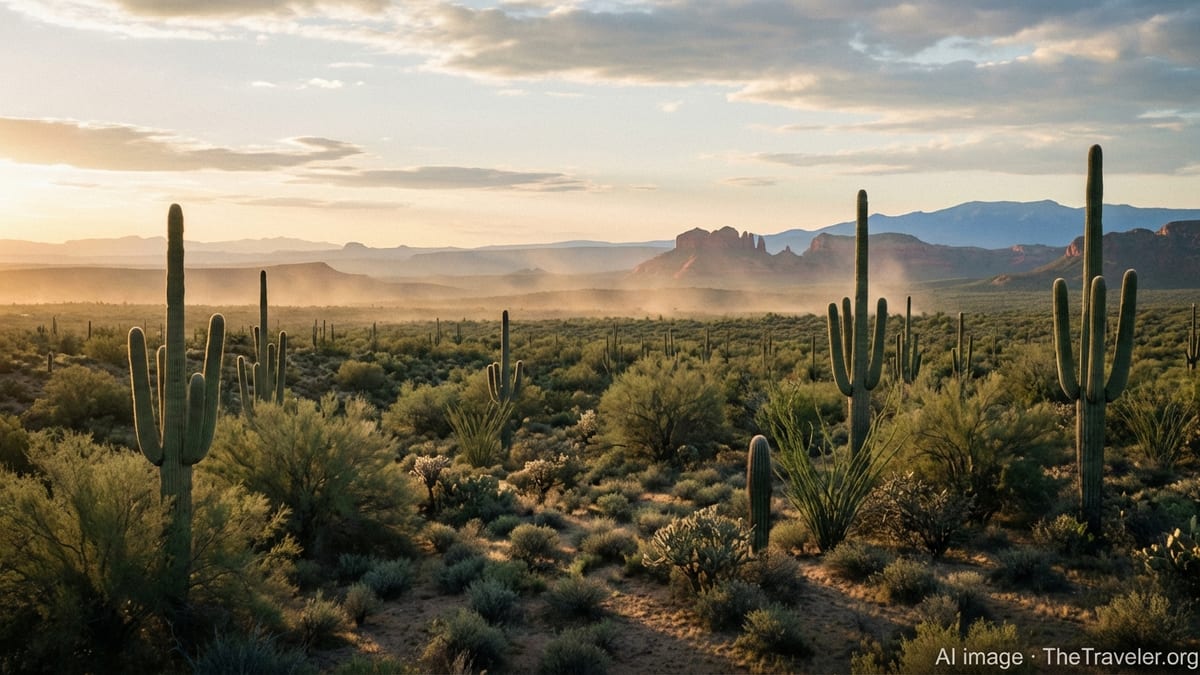
Arizona’s weather reputation is dominated by images of blazing desert sunshine, but the reality is more nuanced. The state stretches from low Sonoran Desert valleys under 1,500 feet to mountain communities above 7,000 feet. That elevation range creates multiple climate zones, so “best time to visit” depends heavily on where you are going. Phoenix, Scottsdale, Yuma, and much of southern Arizona experience long, intensely hot summers with very mild winters, while high-elevation destinations such as Flagstaff, the Grand Canyon’s South Rim, and the White Mountains see snowy winters and pleasantly cool summers.
Seasonal patterns are shaped by two main influences: winter storm systems that bring cooler temperatures and occasional rain or snow from late fall through early spring, and the North American monsoon, which delivers a surge of moisture and thunderstorms from roughly mid-July through early September. In practice, that means Arizona’s hottest months can also be stormy and humid, especially in central and southern parts of the state. Traveling here comfortably is about working with these rhythms, not against them.
For planning purposes, think of Arizona in three broad bands. The low desert includes Phoenix, Tucson, and the southwestern corner near the California border, where winter is peak visitor season thanks to warm, dry days. The “transition zone” covers places like Sedona and Prescott, which sit between about 4,000 and 6,000 feet and enjoy four distinct seasons without the extremes of either the desert or the high mountains. Finally, the high country includes Flagstaff, the Mogollon Rim, the Grand Canyon’s rims, and the White Mountains, where winter sports and cool summers define the travel calendar.
Because conditions can vary dramatically over short distances, it is wise to check forecasts for your exact destinations rather than relying on a statewide outlook. In summer, that can mean driving from a 115-degree afternoon in Phoenix to a 75-degree evening in Flagstaff in a single day. In winter, it may mean dry pavement in the desert but snow-packed roads and chain requirements in the mountains. A flexible itinerary that accounts for elevation, daylight, and seasonal hazards will pay off with smoother travel.
Winter (December to February): Mild Desert Days and Snowy Rims
Winter is prime time for the low deserts of Arizona. From roughly December through February, Phoenix, Scottsdale, and Tucson typically see sunny days with afternoon highs often in the 60s and 70s Fahrenheit and cool, crisp nights. These months are especially appealing for golf, hiking in the early and late parts of the day, desert wildflower scouting in late winter if rains have been generous, and city exploring without the exhausting heat of summer. It is also when major events and tournaments draw visitors, so hotel rates tend to be at their highest in popular metro areas.
In contrast, the high country is firmly in winter mode. Flagstaff, the Grand Canyon’s South Rim, and the North Rim region all experience regular snow, icy conditions, and subfreezing nights. At the South Rim, winter brings quiet trails, dramatic snow-dusted views, and thinner crowds, but also the possibility of temporary road closures during storms and slippery paths along the canyon edge. The North Rim has been especially affected by recent wildfire damage and seasonal closures, with access restricted for extended periods; travelers planning trips in the 2025 to 2026 window should confirm current status before committing to dates.
For many visitors, winter offers the best compromise: you can enjoy comfortable daytime hiking in the desert, then drive to the snow for a day of skiing or sledding in the mountains. The trade-off is shorter daylight hours and the occasional winter storm, particularly from January into early March. If you plan to drive between regions, carry layers, a warm jacket, and be prepared for fast-changing conditions. Desert nights can turn surprisingly cold, even close to freezing, once the sun sets.
Overall, winter is an excellent time for first-time visitors focused on the Phoenix and Tucson areas, cultural attractions, and light outdoor activities. It is less ideal if your main goal is extensive backcountry hiking in the high country, where trails can be snow-packed or icy. For those who appreciate winter scenery and are comfortable driving in occasional snow, however, the combination of quiet national parks and clear, cold air can be rewarding.
Spring (March to May): Shoulder Season Sweet Spot
Spring is widely regarded as one of the best overall times to visit Arizona. From March through May, temperatures in the low desert climb steadily from pleasantly warm to hot, but generally remain manageable, especially earlier in the season. Phoenix and Tucson afternoons often sit in the 70s and 80s Fahrenheit in March, rising into the 90s closer to May. Mornings and evenings remain comfortable, making this a prime season for hiking, scenic drives, and outdoor dining. Spring training baseball, desert botanical blooms, and festival calendars also draw crowds, so it is smart to book accommodations ahead.
Higher-elevation destinations experience a different kind of spring. In Sedona, Prescott, and similar mid-elevation towns, days warm into the 60s and 70s, with chilly nights lingering into April. This is a particularly good window for red-rock hikes before summer heat builds, although popular trails can be busy during school breaks. In Flagstaff and around the Grand Canyon’s South Rim, snow can persist into March, but by April and May many trails begin to clear. Daytime temperatures trend cool to mild, ideal for active travelers who prefer layering up over sweating through summer extremes.
Spring is also when wildflowers may put on a show, particularly in March and early April, depending on winter rain patterns. Bloom intensity varies from year to year, but lower elevations along highways and desert parks often see carpets of color. If you are hoping to photograph flowers or enjoy scenic drives through blooming landscapes, plan on flexibility and be ready to adjust your route toward whichever region is peaking while you are in the state.
Because heat-related incidents can begin as early as April on exposed trails, it is important not to underestimate the sun even in spring. Early-season heat can catch visitors off guard, especially those who are not yet acclimated. Hike at dawn or in the late afternoon, carry more water than you think you need, wear sun protection, and pay attention to trail advisories. With that preparation, spring delivers perhaps the best balance of comfortable weather, open roads, and varied landscapes across the state.
Summer (June to August): Extreme Heat and High-Country Escapes
Summer in Arizona is dominated by heat in the low desert. In Phoenix and much of southern and western Arizona, daily highs from June through August commonly exceed 100 degrees Fahrenheit, with extended stretches above 110 not unusual. Overnight temperatures can remain warm, offering little relief during major heatwaves. Heat-related illness and fatalities are a serious concern, and local authorities emphasize a safety-first approach that includes limiting midday outdoor activity, hydrating aggressively, and using air conditioning or cooling centers during the hottest parts of the day.
The hottest weeks, typically from late June into August, see many popular urban hiking trails implementing restrictions or closures during extreme heat warnings to reduce rescues and medical incidents. Visitors who want to be active outdoors should plan pre-dawn starts, choose shorter, shaded routes when possible, and treat the forecast with respect. For many travelers, summer is better suited to resort stays built around pools, spas, and brief early-morning or late-evening outings rather than all-day adventures.
At the same time, summer can be the best season to explore Arizona’s higher elevations. Flagstaff, the Mogollon Rim, the White Mountains, and other mountain regions offer daytime highs that are often 20 to 30 degrees cooler than the deserts, drawing locals and visitors seeking relief. Campgrounds, lakes, and forest trails are in full swing, and long daylight hours extend your time outside. Around the Grand Canyon’s South Rim, summer is peak visitation season, with comfortable rim temperatures but potentially dangerous heat within the inner canyon, where the Colorado River corridor can be significantly hotter.
If your schedule only allows for a summer trip, focus your time on the high country and be strategic about low-elevation stops. Book mountain accommodations well in advance, as demand for cabins and campsites is high. When passing through the deserts, build in indoor sightseeing, such as museums and galleries, for midday and use the cooler early hours for any necessary outdoor activities. With careful planning, it is possible to enjoy Arizona in summer, but this is not the season for spontaneous long hikes in the low desert or ignoring local heat advisories.
Monsoon Season (Mid-July to Early September): Storms, Humidity, and Hazards
Arizona’s monsoon season is a defining feature of its summer climate, usually unfolding from around mid-July through early September. During this period, a shift in regional wind patterns allows moisture to flow into the state, fueling afternoon and evening thunderstorms, especially across central and southern Arizona and the high country. These storms can bring dramatic lightning, intense but brief downpours, gusty winds, and localized hail. For travelers, the monsoon offers striking skies and cooler bursts of rain, but it also introduces specific safety considerations.
In urban areas, monsoon storms can lead to sudden street flooding, downed power lines, and dust storms that reduce visibility on highways. In canyon and mountain environments, flash flooding is a serious hazard. A storm that forms miles away can send a sudden surge of water through a narrow canyon or dry wash, turning a peaceful hike into a life-threatening situation. Even at the Grand Canyon, where views of building clouds can be spectacular, lightning, slick trails, and rapidly changing conditions demand caution and situational awareness.
Humidity also increases during the monsoon, which can make high temperatures feel more oppressive for those accustomed to Arizona’s typically dry heat. At lower elevations, the combination of heat and moisture raises the stress on the body, even when actual air temperatures dip slightly compared with the hottest weeks of June. Visitors who are sensitive to humidity or storms should take these factors into account when planning an August trip, particularly if they intend to be active outside or camp in exposed locations.
Despite the risks, monsoon season can be a rewarding time to visit if you are prepared. Afternoon thunderstorms often clear to reveal glowing sunsets and dramatic cloudscapes. Daytime temperatures in the high country are comfortable for hiking and camping, while desert mornings and late evenings can be pleasant. Build flexibility into your plans so you can adjust activities around storm forecasts, avoid slot canyons and narrow washes, and heed all flash flood warnings. When treated with respect, the monsoon adds an unforgettable dimension to the Arizona experience.
Autumn (September to November): Cooler Days and Colorful Landscapes
Autumn is another strong contender for the best time to visit Arizona, particularly from late September through early November. As summer heat eases, the deserts gradually shift back toward comfortable daytime highs and cooler nights. In Phoenix and Tucson, September can still be hot, but by October and November many days settle into the 70s and 80s Fahrenheit, ideal for outdoor dining, sightseeing, and shorter hikes. Humidity drops as the monsoon winds down, making the air feel noticeably more pleasant.
In the transition zones and high country, fall brings crisp mornings and the spectacle of changing leaves. Aspen groves near Flagstaff and along the Mogollon Rim typically turn shades of gold in late September and early October, though the exact timing varies year by year with temperature and rainfall patterns. Sedona’s oak- and cottonwood-lined canyons frequently display color later into October and early November. Crowds in some mountain areas remain steady on peak-color weekends but are generally lighter than the midsummer surge.
For national park travelers, autumn offers a balance of reduced crowds and still-favorable weather, especially at the Grand Canyon’s South Rim and in other high-elevation parks and monuments. While certain areas, such as the Grand Canyon’s North Rim, have recently faced extended closures due to wildfire damage and seasonal storms, many other high-country destinations are fully accessible in early fall. As winter approaches, storms become more likely and nights can turn cold quickly, so packing layers and paying close attention to forecasts becomes increasingly important.
Overall, autumn is particularly appealing for road trippers who want to experience multiple regions in a single journey. It is possible to start a day under cool, clear skies along a mountain trail and finish with a warm evening in a desert city. Lodging availability and prices are often more forgiving than in peak winter and spring seasons, though holiday weekends and festival periods still warrant early bookings. For many repeat visitors, fall’s combination of moderate weather, scenic color, and manageable crowds makes it an ideal time to return to Arizona year after year.
Regional Highlights: Matching Destinations to the Season
Because Arizona’s landscapes span such a wide range of elevations and ecosystems, the “best” season is different for each major region. For the Phoenix and Scottsdale metro area, winter and early spring stand out for reliably warm, dry, and sunny days that are comfortable for most outdoor activities. Late autumn can be almost as pleasant, with fewer crowds and somewhat lower prices. Summer is still possible for urban travelers focused on resort amenities, but outdoor exertion should be treated cautiously and limited to the coolest hours.
Tucson and southern Arizona have a slightly milder version of the same pattern, with winter and spring again providing the best mix of comfortable temperatures and clear skies. The nearby sky islands, such as Mount Lemmon, offer quick escapes to cooler air even in warmer months. For visitors interested in birding, desert ecology, and cultural sites, late winter through early spring is often ideal, though monsoon season can bring lush, green landscapes and unique wildlife activity.
Sedona, Prescott, and similar mid-elevation towns are perhaps most attractive in spring and autumn, when daytime highs are moderate, skies are often clear, and trails are accessible. Summer is warmer but still manageable compared with the low desert, especially if you can time hikes for early and late in the day. Winter brings occasional snow and chill but also quiet trails and moody, beautiful light on the red rocks, making it an appealing off-season option for prepared travelers.
In the high country, including Flagstaff, the White Mountains, and the Grand Canyon’s South Rim, summer and early autumn are the main seasons for hiking, camping, and scenic drives, with cool air that contrasts sharply with the heat below. Winter turns these areas into hubs for snowplay and skiing, while spring can be shoulder season with lingering snow but growing access. Given recent wildfire impacts and occasional infrastructure issues, such as water-line breaks affecting Grand Canyon lodging, it is increasingly important to verify the status of facilities, trails, and access roads close to your travel dates, especially if your itinerary depends on specific park services.
The Takeaway
Arizona rewards travelers who match their timing and expectations to the state’s diverse climates. If you want sun-soaked pool days and mild evenings in the city, target winter and early spring in the low desert. If you are drawn to alpine meadows, cool forests, and crisp nights, plan for summer or early autumn in the high country. For wide-ranging road trips that sample both desert and mountains, spring and fall shoulder seasons offer the most flexibility and comfort.
Safety should be central to any Arizona itinerary, particularly when heat or storms are in the forecast. Extreme summer temperatures in the deserts are not an exaggeration, and monsoon thunderstorms, dust storms, and flash floods can develop quickly. Build your days around early starts, ample water, sun protection, and a willingness to adjust plans as conditions change. Pay attention to local advisories, trail closures, and public health resources that address heat and weather risks.
Despite these considerations, Arizona remains one of the most rewarding year-round destinations in the United States. Its combination of desert vistas, canyon panoramas, mountain forests, and vibrant cities means there is almost always a region enjoying comfortable weather at any given time of year. With thoughtful planning and seasonal awareness, you can time your visit to capture Arizona at its best, whether that means winter sunshine in the Sonoran Desert, summer breezes among the pines, or golden aspens and red rocks glowing under an autumn sky.
FAQ
Q1. What is the best month overall to visit Arizona?
There is no single best month for the entire state, but April and October are often ideal for combining desert cities, red-rock country, and high-country viewpoints with generally comfortable temperatures and fewer extremes.
Q2. Is it safe to visit Arizona in summer?
It can be safe if you plan carefully, limit midday outdoor activity, prioritize higher-elevation destinations, stay hydrated, and follow heat advisories and trail closures. However, visitors unaccustomed to extreme heat should treat June through August in the low desert with particular caution.
Q3. When is monsoon season in Arizona?
Monsoon conditions typically develop from around mid-July and last into early September, bringing increased humidity and frequent afternoon and evening thunderstorms, especially in central and southern Arizona and the high country.
Q4. What is the best time to visit the Grand Canyon?
For many travelers, late spring and early autumn, roughly May and September to early October, offer the best mix of pleasant temperatures, mostly clear trails, and reduced crowds compared with the summer peak.
Q5. Are Arizona winters warm enough for swimming?
In the low desert, winter days are often warm enough for lounging by a heated pool, but unheated pools can feel quite cool. Evenings and mornings are usually too chilly for comfortable swimming without warmed water.
Q6. When do wildflowers bloom in Arizona?
Wildflower displays typically appear from March into early April at lower elevations, then progress to higher ground later in spring. The intensity and timing vary year to year depending on winter rainfall and temperature patterns.
Q7. Which season is best for hiking in Arizona?
For desert hikes, late fall through early spring offers the safest conditions, especially from November through March. In the high country, late spring through early autumn is best, with summer and early fall particularly favorable for longer trails.
Q8. How early should I book Arizona hotels during peak seasons?
In popular areas such as Phoenix and Scottsdale in winter or the Grand Canyon in summer, booking several months in advance is advisable. Shoulder seasons often provide slightly more flexibility but still benefit from early reservations in high-demand towns.
Q9. Is autumn a good time to visit Sedona?
Yes, autumn is one of Sedona’s best seasons. Daytime temperatures are generally comfortable, skies are often clear, and fall color in nearby canyons adds extra scenery, especially from late October into early November.
Q10. What should I pack for a spring trip that includes both desert and mountains?
Plan for layers: lightweight clothing and sun protection for warm desert days, along with a fleece or warm jacket, hat, and possibly gloves for cool mountain mornings and evenings. Comfortable walking shoes, a reusable water bottle, and a rain shell for passing showers are also useful.