

Colorado wears its seasons loudly. In winter, high peaks glitter with fresh powder and chairlifts hum from dawn to dusk. By summer, those same slopes explode with wildflowers, alpine lakes thaw into mirrors of blue sky, and trailheads fill with hikers instead of skiers. Deciding when to visit is less about finding a universally perfect month than choosing what kind of Colorado you want to experience. This guide breaks down ski season versus summer adventures, so you can match your trip to the snow, sun, and crowds that fit you best.
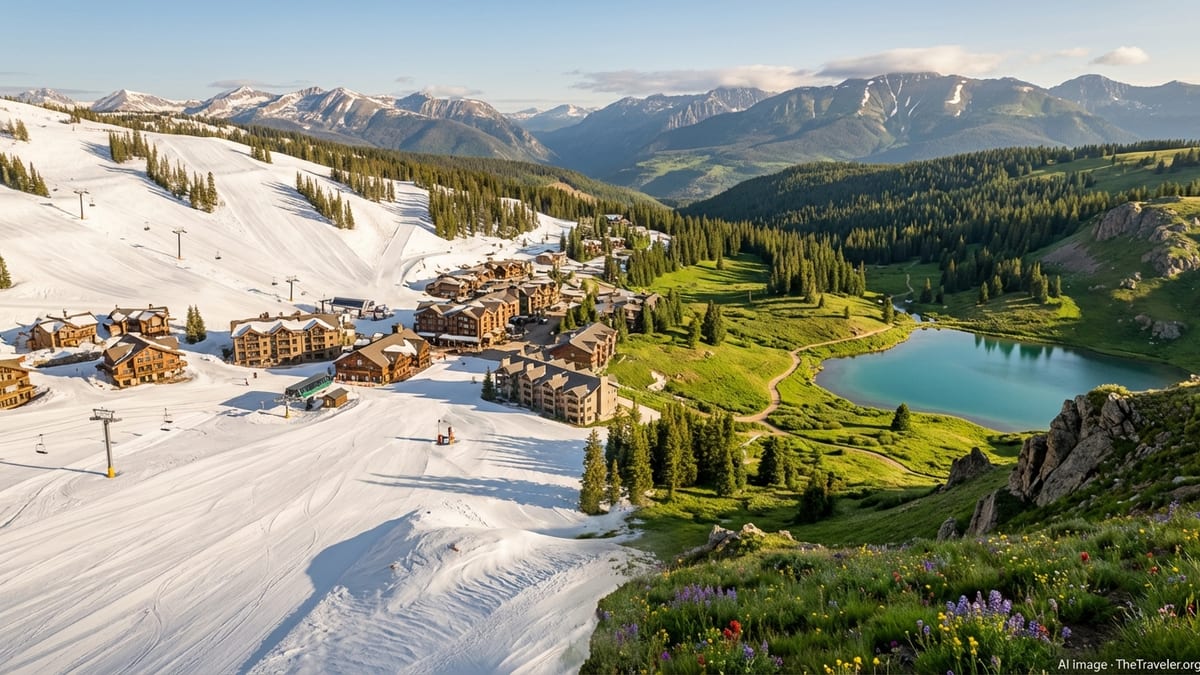
Understanding Colorado’s Seasons and Weather
Colorado’s dramatic elevation changes shape its seasons far more than the calendar alone. Cities on the Front Range, such as Denver and Colorado Springs, sit around 5,000 to 6,000 feet, while resort towns like Breckenridge, Vail and Telluride rise thousands of feet higher. That vertical gain means a chilly snowstorm at 10,000 feet can coincide with mild sunshine and dry sidewalks on the plains below. Snow can fall in the mountains from October into May in many years, while lower valleys feel solidly springlike by April.
Winter brings the cold and snow that fuel Colorado’s world-famous ski industry. The core ski season typically runs from late November through early April, with the most reliable conditions from January through March. March is often the snowiest month in many mountain areas, helping build deep bases that carry some resorts into late April or even May in good years. Visitors planning to ski should be prepared for temperatures well below freezing overnight and brisk days, especially at higher elevations and on exposed ridgelines.
Summer in Colorado usually begins to settle in by mid to late June in the high country, once lingering snow melts from most lower alpine trails. July and August are the warmest months, with comfortable daytime temperatures in the mountains and hot, dry afternoons on the plains. Afternoon thunderstorms are common in midsummer, building quickly and rolling through with rumbles of thunder, sharp lightning and brief, intense bursts of rain or hail. By late September, crisp nights return and leaves begin to turn gold, signaling another shift in the seasonal rhythm.
Climate patterns and year-to-year variability are increasingly important to consider. In some recent winters, snowpack in parts of Colorado has been significantly below average, leading to delayed resort openings and reduced terrain, especially early in the season. Similarly, hotter and drier summers can heighten wildfire risk and bring smoke to some regions. When timing your trip, it pays to plan around historical norms but stay flexible and check current conditions close to your travel dates.
Colorado Ski Season: Powder, Peaks and Holiday Crowds
Colorado’s ski season is what many travelers picture first: snow-draped peaks, buzzing base villages and the satisfying burn of legs after a day on the hill. Most major resorts open in late November or early December, though a few high-elevation areas sometimes spin lifts as early as October for limited terrain. Peak winter hits between late December and early March, when colder temperatures and repeated storms typically offer the best conditions for groomers, bowls and glades.
Each winter month brings distinct trade-offs. December offers holiday lights, festive events and a strong sense of celebration in towns like Aspen, Breckenridge and Vail, but it can also mean the highest prices and thickest crowds, especially around Christmas and New Year’s. January often delivers cold, consistent snow and slightly thinner crowds once the holidays pass, appealing to travelers who prioritize conditions over nightlife. February and March traditionally combine deep snowpack with longer daylight, making them a sweet spot for many skiers and snowboarders who want both powder and more comfortable daytime temperatures.
Colorado’s altitude is a huge asset for reliable snow but also a factor to respect. Resorts routinely operate with base areas around 8,000 to 9,000 feet and top lifts over 11,000 feet, where thinner air can leave visitors short of breath and more prone to altitude-related headaches or fatigue. Arriving a day early in a lower-elevation city, hydrating well and pacing your first ski day can make a big difference. Layered clothing is essential in winter, since a sunny, windless morning can feel pleasant, while an afternoon storm with high winds can send the wind chill plunging.
Off the slopes, ski season in Colorado means lively après-ski scenes, winter festivals, torchlight parades and bustling restaurants. Mountain towns buzz with energy on weekends and during school breaks. That atmosphere is part of the appeal, but it also contributes to higher lodging rates, fuller restaurants and booked-up ski schools. If you hope to visit during prime winter weeks, reserving accommodations, lift tickets and lessons well ahead of time is crucial.
Summer in Colorado: Trails, Rivers and High-Altitude Sunshine
When ski lifts slow in spring, Colorado does not go quiet. Instead, its focus shifts from snow to sun. By June in many mountain regions, meadows begin to turn green and rivers swell with snowmelt, inviting rafters and kayakers. July and August typically bring reliable warmth in the mountains, cool nights, and a daily rhythm of clear mornings followed by afternoon thunderstorms that sweep across ridgelines and valleys.
For hikers and backpackers, the period from mid-July through late August is often prime time. Many high-elevation trails that are snowbound in early summer finally open, granting access to alpine lakes, panoramic passes and the state’s famous “fourteeners,” peaks that rise above 14,000 feet. Wildflower displays around places such as Crested Butte and the San Juan Mountains often peak in July, turning hillsides into mosaics of color. Mountain bikers also benefit from dry singletrack and lift-served bike parks at several ski resorts that pivot to summer operations.
Colorado’s summer is not only about trails. Whitewater rafting on rivers like the Arkansas, Colorado and Animas is generally strongest in late spring and early summer when snowmelt surges, then mellows into later-season family-friendly floats. Summer also brings a full calendar of events in towns across the state, from classical music and dance festivals in the high country to rodeos, cultural celebrations and food-focused gatherings in cities and smaller communities.
Even in the warmest months, weather at altitude can change rapidly. Morning temperatures can feel brisk at 10,000 feet, warming into the 60s or 70s Fahrenheit before an afternoon storm cools the air again. Sun exposure is intense at elevation, making sunscreen, hats and sunglasses just as important as a rain jacket and an insulating layer. Visitors who plan full-day hikes or climbs should aim to start early so they can be off exposed summits and ridgelines before thunderstorms and lightning typically build in the afternoon.
Shoulder Seasons: Spring Slush and Golden Autumn
Between winter’s powder days and summer’s trail adventures lie Colorado’s shoulder seasons, which can be surprisingly rewarding for flexible travelers. Late March and April often deliver a mix of lingering storms and sunny afternoons, creating classic spring skiing conditions. Many high-elevation resorts stay open well into April, and some even into May in good snow years, offering softer snow, longer days and a more relaxed, local feel than the height of winter.
However, spring also brings what locals sometimes call “mud season” in some mountain valleys, especially from late April into May. As snow melts, trails at lower elevations can turn muddy and some mountain passes remain closed by snow. Many businesses in small resort towns take this window to remodel or give staff time off, so visitors may find fewer dining and lodging options and quieter streets. On the plus side, hotel deals can be excellent, and those who enjoy peaceful walks, photography and soaking in hot springs often appreciate the slower pace.
Autumn, particularly late September through early October, is another transitional period that draws travelers who love fall color and crisp air. Colorado’s iconic aspen groves typically shift from green to bright gold and orange, transforming mountain roads and hiking routes. While snow is possible at higher elevations even in September, daytime temperatures are often comfortable, and the summer crowds have mostly thinned. This period suits road trips, shorter hikes and scenic drives more than high-alpine trekking, as some upper trails can see early snow or icy conditions.
Both shoulder seasons require travelers to pack for a wide range of conditions and to be flexible with plans. One day might invite a patio lunch in the sun, while the next brings a quick-moving snow squall. For visitors who value quieter towns, lower prices and a more local atmosphere, though, these in-between windows can be a compelling alternative to high season.
Ski Season vs Summer: How to Choose What Fits You
Choosing between a winter or summer visit to Colorado comes down to your priorities, travel style and comfort level with weather extremes. If your dream trip centers on skiing or snowboarding, winter is an obvious choice. The core window from January through March usually offers the deepest snowpack and widest terrain options, especially at major destination resorts. Travelers seeking lively nightlife, bustling villages and signature winter events will likely feel most at home from the December holidays through early March.
On the other hand, if you prefer hiking boots to ski boots, summer may align better with your idea of the perfect Colorado vacation. By July and August, many high-country trails have melted out, campgrounds are fully open and lakes invite everything from paddleboarding to fly-fishing. Families often find summer easier for logistics, since they can explore a broader range of activities across different elevations without dealing with icy roads or heavy winter gear.
Budget and crowd levels are another key comparison point. Ski season, especially during school breaks and long holiday weekends, tends to be the most expensive time to visit resort towns. Lodging, lift tickets and rental equipment can add up, and restaurants fill quickly. In contrast, while peak summer in famous spots like Estes Park, Aspen and Durango is still busy, prices in some places can be more moderate than at the height of winter. Shoulder-season visits in late spring and fall often offer the best value of all for those who do not need guaranteed skiing or high-country hiking.
Personal comfort with altitude and weather swings also matters. Winter cold can feel intense on a windy chairlift at 11,000 feet, while summer heat on the plains can climb quickly in the afternoon. Allergies, wildfire smoke and dust may flare for some visitors in late summer, while dry winter air can be rough on skin and sinuses. Thinking through your own preferences, health considerations and ideal daily pace will help clarify which season fits you best.
Regional Differences Across Colorado
Colorado’s sheer size and varied topography mean the “best time to visit” can differ across its regions. In the Central Rockies, home to well-known resorts such as Vail, Breckenridge and Copper Mountain, high elevation and north-facing slopes typically support a long ski season and relatively cool summers. Winter visitors here often enjoy reliable snow from mid-winter onward, while summer guests find easy access to hiking, biking and alpine lakes just a short drive or gondola ride from town centers.
Farther southwest, the San Juan Mountains around Telluride, Ouray and Durango deliver some of the state’s most dramatic scenery in all seasons. Winters can be snowy and occasionally more volatile to access due to mountain passes, but the reward is striking terrain and a slightly more remote feeling. Summers in this region are a favorite for wildflower chasers and travelers seeking a mix of outdoor adventure and historic mining towns with quieter streets than the Front Range resort corridor.
The Front Range itself, including Denver, Boulder, Fort Collins and Colorado Springs, experiences different patterns from the high country. Snowfall here is more intermittent than in the ski belt, and winter daytime temperatures can often climb into comfortable ranges between storms. Summer can be hot, especially on the urban plains, but access to nearby foothills and higher-elevation day trips offers easy respite. For travelers who want a mix of city culture and mountain excursions, the Front Range can be a convenient base regardless of season.
On the Western Slope, towns like Grand Junction and Montrose see milder winters with far less snow than the high Rockies, along with hot, dry summers. This part of Colorado is often best for shoulder-season explorations, when temperatures are moderate and surrounding wine country, desert landscapes and canyon trails appeal to those who prefer sun to snow. When planning a multi-stop itinerary, understanding these regional contrasts can help you place each destination in the season that suits it best.
Planning Tips for Winter Visitors
Winter travelers to Colorado benefit from early planning and realistic expectations. Booking flights, lodging and ski-related reservations several months ahead for popular dates such as the December holidays, Martin Luther King Jr. Day weekend and spring break significantly improves your chances of finding the options you want at acceptable prices. Flexible travelers who visit in early December, mid-January or early February outside school holidays can sometimes find better value and a bit more breathing room on the slopes.
Driving in winter conditions requires particular attention. Mountain passes can be snowy, icy or temporarily closed during major storms, and traction laws may require snow tires or chains for certain vehicles. Visitors should check highway forecasts frequently, leave extra time for travel days and be prepared to adjust schedules if a strong snow system moves in. Many travelers choose to use shuttle services, public transit or resort buses in winter rather than renting a car, especially if they plan to stay in a single ski town.
Packing smart for ski season means more than bringing heavy coats. Layering is crucial: thermal base layers, insulating midlayers and a waterproof outer shell allow you to adapt to temperature swings. Warm gloves or mittens, a hat or helmet-compatible liner, and neck gaiters can dramatically increase comfort on cold or windy days. Hydration and nutrition are equally important at altitude; carrying water, snacks and sunscreen, even in winter, helps maintain energy and avoid altitude-related discomfort.
Safety is another planning cornerstone. Staying on open, patrolled terrain if you are not experienced with backcountry travel reduces risk, particularly given Colorado’s recurring avalanche hazards in unmanaged areas. Those interested in venturing beyond resort boundaries should consider professional guiding services, avalanche education courses and appropriate equipment, then check daily forecasts before heading out. For most travelers, respecting boundaries and weather advisories ensures a rewarding winter visit focused on fun rather than unnecessary risk.
Planning Tips for Summer Visitors
Summer trips to Colorado offer greater flexibility than winter in some ways, but they still reward thoughtful preparation. Lodging in popular mountain towns can sell out during peak weeks such as early July, when Independence Day celebrations and festivals collide with school vacations. Booking accommodations, key activities and rental cars well ahead of time guarantees more choice, especially for national park gateway communities like Estes Park near Rocky Mountain National Park.
On the trail, timing and pacing matter. Many hikers aim to begin their outings early in the morning, both to take advantage of cooler temperatures and to reduce the chance of being caught above treeline during afternoon thunderstorms. Packing a lightweight waterproof jacket, warm layer, hat, sunglasses and plenty of water is wise even on seemingly benign days. Footwear with good grip suits the rocky, uneven surfaces common on Colorado paths, and trekking poles can offer extra stability at altitude.
Summer driving and road access can be affected by weather and construction. Seasonal mountain roads and passes often open sometime between late May and early July depending on snowpack and maintenance schedules, then may close again with the first significant snows in autumn. Travelers with specific scenic drives in mind should confirm typical opening periods and current conditions before finalizing dates. Wildfire season can also bring temporary closures, air quality concerns or detours, so building some flexibility into your itinerary is helpful.
Respect for the environment is particularly important in Colorado’s heavily visited summer landscapes. Practicing Leave No Trace principles, staying on established trails, and following local fire restrictions protect fragile alpine ecosystems and reduce the risk of human-caused wildfires. Simple steps such as packing out trash, using refillable water bottles and respecting wildlife viewing distances help ensure that the high country remains vibrant for future visitors.
The Takeaway
There is no single best month to visit Colorado, only the best month for the experience you want. If carving fresh tracks on snowy slopes, sipping hot chocolate beside a crackling fireplace and soaking up the energy of a busy ski village sound perfect, then aim for the heart of winter from January to March, with an eye on both current snow conditions and your appetite for crowds. If you dream of wildflower-lined trails, warm evenings on patios, music drifting across town greens and high passes open to hikers and road-trippers, then mid-summer from July through August will likely meet your expectations.
Shoulder seasons in spring and fall offer their own charms, from sunny spring skiing and quiet hot springs escapes to golden aspens and cool, crisp air. They reward visitors who can accept some uncertainty about which activities will be available in exchange for calmer streets and potential savings. In every season, planning ahead, watching the forecast and packing for rapid weather changes are the most reliable strategies for a smooth trip.
Ultimately, Colorado’s appeal lies in how different it feels from month to month. Whether you come for the rush of powder beneath your skis or the satisfaction of summiting a peak under bluebird skies, understanding the seasonal rhythms will help you choose wisely. With thoughtful timing, you can align your visit with the version of Colorado that speaks most clearly to you, and leave already planning your next trip in a different season.
FAQ
Q1. When is the best time to visit Colorado for skiing?
The most reliable skiing is usually from January through March, when snowpack is deepest and most resort terrain is open, though exact timing varies by year and elevation.
Q2. When is the best time to visit Colorado for hiking and outdoor summer activities?
For high-country hiking, backpacking and alpine lake visits, mid-July through late August generally offers the best combination of open trails, warmer temperatures and predictable access.
Q3. Is December a good month to ski in Colorado?
December can be wonderful, especially around the holidays, but early-season snow can be variable, so some years offer limited terrain while others feel close to mid-winter conditions.
Q4. How crowded are Colorado ski resorts during peak season?
Resorts can be very busy during Christmas and New Year’s, long holiday weekends and school spring breaks, with higher prices, longer lift lines and busier restaurants.
Q5. What is the weather like in Colorado in July and August?
July and August typically bring warm days and cool nights in the mountains, hotter afternoons on the plains, and frequent afternoon thunderstorms that build and pass quickly.
Q6. Are the shoulder seasons in Colorado worth visiting?
Yes, spring and fall often mean fewer crowds and better lodging deals, though some activities may be limited by lingering snow in spring or early storms in autumn.
Q7. How does altitude affect travel plans in Colorado?
High elevations can cause shortness of breath, headaches or fatigue, so visitors should hydrate well, ease into strenuous activity and consider spending a night at lower altitude before heading higher.
Q8. Do I need a car to visit Colorado in winter or summer?
A car offers flexibility, especially for exploring multiple regions, but in winter many ski areas are accessible by shuttles and transit, while summer visitors sometimes combine rental cars with guided tours.
Q9. When are Colorado’s fall colors at their peak?
Colorado’s aspens often reach peak color sometime between mid-September and early October, depending on elevation, latitude and yearly weather patterns, with higher areas changing earlier.
Q10. How far in advance should I book my Colorado trip?
For peak ski weeks and busy summer holidays, booking lodging and key activities several months in advance is wise, while shoulder seasons often allow for shorter-notice planning.