

Corfu is one of those islands that feels made for long, lazy days by the sea. Yet your experience on this lush Ionian escape can vary dramatically depending on when you go. Summer brings hot, beach-perfect weather and lively nightlife, while spring and autumn offer gentler temperatures, quieter lanes and more attractive prices. Winter, by contrast, belongs largely to locals and travelers who do not mind rain and closed resorts. Understanding Corfu’s seasons is the key to matching your trip with your priorities for weather, crowds and budget.
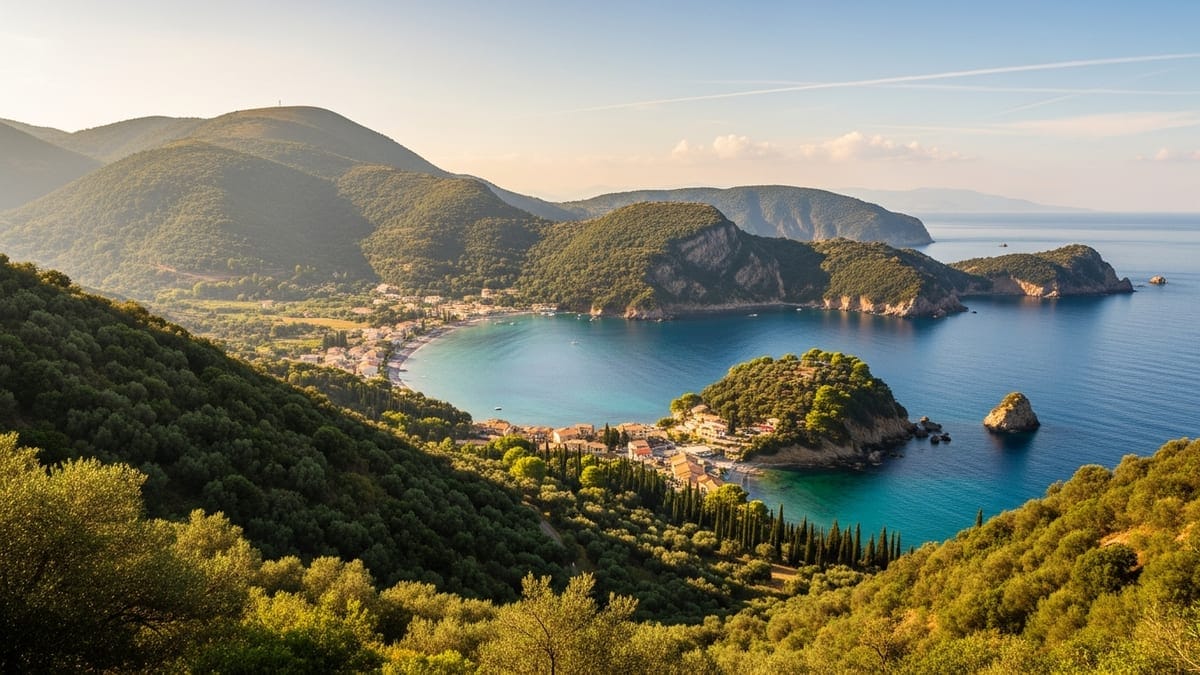
Understanding Corfu’s Climate and Tourism Seasons
Corfu sits in the northwest of Greece in the Ionian Sea, with a classic Mediterranean climate shaped by mild, wet winters and long, dry summers. Average daily maximums hover around 13 to 15 degrees Celsius (mid 50s Fahrenheit) in January and February, climbing steadily to around 29 to 32 degrees Celsius (mid to high 80s Fahrenheit) in July and August. Rainfall is heavily concentrated between November and March, while summer is notably dry and sunny.
The sea follows a similar seasonal rhythm. Winter water temperatures stay in the mid teens Celsius, cool for swimming, then warm steadily from late spring. By June, the sea is comfortably swimmable for most visitors, and by August it often reaches the mid 20s Celsius, ideal for long days in and out of the water.
Tourism in Corfu tracks this climate closely. The high season runs from roughly late June through August, when charter flights are busiest, resorts operate at capacity and prices are at their peak. The shoulder seasons of April to early June and September to October offer a softer version of summer, with fewer crowds and lower accommodation costs. From November to March, the island moves into low season. Many tourist-oriented businesses close, but airfares and hotel rates are at their lowest and you will often have villages, hiking trails and viewpoints almost to yourself.
When choosing the best time to visit, it is helpful to think in terms of trade-offs. The hottest and driest months coincide with the highest prices and busiest beaches. The quieter, cheaper periods bring more variable weather. Deciding which compromise suits you will define your Corfu experience more than any single attraction or hotel.
Summer High Season: Beach Weather and Bustling Resorts (June to August)
For travelers whose top priority is beach time, the high season months of June, July and August are the prime window. By June, average highs are already around the high 20s Celsius and July and August regularly reach 30 to 32 degrees Celsius in the afternoon. Rain is minimal, sunshine is abundant and the sea is warm enough for even the most cold-sensitive swimmers.
These conditions are perfect for days spent along Corfu’s coastline, from the sandy arcs of the west coast to the pebbly coves of the northeast. Boat trips to neighboring islets, long swims between rocky headlands and water sports from banana boats to stand-up paddleboarding are all in full swing. For families on school holidays, this is the most practical time to come, with reliable weather and a full slate of activities aimed at children and teens.
The trade-off is that you will share this idyllic setting with many other visitors. July and August in particular are the busiest months for Corfu’s main resort areas such as Kavos, Sidari and Paleokastritsa. Expect crowded beaches, busy tavernas and nightlife that runs late into the night in some towns. Popular viewpoints, UNESCO-listed Corfu Town and major beaches can feel congested by midday, especially when cruise ships are in port.
Prices reflect the demand. Airfares and ferry tickets climb during this period, and hotel rates are typically at their highest. Booking well in advance is almost essential for high-season stays at the island’s most desirable beach hotels and villas. If you want to enjoy summer conditions but prefer a slightly calmer version of the island, late June and the last days of August can offer a small but noticeable dip in both crowds and prices compared with peak school-holiday weeks.
Spring Shoulder Season: Flowers, Festivals and Gentle Warmth (April to early June)
Spring is an excellent time to visit Corfu if you value comfortable temperatures, vibrant landscapes and cultural experiences over scorching heat and wall-to-wall sunbathing. From April through early June, daytime highs typically range between the high teens and mid 20s Celsius, climbing gradually each month. Rainfall decreases sharply compared with winter, but short showers remain possible, especially in April.
The island is at its greenest in spring. Olive groves shine, wildflowers carpet hillside paths and inland villages are framed by lush vegetation. This makes the season ideal for hiking along Corfu’s network of trails, including sections of the Corfu Trail, or for leisurely drives into the interior. With temperatures generally mild, exploring Corfu Town’s alleyways, fortresses and museums is more pleasant than under the strong sun of mid-summer.
Spring also brings one of Corfu’s most distinctive cultural events: Orthodox Easter. Corfu’s Easter celebrations are among the most elaborate in Greece, combining Orthodox processions with local customs such as the dramatic pot-throwing ritual in Corfu Town on Holy Saturday. The dates vary each year, usually falling in April or early May. During Easter week accommodation demand increases sharply, so advance booking is wise if you plan to experience these festivities.
By May, the sea is warming, and many visitors start to swim comfortably. Beach days become more frequent, yet crowds remain lighter than in July or August. Most seasonal hotels and seaside restaurants open by late April or May, but the overall feel is still relaxed. Prices for flights and accommodations in these months are generally lower than in peak summer, especially if you avoid the immediate Easter period and public holiday weekends.
Autumn Shoulder Season: Warm Seas and Softer Light (September to October)
For many seasoned travelers, September is the single best month to visit Corfu. The sea remains beautifully warm from the long summer, often staying in the low to mid 20s Celsius, perfect for extended swims. Air temperatures cool slightly from August’s peak, with average daytime highs around the high 20s Celsius in early September and the low 20s by late October. The sun is still strong, but the light softens and the days are less intense.
Crowds thin noticeably once European school holidays end in early September. Resorts remain open and lively, yet beaches and tavernas feel more relaxed. This is an especially appealing time for couples and solo travelers who want a mix of beach time and exploration without the noise levels and bustle of high summer. Many local residents and hospitality workers are also less pressed, which can translate into more time for conversation and a calmer atmosphere.
From late September into October, the likelihood of rain gradually increases, though long sunny spells are still common. Temperatures remain comfortable for walking and sightseeing, and the inland landscape starts to regain some of its spring-like greenness after the parched heights of summer. October in particular can be an attractive choice for travelers who do not need guaranteed beach weather but still enjoy mild days and cool evenings.
Prices during the autumn shoulder season generally trend downward compared with July and August. Hotel rates often fall in stages as the season progresses, and you may find good value packages or last-minute deals, especially for stays in late September and October. Note, however, that by the end of October some smaller resort businesses begin to wind down for winter, so if you prefer a wider choice of restaurants and bars, aim for September or early October.
Winter Low Season: Quiet Villages and Local Life (November to March)
From November through March, Corfu shifts into a very different rhythm. The island’s Mediterranean climate means winter temperatures are comparatively mild, with average daytime highs typically around 13 to 15 degrees Celsius. However, this is also the wettest part of the year. Heavy rain, periods of strong wind and overcast skies are common, and December is often the month with the highest rainfall totals.
Swimming and beach lounging are no longer realistic priorities for most visitors during winter. Sea temperatures drop to the mid teens Celsius and the combination of cool air and wind makes long stays by the water less comfortable. Instead, this is a time when travelers who enjoy slower-paced cultural immersion and off-season landscapes may find Corfu especially rewarding.
Tourist infrastructure contracts sharply in these months. Many seasonal hotels, beach bars and excursion operators close their doors until spring, particularly in dedicated resort areas. Year-round accommodations, often smaller hotels and guesthouses, remain open mainly in Corfu Town and a few larger settlements. Public transport options and flight schedules are reduced compared with the main season, and some direct international connections pause until late spring.
On the positive side, winter brings the lowest prices and thinnest crowds. Flights, when available, are usually cheaper, and hotel rates are at their annual minimum. This period can suit return visitors, long-stay travelers and remote workers who are content with cooler temperatures and limited tourist services in exchange for authentic local life, atmospheric old-town streets and lush, rain-fed countryside.
Month-by-Month Guide: Weather, Crowds and Costs
January and February are the coldest months in Corfu, though conditions are still relatively mild by European standards. Expect daytime highs around the mid 50s Fahrenheit and frequent rain. Tourists are few, many businesses are closed and prices are low. Travel is best suited to those interested in quiet walks, photography and seeing Corfu Town without crowds.
March and April mark the beginning of the shift toward spring. Temperatures rise into the low to mid 60s Fahrenheit during the day, especially in April, while rainfall gradually decreases. Green hillsides and blossoming trees make this a scenic time for hiking and inland drives. Around Easter, crowds spike briefly and prices follow, but otherwise visitor numbers remain modest.
May and June bring an early summer feel. May combines comfortable daytime temperatures in the low to mid 70s Fahrenheit with increasingly warm seas and plenty of sunshine, while June edges into true beach weather, with highs often in the high 70s to low 80s Fahrenheit. This is a golden period for travelers seeking a balance of pleasant heat, open facilities and more moderate prices than high summer.
July and August are peak summer. Temperatures often climb into the high 80s Fahrenheit, and heatwaves can occasionally push values higher. The sea is at its warmest, rainfall is scarce and sunshine hours are at their yearly maximum. Crowds are at their height and prices are highest, particularly during school breaks and around public holidays.
September and October form the autumn shoulder season. September still feels summery, with warm seas and comfortably hot days, but with fewer families and slightly lower prices. By October, highs drop into the high 60s to low 70s Fahrenheit, rain becomes more probable and some smaller resorts start to close. Nevertheless, many days can still be excellent for swimming early in the month, and it is an appealing time for walking and cultural sightseeing.
November and December usher in the full low season. Temperatures cool further, settling in the high 50s to low 60s Fahrenheit by day, and rain is frequent. Tourist numbers are very low, yet Corfu Town remains attractive for a city-style break, with year-round cafes, some hotels and a quieter, more local atmosphere. Budget-conscious travelers who prioritize price over weather conditions will find this one of the most economical times to visit.
Best Time by Travel Style and Budget
If your primary aim is a classic beach holiday with long, hot days and warm water, late June through early September is your optimal window. Within this, many travelers consider late June and early September ideal, balancing near-peak sea temperatures and robust resort life with slightly thinner crowds and more manageable heat. Families bound by school holidays will likely gravitate to July and August, when every beach club, water park and excursion is in full operation.
Travelers interested in outdoor activities such as hiking, cycling and exploring villages will be more comfortable in spring and autumn. March and April can still be a little cool and wet, but late April, May, late September and early October offer a sweet spot of mild to warm temperatures, blooming or re-greening landscapes and moderate sunshine. These periods also appeal to photographers and culture-focused visitors who want to see Corfu’s architecture and heritage without summer’s glare and crowds.
For budget-conscious visitors, the best value tends to lie in the shoulder seasons. Airfare and accommodation prices typically sit below high-season peaks in April, May, late September and October, yet the overall experience still feels summery. Winter months deliver the absolute lowest costs, but with significant trade-offs in weather, available services and transport options. Travelers willing to be flexible on dates and book flights and rooms in advance can often secure attractive shoulder-season deals.
Couples seeking a romantic atmosphere, food lovers keen on local cuisine and travelers wanting more interaction with residents often favor the quieter months surrounding the main season. Dining terraces are less crowded, staff have more time to chat and everyday life is more visible. Visiting during Easter or other local celebrations can add another layer of interest, though it is important to plan ahead due to increased demand around those dates.
The Takeaway
There is no single best time to visit Corfu that suits every traveler. Instead, the island offers a spectrum of experiences across its seasons. The peak summer months reward visitors with hot, dry weather and lively resort life, balanced by higher prices and more crowded beaches. Spring and autumn shoulder seasons blend milder temperatures, colorful landscapes and more moderate costs, often representing the best overall compromise for many people.
Winter, though wet and relatively quiet, opens a door to a different side of Corfu, one defined by local rhythms rather than tourist schedules. For those willing to embrace cooler weather and closed resort strips, it can be an atmospheric and affordable time to explore. Ultimately, the right season for you will depend on how you weigh weather against crowds and price. By aligning your trip with your priorities, you can discover a Corfu that feels perfectly timed to your own style of travel.
FAQ
Q1. What is the best month overall to visit Corfu?
Many travelers find May, June and September the most balanced months, offering warm weather, swimmable seas, fewer crowds than peak summer and generally better prices than July and August.
Q2. When is the warmest sea temperature in Corfu?
The sea around Corfu is warmest from late July through September, with August typically reaching the highest averages, making this prime time for swimming and water sports.
Q3. Which months are the cheapest for flights and hotels?
November through March usually offer the lowest prices, as this is the low season with fewer visitors. For good value without full winter conditions, look to April, May, late September and October.
Q4. When is Corfu least crowded?
Corfu is least crowded in the winter months and early spring. Outside of that, the weeks immediately before and after the main summer holidays, such as late April, early June and late September, tend to be quieter than July and August.
Q5. Is April too early for a beach holiday in Corfu?
In April, daytime temperatures are usually mild and pleasant, but the sea can still feel cool for long swims. You can enjoy some beach time on warmer days, yet this month is better for sightseeing and walks than a purely sun-and-sea vacation.
Q6. What is Corfu like in October?
October brings comfortably mild temperatures, with some warm days suitable for swimming, especially early in the month. Rain becomes more frequent, crowds are thinner and some seasonal businesses begin to close toward the end of the month.
Q7. Should I visit Corfu in winter?
Winter in Corfu is mild but wet, with limited tourist services and reduced flight schedules. It is best suited to travelers seeking quiet, local life, off-season city exploration in Corfu Town and lower prices, rather than beach-focused holidays.
Q8. When are Corfu’s Easter celebrations and should I plan around them?
Corfu’s Orthodox Easter celebrations usually fall in April or early May and are a major cultural event, with processions and local customs attracting many visitors. If you wish to attend, book early; if you prefer quieter streets, plan your visit for a different spring week.
Q9. What is the hottest time of year and is it uncomfortable?
Late July and August are typically the hottest weeks, with afternoon temperatures often in the high 80s Fahrenheit or higher. Sea breezes provide some relief, but sightseeing in the middle of the day can feel tiring, so planning activities for mornings and evenings is wise.
Q10. How far in advance should I book for a summer trip to Corfu?
For stays in July and August, especially in popular beach resorts or sought-after villas, it is sensible to book several months ahead to secure your preferred options and better rates. For shoulder-season visits, you generally have more flexibility, though advance booking is still recommended for the most popular properties.