

Planning when to visit Germany is as important as deciding which cities to see. From snowy Christmas markets and Alpine ski resorts to summer beer gardens and river cruises, the country’s seasons shape almost every travel experience. Understanding how weather, crowds, and prices shift throughout the year will help you choose the right moment for your own ideal German trip.
Germany’s Seasons at a Glance
Germany has four distinct seasons that each offer a different style of trip. Winters are cold and often gray, but also atmospheric, with Christmas markets, opera seasons, and fewer crowds in many cities. Spring brings milder temperatures, blooming parks, and the start of festival season, while summer is warm and lively, ideal for outdoor cafes and mountain hiking. Autumn offers crisp air, fall foliage, wine harvests, and some of Europe’s most famous festivals.
Temperatures vary by region, with the north and coastal areas generally cooler and windier, and the south, especially Bavaria and the Rhine valley, typically seeing warmer summers and colder, snowier winters. The Alps in the far south can hold snow from late autumn into early spring, while the flat north may go much of winter with cold rain rather than consistent snow. The weather across the country can also be quite changeable, so multilayer clothing is wise at any time of year.
In general, late spring and early autumn strike a good balance between reasonable prices, comfortable temperatures, and manageable crowds. Summer is the peak travel time, especially in major cities and resort regions, and usually commands the highest accommodation rates. Winter, outside of Christmas and New Year periods, is often the most budget friendly season for city breaks, museums, and cultural trips.
Because Germany is a large and diverse country, the best time to visit can also depend on your interests. Travelers keen on hiking or lake holidays will find late May through September the most reliable. Those chasing Christmas markets or ski slopes will focus on late November through February. City travelers interested in museums, food, and nightlife can find appealing options in all four seasons with the right planning.
High Season: Summer Energy and Peak Prices
Summer, roughly from June through August, is Germany’s busiest travel period. Schools across much of Europe break for holidays, and both international visitors and local families crowd into city centers, lakeside resorts, and national parks. Berlin, Munich, Hamburg, and Cologne feel especially animated during these months, with outdoor concerts, street festivals, and neighborhoods that come alive late into the evening.
Weather in summer is generally warm, and can be hot during occasional heat waves, especially in major cities with dense construction. While coastal areas in the north and higher elevations in the south often stay comfortable, urban centers sometimes experience a few uncomfortably warm days. Thunderstorms can roll through after hot spells, briefly disrupting outdoor plans but often refreshing the air. Packing lightweight layers and a compact umbrella is sensible for summer visitors.
Prices tend to be at their highest through much of the summer, especially in July and August. Popular regions such as Bavaria’s lakes and Alpine towns, the Rhine and Moselle river valleys, and island destinations in the North and Baltic Seas often see peak hotel rates and limited last minute availability. Booking transport and accommodation several months in advance is strongly recommended during this period, particularly if traveling around major school holidays.
Crowds are an unavoidable part of the experience in summer, but they also contribute to a sense of vibrancy. Beer gardens fill every evening, riverside promenades bustle with cyclists and walkers, and cultural calendars are packed. For visitors who enjoy energetic city atmospheres, long daylight hours, and outdoor dining, summer is arguably the most rewarding time, provided they are comfortable paying higher prices and sharing major sights with many others.
Shoulder Seasons: Spring and Autumn Sweet Spots
For many travelers, the ideal time to visit Germany falls in the shoulder seasons of spring and autumn. From roughly April to early June and from September into early November, you can often enjoy moderate temperatures, lighter crowds than in high summer, and more accessible prices, particularly for midweek stays. These periods are especially attractive for travelers who prioritize culture, food, and scenery over rooftop sunbathing or winter sports.
Spring begins slowly in much of Germany, with March often still feeling wintry. By April and May, though, parks and riversides turn green, and cities like Munich, Frankfurt, and Stuttgart open their outdoor terraces. Blossom season in places such as Bonn’s cherry lined streets or along certain river valleys can be particularly appealing, though exact dates vary year to year with the weather. Rain showers are common, but they often alternate with bright, clear days.
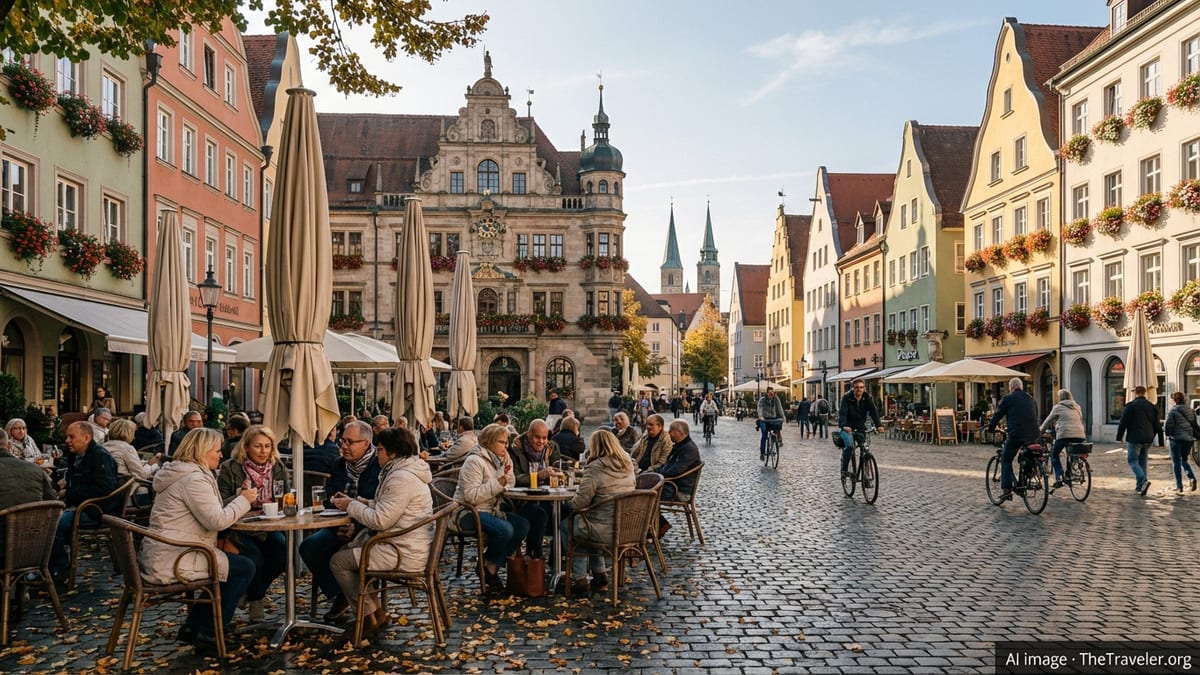
Autumn offers a different charm. In September and October, temperatures are often still mild, and forests and vineyards in regions such as the Black Forest, the Rhine and Moselle valleys, and Franconia show rich fall colors. Wine harvest festivals take place in many small towns, providing a local atmosphere with fewer international visitors than summer’s largest events. By early November, days shorten noticeably, but prices can also ease, making it an efficient time for city breaks.
From a budget perspective, shoulder season usually brings better value than the height of summer. Airfares can be lower, hotel promotions more common, and popular attractions are easier to visit without long queues. However, some alpine cable cars, lake ferries, or smaller seasonal attractions may operate on reduced schedules in late autumn and early spring. Checking local opening calendars before finalizing plans is wise if a specific activity is essential to your trip.
Low Season: Winter Quiet, Christmas Magic, and Ski Slopes
Winter in Germany, typically from late November through March, is low season for most types of tourism but peak season for two specific experiences: Christmas markets and skiing. Temperatures are cold, daylight hours are short, and skies can be overcast, particularly in the north and central regions. Yet this period delivers some of the country’s most atmospheric travel moments, especially in historic city centers and Alpine villages.
From late November through December, many German towns and cities host Christmas markets. These festive events, with stalls selling handmade crafts, hot drinks, and regional snacks, attract both domestic and international visitors. Major markets in cities such as Nuremberg, Munich, Dresden, and Cologne can be particularly busy in the weeks before Christmas, driving up hotel prices in central districts. Travelers interested in this season should expect higher demand and book accommodation well ahead of time.
Outside the Christmas and New Year period, winter can be relatively quiet, especially in business districts and tourists areas that lean heavily on warm weather attractions. This is when you are most likely to find hotel discounts and value oriented city breaks. Cultural life, however, remains active. Opera houses, concert halls, and museums run full schedules in winter, offering rich indoor experiences that fit well with colder weather.
In southern Germany, particularly in the Bavarian Alps and surrounding regions, winter is ski and snow sports season. Snow conditions vary from year to year, but many resorts aim to operate from December into March when temperatures allow. During school holiday periods and peak February weeks, ski resort prices can rise and availability can tighten. For those seeking a blend of city culture and mountain snow, combining a few days in Munich with an excursion to nearby ski areas can be an efficient winter itinerary.
Regional Variations: North, South, East, and West
Germany’s regional diversity means the best time to visit can differ significantly from place to place. The northern coast along the North and Baltic Seas has a maritime climate, with cooler summers and milder winters than inland areas. Breezy seaside resorts and islands are especially popular in July and August, though even then temperatures may feel fresher than in central Europe’s interior. Spring and early autumn can be pleasant but somewhat windy and variable.
Southern Germany, including Bavaria and Baden Wurttemberg, experiences more pronounced seasonal changes. Summers can be warm and sometimes hot, especially in cities like Munich and Stuttgart, while winters tend to be colder with a higher likelihood of snow, particularly near the Alps. Travelers looking for lake holidays, mountain hiking, or classic alpine scenery should often target late May to September, while ski focused visitors will prefer December through March.
Western Germany, including the Rhine and Moselle river valleys, Cologne, and Frankfurt, often enjoys relatively mild conditions. These regions can feel particularly attractive in late spring and early autumn, when vineyards are lush and river cruises operate frequent services. Peak summer still brings higher prices and crowds, but the shoulder seasons can deliver balanced conditions for both sightseeing and wine tourism.
Eastern Germany, including Berlin, Dresden, and Leipzig, has a more continental influence, with cold winters and warm summers. Berlin, for example, can be icy in January and February, yet it remains a vibrant cultural capital year round. Many visitors find late April to June and September to early October the most comfortable times for exploring the city on foot or by bike, avoiding both winter chill and the hottest summer days.
Events, Festivals, and School Holidays
Germany’s calendar is filled with events that can significantly affect crowds and prices. One of the most famous is the beer festival season in Bavaria, centered on late September and early October. During major events, hotel rates in host cities can rise sharply, and availability may be very limited, even many months in advance. Travelers not focused on these events might wish to schedule their trips slightly earlier or later to avoid the busiest days.
Throughout the year, cities host trade fairs, conferences, and cultural festivals that draw large numbers of visitors. Business focused hubs such as Frankfurt, Cologne, and Hanover can experience brief spikes in hotel prices around major trade shows, even in months that are otherwise quiet for tourism. Checking a local events calendar before finalizing travel dates can help avoid unexpected cost increases.
School holidays play a major role in domestic travel patterns. During the long summer break and shorter spring and autumn breaks, popular family destinations such as theme parks, lake regions, and coastal resorts become busier and more expensive. Winter school holidays, often around Christmas and New Year, also drive demand for ski resorts and city centers. Travelers with flexible schedules who wish to avoid crowds may prefer to plan just outside these periods.
Public holidays can also influence travel. Around national or regional holidays, long weekends often prompt short trips within Germany, particularly to scenic areas and major cities. Some shops and attractions may close or operate on limited hours on certain holidays, while restaurants and cafes in tourist districts generally remain open. Planning arrival and departure to avoid peak holiday traffic on roads and rail lines can make travel more comfortable.
Balancing Budget, Comfort, and Experiences
Choosing the best time to visit Germany is ultimately an exercise in balancing three factors: budget, comfort, and desired experiences. Travelers seeking the lowest prices should look toward late autumn and winter periods outside of Christmas and major trade fairs. During these times, airfares and hotel rates are often at their most competitive, and city attractions are less crowded, though shorter days and colder weather are trade offs.
For visitors prioritizing weather comfort, late spring and early autumn provide moderate temperatures and a good chance of pleasant outdoor conditions. Parks, riverfronts, and beer gardens are usually open, but crowds are thinner than in peak summer. This can be an ideal period for first time visitors exploring classic routes such as Berlin, Munich, and the Rhine valley, as well as for repeat travelers interested in regional towns and countryside.
Those who want quintessential seasonal experiences may willingly accept higher prices and busier conditions. Christmas market enthusiasts will plan for late November or December, ski lovers for midwinter, and festival enthusiasts for late summer and early autumn. In these cases, booking early and being flexible about accommodation type and neighborhood can help control costs without sacrificing experiences.
It can also be helpful to consider splitting a trip between seasons if your dates straddle a transition period. A late March or early April trip, for example, might start in a southern city where spring arrives earlier, then move north as temperatures rise. A late September journey could combine early autumn hiking in the Alps with cultural events and harvest activities in wine regions. Thinking regionally and seasonally at the same time opens up more tailored itineraries.
The Takeaway
There is no single best time to visit Germany that suits every traveler, but there is almost certainly a best time for your particular interests and budget. Summer delivers warmth, long days, and buzzing outdoor life, at the cost of higher prices and larger crowds. Winter grants discounted city stays, cultural depth, and magical Christmas experiences, while demanding tolerance for cold temperatures and short daylight hours.
For many visitors, the sweet spot lies in spring and autumn, when weather is generally mild, attractions are accessible, and local life feels in balance with tourism. Regional differences between the coasts, river valleys, and Alpine areas provide further room to fine tune your timing. Whether you are drawn to beer gardens, museums, hiking trails, ski slopes, or historic markets, Germany offers a rewarding season for every style of travel.
By lining up your priorities with the seasonal realities of weather, crowds, and prices, you can frame a trip that feels both enjoyable and efficient. Careful planning around events, holidays, and regional variations helps avoid surprises and makes room for the spontaneous moments that often become the most memorable parts of a journey.
FAQ
Q1. What is the overall best month to visit Germany?
Many travelers find May, June, September, and early October offer the best balance of mild weather, manageable crowds, and moderate prices.
Q2. Is summer in Germany too crowded for first time visitors?
Summer is busy, especially in major cities and resort areas, but still workable. Booking accommodation and key transport early helps keep the experience comfortable.
Q3. Are Germany’s Christmas markets worth visiting despite the cold?
Yes, many visitors consider them a highlight. Expect festive atmospheres, short days, and chilly temperatures, and pack warm layers to enjoy evenings outdoors.
Q4. When are flights and hotels generally cheapest in Germany?
Late autumn and winter, outside Christmas and major trade fairs, often bring the lowest airfares and hotel rates, especially for midweek city stays.
Q5. What is the best time to visit Germany for hiking and outdoor activities?
Late May through September usually provides the most reliable conditions for hiking, lake visits, and outdoor dining, especially in southern and alpine regions.
Q6. How early should I book if I plan to visit during major festivals?
For large events and popular Christmas markets, reserving accommodation several months in advance is sensible, as centrally located hotels can sell out quickly.
Q7. Is winter a good time for a cultural city break in Germany?
Yes. Winter is ideal for museums, concerts, and opera, with fewer tourists and often better hotel deals, provided you are comfortable with cold, dark evenings.
Q8. Does weather vary a lot between northern and southern Germany?
Yes. The north tends to be cooler and windier, while the south and Alpine areas have warmer summers and colder, often snowier, winters.
Q9. Will attractions be open in shoulder seasons like April or November?
Major museums and city sights remain open year round, but some alpine lifts, boat services, and smaller seasonal attractions may run on reduced schedules.
Q10. If I want to avoid crowds but still have pleasant weather, when should I go?
Late April to early June and September to early October usually offer comfortable temperatures with fewer tourists than peak summer.