

Choosing the best time to visit India is not as simple as avoiding the hottest months or steering clear of the monsoon. The country spans snowbound Himalayan peaks, tropical coasts, deserts, and dense forests, each with its own rhythms of heat, rain, and cool dry winter. With climate patterns shifting in recent years, travelers increasingly need nuanced, region specific advice rather than one size fits all rules. This guide walks through India’s weather month by month, explains how the monsoon really works on the ground, and offers practical tips for both avoiding disruptive conditions and embracing rainy season travel when it adds to the experience.
Understanding India’s Seasons and Monsoon Patterns
India’s climate is broadly structured around three main seasons: a cool dry winter from roughly November to February, a hot pre monsoon summer from March to June, and the southwest monsoon, which typically brings most of the annual rainfall from June to September. Within this structure, there are important regional variations. The monsoon tends to arrive first along the southwest coast, often around early June in Kerala, and progresses north and east over several weeks. Withdrawal usually begins in the northwest around late September and moves southward.
For most visitors, the most comfortable conditions across much of the country occur between about November and March, when temperatures are generally milder and humidity is lower in the northern plains, central India, Rajasthan, and many popular city and cultural circuits. Coastal and southern states can still feel warm and humid even in winter, but rainfall is usually lower and skies clearer. Mountain regions in the far north and northeast, however, may be very cold or snowbound in midwinter, which affects access and trekking conditions.
Recent years have brought more heat waves, erratic rainfall, and heavier downpours in short bursts, which means that “typical” patterns are now best treated as guidelines rather than guarantees. The onset and retreat of the monsoon can vary by one to two weeks, and localized extreme events may impact travel even during traditional shoulder seasons. Planning with some built in flexibility, and staying alert to short range forecasts once you arrive, is increasingly important when traveling anywhere in India, particularly during the summer and monsoon months.
Despite these complexities, it is entirely possible to plan rewarding trips in every month of the year by matching your itinerary to the prevailing conditions. Beach time, wildlife viewing, high mountain trekking, city sightseeing, and wellness retreats all have different optimal weather windows. The sections that follow break down India month by month, highlighting what to expect and where conditions are usually at their best, along with specific advice for navigating monsoon periods.
January to March: Cool, Dry and Ideal for First Timers
January is one of the most popular months to visit India, particularly for first time travelers focusing on classic routes such as Delhi, Agra, Jaipur, Rajasthan more broadly, and the central Indian temple and wildlife circuits. In the northern plains and northwest, days are generally sunny and mild, while nights can be quite cool and sometimes foggy, especially in and around Delhi and the Ganges basin. Farther south in Goa, Kerala, Karnataka’s coast, and Tamil Nadu, this is prime beach and backwater season, with warm temperatures, lower humidity than later in the year, and relatively calm seas.
February continues the pattern of comfortable temperatures and low rainfall across most of the country. In many regions, it is slightly warmer and drier than January, with less fog in the north and clearer skies that favor both city walks and long distance train travel. Central India and the Deccan plateau are typically pleasant, and this is still an excellent window for safaris in many national parks before the real heat sets in. In the high Himalayas, deep snow keeps the highest passes closed, but lower altitude hill stations in Himachal Pradesh and Uttarakhand may offer crisp, bright days.
By March, the first hints of pre monsoon heat begin to build, especially in the northern plains and interior regions. Afternoons can become hot in places like Rajasthan, Gujarat, and central India, though mornings and evenings remain tolerable and humidity is still relatively low. This makes March a transitional but generally favorable month, especially for travelers who like warm, dry weather and do not mind some midday heat. Coastal areas remain inviting, though toward the end of the month the sun can feel fiercer and shade becomes more important.
For most travelers who want to combine classic cultural sightseeing with manageable temperatures, the period from January through March is often among the best times to visit India. It is also a busy season, so booking trains, flights, and well located accommodation in advance is wise. Air quality in some northern cities can be an issue in winter, so more sensitive travelers may prefer coastal routes, southern itineraries, or hill stations as cleaner air alternatives.
April to June: Heat, Hills and Early Monsoon Rains
April marks the beginning of a more intense pre monsoon heat in much of India, particularly in northern and central regions. Daytime temperatures in cities such as Delhi, Jaipur, Varanasi, and Kolkata often climb significantly, and dry hot winds can make afternoons uncomfortable for extended outdoor sightseeing. However, early mornings and evenings can still be enjoyable with careful planning. This month can be rewarding for travelers seeking fewer crowds in popular destinations, provided they build their days around early starts, air conditioned midday breaks, and adequate hydration.
By May, high heat is firmly established across much of the subcontinent. Many regions see some of their highest temperatures of the year at this time, and heat waves are becoming more frequent and prolonged. Urban sightseeing becomes challenging in the middle of the day, and some travelers may find the conditions oppressive. At the same time, wildlife viewing in many central and northern parks can be excellent because animals concentrate around shrinking water sources. For those comfortable with heat and who prioritize tiger or other wildlife sightings, this trade off can make late April and May appealing, as long as safety measures against heat stress are taken seriously.
June is a complex month that straddles late pre monsoon conditions and the arrival of the southwest monsoon in the south and along parts of the west coast. In Kerala and coastal Karnataka, early June often brings the first sustained rains, cooler daytime highs, and lush landscapes, though with higher humidity and periods of heavy downpour. In the north and interior, very hot conditions can persist until the monsoon advances farther inland, at which point storms and rain can initially feel relieving while sometimes disrupting transport. In high mountain regions like Ladakh and some trans Himalayan valleys, this is just the start of the accessible season, with many roads opening gradually as snow melts.
For travelers during April to June, strategy and destination choice matter more than in the winter months. Hill stations in Himachal Pradesh, Uttarakhand, and parts of the northeast often offer milder temperatures and clearer air than the lowlands, although individual years can vary. Coastal regions may offer relief once the monsoon begins, while parts of the interior remain hot and occasionally stormy. This period is best suited to experienced travelers comfortable adapting daily plans to heat, who are willing to prioritize either mountain scenery or specific wildlife experiences over broad ranging itineraries.
July to September: Traveling During the Monsoon
From July through much of September, the southwest monsoon dominates weather across most of India, although the intensity and timing of rainfall vary significantly by region. In many parts of the country, this is when the landscape is at its greenest, rivers run full, and waterfalls are at their peak. Temperatures tend to ease compared with May and early June, but humidity rises sharply, and heavy rainfall can lead to waterlogging, localized flooding, and disruptions to road and rail services. Urban drainage systems in some large cities struggle during intense downpours, temporarily affecting movement and comfort.
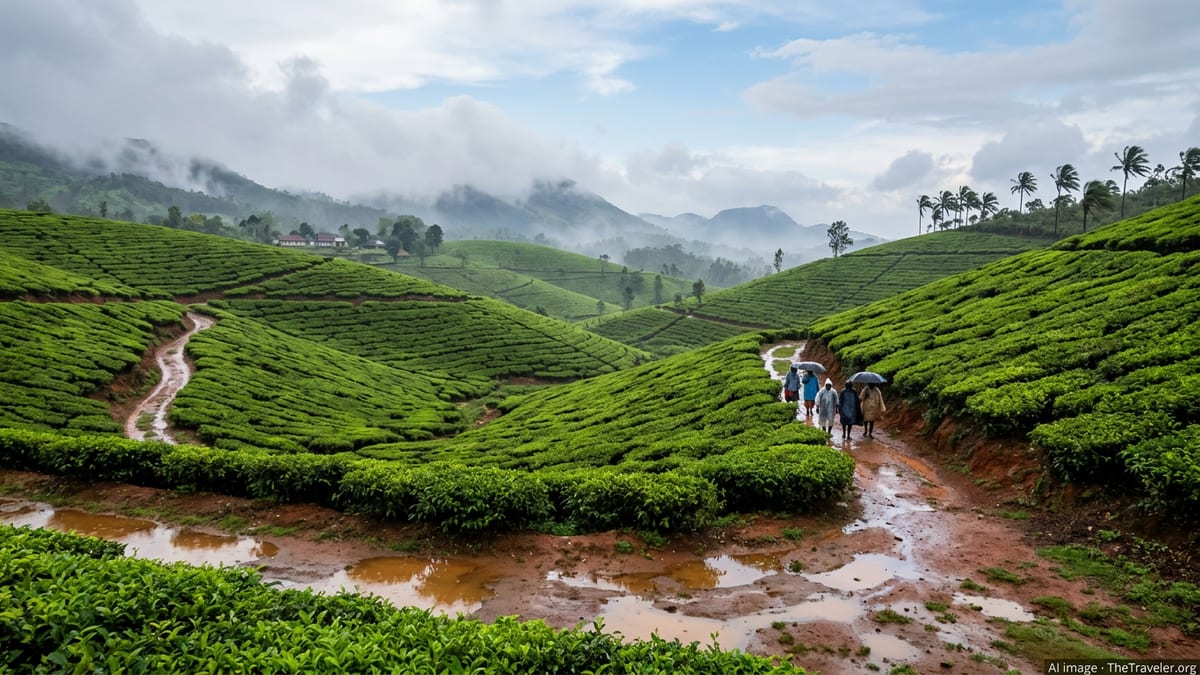
Despite these challenges, travel during the monsoon is not automatically a bad idea. Certain regions can be very rewarding at this time for travelers who value dramatic scenery and do not mind rain. The Western Ghats, especially in parts of Karnataka, Maharashtra, and occasionally Kerala, are at their most lush, with misty hillsides, full waterfalls, and cooler temperatures. Beach conditions vary, with rougher seas on some coasts and restricted swimming, but backwater regions and hill towns can feel serene between showers. In the far north, high altitude regions like Ladakh and parts of the trans Himalaya often receive relatively little monsoon rain compared with the plains, making July and August among the better months for trekking and road journeys there, as long as travelers remain mindful of altitude acclimatization.
On the downside, landslides, swollen rivers, and slippery roads can pose real safety risks in some hilly and mountainous regions during the monsoon. Trekking routes in the lower Himalayas and certain parts of the northeast can be particularly vulnerable. Some remote areas may experience temporary road closures or power interruptions. Flight schedules can also be affected by poor visibility or storms, particularly in smaller airports. Travelers who choose to visit during this period should build generous buffers between long distance transfers, favor flexible itineraries, and pay attention to local advice about current conditions.
Costs for accommodation and flights are often lower in many destinations during the heart of the monsoon, outside of specific local holiday peaks. This can make July to September an attractive time for budget conscious visitors who are comfortable with some degree of uncertainty and rain. It is particularly suitable for slower, location based travel, such as wellness retreats in Kerala, creative residencies in major cities, or extended stays in relatively monsoon friendly regions, rather than fast paced multi state tours that rely heavily on smooth intercity transport.
October to December: Clear Skies, Festivals and Regional Variations
October is a classic transition month across India. In some regions, particularly parts of the east and northeast, residual monsoon showers can linger into early October, while in much of the north and center of the country the rains ease and humidity begins to fall. Skies typically become clearer, and daytime temperatures moderate from the summer peak, though they can still feel quite warm in the afternoons. This is often an excellent time for city sightseeing and cultural travel, with greener landscapes than in peak winter and a growing calendar of festivals.
By November, many travelers and tour planners consider conditions close to optimal across large parts of India. The northern plains, Rajasthan, and much of central India usually experience warm days, cool nights, and low rainfall. Visibility often improves, and this is a favored month for trips that combine historic cities, desert landscapes, and wildlife reserves. In southern India, including Goa, Kerala, Tamil Nadu, and parts of Andhra Pradesh and Karnataka, November generally offers a mix of warm, sunny days and lower rainfall than during the monsoon months, although some regions on the southeast coast can still see showers influenced by a separate northeast monsoon system.
December carries many of November’s advantages, with further cooling in the north and northwest and a generally festive atmosphere across the country. In northern cities and hill stations, nights can become quite cold and occasional fog can affect early morning flights and trains, but daytime conditions are often comfortable for walking tours and outdoor activities. In the south, December is a popular time for beach holidays and backwater cruises, with warm temperatures and relatively reliable weather, especially along the west coast. High altitude Himalayan regions may see increasing snowfall, limiting access to some passes but creating attractive winter landscapes in accessible hill towns.
For many styles of travel, from first time cultural tours to family beach holidays and soft adventure, the window from roughly late October to early March remains the most dependable period across a wide range of Indian destinations. The trade off is higher demand, which typically means higher prices and busier sites. To secure preferred train classes, internal flights, and characterful smaller hotels during this period, travelers are wise to make key bookings several months in advance, particularly for travel over major holiday periods.
Regional Weather Patterns: North, South, East and Himalaya
India’s size and varied topography mean that the broad monthly patterns described above play out differently in each region. In North India, encompassing Delhi, the Taj Mahal region, Rajasthan, and the plains toward Varanasi, winter from about November to February is cool to mild and generally dry, with fog a possibility in midwinter. March and April warm rapidly, May and early June are typically very hot and often dry, and the southwest monsoon usually arrives in late June, bringing heavy, often short but intense showers through much of September. October tends to be a relatively dry, warm transition month before winter sets in again.
South India, including the peninsular states and much of the coastline, sits closer to the equator and has a more tropical feel. Temperatures are fairly warm year round, with less contrast between seasons, but humidity and rainfall vary. The southwest coast, including much of Kerala and coastal Karnataka, usually receives heavy monsoon rain from June to September, followed by a drier and more settled period from roughly December to March that is ideal for beaches and backwaters. Parts of the southeast, such as coastal Tamil Nadu, can see significant rainfall later in the year due to the northeast monsoon, making late October and November wetter than many visitors expect there.
In East and Northeast India, including West Bengal, Assam, Meghalaya, and neighboring states, the monsoon can be both intense and prolonged, often starting in June and continuing well into September and occasionally October. These regions can experience some of the highest rainfall totals in the country, which contribute to lush landscapes, powerful waterfalls, and rich biodiversity, but also to frequent disruptions from landslides and flooding in hill areas. The most settled weather for general travel often falls between roughly November and April, though exact windows depend on altitude and specific local microclimates.
The Himalayan belt and adjacent high plateau regions, from Himachal Pradesh and Uttarakhand in the west through Ladakh and into Sikkim and Arunachal Pradesh in the east, have their own logic. Many lower altitude hill stations are attractive escapes from the summer heat of the plains, especially from late March through June. Monsoon rains from June through September can bring mist, landslides, and leeches on trekking routes, although some high altitude rain shadow areas receive relatively little precipitation and are best visited precisely at this time. Winter brings snow and very low temperatures, limiting high passes but offering crisp, clear days in some valleys. For serious trekking and high altitude road journeys, specific local advice by route and month is more important than national averages.
Smart Monsoon Travel: Safety, Comfort and Planning Tips
Traveling in India during the monsoon requires a slightly different mindset from winter or dry season trips. The most important shift is to treat timing as approximate and build flexibility into every stage of your journey. Heavy rain can delay flights, slow trains, or temporarily close roads, sometimes without much warning. When planning long distance moves, it is prudent to avoid tight same day connections and to schedule important events such as international departures a day after inland transfers where possible. Choosing centrally located accommodation in cities can also reduce dependence on local transport when streets are waterlogged.
Packing with the monsoon in mind makes a significant difference to comfort. Light, quick drying clothing is far more practical than heavy denim or thick cotton, which can stay damp for a long time. A compact umbrella or quality rain jacket, protective covers for backpacks and daypacks, and waterproof pouches for phones and documents help keep essentials dry. Footwear with good grip that can handle wet, occasionally muddy conditions is preferable to smooth soled sandals. Many travelers also appreciate having a lightweight change of clothes in a daypack when taking daylong excursions in regions prone to sudden downpours.
Health and hygiene considerations deserve extra attention when heavy rainfall affects drainage and water quality. Sticking to bottled or filtered drinking water, being cautious about raw foods in areas with visible flooding, and carrying basic medication for stomach upsets are sensible year round, but especially during the monsoon. In some regions, standing water can increase mosquito activity, so using repellent, wearing long sleeves in the evening, and choosing accommodation with proper screens or nets can reduce discomfort and risk. Paying attention to local news and hotel guidance about conditions in nearby areas you plan to visit is particularly important in hilly terrain, where landslide risk can change rapidly.
Finally, understanding that not all monsoon days are equally rainy can help you design more satisfying itineraries. In many regions, rainfall comes in intense bursts followed by longer periods of lighter showers or even sunshine. Planning outdoor activities and drives for morning hours, when storms are often less frequent, and keeping some indoor or flexible options for afternoons can make trips smoother. For some travelers, including photographers and those who enjoy dramatic skies and vibrant greenery, the monsoon can become a highlight rather than a hindrance, provided they accept a degree of unpredictability.
The Takeaway
There is no single best time to visit India that suits every traveler, every region, and every style of trip. Instead, the country offers different advantages in each season. The cool, dry months from roughly late October to early March generally provide the most comfortable conditions over the widest area, especially for first timers and those planning busy multi stop itineraries. The pre monsoon months of April to June can be rewarding for wildlife viewing and mountain escapes, but require careful management of heat. The monsoon period from June to September brings lush landscapes, lower prices, and fewer crowds in many places, though travelers must accept a higher likelihood of disruption and adapt their plans accordingly.
As climate patterns evolve, relying on rigid date ranges is less reliable than in the past. A more resilient planning approach combines broad seasonal guidance with up to date local forecasts and a willingness to adjust routes or daily schedules once on the ground. Matching your destinations to the prevailing conditions, whether that means beaches in winter, high altitude treks in the relatively dry summer months of the trans Himalaya, or wellness retreats framed by monsoon rain along the Western Ghats, can turn India’s complex weather into an asset rather than a challenge.
Ultimately, success lies in clarity about what you want most from your trip. If your priorities are classic monuments and comfortable temperatures, target the cooler months and book early. If you are interested in photography, dramatic skies, and fewer visitors, consider carefully planned monsoon journeys. For trekking or wildlife, fine tune your plans around specific regional windows rather than national averages. With realistic expectations and flexible thinking, you can find a satisfying way to experience India’s landscapes and cultures in any month of the year.
FAQ
Q1. What is the overall best time of year to visit India for most travelers?
For many visitors, the best overall time is from roughly late October to early March, when much of the country experiences cooler, drier and generally more comfortable weather, making it easier to combine several regions in one trip.
Q2. Is it a bad idea to travel to India during the monsoon season?
Travel during the monsoon is not automatically a bad idea, but it does come with higher chances of heavy rain, transport delays and localized flooding, so it suits flexible travelers who can adapt plans and choose regions that cope well with rain.
Q3. Which months are usually the hottest in India?
The hottest period in many parts of India is typically from late April through June, especially in northern and central regions, when daytime temperatures can become very high and dry hot winds make outdoor sightseeing more demanding.
Q4. When is the best time to visit India’s beaches?
Beach destinations along the west coast, such as Goa and much of Kerala, usually offer their most settled conditions between about December and March, with warm temperatures, relatively low rainfall and seas that are often calmer than in the monsoon months.
Q5. What is the ideal time to visit the Himalayas for trekking?
Lower and mid altitude Himalayan treks are often best between roughly late March and early June, before heavy monsoon rains, and again from around October to early November, once the monsoon retreats and before winter snow returns at higher elevations.
Q6. How should I plan for wildlife safaris in India?
For many central and northern parks, good wildlife viewing conditions typically run from about February to early June, when vegetation is thinner and animals concentrate near water, though late season visits require careful preparation for heat.
Q7. Does South India have different weather patterns from the north?
Yes, South India has a more tropical climate with warm temperatures year round, heavy southwest monsoon rains along the west coast from June to September and, in some southeast coastal areas, additional rain later in the year from a separate northeast monsoon.
Q8. Are floods and landslides common enough to change my plans?
In some regions, especially certain hill areas and parts of the northeast, heavy monsoon rains can cause landslides and flooding that lead to road closures and delays, so if you travel in the rainy season, it is wise to allow extra time and monitor local advice.
Q9. How far in advance should I book if I am traveling in peak season?
For peak season travel between roughly November and February, booking long distance trains, popular internal flights and smaller character accommodations several months in advance is advisable, particularly around major holidays and festival periods.
Q10. What should I pack for a trip to India during the monsoon?
For monsoon travel, pack light, quick drying clothing, a compact umbrella or rain jacket, waterproof covers for bags, secure footwear with good grip, and protective pouches for electronics and documents, along with basic medication and insect repellent.