

Indiana is a four-season destination where steaming summer nights at the ballpark give way to fiery autumn hillsides and snow-dusted state parks. The best time to visit depends on whether you are chasing peak fall foliage, county fairs, food festivals, or mild weather for road trips and outdoor adventures. With a little planning, you can match your travel dates to the part of Indiana that shines brightest at different times of year.
Indiana’s Climate at a Glance
Indiana sits squarely in the Midwest and experiences a classic four-season climate. Winters are cold and often snowy, springs are changeable and sometimes stormy, summers are warm to hot and humid, and autumns are typically cool, crisp, and clear. Temperatures and timing shift slightly as you move from the shores of Lake Michigan in the north to the hills edging the Ohio River in the south, but the overall pattern stays consistent.
Average winter highs in much of central Indiana, including Indianapolis, hover near freezing, with colder nights and periodic snow or ice. Summer highs frequently reach the upper 70s to upper 80s Fahrenheit, with humid days that feel warmer, especially in July and August. Spring and fall bring the most comfortable temperatures, with many days in the 60s and 70s Fahrenheit and lower humidity that makes hiking, city sightseeing, and scenic drives much more pleasant.
Precipitation is fairly evenly spread throughout the year, so there is no distinct monsoon or dry season. Spring and early summer see more frequent showers and occasional thunderstorms, while late summer can be hazy and humid. By autumn, drier air usually arrives, creating blue-sky days that showcase Indiana’s fall color. Winter storms vary year to year, with some seasons dominated by rain and others by accumulating snow, especially in the north and near Lake Michigan.
Because Indiana’s weather can swing quickly, especially in shoulder seasons, it is wise to check short-term forecasts before you travel. Packing layers, including a light jacket even in summer and a warmer layer in spring and fall, will help you stay comfortable whether you are exploring Indianapolis museums, wandering small-town main streets, or hiking in the state parks.
Best Overall Months to Visit
For most travelers, the best overall months to visit Indiana are late April through early June and mid September through late October. These spring and fall windows balance comfortable temperatures, manageable humidity, and a busy calendar of festivals and events without the peak summer heat. They are also ideal for road trips that take you from urban attractions to countryside landscapes in a single day.
Late April and May bring blooming trees, greening fields, and longer daylight hours. Temperatures are usually mild enough for walking tours of cities like Indianapolis, Bloomington, and Fort Wayne, yet cool enough for active pursuits such as cycling and hiking. Early June still feels springlike but begins to overlap with summer festivals and outdoor concerts, making it an excellent time for travelers who want both nature and nightlife.
In autumn, mid September through about the last week of October is hard to beat. Early fall offers warm days and cooler nights that are ideal for football games, farmers markets, and harvest festivals, while late October often aligns with the peak of fall color in many parts of the state. Crowds pick up on the most popular foliage weekends, especially in the hilly south, but weekdays remain relatively relaxed.
If your priority is avoiding extremes, you may want to steer clear of the coldest months of January and February and the hottest, most humid stretch of late July and early August. That said, both winter and summer have their own draws: winter brings quieter parks and festive holiday events, while summer offers lake escapes, amusement parks, and some of Indiana’s biggest fairs.
Season by Season: What to Expect
Spring in Indiana, roughly March through May, is a season of transition. Early March can still feel wintry, with lingering chill and the possibility of late snow, but by April flowering trees, daffodils, and redbuds brighten city neighborhoods and parklands. Rain showers and occasional thunderstorms are common, particularly in April and May, yet many days are pleasantly mild. This is a good time for museum visits, urban dining, and short hikes, as trails can be muddy but less crowded than in summer and fall.
Summer, from June through August, is warm and energetic. Temperatures typically range from the upper 70s to upper 80s Fahrenheit, with humidity peaking in July and early August. This is prime time for lake trips to Indiana Dunes on Lake Michigan, water parks, and riverside activities along the Wabash and Ohio. It is also the height of festival season, with county fairs, outdoor concerts, baseball games, and fireworks drawing locals and visitors alike. If you do not mind heat and crowds, the long evenings and lively atmosphere can be a highlight.
Autumn, September through November, is often considered the most beautiful season in Indiana. Early September can still feel summery, but nights cool off and humidity drops. By late September and October, temperatures usually settle into a comfortable range for hiking, driving country backroads, and exploring university towns when campuses are busy again. Colorful leaves, harvest markets, and fall-themed festivals dominate the calendar before cooler, grayer November days lead into winter.
Winter, from December through February, can bring snow, freezing rain, and cold snaps, particularly in northern and central Indiana. However, not every winter day is bitterly cold, and many December days are chilly but manageable for city sightseeing, especially if you plan warm-up breaks in coffee shops and museums. Small towns and downtown districts often decorate for the holidays, and winter sunsets over snow-dusted fields or frozen rivers have their own quiet appeal for photographers and travelers who appreciate a slower pace.
Peak Fall Foliage in Indiana
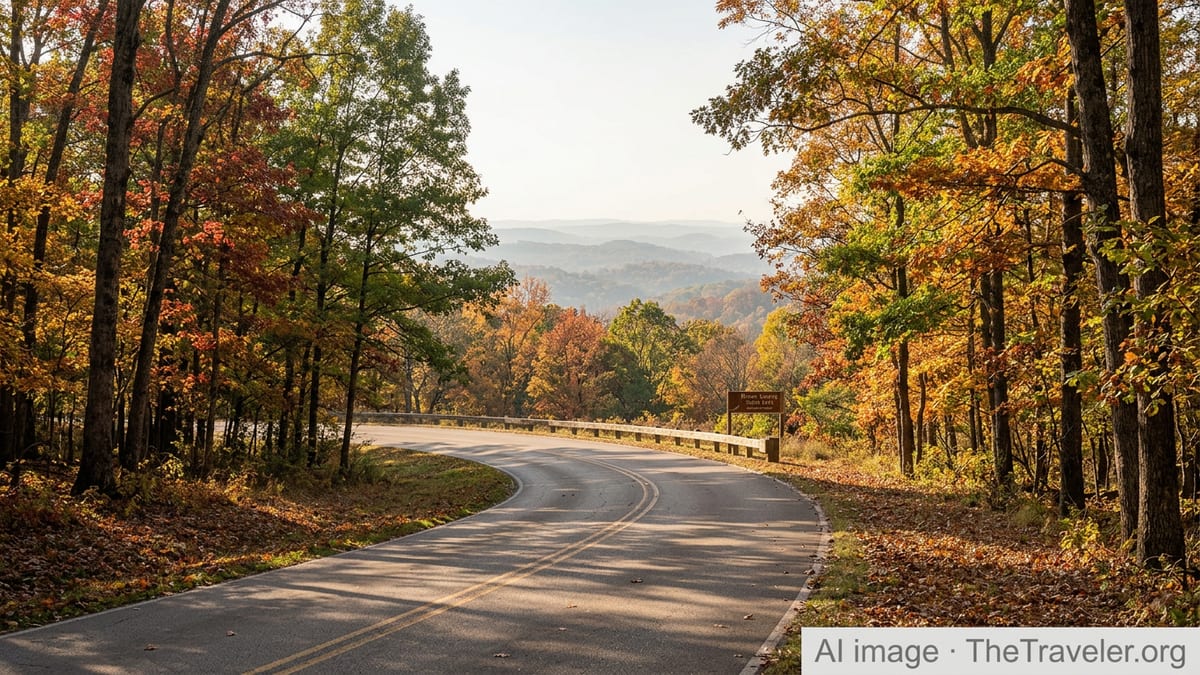
Indiana’s fall foliage season is surprisingly vibrant, especially in the southern hills, state parks, and forested river valleys. The timing of peak color shifts slightly each year depending on temperature, rainfall, and early frosts, but a general pattern has emerged. In most years, northern Indiana begins changing in late September, central Indiana peaks in roughly the third or fourth week of October, and southern Indiana often holds strong color into late October and sometimes early November.
Brown County State Park, near the town of Nashville, is widely regarded as Indiana’s premier leaf-peeping destination. Its ridgelines, hardwood forests, and scenic overlooks create sweeping views of red, orange, and gold hills that resemble New England landscapes on a smaller scale. Local tourism resources and park staff often note that mid to late October is the most reliable window for peak color in Brown County, though it can shift a week earlier or later in any given year. Because it is so popular, expect heavy weekend traffic and consider early morning or weekday visits for a more relaxed experience.
Central Indiana, including Indianapolis and surrounding counties, typically experiences peak color in the latter half of October. City parks such as Eagle Creek and Fort Harrison, as well as greenways and riverside trails, offer easy access to colorful trees without leaving the urban area. Further south, state parks like Turkey Run, Shades, Clifty Falls, and the Hoosier National Forest showcase deep ravines, sandstone cliffs, and rolling wooded hills that turn vivid shades as the season advances. In these areas, foliage often reaches peak or near-peak from mid to late October, then lingers into the earliest days of November.
Weather variability plays an important role. A warm, dry autumn can delay color change and shorten the peak window, while a timely sequence of cool nights and sunny days usually produces more intense hues. High winds or heavy rain can strip leaves quickly once they have turned. To fine-tune your trip, it is wise to consult recent foliage forecasts and, when available, live “leaf cams” from destinations such as Brown County, then adjust your travel dates or day trips accordingly.
Key Festivals and Events by Season
Indiana’s festival calendar stretches year-round, but late spring through fall offers the broadest range of events, from small-town celebrations to large regional draws. Timing your visit around a signature festival can add local flavor to a trip, though it can also mean higher demand for lodging and more traffic, especially in smaller communities.
In spring, cultural and arts festivals begin to reappear outdoors. College towns such as Bloomington and Lafayette often host music, film, and arts events as campuses buzz with activity. Farmers markets reopen or expand, bringing fresh produce and local crafts into public squares and parking lots. These spring gatherings are usually more low-key and less crowded than their summer counterparts, which can appeal to visitors who want local ambiance without major crowds.
Summer is dominated by fairs and large outdoor festivals. County fairs fill the calendar June through August, with rides, livestock shows, fair food, and live music. The Indiana State Fair typically takes place for a multiweek stretch in August in Indianapolis and draws visitors from across the state. In northern Indiana, the Elkhart County 4 H Fair has become one of the country’s largest county fairs, showcasing agriculture, entertainment, and midway attractions. Along Lake Michigan and in northern communities, warm-weather festivals may spotlight maritime heritage, ethnic food, or local arts.
Autumn brings a different flavor of celebration focused on harvest and community tradition. In Evansville, the West Side Nut Club Fall Festival, held on Franklin Street during the first full week of October, is known for its long history, extensive street food offerings, and carnival atmosphere. In northwest Indiana, Pierogi Fest in Whiting, usually in late July, bridges summer and fall with Eastern European food, parades, and playful local humor. October also sees numerous Oktoberfest events, pumpkin festivals, and arts fairs around Indianapolis and in smaller towns that make use of mild weather and fall color.
Regional Highlights: North, Central and South
Indiana’s regions experience the seasons differently, offering distinct reasons to visit at various times of year. In the north, proximity to Lake Michigan shapes the climate and travel experiences. Summers bring cooler breezes off the lake, making June through early September popular for beach days, sand dune hikes, and small resort towns near Indiana Dunes National Park and Indiana Dunes State Park. Lake effect snow can enhance winter scenery here, but it can also complicate travel during heavier storms.
Central Indiana, anchored by Indianapolis, is a year-round destination with the state’s largest concentration of museums, sports venues, and cultural institutions. Mild spring and fall days are ideal for exploring the Indianapolis Cultural Trail, attending outdoor concerts, or visiting the city’s many parks and gardens. Summer draws fans to baseball and auto racing, while winter offers indoor attractions such as art museums, children’s museums, and historic sites, often with special holiday programming.
Southern Indiana stands out for its rolling hills, limestone bluffs, and extensive hardwood forests that make it especially attractive in autumn. Towns such as Nashville, Madison, New Harmony, and French Lick serve as gateways to state parks, scenic byways, and wineries. The Ohio River adds a broad-water backdrop to leaf-peeping drives and walks along riverfront parks. Spring in the south tends to arrive slightly earlier than in the north, bringing wildflowers and blooming redbuds to forest trails, while summer offers shady hikes and river recreation.
Because of these regional differences, many travelers plan repeat visits to Indiana at different times of year, discovering beach days in the north one season, city life in the center another, and fall foliage road trips in the south. Even on a single journey, it is relatively easy to experience multiple regions: driving from Indianapolis to Brown County, Madison, or the Dunes can be done in a few hours, making day trips or short overnights convenient.
Weather, Crowds and Budget Planning
When deciding the best time to visit Indiana, it helps to weigh weather, crowd levels, and budget. The most popular travel periods are mid summer, when schools are on break and fairs are in full swing, and the heart of fall foliage season in October, particularly in southern Indiana’s hill country. During these times, lodging near major attractions and parks often books up well in advance, and prices can be higher, especially on weekends.
Shoulder seasons offer a comfortable middle ground. Late April, early May, late September, and early November usually bring milder temperatures and fewer visitors. In college towns and Indianapolis, you may still encounter busier weekends tied to university events or sports, but weekdays can be relatively quiet and more economical. In popular foliage destinations such as Brown County, arriving midweek in October can mean less traffic on scenic roads, easier restaurant reservations, and more availability in cabins and inns.
Winter and early spring tend to be the most budget-friendly times to visit, provided you are prepared for cold and the possibility of gray skies. City hotels often reduce rates outside major holidays or special events, and indoor attractions are less likely to be crowded. However, smaller seasonal businesses in tourist areas may reduce hours or close entirely until spring returns. Checking seasonal schedules in advance is important if you are planning a winter escape focused on specific restaurants, shops, or tours.
Regardless of season, packing for variable weather pays off. In summer, breathable clothing and sun protection are important, but evenings can still cool down enough to warrant a light layer, especially in the countryside. In spring and fall, a combination of short and long sleeves, a waterproof outer layer, and sturdy footwear will prepare you for everything from sunny hikes to passing showers. Winter travelers should bring warm coats, hats, gloves, and appropriate shoes for snow or ice, particularly if they plan to explore state parks or rural areas.
Tips for Timing Your Fall Foliage Trip
Because fall foliage in Indiana depends on weather patterns that shift year to year, a few strategies can improve your chances of catching peak color. First, consider choosing a flexible window in mid to late October rather than committing to a single weekend far in advance. Within that broader time frame, you can adjust specific days once short-term forecasts and on-the-ground foliage reports become clearer.
Second, aim to visit multiple regions or elevations on the same trip. Color in northern and higher areas of the state often reaches peak slightly earlier than in southern valleys. By planning a route that includes central parks, such as those near Indianapolis, and more southerly destinations like Brown County or Clifty Falls, you increase your odds of encountering good color somewhere along the way, even if one area is slightly before or after peak.
Third, pay attention to recent weather trends. A sequence of cool nights and sunny days in early to mid October is usually a good sign for vibrant foliage, while prolonged warmth or heavy rain may dull colors or delay change. Windy storms once leaves have turned can strip trees quickly, meaning it is sometimes better to travel a bit before the predicted absolute peak than risk arriving after leaves have fallen.
Finally, expect and plan for crowds at headline destinations. On peak October weekends, scenic roads in and around Brown County State Park, as well as popular overlooks and trailheads, can fill early in the day. Arriving before midmorning, exploring lesser-known trails, or planning a sunrise or late-afternoon visit can provide a more peaceful experience. Alternatively, you can seek out quieter state parks and backroads that deliver beautiful color without the same level of traffic.
The Takeaway
Indiana rewards travelers who time their visits with the rhythms of the seasons. For the broadest appeal, late spring and early fall offer comfortable weather, lively but manageable festivals, and landscapes in transition, whether from gray winter to green or from summer lushness to autumn brilliance. Summer delivers classic Midwestern experiences on lakeshores, midways, and ballfields, while winter reveals a quieter side of cities and small towns illuminated by holiday lights.
If your goal is fall foliage, circle mid to late October on the calendar and keep an eye on regional conditions as your trip approaches. Pair iconic spots like Brown County with lesser-known parks and byways to balance scenery with breathing room. If you are more focused on events, look at the schedules for the Indiana State Fair, major county fairs, and distinctive festivals across the state, then build in extra time to explore nearby communities and landscapes.
However you match your interests to the calendar, Indiana’s compact size, varied regions, and rich lineup of local traditions make it easy to craft a trip that feels both relaxed and rewarding. With a bit of seasonal planning, you can catch the Hoosier State at precisely the time of year that suits you best.
FAQ
Q1. When is the best time to visit Indiana for pleasant weather?
The most consistently pleasant weather usually falls in late April through early June and mid September through late October, when temperatures and humidity are moderate.
Q2. When does fall foliage typically peak in Indiana?
Fall color often peaks from mid to late October, arriving a little earlier in northern and central Indiana and sometimes lasting into early November in the south.
Q3. What is the best month to visit Brown County for fall colors?
October is usually the safest bet for Brown County, with the most reliable peak color often occurring in the middle to latter part of the month, depending on weather.
Q4. When is Indiana least crowded but still enjoyable?
Shoulder periods such as late April, early May, late September, and early November generally see fewer crowds while still offering comfortable conditions and open attractions.
Q5. Is summer a good time to visit Indiana?
Yes, summer is great for fairs, festivals, and lake trips, but it can be hot and humid, especially in July and early August, so plan for heat and larger crowds.
Q6. Are winters in Indiana too harsh for travel?
Winters can be cold with occasional snow and ice, but many days are manageable for city sightseeing, especially if you bundle up and plan indoor activities between outings.
Q7. How far in advance should I book lodging for October foliage trips?
For popular areas like Brown County or festival towns in October, booking several months in advance is wise, particularly for weekends and sought-after cabins or inns.
Q8. What is the best time to visit Indiana Dunes?
Late May through September is ideal for Indiana Dunes, with warm lake water, beach-friendly temperatures, and long daylight hours for hiking and swimming.
Q9. When is the Indiana State Fair usually held?
The Indiana State Fair is typically held over a multiday period in August, so visiting in that month offers the chance to experience one of the state’s signature events.
Q10. How can I improve my chances of seeing peak color in one trip?
Choose a flexible window in mid to late October, monitor short-term foliage reports, and plan to visit more than one region so you can adjust if peak shifts slightly.