

Iowa is one of those places where timing your trip makes an enormous difference. Spring can be soggy but beautiful, summer is packed with festivals, autumn brings surprisingly vivid fall colors, and winter quiets the state under snow and big skies. If you plan around the seasons rather than against them, you can catch Iowa at its best, whether that means hot air balloons at sunrise, golden cornfields in late September, or the roar of the Iowa State Fair in August. This guide walks through weather, fall color timing, and major events so you can decide when Iowa will fit you best.
Iowa’s Seasons at a Glance
Iowa has a classic four season climate with cold, snowy winters, warm to hot summers, and transitional springs and autumns that can swing quickly from chilly to balmy. Average January highs hover near freezing in many cities and often dip well below freezing at night, while July and August highs regularly reach the 80s and sometimes the low 90s Fahrenheit. Humidity can be noticeable in midsummer, especially in the central and eastern parts of the state, but evenings are often comfortable once storms pass through.
Spring in Iowa, roughly March through May, is a season of change rather than guaranteed sunshine. Early spring can still feel wintry, with lingering snow and mud, while late April and May bring greener fields, flowering trees, and more pleasant daytime highs in the 60s and 70s. Showers and thunderstorms are common and can be intense, so flexible plans and a light rain jacket are useful.
Summer, from June through August, is prime time for outdoor festivals, lake weekends, and long drives through rolling farmland. This is also when you are most likely to encounter heat, humidity, and strong thunderstorms, including occasional severe weather. For many travelers the lively events, long daylight, and access to everything from bike trails to ballgames outweigh the weather risks, but if you dislike heat, early to mid June or late August are often better bets than late July.
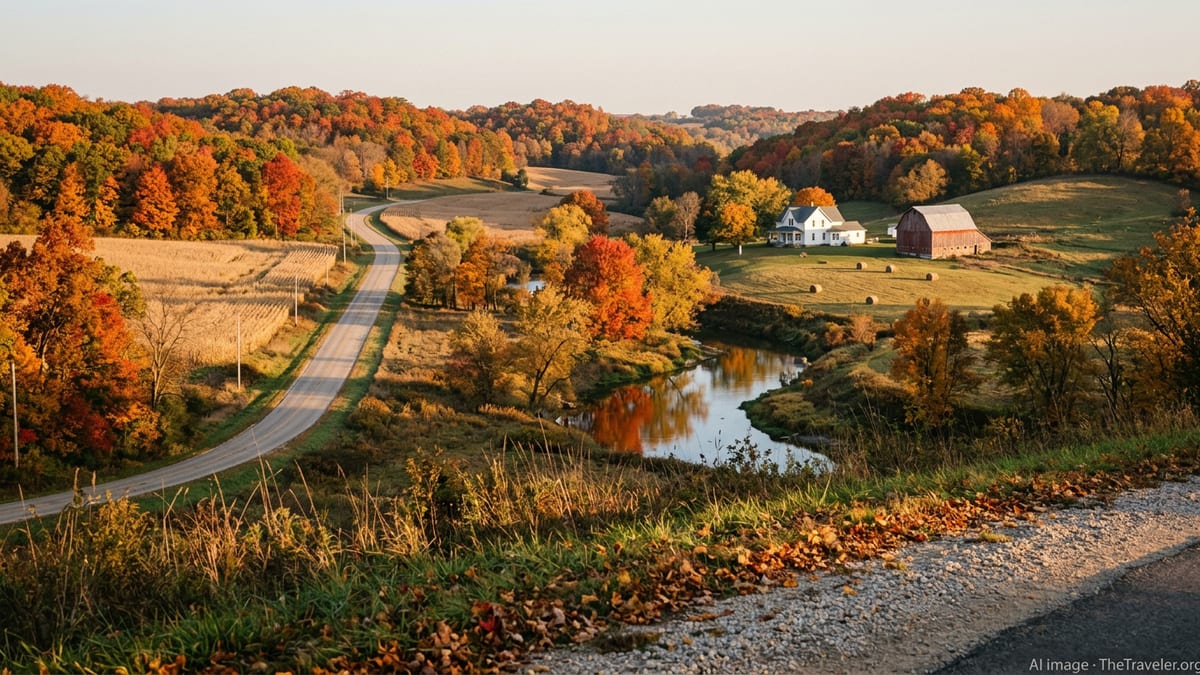
Autumn, especially late September through October, is often the most pleasant time to visit Iowa for comfortable temperatures and reliable sunshine. Days are typically mild with crisp nights, humidity drops, and mosquitoes fade. This is also when fall colors peak in different parts of the state, and when harvest season gives the countryside its most photogenic look. Winter, from late November through February, brings snow, cold, and quieter towns, but can be rewarding if you enjoy small town holiday events and peaceful state parks.
Weather by Season and Month
For weather sensitive travelers, it helps to break Iowa’s calendar into a few broad windows. Late March and April still carry a chill and can be gray, but they also mark the start of the outdoor season as ice retreats from lakes, hiking trails firm up, and small towns resume their event calendars. Highs usually move into the 50s and 60s Fahrenheit with chilly nights. May is often one of the most pleasant months, with greener landscapes and comfortable highs in the 60s and 70s, although thunderstorms and occasional severe weather are more likely as the atmosphere warms.
June is a good compromise between comfortable temperatures and summer energy. By this point many pools, amusement attractions, and lake marinas are operating fully, but daytime highs, often in the upper 70s or low 80s, feel more manageable than the hotter weeks to come. July and early August are the hottest stretch. Highs in the upper 80s and low 90s are not unusual, nights can stay warm, and humidity adds to the heat index. Storms can roll through quickly, clearing the air for a day or two before the cycle repeats.
Late August and September mark a gradual easing. Daytime highs commonly fall back into the 70s and low 80s, nights cool into the 50s, and the air feels less heavy. This is harvest season in many rural areas, so you may encounter farm traffic on two lane roads, but you will also see fields of corn and soybeans turning from green to gold. October is usually the sweet spot, with many days in the 50s and 60s, bright blue skies, and the drama of changing leaves. Light frosts are possible, especially late in the month, so layers become important.
By November, the weather begins to shift decisively toward winter. Highs in the 40s and low 50s are more typical, and storms may bring rain, wet snow, or both. December through February bring the coldest conditions. Highs often remain below freezing for days at a time, and snow cover can linger. Roads and services are well adapted to winter conditions, but driving distances can take longer after storms, and many outdoor attractions operate on reduced hours. If you visit then, pack serious winter clothing and base yourself in cities such as Des Moines, Iowa City, Cedar Rapids, or Davenport, where indoor cultural options are plentiful.
When and Where to See Iowa’s Fall Colors
Iowa’s fall colors are often underrated compared with more famous regions, but the state’s mix of hardwood forests, river valleys, and gently rolling farmland makes for rewarding leaf peeping. Timing varies from year to year, and climate change has nudged many peak periods slightly later, but general patterns remain reliable. In broad terms, northern and northeastern Iowa usually reach peak color in early to mid October, central Iowa follows a week or so later, and southern Iowa tends to peak in mid to late October.
The Iowa Department of Natural Resources and regional forecasters often note that northeast Iowa, with its bluffs and river valleys, sees some of the earliest and richest color. Around scenic destinations such as Decorah, McGregor, and the Upper Mississippi River valley, oaks, maples, and hickories tend to reach their best shades in the first half of October. In recent years, peak reports have often clustered around the weekend closest to October 10, although a warm fall or late frost can push color toward mid month.
Central Iowa, including Des Moines, Ames, and the I 35 and I 80 corridors, typically peaks a bit later. Here, fall color often builds through the first half of October and reaches a broad peak in the middle of the month, sometimes stretching into the third week. Urban parks, river greenbelts, and college campuses can be especially attractive at this stage, with a broad mix of tree species planted over the past century. Southern Iowa, including the Loess Hills and communities near the Missouri border, usually lags by several days to a week, with more frequent reports of peak color in the second half of October.
Because drought, storms, and early cold snaps can shift the calendar, travelers serious about fall color should treat these dates as guidelines rather than guarantees. In the weeks leading up to your trip, check fall foliage updates from the Iowa Department of Natural Resources and regional weather outlets, which track percent color and leaf drop by region. If your goal is the best odds of strong color across multiple parts of the state, target a trip sometime between roughly October 8 and October 20 and plan to be flexible about which region you explore on any given day.
Top Regions for Autumn Scenery and Drives
For standout fall color, many locals point first to northeast Iowa. This region, cut by river valleys and steep wooded hills, looks almost like a different state compared with the flatter fields elsewhere. Scenic routes wind along the Mississippi River and through hill towns such as Decorah and Elkader. State parks in this corner of Iowa offer overlooks, waterfalls, and wooded trails that shine in October, making the area ideal for weekend road trips focused on hiking, small town cafés, and independent breweries.
Central Iowa offers a more subdued but still rewarding fall landscape. Around Des Moines, parks and greenways line the Des Moines and Raccoon rivers, and urban forests turn shades of red, orange, and gold. Trails such as the High Trestle Trail are popular for fall biking, with cooler temperatures and long views across harvested fields. West of the capital, gentle drives through Dallas and Guthrie counties connect small towns, pumpkin patches, and farm stands that lean into the harvest season with corn mazes and cider.
To the west, the Loess Hills along Iowa’s border with Nebraska provide a distinctive fall landscape. These wind formed ridges, some rising sharply above the Missouri River valley, are dotted with native prairie and woodlands. In autumn, the mix of grasses and hardwoods produces a more subtle palette than dense forests, but the long vistas and big skies make the region a favorite for photographers. Several scenic byways trace the hills, passing through towns where you can stop for local diners and historic sites.
In southern and southeastern Iowa, river valleys and historic communities add to the appeal. Towns along the Mississippi and Des Moines rivers pair fall color with Victorian architecture and riverfront walks. Smaller state parks and wildlife areas throughout this region offer quiet hiking, birding during migration, and picnic spots that see far fewer crowds than more famous destinations to the north. Because color can arrive a bit later here, southern Iowa can be a good backup if an early cold snap has already dulled foliage farther north.
Major Festivals and Events by Season
Iowa’s festival calendar is concentrated in spring, summer, and early fall, with a few notable winter events. One of the most famous gatherings is the Iowa State Fair, held each August in Des Moines and drawing more than a million visitors in a typical year. The fair features agricultural exhibits, concerts, midway rides, and a sprawling menu of food on a stick, along with long running traditions such as butter sculptures and livestock shows. August in Iowa is hot and humid more often than not, so if you attend, plan for sun protection, water, and breaks in air conditioned buildings.
Summer also brings a cluster of music festivals. Events such as the 80/35 Music Festival in Des Moines, typically held in early to mid summer, and the Hinterland Music Festival, usually staged in early August outside Des Moines, draw regional and national acts. In late July and early August, the National Balloon Classic near Indianola fills the sky with dozens of hot air balloons at dawn and dusk across several days, combining mass ascensions with evening balloon glows, live music, and family friendly activities.
Many smaller communities host signature events that reflect local heritage. The North Iowa Band Festival in Mason City, held annually around Memorial Day weekend, celebrates the region’s band tradition with parades, concerts, and competitions. Nordic Fest in Decorah, generally scheduled in late July, highlights Scandinavian roots with folk dancing, traditional food, crafts, and a festive atmosphere that spreads through the town. In eastern Iowa, the Bix Beiderbecke Memorial Jazz Festival in Davenport honors the jazz legend with several days of performances and related events, often overlapping with the city’s popular Bix 7 road race.
Autumn has its own lineup of festivals tied to harvest and cooler weather. Many towns showcase fall food and drink, including Oktoberfest style celebrations in central Iowa that feature beer, music, and German inspired dishes, sometimes held in suburban venues around Des Moines and Ankeny. In Des Moines and other cities, multicultural events such as world food and music festivals bring together vendors and performers representing global cuisines and traditions, often timed for late summer or early fall when weather is more comfortable. Throughout October you will also find pumpkin festivals, orchard weekends, and smaller community celebrations that revolve around hayrides, craft fairs, and local produce.
Balancing Weather, Colors, and Crowds
Choosing the best time to visit Iowa often comes down to balancing the three main factors travelers care about most: weather, scenery, and crowds. If your priority is big name events and a social atmosphere, you will likely aim for mid summer through late August. That window includes the major music festivals, many town celebrations, and the Iowa State Fair. You will deal with higher humidity, stronger sun, and more traffic, but you will also experience the state at its most energetic, with patio dining, baseball games, and busy downtowns.
Travelers who care most about pleasant weather and landscapes usually gravitate to late September and October. During these weeks, temperatures are comfortable for hiking and biking, mosquitoes are less intrusive, and farm country is at its most photogenic. Fall color adds an extra layer of reward, especially if you time your trip to catch a regional peak. Crowds tend to be smaller outside major events, though popular scenic drives and parks can still see busy weekends when color is at its best.
If budget and quiet are your top concerns, consider the shoulder seasons of late April into early May or early November. April and early May can be unpredictable, but they offer flowering trees, emerging greenery, and fewer visitors at attractions. Early November, after most leaves have fallen, finds hotel rates often lower and popular sites calmer, especially in river towns and college cities. The trade off in both windows is greater variability in weather, so a flexible mindset and backup indoor activities are essential.
Winter visits are more specialized but not without charm. Holiday markets, ice skating rinks, college basketball games, and museum exhibits provide reasons to spend time in cities like Des Moines, Iowa City, and Cedar Rapids. Rural areas quiet considerably, and some seasonal attractions close or reduce hours, but you might find good value on lodging near state parks that support winter hiking, snowshoeing, and cross country skiing. Just ensure you are comfortable driving in snow and cold conditions if you plan to explore beyond urban centers.
Practical Planning Tips for Your Iowa Trip
Whatever time of year you choose, a few practical steps will make your Iowa trip smoother. First, pay attention to severe weather season, which runs roughly from spring through early fall. Thunderstorms can form quickly on warm, humid days, occasionally bringing hail, high winds, or tornadoes. Local media and smartphone weather apps provide timely alerts, and most communities have well established siren systems. If you hear sirens or get a warning, follow local guidance and move indoors until storms pass.
Second, consider how agricultural rhythms might affect your plans. During planting in spring and harvest in fall, large farm equipment may use rural highways, moving more slowly than other traffic. Build extra time into your drives on two lane roads and be patient passing. At the same time, this is part of the state’s character, and many travelers find seeing combines at work or grain trucks lining up at elevators to be an immersive glimpse into local life.
Third, book early for major festivals and university events. The Iowa State Fair, National Balloon Classic, large music festivals, and big college football weekends can tighten hotel availability in Des Moines, Ames, Iowa City, and other hubs. If your travel dates overlap with these events, reserve lodging and rental cars well in advance. In smaller towns, consider locally owned inns and bed and breakfasts, which may not appear on major booking platforms but often provide the most memorable stays.
Finally, pack with layers and variability in mind. On a typical autumn day you might start with a fleece, shed down to a shirt during a sunny afternoon hike, and pull on a jacket again after sunset. In summer, breathable fabrics, sun hats, and refillable water bottles make long fair or festival days more comfortable. In winter, insulated boots, a proper winter coat, and gloves are essential for even short walks around town. Iowa’s charm often lies outdoors, so dressing for the elements will help you enjoy it fully.
The Takeaway
There is no single perfect time to visit Iowa, but there are better times depending on what you value most. For peak energy and marquee events, aim for June through August and be ready for heat, crowds, and late night concerts at fairs and festivals. For comfortable temperatures and photogenic landscapes, late September and October stand out, especially if you are drawn to fall colors in the river valleys of the northeast or the long views of the Loess Hills.
If you favor lower prices and quieter experiences, the shoulder seasons can reward patience with blooming spring trees, peaceful trails, or calm riverfronts. Even winter has its appeal for visitors who enjoy a slower pace, holiday lights in historic downtowns, and evenings spent in local restaurants and breweries. With a bit of planning around weather, fall color timing, and the festival calendar, you can match Iowa’s rhythms to your own and discover why so many travelers return for a different season the next time around.
FAQ
Q1. What is the overall best month to visit Iowa?
Many travelers find October the best overall month, with mild temperatures, lower humidity, and widespread fall colors across much of the state.
Q2. When do fall colors usually peak in Iowa?
Fall colors often peak from early to mid October in northern and northeastern Iowa and from mid to late October in central and southern parts of the state.
Q3. Is summer too hot to enjoy outdoor festivals in Iowa?
Summer can be hot and humid, especially in July and early August, but festivals provide shade, indoor spaces, and evening events that help visitors stay comfortable.
Q4. When is the Iowa State Fair held?
The Iowa State Fair is typically held for 11 days in August each year in Des Moines, so plan for warm weather and book lodging well in advance.
Q5. What is the best time to visit for the National Balloon Classic?
The National Balloon Classic usually takes place in late July or early August, with flights at sunrise and around sunset offering the most dramatic views.
Q6. Are spring visits to Iowa worth it despite unpredictable weather?
Yes. While spring can be changeable, late April and May bring flowering trees, greener landscapes, and fewer crowds at most attractions.
Q7. Will I encounter severe weather if I visit in late spring or summer?
Thunderstorms are more common from late spring through summer, but travelers who monitor forecasts and follow local guidance can usually adjust plans safely.
Q8. What is the quietest time of year to visit Iowa?
Early November and the winter months tend to be the quietest, with fewer tourists and often lower lodging rates outside holiday periods.
Q9. When should I book accommodation for major Iowa festivals?
For big events such as the Iowa State Fair, major music festivals, and the National Balloon Classic, booking several months ahead is wise, especially in Des Moines and nearby towns.
Q10. Is October always guaranteed to have peak fall color?
No. Weather patterns can shift peak color by a week or more, so use regional fall foliage reports as your trip approaches and be flexible about which areas you visit.